Why unwanted pet snakes Are Thriving in Unexpected Places Around the World
Pet ownership boasts incredible popularity worldwide. Many people find joy in caring for animals, leading to a rise in exotic pets. Snakes, in particular, appeal to a diverse group of animal lovers. However, this trend does not come without consequences. Unfortunately, some owners abandon their reptiles when they can no longer provide care. This situation creates a pressing issue with unwanted pet snakes.
When these snakes escape or are released, they can form feral populations. Increasing reports show that in urban areas, these reptiles adapt remarkably well to new environments. Their ability to thrive in uncharted territories raises critical environmental concerns. invasive species like non-native snakes often disrupt local ecosystems. As they establish themselves, these reptiles can threaten native wildlife and disrupt biodiversity.
A feral snake population can lead to unanticipated consequences. Predatory behaviors might lead to a decline in local species, shifting the balance of the ecosystem. Urban wildlife faces new challenges from these adaptable reptiles. Local authorities and wildlife experts often call for urgent action through reptile rescue efforts. Addressing pet abandonment issues will require dedication and support from communities. Educating potential pet owners about the responsibilities involved can also make a difference. Without this awareness, unwanted reptiles will continue to influence environments in unexpected ways.
The Phenomenon of Pet Abandonment

Many pet owners find themselves overwhelmed when caring for snakes. Misguided purchasing decisions are common. Often, enthusiasts choose exotic pets based on their appearance or perceived ease of care, failing to fully understand the complexities involved.
Commitment to a pet can fall short fast. Snakes may provide fascination at first, but as the novelty fades, owners may lose interest. This lack of long-term dedication poses risks, especially for animals requiring specific environments and diets.
Financial considerations also play a significant role in pet abandonment. Caring for reptiles can become expensive. It involves buying proper equipment, maintaining habitat conditions, and feeding live or frozen prey. When economic circumstances change, some owners resort to abandoning their pets.
Both wildlife enthusiasts and the pet industry have unintentionally contributed to the growing issue. Many stores promote reptile ownership without emphasizing responsibilities. Furthermore, information about proper care may not reach every potential owner. Those who buy snakes may believe they can easily release them back into the wild, not realizing the dangers that entails.
Pet abandonment rates are troubling; they continue to rise globally. Certain types of snakes are more frequently abandoned than others. Common species include ball pythons and corn snakes. These reptiles are appealing due to their manageable size. Unfortunately, their popularity leads to a significant increase in unwanted populations.
Urban wildlife can adapt to many conditions, including the introduction of non-native species. Many abandoned snakes establish themselves in local ecosystems, creating challenges for biodiversity. Local wildlife faces threats from these new predators.
The impact of these abandoned communities can be serious. An increase in snake populations could lead to the decline of small mammals and birds. This creates a ripple effect, impacting the entire ecosystem and leading to environmental concerns.
With the rise of the exotic pet industry, many challenges arise. Awareness about the responsibilities of pet ownership needs attention. reptile rescue organizations are working hard to help abandoned snakes find new homes. However, they can only do so much without proper education and support from the community.
As climate adaptability varies among species, some external factors make survival easier. Not all snakes will thrive in the wild, but those that do can disrupt local food chains. Understanding this phenomenon requires recognizing the responsibilities that come with adopting any pet.
Urban Wildlife and Habitat Adaptability

Unwanted pet snakes have found surprising success in urban and suburban environments. Many of these reptiles adapt easily to life in cities and towns. The availability of food sources, like rodents and birds, plays a significant role in their survival. With minimal natural predators in populated areas, they thrive where one might not expect.
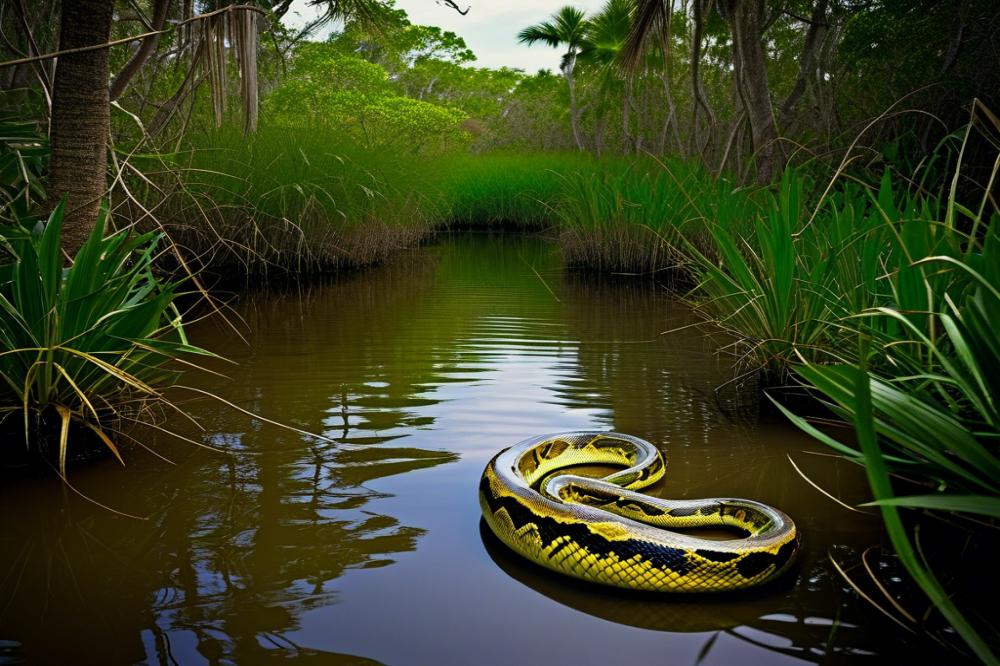
Some cities are becoming hotspots for feral snake populations. For instance, a case study in Miami reveals how these snakes blend into the local ecosystem. The city’s climate allows them to remain active year-round. These conditions make it easier for escaped or abandoned snakes to establish themselves and reproduce.
Another example can be found in Los Angeles, where neighborhood parks and garden areas support diverse wildlife. Many residents may not even realize that they share their backyards with snakes, as these reptiles often remain hidden. Local food sources such as small mammals and birds help sustain their populations. Thus, they create a stable presence amid urban life.
Climate adaptability is crucial for these exotic pets. Some snake species can tolerate a range of temperatures, allowing them to survive in different climates. This flexibility helps them occupy new territories, even when conditions change drastically. Moreover, suburban areas often offer garden sheds, woodpiles, and other structures that provide shelter and protection.
Environmental concerns arise when we examine the impact of these snakes on local ecosystems. Their introduction can disrupt native species and alter existing food chains. As snake populations grow, biodiversity in affected areas may diminish. Local wildlife officials often worry about the long-term effects of introducing non-native reptiles.
Pet abandonment has played a part in this situation. Many snake owners may underestimate the commitment required to care for an exotic pet. When they lose interest or find it too demanding, some abandon their reptiles. This behavior contributes to the growing numbers of unwanted snakes in urban settings.
Reptile rescue organizations work tirelessly to address these issues. They aim to rehabilitate and rehome unwanted snakes while educating the public about responsible pet ownership. Still, the challenge continues as cities expand and human activity encroaches on natural habitats.
Living close to humans allows these snakes to adapt and thrive. Their ability to find food, shelter, and reproduce is evident in various communities. Observing how they navigate urban landscapes raises questions about their role in our ecosystems. The balance between human development and wildlife conservation remains delicate.
Impact on Native Ecosystems
Introducing unwanted pet snakes into new environments can have serious consequences. These reptiles often compete directly with local wildlife for food and shelter. As a result, they can disrupt established food chains. An imbalance occurs when native species are unable to survive alongside invasive snake populations.
Urban wildlife is particularly vulnerable. Some snakes thrive in cities where they find ample food sources, like rodents. This adaptability allows them to spread quickly. Local animals such as birds and small mammals suffer as they lose their prey. For example, in Florida, the Burmese python has become notorious for its impact on native species, leading to significant declines in populations of raccoons, opossums, and even deer.
Environmental concerns grow when non-native snakes become established in natural areas. In Hawaii, the introduction of certain snakes has led to painful declines in native bird populations. Nesting birds are often consumed by these predators, which were never part of the ecosystem. Biodiversity is at risk when these non-native species take over habitats.
Pet abandonment also contributes to the problem. When people can no longer care for their exotic pets, they often release them into the wild. This practice allows these snakes to become feral, adding to existing populations. These abandoned pets can breed, creating larger communities that threaten native species.
Some regions are facing critical challenges due to this issue. In Australia, certain non-native snake populations have started to impact local ecosystems. Local reptiles and birds are struggling to adapt to the new predation pressure. Moreover, the competition for resources like food and habitat creates a ripple effect. Such disruptions can endanger entire ecological balances.
Climate adaptability is another factor that plays a role in these invasions. Many snakes have the ability to survive in diverse conditions. This resilience can lead to an expansion of their range, making it harder for conservationists to manage populations. Without careful measures, protecting native wildlife from these invasive snakes becomes increasingly difficult.
Reptile Rescue Initiatives
Reptile rescue organizations play a crucial role in managing the issue of pet abandonment. These groups focus on capturing and rehabilitating snakes left behind by owners who can no longer care for them. Each rescued animal receives immediate attention to assess its health and needs. Some snakes require medical care, while others may need to learn how to live without human support.
After rehabilitation, the next step often involves rehoming. Many organizations work hard to find suitable people who can provide proper care. This helps reduce stress on local snake populations and limits ecological disruption. In many cases, dedicated volunteers assist in this process by fostering the snakes until they can find permanent homes.
Education emerges as a vital component of these rescue efforts. Many reptile rescue groups run workshops and outreach programs that aim to inform potential pet owners. Topics often include the responsibilities that come with owning exotic pets and the ecosystem impact these animals can have when released into the wild. Understanding biodiversity is key for communities that may not realize the potential consequences of pet abandonment.
Wildlife is part of a delicate balance in our ecosystems, and introducing unwanted pets can upset that balance. Snakes, when released, may thrive in urban wildlife areas due to climate adaptability. As a result, this can lead to increased snake populations and potential threats to indigenous species. Local wildlife can suffer, and the broader environment faces significant challenges.
Reptile rescue also emphasizes the emotional aspect of pet ownership. Many people adopt snakes without understanding their needs. Highlighting the long-term commitment required can prevent future abandonment. Organizations advocate for responsible pet ownership, encouraging potential owners to consider how their decisions affect the surrounding environment.
By raising awareness and addressing the root causes of pet abandonment, reptile rescue initiatives contribute to a more harmonious relationship between human and wildlife. With ongoing dedication, they are making strides to balance the needs of exotic pets and local ecosystems.
Global Perspectives on Exotic Pet Ownership
Countries around the world take various approaches to managing exotic pets. Some places have strict regulations, while others seem to have little control. This difference can significantly impact local wildlife and overall biodiversity.
In the United States, regulations regarding snakes vary widely from state to state. Some areas emphasize control measures for certain species that are seen as threats to local ecosystems. Pet abandonment often leads to these unwanted creatures escaping or being released into the wild. When they no longer receive care, they can become part of urban wildlife. Their survival skills and climate adaptability allow them to thrive in unexpected environments.
Conversely, countries like Australia enforce very rigorous laws. They recognize the potential damage that exotic pets can cause to native species. Wildlife conservation efforts prioritize preventing the introduction of non-native reptiles. Punishments for violations can be harsh, with hefty fines issued for unauthorized ownership. Their approach strives to protect unique ecosystems from the negative effects of invasive species.
In parts of South America, exotic pet ownership often goes unchecked. Regulations may not exist, or they are poorly enforced. As a result, snake populations can explode, putting immense pressure on local environments. Often, these snakes compete with native wildlife for food and resources. The absence of oversight raises many environmental concerns.
Europe presents a different scenario. Many countries have established specific policies to regulate reptile rescue organizations. These groups often work to rehabilitate pets that are no longer wanted. In some cases, countries like Germany require permits for ownership of exotic pets, ensuring a measure of control. They understand the risks involved in keeping these animals as pets and seek to limit unnecessary harm to native species.
Yet, within all of these regulations, there are success stories. In countries with proactive policies, authorities can significantly reduce the release of unwanted animals. Education campaigns help potential pet owners understand the long-term commitments involved. By raising awareness, communities can be more prepared to deal with the responsibilities of keeping exotic pets.
The intersection of pet ownership, environmental impact, and laws reveals much about how societies view nature. Different cultures exhibit varied attitudes towards wildlife. These diverse perspectives shape the effectiveness of policies aimed at managing snake populations and protecting biodiversity throughout the world.
Final Thoughts
Awareness of the challenges posed by feral snake populations is crucial. A deeper understanding of why these unwanted pet snakes are flourishing can help communities tackle the problem. Many pet owners do not realize the long-term consequences of releasing their reptiles into the wild. This lack of awareness leads to significant ecological shifts and threatens local wildlife.
Proactive measures are essential to prevent further establishment of these populations. Education about responsible pet ownership can reduce the instances of abandonment. Taking responsibility for these creatures could lead to better outcomes for both pets and ecosystems alike.
Supporting local reptile rescue organizations can make a big difference. These groups work tirelessly to find homes for snakes that can no longer be cared for. Their efforts help minimize the risks posed by feral populations.
Encouraging responsible behavior among pet owners will go a long way. By being informed and taking action, we can help protect biodiversity and maintain balance within our ecosystems. The rise of unwanted snakes is a reminder that every creature plays a role in our natural world, and it’s our job to safeguard that balance.