Introduction
Invasive species pose a significant challenge to ecosystems around the globe. They can disrupt local habitats, outcompete native species, and lead to major ecological shifts. Many regions are grappling with the effects of these unwanted organisms, often with devastating consequences. Among these threats, the Burmese python stands out in Florida.
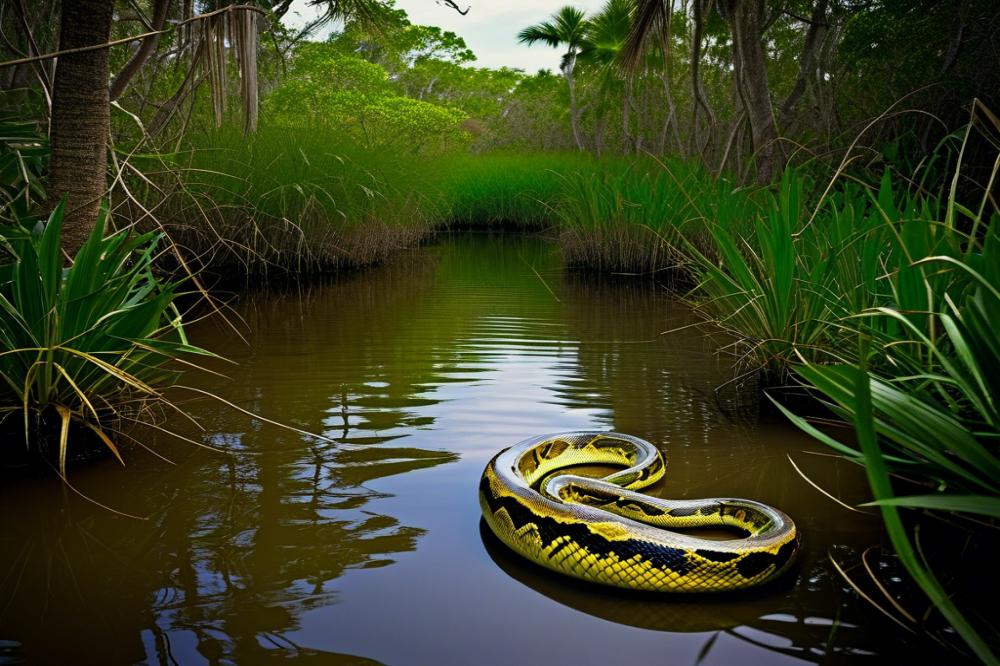
This snake species has taken a foothold in the Everglades since its introduction in the 1980s. Originally held as exotic pets, many were released or escaped, leading to a wild population explosion. As they adapted to their new surroundings, a new threat emerged for the native wildlife. These pythons are now a major component of the ecosystem but not one with a positive impact.
Burmese pythons bring about severe ecological changes. They compete with native predators for food and can consume large prey. This rivalry can lead to biodiversity loss, as these pythons devour small mammals, birds, and even alligators. The decline of these species not only alters population dynamics but can also contribute to potential species extinction across the region.
As they continue to spread, habitat disruption has become a pressing concern. Their presence in the Florida Ecosystem creates challenges for wildlife management and conservation efforts. Finding effective strategies to deal with these Invasive Pythons is crucial for preserving the balance of this unique environment. The stakes are high as Florida aims to maintain its rich biodiversity while combating the threats posed by these non-native serpents.
The Arrival of Invasive Pythons in Florida

History of Burmese pythons in Florida
Burmese pythons first appeared in Florida during the 1980s. They were brought in as exotic pets. Over time, some owners released them into the wild. This act unknowingly set off a chain reaction in the ecosystem. The Everglades provided a perfect environment for these giant snakes. Warm weather and plenty of cover allowed them to thrive. Their population grew quickly, leading to concerns about local wildlife.
Factors Contributing to Their Establishment in the Everglades
Multiple factors contributed to the success of these pythons. The richness of the Everglades ecosystem made it appealing. A wide variety of habitats supported their needs for nesting and hunting. Additionally, few natural predators in Florida kept their numbers in check. Other challenges, like habitat loss from development, further weakened the defenses of native wildlife. This situation created an imbalance that helped these snakes flourish.
Impact of the Pet Trade on the Population Explosion
The pet trade played a significant role in the explosion of the python population. Many people bought young Burmese pythons, drawn in by their beauty and size. Some owners failed to realize how large these snakes could grow. As they became too much to handle, many were discarded. Uncontrolled breeding also led to more reptiles escaping captivity. Wildlife management now faces the difficult task of controlling their spread. Conservation efforts focus on restoring the region’s biodiversity. Without action, the threat of species extinction looms over many native animals. Competition from these invasive predators disrupts the natural balance, making recovery even harder.
Ecological Impact of Invasive Pythons

The introduction of Burmese pythons into Florida has significantly changed its ecosystems. Native wildlife faces severe challenges due to these predators. Many species now struggle to survive in their own environment. In the Everglades, the balance has shifted dramatically.
Competition with native predators is fierce. The pythons often outcompete local species for food. This can lead to a decrease in populations of smaller animals like raccoons and rabbits. Birds are also affected, as pythons can consume entire nests.
This altered competition has serious repercussions for biodiversity loss. As certain species dwindle, others may decline due to a lack of food or changes in their habitat. Species extinction is a real threat in this fragile ecosystem. Conservation efforts are underway, but they face significant hurdles.
Habitat disruption is another critical issue. Pythons not only compete for prey but also change the living conditions for other animals. The hunting patterns of these snakes can disturb local habitats. This compounding effect creates a ripple throughout the food chain, causing further imbalance.
Wildlife management strategies must adapt to these challenges. Understanding the ecological impact of the pythons is vital. Without intervention, many native species risk vanishing from the Everglades. Engaging local communities in conservation efforts can help raise awareness about these pressing issues.
Case Studies of Species Affected
Burmese pythons are heavily altering Florida’s delicate ecosystems. Their presence in the Everglades has been alarming. Numerous native wildlife species face significant threats from these massive snakes.
Small mammals are particularly at risk. Animals like raccoons, wood rats, and rabbits now struggle for survival. Studies show that populations of certain mammals have dropped dramatically since the pythons appeared. For instance, raccoon numbers have declined by more than 99 percent in some areas.
Birds also suffer as pythons consume their young. Nesting birds like herons and ibis find it hard to raise their chicks. In some habitats, the loss of these birds can lead to further biodiversity loss. Their absence disrupts the food web, impacting other species that rely on them.
Reptiles, too, are not safe. Species such as the American alligator and native snakes face immense competition. This predator competition from Burmese pythons lowers their chances of survival. Additionally, the sudden decline of certain reptiles may have unforeseen effects on ecosystems. It can result in unchecked populations of some prey species.
Documented cases of species extinction link back to the invasive snakes. For example, local amphibious creatures have vanished from certain locations. Conservation efforts struggle in the face of such threats. Without proper wildlife management, more species could potentially face extinction.
Habitat disruption and changing dynamics in the food chain create an uncertain future. Ecosystems once vibrant with life now find themselves under extreme stress. Each passing year marks a new chapter of ecological impact, so the situation remains dire.
Conservation Efforts and Wildlife Management
Overview of Current Management Strategies Against Invasive Pythons
In Florida, managing the Burmese pythons has become a critical task. Various strategies are in place to control their numbers. Trapping is one method used by wildlife officials. This involves setting traps in areas where pythons are often spotted. Hunters are also encouraged to participate in these efforts. Specific hunting events are organized to attract more people. These initiatives aim to reduce the python population in key territories, notably the Everglades.
Role of Local and State Agencies in Controlling Populations
Local and state agencies play a vital role in these conservation efforts. The Florida Fish and Wildlife Conservation Commission (FWC) leads many of the initiatives. They not only offer training for hunters but also provide information about the ecological impact of pythons. Coordination with local universities and research institutions helps improve management strategies. Agencies work with scientists to study the effects of these snakes on native wildlife. Understanding predator competition is essential to protect Florida’s biodiversity.
Community Involvement and Public Awareness Initiatives
Community involvement has increased in recent years. Local residents are becoming aware of the issues caused by pythons. Many attend workshops to learn how to identify these snakes. Public awareness campaigns focus on the importance of biodiversity loss. People are encouraged to report sightings, contributing to a collective response against these invaders. Social media has also become a tool for spreading information. Engaging the public helps build a network of vigilance. Through these efforts, habitat disruption can be monitored more closely. Together, everyone can help combat the risk of further species extinction.
Challenges and Ongoing Issues
Future Threats Posed by Invasive Pythons
The presence of Burmese pythons threatens Florida’s delicate ecosystem. Their rapid reproduction rates contribute significantly to the problem. Large females can lay over a hundred eggs at once. As these snakes expand their range, native wildlife faces increasing dangers. Species extinction is a real concern, especially for small mammals and birds. These pythons are not just a problem for one area. They affect the entire Everglades region and the intricate web of life within it.
Challenges in Eradication and Control Measures
Controlling the population of these snakes is no easy task. The vast and often swampy terrain of the Everglades makes tracking and capturing them difficult. Traditional hunting methods have shown limited success. Many of the snakes are stealthy and can blend into their surroundings. Additionally, people may not report sightings, fearing embarrassment or misunderstanding the danger. These traits make it hard for wildlife management agencies to combat the issue effectively. Harmful ecological impact happens as competition between predators intensifies.
Potential Solutions and Importance of Continued Research
Finding effective solutions requires more than just quick fixes. Ongoing research is vital to understand their habits and reproductive patterns. Scientists are exploring innovative techniques, including using technology like tracking devices. Communicating with local communities can raise awareness and mobilize conservation efforts. Public participation could also lead to successful capture programs. Restoring habitats may help native species recover and regain a foothold in the affected regions. Collaboration between agencies and residents is essential for long-term success. Solutions must be sustainable to truly protect Florida’s biodiversity from future threats.
Final Thoughts
Summary of the Transformational Impact
Burmese pythons have changed Florida’s ecosystem in profound ways. They disrupt the balance by preying on native wildlife, leading to significant declines in certain animal populations. Species that once thrived are struggling to survive. Moments of silence in the swamps replaced the vibrant sounds of nature. This shift proves just how interconnected all living things are. Each species plays a role, and when one falters, the entire system feels the effects.
Call to Action for Conservation and Management Efforts
Confronting the challenge posed by these snakes requires collective action. Local governments, conservation groups, and citizens must work together. Programs for trapping and managing these pythons are already underway. However, more resources and community involvement are crucial for successful management. Every individual can contribute by reporting sightings and participating in local cleanup events. Engaging in public awareness campaigns will help educate more people about the issues at stake. Collaborative efforts can make a real difference.
The Importance of Preserving Florida’s Delicate Ecosystem
Protecting Florida’s environment is vital, not just for its beauty but for its biodiversity. A balanced ecosystem is a healthy ecosystem. It offers a home for countless species, many of which cannot be found anywhere else. By preserving the natural order, we can help maintain the ecological impact of the state. Fostering a sense of stewardship within the community will encourage ongoing protection efforts. Together, we can secure a future where both the native wildlife and Florida’s unique ecosystems can thrive.