Overview of the Issue with escaped exotic snakes in Europe
In recent years, Europe has faced a growing problem involving escaped exotic snakes. These creatures, often bred in captivity, can disrupt the delicate balance of local ecosystems. As they adapt to their new environments, they pose significant challenges to native species. The emergence of these non-native reptiles complicates the already complex relationship between nature and human activities.
Addressing the rise of invasive species is crucial for several reasons. First, it affects biodiversity, which is vital for healthy ecosystems. Exotic snakes can outcompete local wildlife for food and resources. This competition can lead to declines in native populations, threatening the very fabric of European wildlife. Understanding these dynamics is essential for both conservation efforts and community health.
Public safety is another key concern. Large snakes can pose risks to pets and even humans. Reports of snake sightings in urban areas spread fear among residents. Managing these populations requires effective snake control strategies to prevent dangerous encounters. Wildlife monitoring initiatives can help track these reptiles and inform local authorities about their movements.
The ecological impact of these snakes is far-reaching. Their presence can lead to habitat disruption, further complicating conservation efforts. As experts struggle to manage these unexpected invaders, the need for strong management strategies becomes clear. Communities must raise reptile awareness to promote responsible pet ownership and prevent future escapes. A cooperative approach will be essential in safeguarding both nature and people.
Escaped Exotic Snakes: The invasive species Challenge

Definition and Characteristics of Escaped Exotic Snakes
Escaped exotic snakes are reptiles that have originated from outside their natural habitats and have made their way into environments where they don’t belong. These species often thrive in new locations due to the absence of natural predators and optimal living conditions. Many of these snakes are quite adaptable, showing remarkable resilience to various climates. They can grow rapidly and reproduce quickly, leading to significant populations in an area. This adaptability often poses a serious threat to local ecosystems.
Examples of Notable Species Affecting Europe
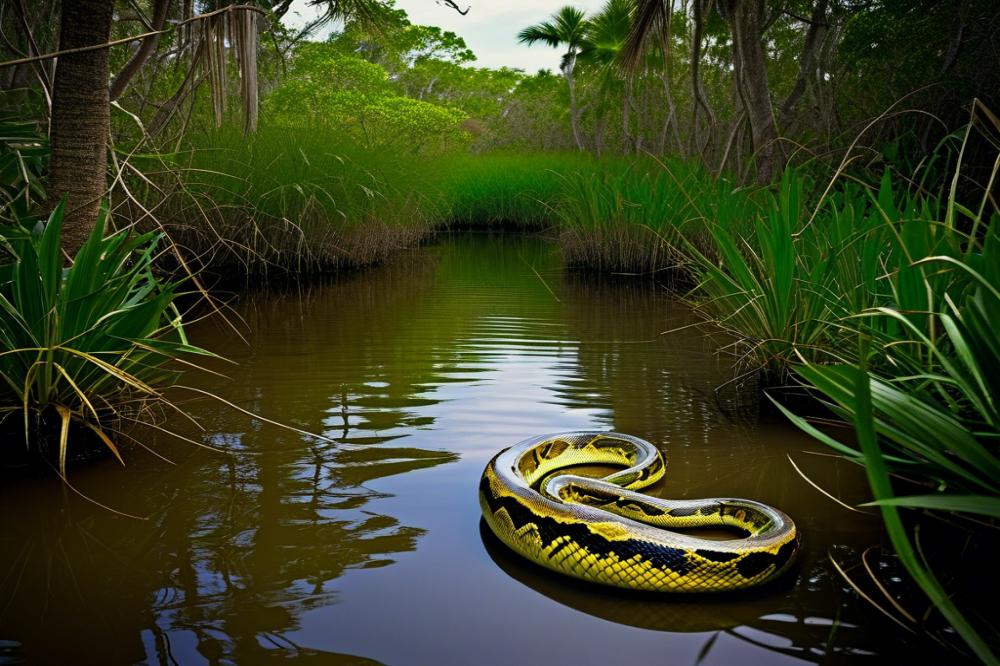
Several snake species have gained notoriety in Europe. The Burmese python serves as a prime example. Originally from Southeast Asia, it has established populations in southern regions, particularly in the wilds of Florida, but sightings have occurred in Europe. Another troubling species is the red-eared slider, which is not a true snake, yet its invasive presence disrupts local reptile populations. These examples illustrate the broader issue of non-native species impacting biodiversity across the continent.
Understanding the Pathways of Introduction and Establishment
Many factors contribute to the introduction of these snakes. They often escape from captivity, whether from homes or pet stores. Some may be released intentionally by owners who can no longer care for them. Wildlife monitoring efforts attempt to track such movements, but success varies. Additionally, trade and illegal smuggling significantly contribute to the problem. Once released, these creatures can establish themselves quickly, leading to habitat disruption. Addressing these challenges requires robust snake control tactics and comprehensive management strategies. By increasing reptile awareness among the public, conservation efforts can become more effective. Engaging communities in recognizing the dangers posed by these invasive species is crucial for protecting native wildlife and ensuring public safety.
Ecological Impact of Exotic Snakes

The arrival of exotic snakes in Europe poses serious risks to native wildlife. These invasive species can disrupt local ecosystems and drastically change habitats. Native snakes, already vulnerable, face increased competition for resources. As these newcomers establish themselves, native populations often decline. This leads to reduced biodiversity, which can harm entire ecosystems.
Local fauna and flora suffer when exotic snakes invade. Habitat disruption occurs on a significant scale. The introduction of these reptiles can change food chains and predator-prey relationships. For example, smaller animals like rodents may decrease as their natural predators become overmatched. Conversely, some native snakes may find their food sources diminished, forcing them to adapt or perish.
Management strategies are essential in combating these trends. Effective snake control methods can aid conservation efforts. Organizations focus on wildlife monitoring to track these species’ movements and populations. Increased reptile awareness can help the public understand the risks involved. Communities can take action by reporting sightings of escaped snakes, which can minimize their impact on local ecosystems.
Public safety must also be a priority. Invasive snakes, especially large constrictors, can be dangerous to pets and even small children. Severing their foothold in the wild isn’t just about protecting native species; it’s about keeping communities safe. Engaging local residents in discussions about these threats fosters a cooperative approach to wildlife management.
Addressing the ecological impact of escaped snakes requires a multifaceted approach. Educating the public can lead to better practices in snake ownership. By sharing knowledge about these creatures, society can reduce the number of future escapes. Collaboration among various stakeholders is crucial to protecting biodiversity and mitigating habitat disruption.
Public Safety Concerns
Risks arise when exotic snakes find their way into local environments. Encounters with these reptiles can pose serious threats to humans and pets. Many people fear the presence of these creatures due to their potential danger. Bites from venomous snakes can lead to severe injuries or even death. Additionally, pets may suffer attacks, leading to distress for both animals and their owners.
Reports of snake encounters have increased in some areas. Residents often share stories of finding these animals in their gardens or backyards. Such incidents can create panic among neighbors. Worries about the ecological impact of these reptiles often amplify risk perceptions. Local communities face difficult choices on how to respond safely when snakes are spotted.
Community perceptions of snakes vary widely. Some people express fascination with these creatures, while others recoil in fear. Awareness campaigns aim to educate the public about reptiles and their habits. Understanding the characteristics of invasive species is key to effective snake control. Engagement with local wildlife monitoring programs can also help ease concerns.
Habitat disruption caused by the introduction of these snakes can lead to unpredictable results. Biodiversity suffers when native species are threatened by non-native predators. In many regions, conservation efforts are already strained; the introduction of exotic snakes complicates the problem further. Management strategies must balance human safety with environmental health. Engaging local experts is crucial in devising these strategies.
Fears and perceptions about these snakes often lead to a call for action. Communities may demand government intervention to assess risks. Events like public forums can allow citizens to voice their concerns. As conversations about public safety continue, understanding the role of these snakes in the ecosystem remains essential. Active public involvement will contribute to more effective responses.
Management Strategies and Snake Control
Current management strategies aim to tackle the issue of exotic snakes in the wild. Authorities employ various techniques to control these invasive species. The most common methods include trapping and public awareness campaigns. Local governments often collaborate with wildlife experts to develop effective plans. Such combined efforts strive to minimize harm to both public safety and biodiversity.
The Role of Wildlife Monitoring Programs
Wildlife monitoring plays a critical role in understanding the impact of these reptiles. Regular surveys help track snake populations and their movements. This data guides management efforts and provides insight into ecological impact. Understanding their habits, in turn, aids in preventing further habitat disruption. Accurate monitoring can also alert communities to potential threats posed by escaped snakes.
Collaboration with Local Communities and Stakeholders
Engaging local communities proves vital in snake control initiatives. Many residents become active participants in conservation efforts. Educational programs increase reptile awareness, informing the public about risks and proper responses. Partnerships with landowners and organizations boost resources available for managing this issue. The collective action of the community fosters a sense of responsibility for protecting local ecosystems.
Conservation Efforts and Reptile Awareness
Conservation Organizations Addressing the Issue
Various conservation organizations work tirelessly to tackle the problem of invasive species. Their efforts often include snake control and the restoration of local ecosystems. These groups focus on educating the public about the risks posed by exotic snakes that escape into the wild. Engaging community members is crucial. They help in monitoring wildlife and assessing the ecological impact of non-native reptiles. By gathering data and conducting research, these organizations help formulate effective management strategies. Active participation from local citizens can lead to better outcomes for biodiversity.
Public Education on Native vs. Non-Native Species
Education plays a vital role in combating the spread of exotic snakes. Schools and workshops often host sessions about the differences between native and non-native species. Understanding these differences is key to recognizing the potential dangers that invasive reptiles present. Increased reptile awareness promotes an appreciation for local wildlife. With this knowledge, people can make more informed decisions that protect their environment. Regular campaigns remind communities about respecting natural habitats. Local wildlife is at risk when escaped snakes are released or thrive in new habitats.
Promoting Responsible Pet Ownership to Prevent Escapes
Responsible pet ownership is essential in preventing future incidents. Reptile enthusiasts are encouraged to choose suitable species that do not pose a threat to local ecosystems. Proper enclosures can help keep snakes securely contained. Owners must also be educated on the commitment involved in caring for exotic pets. Often, lack of knowledge leads to habitats being disrupted when snakes escape. Encouraging responsible choices influences both public safety and animal welfare. Ultimately, these efforts contribute to a healthier balance between humans and wildlife. Community workshops focus on practical tips for owners to safeguard their pets. By instilling good habits, the risk of future escapades diminishes significantly.
Future Directions and Challenges
The ongoing challenge regarding exotic snakes in the wild highlights the need for effective management strategies. As these reptiles integrate into local ecosystems, they threaten biodiversity. They can disrupt habitats that native species rely on. Consequently, understanding their ecological impact is critical for conservation efforts.
Potential Policy Changes and Regulatory Measures
Authorities across Europe are considering stricter regulations on pet ownership. Plans may include mandatory permits for owning certain reptiles. Cooperation between countries may help standardize laws. Additionally, addressing the trade of these non-native species is essential. New policies should discourage improper releases into the wild. Implementing snake control initiatives can also be part of broader ecological strategies.
Importance of Continued Research and Public Engagement
Ongoing research is vital to grasp how escaped exotic snakes affect local wildlife. Wildlife monitoring programs can provide insight into population dynamics. Public safety remains a significant concern, especially in urban areas. Engaging communities through reptile awareness campaigns is crucial. Education can lead to responsible pet ownership. This effort may reduce the chances of future escapes and unwanted releases.
Collaboration between researchers, policymakers, and the community will shape future actions. Without collective efforts, invasive species will continue to pose threats to natural ecosystems. As scientists work to gather data, the public must remain involved. Both awareness and stewardship are necessary for protecting vulnerable habitats and species.
Final Thoughts on Snakes in the Wild
Addressing the issue of escaped exotic snakes is crucial for the future of European ecosystems. These snakes can become invasive species, disrupting the natural balance and threatening native wildlife. The implications extend beyond environmental damage; they also affect local economies and public safety. When non-native snakes flourish in the wild, they can outcompete local species for resources. This can lead to the decline of native animals, altering entire habitats in the process.
Conservation efforts are needed now more than ever. Individuals can play a significant role in mitigating this problem. Simple actions, like reporting sightings of unusual snakes or promoting awareness, can contribute to effective snake control measures. Educating others about the risks posed by these animals can create a ripple effect. A community that is alert and informed can help protect local biodiversity.
Maintaining biodiversity is essential not only for wildlife but also for human well-being. Healthy ecosystems provide services like clean air, water, and natural beauty that enhance quality of life. Diverse habitats contribute to the resilience of our environment against changes and threats. Europe is rich in its animal and plant life, and every effort must be made to safeguard it.
It’s time for everyone to get involved. Whether through supporting local conservation organizations or participating in citizen science projects, every contribution counts. Together, we can create a united front against the challenges posed by exotic snakes on the loose. Let’s act now to protect the rich biodiversity that makes Europe truly special.