Introduction
feral snakes have become a pressing issue in many parts of the world. They invade new territories and disrupt local ecosystems. This phenomenon raises important questions about the balance of wildlife in varied environments. Urban areas and forests are both affected by this change. It is crucial to understand how these non-native species fit into the broader picture of biodiversity.
In Thailand, the situation is particularly noteworthy. The country’s rich ecosystems are home to many unique species. Yet, the arrival of certain snake species can threaten this delicate balance. Researchers and conservationists are emphasizing the need to study these invaders closely. Knowing their habits and impacts can help protect native wildlife.
The ecological impact of feral snakes can be significant. Predation on local species leads to a decline in native populations. This not only affects biodiversity but also creates new challenges for ecosystems. Human-wildlife conflict may rise when snakes move into urban areas. As people and wildlife interact more frequently, understanding this dynamic becomes important for everyone’s safety. Effective conservation efforts must be informed by this knowledge.
Feral Snakes in Thailand: An Overview

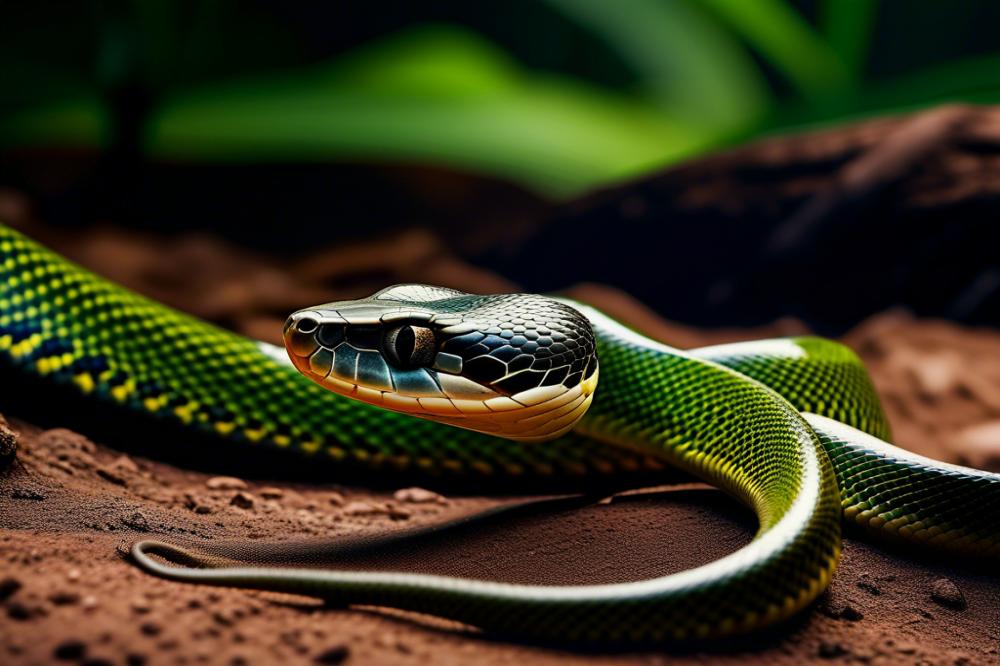
Feral snakes are non-native species that have established themselves in various habitats outside of their original range. They often thrive where they find suitable conditions, which can lead to significant ecological changes. These snakes usually possess adaptable traits that allow them to survive in diverse environments. Their presence can disrupt local wildlife populations, affecting biodiversity and altering existing ecosystems.
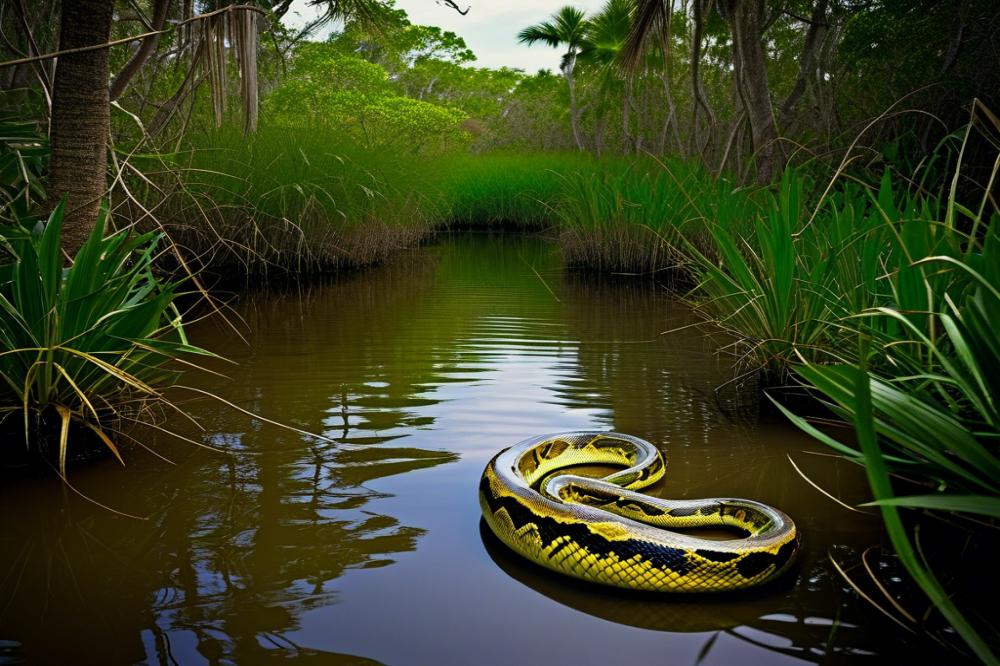
In Thailand, several common snake species are not originally from the region. The Burmese python tops the list. This large constrictor can grow to impressive lengths and is known for preying on a variety of animals. Other notable species include the reticulated python and the corn snake. Each of these species poses different challenges to native wildlife and habitats.
The distribution of these snakes spans both forests and urban areas. In the thick forests of Thailand, pythons and other non-native snakes find excellent conditions for hunting and breeding. Urban environments present a different challenge. Here, they often confront humans and domestic animals, leading to increased human-wildlife conflict. Urbanization has enabled these snakes to adapt, exploiting new food sources in cities.
Understanding their ecological impact is crucial. Non-native snakes often compete with local species for resources, sometimes leading to declines in native populations. Wildlife managers and conservationists are concerned about these changes. Protecting Thailand’s rich biodiversity requires action from local communities and authorities alike. Addressing this invasion calls for awareness and education about the challenges posed by these snake species.
The invasion: Pathways and Causes

Exotic Pet Trade and Its Role in the Invasion
The exotic pet trade significantly contributes to the invasion of wild snakes in Thailand. Many are drawn to the allure of owning unique snake species. When these pets become too large or demanding, some owners make the drastic decision to release them. This act often leads to unchecked populations. As a result, these snakes adapt to local environments in both forests and urban areas. The consequences are alarming. Various ecosystems struggle under the pressure of newcomers. Wildlife that has called these habitats home for ages faces threats from unfamiliar predators.
Habitat Destruction and Environmental Changes
Habitat loss is another key factor driving this invasion. Rapid urbanization transforms forests into concrete jungles. This loss reduces the natural spaces that wildlife needs. In turn, native species can suffer from food shortages. Altered environmental conditions may also favor the surviving snake species. Expansion of agriculture further complicates the situation. Agricultural chemicals can disrupt natural balances, allowing feral snakes to thrive and spread. Such developments reduce biodiversity. Unwanted consequences ripple through ecosystems, highlighting the delicate interrelationships among various forms of life.
Intentional and Unintentional Releases by Humans
Intentional releases are not the only concern. Many accidental releases occur during transportation or as a result of negligence. Some people might think a snake will have a better chance of survival in the wild rather than being in captivity. This belief, however, overlooks significant risks. Human-wildlife conflict escalates as these snakes establish populations. Communities may face threats, including property damage and safety concerns. Each release adds to the growing problem. The balance of local wildlife is disrupted, often leading to long-term ecological impact.
Ecological Impact of Feral Snakes
The invasion of feral snake species has raised significant concerns about their impact on local wildlife. These reptiles, often thriving in both forests and urban areas, disrupt the balance of ecosystems. Many native animals find themselves facing new competitors for food and resources.
Predation plays a crucial role in this ecological shift. Snakes can target birds, small mammals, and even other reptiles. Such predation may lead to declines in local populations. Many species that once thrived in these habitats now struggle to survive. This situation is especially troubling for already endangered species.
Competition with native wildlife is another significant effect of the invasion. The presence of non-native snake species can lead to changes in prey dynamics. Some native species may not be equipped to handle the new threats posed by these invaders. Their survival becomes increasingly precarious as resources become scarce.
Changes to habitat dynamics are also evident. The introduction of feral snakes can alter food webs. This shifting balance might contribute to a loss of biodiversity within affected environments. As the native species decline, the ecosystems that depend on them also suffer.
Conservation efforts now face new challenges. Protecting wildlife means understanding the role of these invaders. Strategies must be developed to manage the impact of feral snakes effectively. Local communities may also need support to cope with issues related to human-wildlife conflict, which can arise as these reptiles seek shelter and food near populated areas.
Human-Wildlife Conflict
Incidents and risks associated with feral snakes in urban areas
Human-wildlife conflict has become a pressing issue in Thailand as snakes wander into cities. These encounters often lead to fear among residents. When a snake is spotted, panic can ensue. People worry about potential bites, which can be harmful. Urban areas, with their dense populations, increase the risk of dangerous interactions. Instances of snakes coiling in gardens or slithering along sidewalks have been reported. In most cases, these creatures are merely searching for food or habitat. However, their presence in neighborhoods can ignite concern and disrupt everyday life.
Perception of snakes among local communities
Local communities often view snakes with suspicion. Many believe that all snake species are dangerous. Misinformation about venomous varieties adds to the fear. Snakes, however, play a vital role in maintaining ecological balance. They help control rodent populations, supporting local biodiversity. Educational programs could promote a better understanding of these creatures. If communities recognized their importance, perhaps fear might lessen. The challenge lies in changing deep-seated attitudes while addressing safety concerns.
Case studies of human-snake interactions
Several case studies highlight the complex relationship between people and snakes. In one urban area, a family discovered a python nestled in their garden. Initially frightened, they called wildlife experts who safely relocated it. This situation allowed the family to learn about the species’ role in their ecosystem. Another incident involved a school where a snake made its way into the playground. Rapid action by teachers prevented panic and ensured the safety of students. Such examples illustrate the need for proper response strategies. Conversations between wildlife officials and community members can lead to better outcomes. Understanding and respect may pave the way for coexistence in these invaded habitats.
Conservation Efforts and Strategies
Current conservation measures addressing feral snakes
In recent years, experts have recognized the need for effective measures to tackle the increasing presence of snakes in both forests and urban areas. Various organizations have initiated programs to monitor snake populations and their behaviors. These programs often focus on understanding how these reptiles adapt to different habitats, including urban settings. Habitat restoration is another key element. By preserving natural landscapes, it’s possible to promote biodiversity and support native wildlife.
Integrating public awareness and education campaigns
Raising awareness about the ecological impact of these snake species is crucial. Many people remain unaware of the importance of coexistence with local wildlife. Schools and community groups play a significant role in spreading knowledge about safety and conservation. Initiatives often include workshops, pamphlets, and social media campaigns. These efforts aim to reduce human-wildlife conflict, encouraging locals to respect snakes rather than view them as threats. Educational events serve to dispel myths and foster a greater appreciation for the role snakes play in the ecosystem.
Research initiatives for monitoring and management
Researchers are working tirelessly to gather data on snake movements and populations. Tracking technologies allow scientists to observe how these reptiles thrive in various environments. This research aids in developing management strategies that fit both conservation needs and human safety. Additionally, partnerships with local universities strengthen research efforts and enhance community engagement. By sharing findings, researchers hope to influence policies that protect habitats vital for wildlife. Collaborative projects can lead to better understanding and more informed responses to the ongoing invasion of feral snakes.
Final Thoughts on the Silent Invasion
The rise of these adaptable snakes in Thailand’s forests and urban areas brings both ecological and social challenges. Ecosystems are delicate, and an increase in predators can disrupt the balance. Native wildlife faces threats, and many species could struggle as a result. People living near affected habitats often experience fear and anxiety about potential encounters with these creatures. Understanding the impact of this invasion is vital for everyone’s safety and the health of natural environments.
Proactive conservation efforts must be prioritized. Protecting native species should be a main goal for environmental organizations and policymakers. Education can help communities respond effectively to these challenges. Awareness campaigns can prepare residents and guide policies to prevent further spread. Action must be taken before the situation escalates, leading to irreversible ecological damage.
Stakeholders, including government agencies and local communities, need to collaborate for meaningful change. Engaging the public in conservation initiatives can foster a sense of responsibility. Simple actions like reporting sightings can play a significant role in monitoring populations. Everyone has a part to play in addressing this situation. Together, there is hope to mitigate risks and protect Thailand’s rich biodiversity for future generations.