The Unchecked Spread of non-native cobras in India’s urban centers
Non-native species are a growing concern around the globe. They can disrupt local ecosystems, threaten biodiversity, and create significant challenges for wildlife management. In many regions, these invaders come without natural predators. As a result, they often multiply rapidly and change the environment in unexpected ways.
India has recently experienced a notable rise in the presence of non-native cobras. Originally found in other parts of the world, these snakes are now making their way into densely populated urban areas. This new snake invasion poses serious questions about public health and wildlife management strategies. Cities, often viewed as concrete jungles, are now seeing wildlife enter into their spaces.
The spread of these invasive species raises significant ecological impact issues. Communities must prepare for the consequences of such arrivals. Understanding how non-native cobras thrive in urban centers is vital. It empowers local authorities to address potential dangers, safeguard biodiversity, and aid in conservation efforts. By being informed, residents can play an active role in snake control and prevention measures. Knowledge is key to coexisting with urban wildlife effectively.
Understanding Non-Native Cobras

Non-native cobras are snake species not originally found in India. They often originate from other parts of Asia or Africa. Those species have made their way into urban centers through human activities. An increase in trade and pet ownership has facilitated their spread. Understanding these snakes is vital for managing the ongoing snake invasion in cities.
In India, there are several native cobra species, such as the Indian cobra and the king cobra. These snakes play important roles in their ecosystems. Native species have adapted to local environments over many years. In contrast, non-native varieties lack this long history. Their introduction can disrupt the natural balance.
Several characteristics contribute to the ability of these invaders to thrive. They often reproduce quickly and have fewer predators in urban areas. This survival strategy allows their populations to grow unchecked. Adaptability is another key trait; many can thrive in diverse environments. Their diet can include various rodents, contributing to their role in public health issues. Managing their populations becomes essential in protecting both biodiversity and human safety.
Wildlife management strategies must consider these factors. Conservation efforts should focus on preventing further introductions. Controlling snake populations can help reduce the ecological impact on native species. Community awareness and education are critical components of effective snake control. Engaging local people in monitoring and reporting sightings can be beneficial. As urban centers expand, so does the need for effective wildlife management.
The Rise of Non-Native Cobras in Urban Centers
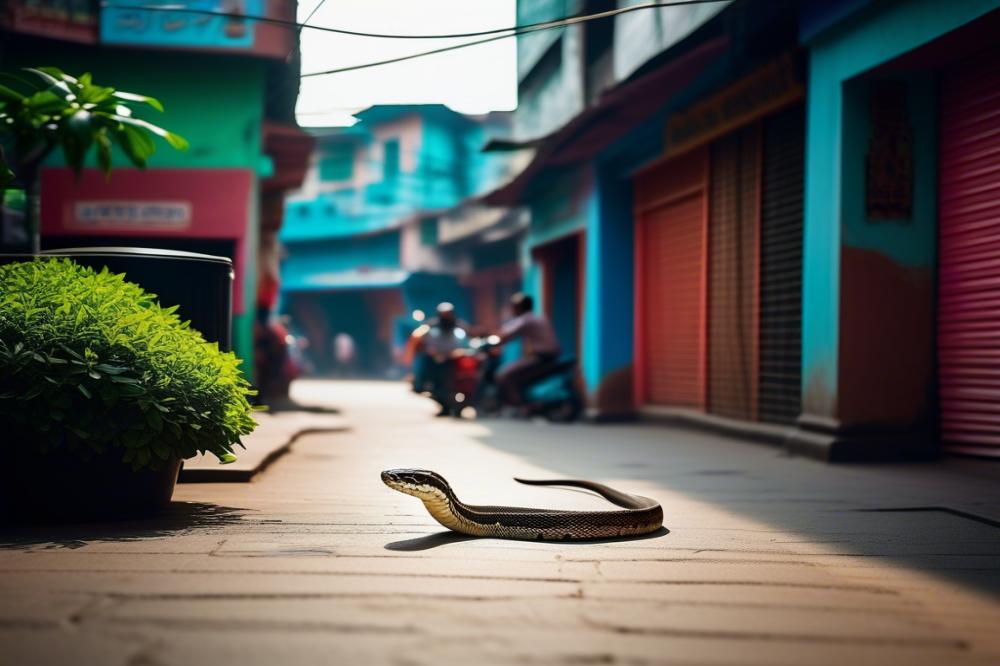
India has seen a long history of snake invasions. Urban centers have become unexpected hosts for these reptiles. Many factors have combined to enable this unsettling situation. This issue is not just about one species, but it highlights a larger problem with biodiversity and ecological balance.
Historical Context of Snake Invasions in India
Snake invasions are not recent. Traditionally, various species roamed freely across the Indian landscape. In past decades, environmental changes started to shift these patterns. Urbanization has contributed to significant habitat destruction. Dense cities have replaced large swathes of natural land, creating a fragmented environment. As a result, snakes are searching for new places to inhabit.
Factors Contributing to the Spread in Urban Areas
Several elements are driving the spread of these reptiles into city regions. Habitat destruction plays a substantial role. When forests and wetlands are destroyed, animals lose their homes. Cities often expand into these areas, pushing wildlife further away.
Climate change is another significant factor at play. Weather patterns have become unpredictable. Snakes may find urban areas more hospitable due to warmer temperatures or altered rain patterns. This shift affects their survival, making cities attractive options.
Human activities have also intensified the problem. Encroachment on natural habitats is a common occurrence. With the rise of construction projects, green spaces are sacrificed for new developments. This disruption forces many creatures, including snakes, into closer contact with people. Urban centers become breeding grounds for invasive species, worsening the issue of wildlife management.
The ecological impact is alarming. With more snakes in populated areas, public health risks may increase as well. The balance of the ecosystem is at stake. Conservation efforts are crucial in addressing this challenge and safeguarding native wildlife.
Effective snake control methods need to be considered. It is essential that communities become aware of their surroundings. Awareness of safety measures is paramount as these reptiles invade urban life. Understanding the complexities of this issue can help form a better response.
Biodiversity and Ecological Impact
Non-native cobras pose a serious threat to local biodiversity in India’s urban centers. Their presence disrupts the delicate balance of local ecosystems. Many native species are not adapted to compete with these invading snakes. This leads to a decline in certain wildlife populations, which can have ripple effects throughout the food chain.
Predation is one key factor. Cobras may prey on common rodents or birds that native snakes also hunt. When non-native species enter the scene, they can outcompete indigenous wildlife for these resources. It creates a scenario where the native species struggle to survive. Over time, this results in fewer animals in the ecosystem, reducing biodiversity significantly.
Urban centers are not just concrete jungles; they are habitats for diverse flora and fauna. Losing native species due to invasive snakes can alter the ecological dynamics entirely. Moreover, such an imbalance can lead to larger issues, including increased population of certain pests. In this way, the snake invasion complicates wildlife management efforts aimed at conservation.
The repercussions extend beyond biodiversity. Public health may also be at risk. Non-native cobras can potentially carry diseases that affect humans or pets. Additionally, they might provoke fear and panic among residents, leading to poorly thought-out snake control measures. Such actions could complicate efforts to manage local wildlife appropriately.
Community awareness is crucial in addressing the spread of invasive species. Education about the ecological impact of these snakes can help residents understand the importance of preserving native wildlife. Balancing human needs and ecological health requires a concerted effort from both local authorities and citizens.
Public Health Concerns
The spread of non-native cobras in urban centers of India raises significant public health issues. Increased snakebite incidents become a real fear for residents. Often, these snakes find their way into homes and public places, creating unexpected encounters. Urban environments, typically more crowded, can lead to a higher chance of such confrontations. Many people are unaware of the dangers posed by these snakes, resulting in delayed reactions during emergencies.
Health implications for local populations are worrisome. Victims of snakebites may suffer from severe pain, swelling, and even life-threatening conditions. Access to medical care can vary greatly in cities, leaving some with little hope after a bite. Furthermore, fear of snakes can lead to unnecessary panic. This anxiety often affects children, making them more vulnerable during outdoor activities. Public education on snake safety is crucial to mitigate risks and do away with misinformation.
Another concerning aspect is the role of these invaders in the spread of zoonotic diseases. Urbanization typically disrupts local biodiversity, leading to imbalances in the ecosystem. As wildlife management practices struggle to keep up, invasive species thrive, causing ecological impact. Non-native cobras may interact with native wildlife, potentially transmitting diseases to other animals and even humans. This interaction could increase the burden of zoonotic diseases, making it essential for communities to be vigilant.
Efforts in snake control and conservation must therefore adapt to these changing dynamics. Better management strategies are needed to keep urban areas safe while respecting wildlife. Understanding the implications of this snake invasion is vital for effective solutions. Community engagement can play a key role in fostering a safer environment for everyone. When public health and biodiversity intersect, proactive measures are essential to deal with the challenges ahead.
Wildlife Management and Conservation Strategies
Overview of current wildlife management practices
Wildlife management in India has been a long-standing effort to balance ecosystem health and human activity. Various organizations and governmental agencies are involved in monitoring species and their habitats. Strategies often include setting up protected areas and conducting regular population assessments. However, these efforts sometimes lack the resources to effectively manage all species, particularly in urban centers. Addressing the challenges presented by invasive species requires a targeted approach, and the mechanisms are still evolving.
Challenges in controlling non-native snake populations
The increasing number of snakes has led to significant ecological impact. In urban areas, these non-native reptiles can disrupt local wildlife. Moreover, their presence poses a threat to public health due to potential venomous bites. Efforts to control snake populations face obstacles, such as limited funding and lack of public support. Trapping and removal methods can be temporary solutions, but they often do not address the root cause of the invasion. The rapid adaptability of invasive species complicates long-term management strategies.
Importance of conservation efforts for native species
Protecting native species is critical for maintaining biodiversity. Unique ecosystems depend on the roles played by each species, including predators and prey. When invasive snakes establish themselves, they can displace native fauna and alter food webs. This disruption can lead to declines in important species over time. Conservation efforts thus are not just beneficial but essential for sustaining ecological balance.
Community engagement and public awareness initiatives
Engaging local communities is vital for effective wildlife management. Many people are unaware of the ecological risks posed by these invasive snakes. Education campaigns that highlight the importance of biodiversity can foster a culture of conservation. Workshops and information sessions provide practical advice on how to deal with snake encounters safely. By promoting awareness, communities can become active participants in wildlife management. This collaborative approach offers a better chance for long-term success in protecting native species and safeguarding public health.
Snake Control Measures and Policy Recommendations
Managing the snake invasion in India’s urban centers requires a strategic approach. Effective snake control strategies involve public awareness campaigns. Residents should learn about local wildlife and what to do when encountering a snake. Educational programs can promote understanding and help reduce panic. Training for emergency responders is also crucial. They must know how to handle snake situations safely and efficiently.
Legal and Policy Frameworks for Managing Invasive Species
India has a complex framework for managing invasive species. The Wildlife Protection Act of 1972 offers some protections for local wildlife. However, it lacks specific regulations aimed at invasive snakes. Policymakers need to analyze current laws and adapt them to address emerging threats. Collaboration with ecological experts can improve this framework. Laws should not only focus on removal but also on prevention. Regulations can include restrictions on the sale and ownership of non-native species. Engaging citizens will be key in creating a supportive environment for these measures.
Recommendations for Future Action to Mitigate the Issue
The focus should be on a multi-faceted strategy. To optimize wildlife management, communities need to work together with local governments. Regular surveys can help track the spread of these snakes. Tracking can inform management decisions and predict potential hotspots. Additionally, conservation efforts must prioritize protecting native species. Monitoring biodiversity is essential for understanding the ecological impact of the invasion. Public health concerns also play a vital role. Keeping urban areas safe from both snakes and the diseases they carry should be a priority. Increased funding is necessary for research on snake behavior and effective removal techniques. Partnerships with NGOs can amplify outreach efforts and provide resources.
Long-term planning will require sustained commitment. Politicians must be informed about the urgency of the problem. Public forums can allow citizens to voice their concerns and contribute to solutions. Local communities can organize clean-up efforts to reduce snake habitats. Genuine cooperation between different sectors is vital for lasting change. A comprehensive approach will tackle both immediate threats and future risks. This includes addressing environmental factors that contribute to the problem. The situation calls for a concerted and compassionate response.
Final Thoughts
Summary of Key Points Discussed
The rise of non-native cobras in India’s urban centers presents significant challenges. These snakes can disrupt local ecosystems and pose dangers to both residents and wildlife. People have reported increased sightings, indicating a growing problem that cannot be ignored. The consequences of their unchecked spread could lead to imbalances in local biodiversity. Urban environments require careful management to minimize risks associated with these reptiles.
Call to Action for Effective Management
Communities must take proactive steps to address this issue. Local governments and environmental groups should collaborate on control efforts. Educational campaigns can help raise awareness about the risks posed by these snakes. Residents should be encouraged to report sightings, allowing for prompt responses. Additionally, researchers need funding to study their impact comprehensively and develop effective management strategies.
Importance of Preserving Biodiversity in Urban Settings
Healthy ecosystems are crucial, even in bustling city areas. Biodiversity contributes to cleaner air, pollination of plants, and natural pest control. When non-native species invade, they threaten the survival of native species. Prioritizing the protection of indigenous wildlife fosters a balanced environment. Cities should embrace their role as stewards of nature, preserving habitats for all creatures that call these areas home. It is vital to act now for the future health of both urban spaces and the natural world within them.