Introduction
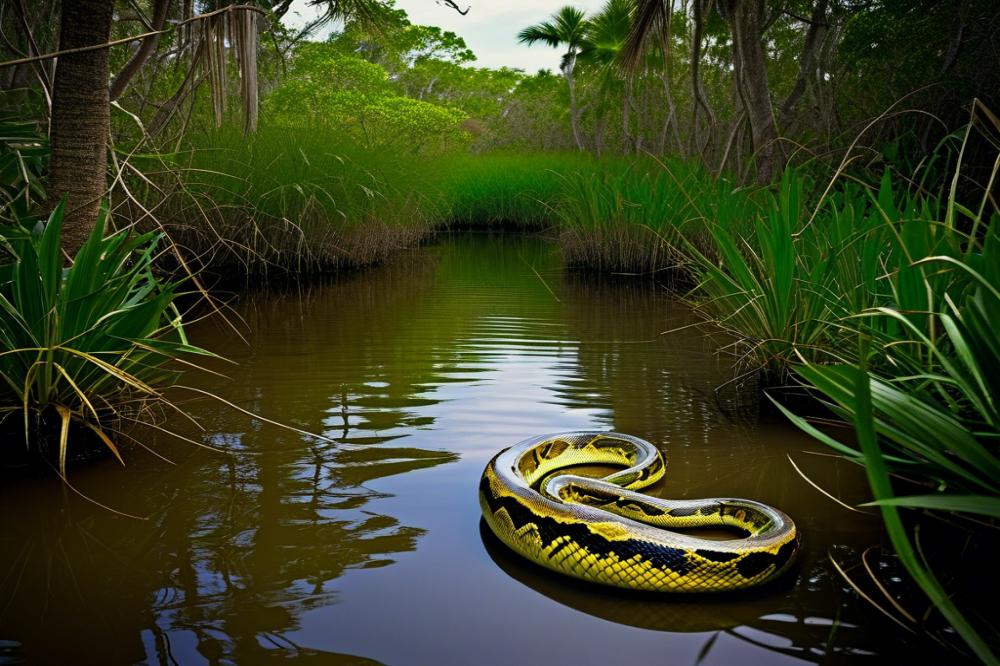
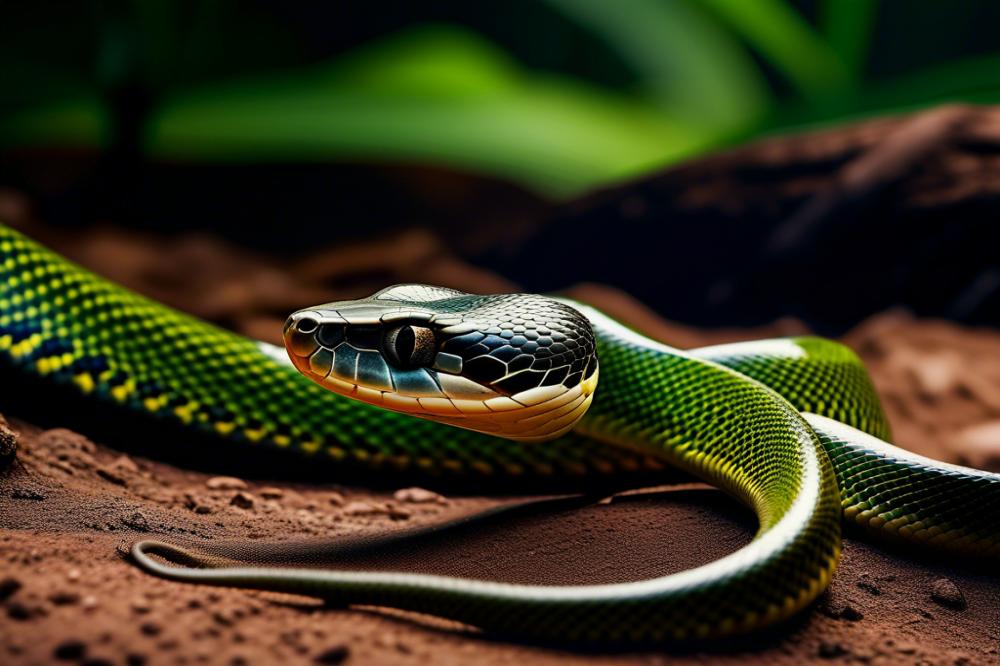
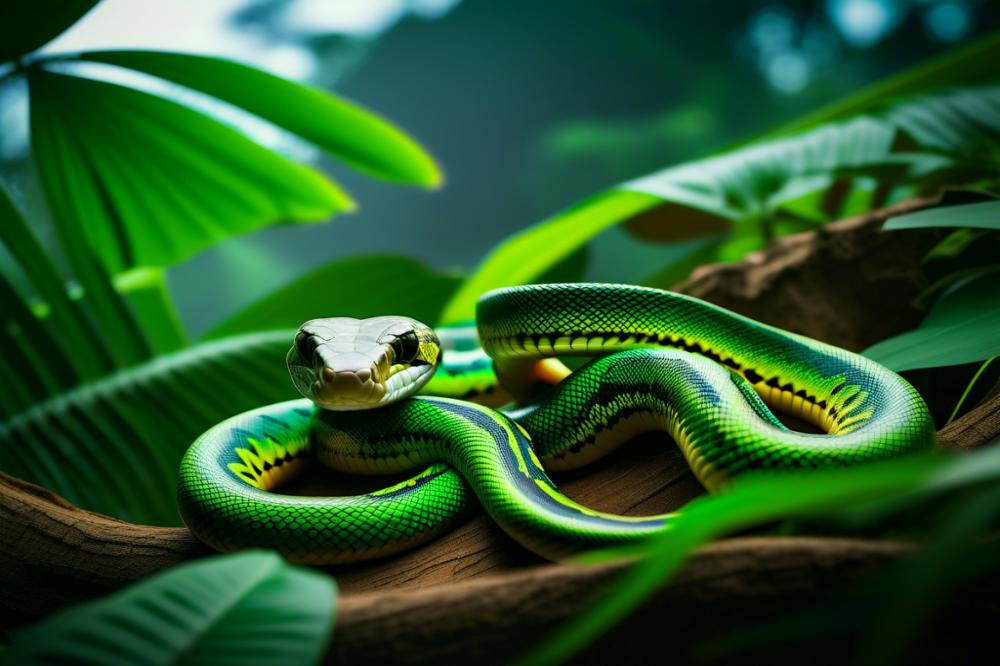
Boa Constrictors have gained popularity as pets in recent years. Their exotic appearance and relatively manageable size appeal to many reptile enthusiasts. However, what may start as a harmless hobby can lead to unintended consequences. When released or escaped, these non-native species can become invasive. They disrupt local ecosystems, posing significant threats to native wildlife. The rise of these snakes in the wild has sparked concern among conservationists and scientists alike.
Studying the impact of these predators on South American Habitats is crucial. invasive species like Boa Constrictors can cause serious ecosystem disruption. They compete with local species for resources and can even alter habitats. Such actions lead to a decline in biodiversity, which is essential for a balanced environment. Every organism plays a role in its ecosystem. When one species dominates, it can upset this balance.
Defining key terms helps clarify the issues at hand. An invasive species is a plant or animal that is introduced to an area where it does not belong. It can cause harm to the environment, economy, or human health. ecosystem disruption refers to significant changes in the natural order of an environment. Meanwhile, biodiversity loss is the decline in the variety of living organisms within a habitat. These definitions are vital as we explore the challenges posed by Boa Constrictors.
Understanding the wildlife impact of these reptiles is important. Their predation can lead to the decline of vulnerable species. This subsequently alters the dynamics within ecosystems, fueling further habitat alteration. As snake populations grow, it becomes essential to address their effects on native fauna. Efforts are underway to combat this issue, but effective conservation efforts require public awareness and action.
The Journey of Boa Constrictors from Pets to Predators
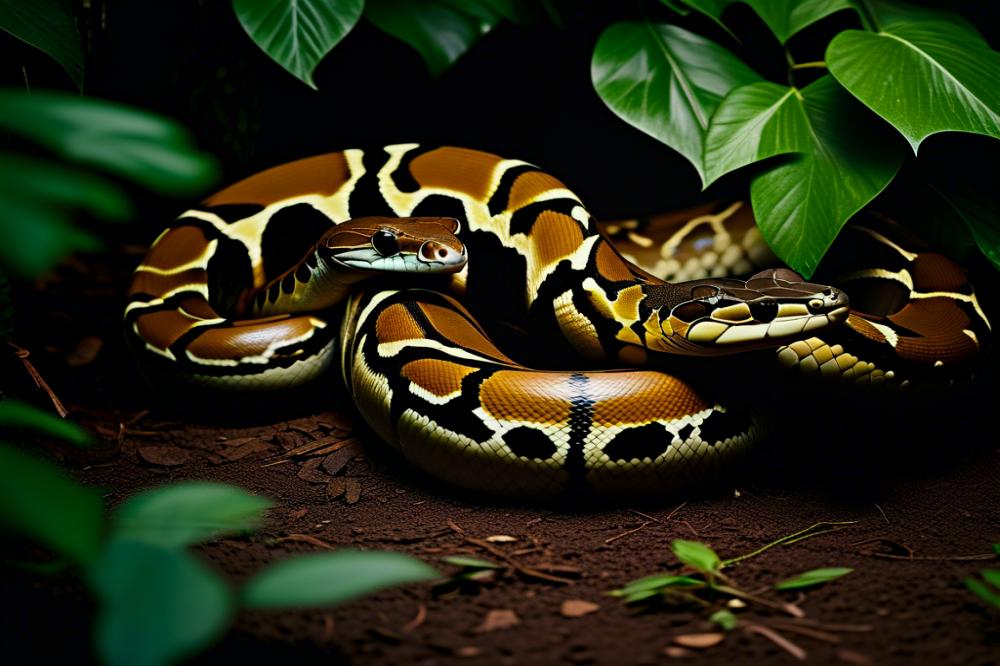
The history of boa constrictor ownership as exotic pets dates back several decades. Many people were drawn to these reptiles for their impressive size and striking patterns. Retailers sold them as appealing pets, and their popularity surged in homes across various regions. However, the thrill of owning such an animal often ended when owners realized the responsibility involved. Some individuals decided to release their snakes into the wild rather than find proper homes for them.
As a result, these non-native species began to establish populations in areas far from their original habitats. This escape and abandonment led to significant consequences for local ecosystems. They quickly adapted to new environments, where they faced fewer natural predators. Their resilience contributed to an alarming rise in snake populations in places where they were never meant to thrive.
Factors fueling their adaptability include a generalist diet and a robust physiology. These reptiles can consume a wide variety of prey, widening their options for food. This versatility enables them to compete effectively with native wildlife. Predation on local species has increased, leading to concerns about ecosystem disruption and biodiversity loss.
The negative wildlife impact is noteworthy. Competition for resources places additional stress on native reptiles and other animals. As boa constrictors continue to thrive, other species struggle to survive. Habitat alteration also plays a role in this ongoing crisis. The presence of such predators may change the dynamics of the local flora and fauna.
Conservation efforts are geared toward addressing these challenges. Organizations are working to control invasive species populations and mitigate their effects. Public awareness campaigns aim to educate potential pet owners about the risks of introducing reptiles into non-native environments. Such initiatives are essential for protecting ecological balance. Balancing the allure of exotic pets with environmental responsibilities remains a complex task.
Impact of Boa Constrictors on South American Ecosystems

The introduction of boa constrictors into South America presents a serious threat to native wildlife. As an invasive species, these snakes prey on a variety of animals, leading to noticeable declines in populations. Birds, small mammals, and even other reptiles have become victims. Their predation disrupts the delicate balance of local ecosystems. This can have a cascading effect, altering food webs that have evolved over thousands of years.
Competition with local reptiles also intensifies. Non-native species often compete aggressively for resources such as food and nesting sites. As a result, indigenous snake populations face increased pressure. They may struggle to find enough resources to survive, which undermines their role in the ecosystem. This kind of rivalry does not just affect reptiles, but also the larger ecosystem as a whole.
Alteration of habitats occurs due to the presence of these constrictors. Predatory behavior impacts not only individual species but also entire environments. The decline of certain animals can lead to overpopulation in others, further disrupting biodiversity. Such shifts can transform landscapes, affecting everything from vegetation to water sources. In many cases, conservation efforts must adapt to manage the consequences of these changes.
Monitoring wildlife impact is crucial. As boa populations grow, agencies and environmental organizations race to protect vulnerable species. Understanding how these snakes affect ecosystems can guide efforts to restore balance. Taking action now is vital for preserving South America’s unique wildlife. The long-term effects of this invasion remain uncertain, but immediate action is necessary to prevent further damage.
Consequences of Biodiversity Loss
Effects on Species Diversity and Population Dynamics
When invasive species enter an ecosystem, they can disrupt the local wildlife. Boa constrictors, as non-native snakes, pose a significant threat to native species in South America. Their presence leads to increased predation on various reptiles and small mammals. This change reduces the number of these animals, which in turn affects other species that rely on them for food. Consequently, the balance of the ecosystem is altered. Many native animals struggle to survive under this new pressure. As the populations of prey decrease, so too do the predators that hunt them.
Long-term Consequences for Food Webs and Ecological Balance
Ecosystem disruption often results in unintended consequences. Food webs become unstable when one species starts to dominate others. A lack of diversity can lead to diminished resilience. If an ecosystem cannot adjust to changes, it may collapse completely. In South America, this means local species could face extinction. Furthermore, habitats that once thrived might change permanently. The resilience of these environments to adapt reduces significantly.
Case Studies of Specific Species Affected by Boa Constrictors
Consider the particular impact on native bird populations. Some birds rely on small mammals for their survival. When boa constrictors consume these mammals, the consequences ripple through the food chain. Another example is the declining numbers of ground-dwelling reptiles. Many of these species are now facing severe threats due to predation. Conservation efforts struggle to keep up with the rapid changes. Researchers are noting alarming declines in biodiversity in affected areas. Studies show that with each snake population increase, several local species are pushed closer to extinction. Alarm bells are ringing for conservationists as they realize the long-term implications.
Current Conservation Efforts and Management Strategies
Overview of Measures Taken to Control Snake Populations
Efforts to control invasive species like boas focus on various strategies. Communities are working with environmental organizations to monitor local snake populations. These programs often involve trapping and relocating non-native species to designated areas. Removal initiatives have been put in place to combat habitat alteration caused by these reptiles. By reducing their numbers, conservationists hope to mitigate ecosystem disruption. Research teams are studying the effects of predation on native wildlife. Understanding these impacts is essential for effective management.
Community Involvement and Public Awareness Campaigns
Local residents play a critical role in wildlife impact mitigation. Educational campaigns aim to inform the public about the dangers of introducing non-native species. Workshops and seminars teach communities how to handle sightings of these snakes safely. Engaging local schools adds another layer to awareness efforts. Enthusiastic students can become conservation advocates in their families and neighborhoods. Social media campaigns spread information widely and quickly. Community partnerships enhance the chances of conservation success.
Challenges Facing Conservationists in Mitigating Impact
Numerous obstacles complicate conservation efforts. Funding is often limited, making large-scale operations difficult. Additionally, misinformation about boas can lead to panic among residents. Some communities may be resistant to change or skeptical about conservation messages. The sheer adaptability of these reptiles presents another challenge. They thrive in various habitats, making it hard to eradicate them completely. Ultimately, a collaborative approach is essential to balance human needs and biodiversity loss.
Future Implications and Research Directions
The potential for further expansion of this invasive species remains a pressing concern. Climate change is one factor that could enable reptiles to thrive outside their natural habitats. As temperatures rise, environments could shift, providing new opportunities for these snakes. Areas previously unsuitable may become prime real estate for them. This could lead to serious consequences for local ecosystems.
Ongoing research is critical for understanding and managing invasive reptiles. Scientists need to study their behavior, diet, and reproduction patterns. Knowledge in these areas can help predict their movement and impact. Understanding how they interact with native species is vital as well. Predation by such snakes often leads to biodiversity loss in affected regions. Protecting native wildlife must be a priority.
Effective strategies for prevention and management should also be designed carefully. Public awareness campaigns can educate communities about the risks associated with non-native species. Keeping habitats intact is important as well. Habitat alteration contributes to the challenges wildlife face today. Conservation efforts can help maintain balance in affected areas. Workshops and training for wildlife managers can prepare them to deal with disruptions. Knowledge transfer is essential for maintaining healthy ecosystems.
In the future, coordinated efforts must address the growing snake populations. Collaborations among governments, researchers, and non-profits could make a difference. Funding dedicated to this issue can support significant research programs. As we learn more about these reptiles, we can better protect vulnerable species. It is crucial to act before further damage occurs to ecosystems. Understanding the full extent of wildlife impact will guide effective responses.
Final Thoughts on Ecosystem Health
As we’ve discussed, the arrival of these large snakes in South America has led to significant changes in local ecosystems. Through their predatory behavior, they have affected various species that were once stable in their habitats. The decline of native wildlife due to their presence highlights just how complex and fragile these ecosystems really are.
Awareness is crucial in understanding what invasive species can do. By sharing knowledge, individuals and communities can become proactive in combating their negative effects. It’s essential for everyone to recognize their role in preserving the natural balance within these habitats. Education is a powerful tool that can ignite passion for conservation efforts. Small actions can lead to larger changes.
Engagement with local conservation organizations will provide additional insights and avenues for action. Supporting efforts aimed at controlling and monitoring invasive species can lead to healthier ecosystems. Additionally, speaking out about these issues can create a community culture that values ecological preservation. Challenging ourselves to take part in these efforts can yield significant benefits for future generations.
Many opportunities exist for everyone to get involved. Whether through volunteering, spreading information, or advocating for policy changes, every effort counts. Together, we can work towards minimizing the impact of predators in vulnerable ecosystems and promoting a richer biodiversity. Let’s act now to protect the unique wildlife of South America.