Understanding the Movement of non-native snakes
Across the globe, a growing number of snakes have become stowaways, hitching rides on various forms of transportation. This phenomenon of non-native snakes traveling across continents raises important questions about how these animals move and survive in unfamiliar environments. Through ships, cargo planes, and even personal vehicles, they embark on journeys that few would imagine possible for such reptiles.
Understanding their migration patterns is crucial. Each movement can alter local ecosystems significantly. When these snakes settle in new habitats, they become invasive species, often outcompeting native wildlife. The impacts extend beyond just the snakes themselves. Disruption in local food webs can lead to drastic changes, threatening biodiversity and the balance of ecosystems.
Moreover, factors like climate change and habitat destruction amplify the risk. As natural landscapes shift, non-native snakes may find it easier to invade new areas. Wildlife conservation becomes more challenging when monitoring species such as these. Protecting native animals and their habitats must take precedence in our discussions of biodiversity loss. Awareness of the routes and methods by which snakes travel can arm researchers and conservationists with vital information.
Additionally, the reptile trade plays a role in the spread of these creatures. Many snakes are kept as pets or sold in markets, sometimes escaping or being intentionally released. Each incident adds to the population of non-native snakes in unfamiliar ecosystems. This steady influx can lead to unforeseen consequences for existing wildlife.
In summary, recognizing the travel patterns of these reptiles may provide insights needed to safeguard ecosystems and maintain biodiversity. We face a growing challenge that requires urgency and action to preserve the delicate balance of nature.
Understanding Non-Native Snakes
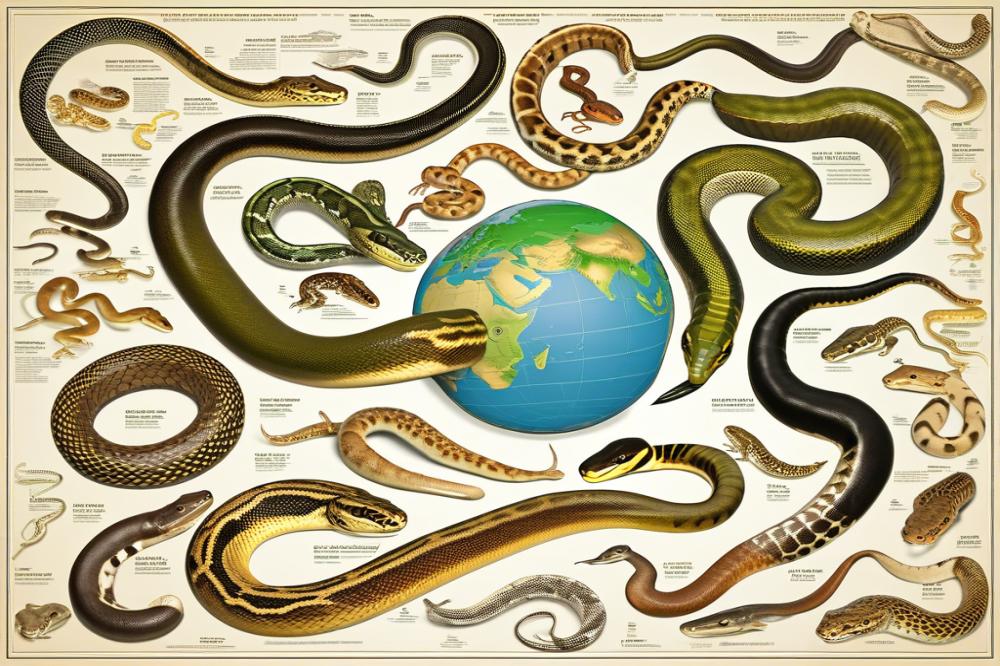
Non-native snakes are reptiles that have moved from their original habitats to new regions where they do not naturally occur. These species often come from tropical or subtropical locations. Their journey across continents is frequently linked to human activities, such as international trade and travel.
Types of Non-Native Snakes
There are two main categories of these snakes: feral populations and deliberate introductions. Feral populations often arise from escapees or released pets that adapt and breed in their new environment. Deliberate introductions occur when people release snakes into the wild for various reasons, such as biological control or as an attempt to establish a new population for recreational hunting.
Characteristics of Invasive Snakes
Several traits allow certain snakes to thrive in unfamiliar settings. Many can reproduce quickly, leading to rapid population growth. They also exhibit flexibility in diet, consuming a wide range of prey. This adaptability enables them to adjust to varying ecosystems. As a result, they can outcompete native species for food and habitat.
Reptile Trade and Its Impact
The reptile trade plays a significant role in the spread of these stowaways. Many species are sold as exotic pets, and some owners release them when they can no longer care for them. Transportation methods, such as shipping and air travel, facilitate their escape into non-native environments. These activities can lead to severe ecosystem impact, affecting local biodiversity.
Climate change and habitat destruction further exacerbate the situation. These factors create new challenges for wildlife conservation efforts. When non-native snakes establish themselves, they can drive out native species, leading to biodiversity loss and long-term ecological imbalance. Species monitoring becomes essential for understanding and managing these populations.
Methods of Travel for Non-Native Snakes
Natural Migration vs. Anthropogenic Factors
Migration occurs naturally in many species, including snakes. They often move in search of food or suitable habitats. However, anthropogenic factors play a big role in their travel. Human activities can disrupt landscapes, forcing snakes into new territories. Such changes affect their ability to find food and mates. Climate change also alters habitats, pushing reptiles to adapt or relocate.
Common Transportation Methods
Non-native snakes make their way around the globe through several means. Shipping containers are a major method. Cargo ships often carry exotic reptiles stowaways among goods. Air transport presents another risk. Airports and planes are sometimes home to hidden snakes in luggage or cargo holds. Additionally, the reptile trade directly imports these animals as pets, contributing to biodiversity loss.
Stowaways: How Snakes Find Their Way into Cargo or Vehicles
Many snakes end up in cargo or vehicles by chance. They might slip inside shipping crates while searching for warmth or shelter. Some hitch rides in agricultural vehicles moving between farms. Others may hide within suitcase pockets as travelers move from one location to another. This unwelcome form of travel can lead to severe consequences for local ecosystems.
Case Studies of Notable Instances of snake migration and Travel
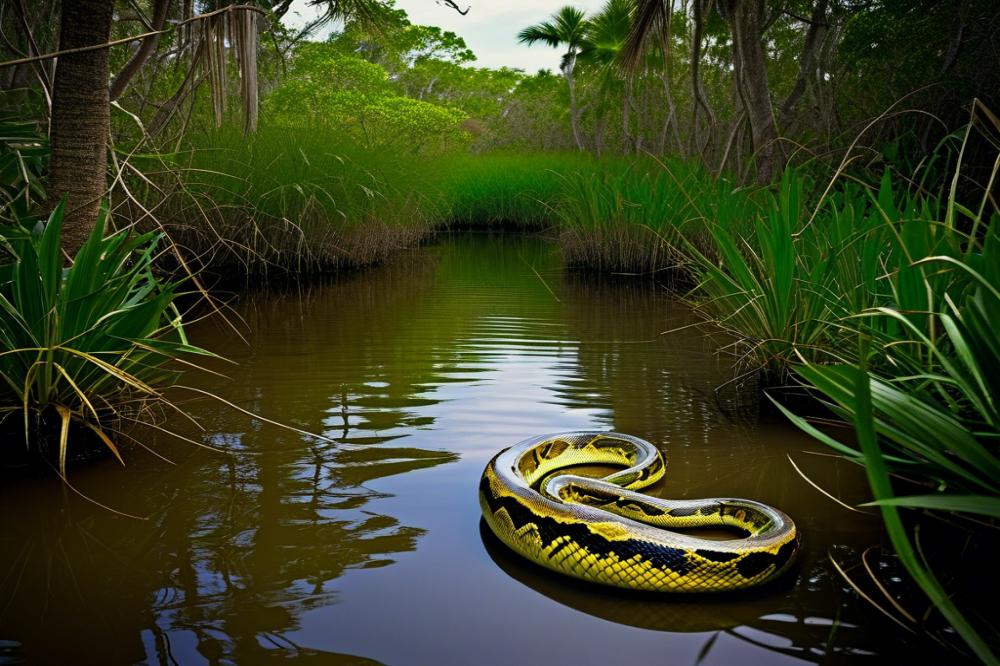
Several documented cases illustrate the impact of these travel methods. One famous incident involved the Burmese python in Florida. Released pets rapidly became an invasive species, disrupting local ecosystems. Another example is the brown tree snake in Guam. Introduced unintentionally after World War II, it now threatens native bird populations. These examples highlight the importance of species monitoring to prevent further wildlife conservation challenges.
Ecosystem Impact of Non-Native Snakes
Non-native snakes cause significant shifts in local ecosystems. When these reptiles arrive in new environments, they often disrupt the natural order. Being effective predators, they prey on native species, which can lead to drastic declines in those populations. In many cases, these stowaways have no natural predators in their new homes. This lack of checks and balances results in unchecked populations of non-native snakes, further threatening local wildlife.
Competition for food also becomes an issue. Native snakes and other reptiles must compete for limited resources. The newcomers often have advantages like different hunting techniques or larger sizes. When local species face these challenges, the balance of food webs can become unstable. A diminished number of native species can alter predator-prey dynamics. This imbalance can ripple through the ecosystem.
Some communities have experienced a severe impact due to invasive snake species. For example, in the Florida Everglades, Burmese pythons, brought in through the reptile trade, have decimated populations of small mammals and birds. As these pythons thrive, many of their native counterparts fail to survive. This has led to a notable loss of biodiversity in the region. Wildlife conservation efforts now face the daunting task of species monitoring to protect endangered local animals.
Transportation methods play a crucial role in facilitating these migrations. Climate change and habitat destruction create more opportunities for these snakes to spread. As their ranges expand, the potential for further disruptions increases. An area may quickly experience a shift in its ecological balance. This trend highlights the urgent need to address how we manage stowaways and their effects on ecosystems.
The Role of Climate Change and Habitat Destruction
Climate change significantly alters snake migration patterns. Warmer temperatures can open new territories for these creatures. Changes in weather also disrupt their usual environments. Animals that once thrived in specific climates may seek out new habitats. This quest for suitable living conditions can lead to encounters with human settlements.
Habitat destruction plays a major role in spreading non-native snakes. As forests and wetlands shrink, these reptiles may find new homes in disturbed areas. Urban expansion often results in fragmented landscapes. These fragments can unintentionally act as corridors for stowaways. As species are pushed out of their natural habitats, they may invade new ecosystems.
Interaction between changing climates and snake behavior is intricate. Some snakes may adapt quickly, while others struggle. Their response to stressors like drought or flooding could determine their survival. For example, a species that usually prefers wetland areas may start moving inland. Such shifts can create challenges for local wildlife conservation efforts.
Monitoring the movements of these reptiles is essential. Scientists aim to predict future trends in their migration. As non-native snakes spread, they can threaten local biodiversity. Areas that once supported a variety of life may face severe ecosystem impact. Moreover, the reptile trade complicates these situations. Transport methods can easily introduce new species to different regions.
With ongoing habitat destruction and climate change, predictions are concerning. Non-native species may thrive in new environments, leading to unprecedented challenges. Conservationists worry that without proactive measures, we may see further biodiversity loss. Protecting existing habitats and monitoring species closely can help mitigate risks. Ongoing efforts are crucial to understanding this complex problem.
Wildlife Conservation and Species Monitoring
Monitoring non-native snake populations is crucial for preserving native wildlife. These stowaways can disrupt local ecosystems significantly. Their unpredictable snake migration patterns can lead to drastic changes in biodiversity. Native species often struggle to compete with these newcomers for food and habitat.
Importance of Monitoring Non-Native Populations
Tracking the spread of these invasive reptiles helps scientists understand their ecosystem impact. Species monitoring allows researchers to identify affected areas quickly. Gathering data on their behavior and reproduction can reveal potential threats to local species. Without this knowledge, conservation efforts might fall short.
Strategies for Control and Management
There are several strategies for managing invasive species. One effective way is through public education about the risks of the reptile trade. Another method is using traps and other controls to reduce their populations. Addressing habitat destruction also aids in slowing their spread. Targeted efforts can make a significant difference over time.
Conservation Efforts to Protect Native Ecosystems
Many organizations focus on wildlife conservation. These groups work tirelessly to restore habitats that have been affected by non-native species and climate change. Engaging local communities in conservation efforts can foster a sense of responsibility. Collaborative programs often yield better results than isolated actions alone.
Success Stories and Challenges
There are success stories in managing snake invasions. In certain regions, concerted efforts have significantly reduced non-native populations. Removing these snakes has helped native species rebound. Yet, challenges remain. New transportation methods continue to introduce these reptiles to new areas. This ongoing issue requires constant vigilance and adaptation.
Final Thoughts
Understanding non-native snakes is crucial for safeguarding our ecosystems. These stowaways can wreak havoc on local wildlife. When they invade new territories, they often outcompete native species for food and habitat. Such interactions can lead to a drastic decline in biodiversity. Recognizing the risks associated with snake migration helps us appreciate the delicate balance within ecosystems.
Implications for ecosystem health are significant. The introduction of these reptiles can disrupt food webs and affect other species. In some cases, they may become top predators, forcing native animals to adapt or face extinction. The repercussions ripple through the entire system, affecting everything from plants to larger mammals. Protecting biodiversity should be a priority for all of us.
We must act to counteract this threat. Improved monitoring of transport methods is essential to catch these sneaky invaders early. Conservation efforts should focus on educating the public about the risks posed by exotic pets. Responsible ownership can help prevent these animals from escaping or being released into the wild. Everyone has a part to play in protecting our natural world. We can work together to keep our ecosystems safe and healthy for generations to come.