The Growing Threat of feral snakes to native wildlife in the United States
Throughout the United States, the increasing presence of feral snakes has raised significant concerns among wildlife experts and conservationists. As these reptiles establish themselves in new habitats, they become an invasive species, causing considerable disruption to local ecosystems. Addressing this matter is crucial, as each introduced snake species can bring a multitude of environmental threats that ripple through food webs.
Studying non-native snakes provides essential insights into their behaviors and impacts. Understanding how they affect predator dynamics can reveal pathways for biodiversity loss. When non-native snakes settle in an area, they often compete with native species for resources. This competition can lead to a decline in some local animal populations, which further affects the intricate balance of the ecosystem.
The consequences of these invasions extend beyond immediate predation. Habitat disruption occurs as feral snakes alter the interactions between different animal species. Endangered species can be particularly vulnerable, as their populations may not be able to withstand additional pressures. Wildlife conservation efforts depend on recognizing the challenges presented by these reptiles. Each case of invasive snakes highlights the urgent need for effective management strategies to protect native wildlife from ongoing threats.
The Role of Feral Snakes as invasive species
Invasive species are organisms that are not native to a specific location. They often cause harm to the environment, economy, or human health. These species can disrupt ecosystems, leading to biodiversity loss. Understanding their characteristics helps answer why they can be so dangerous.
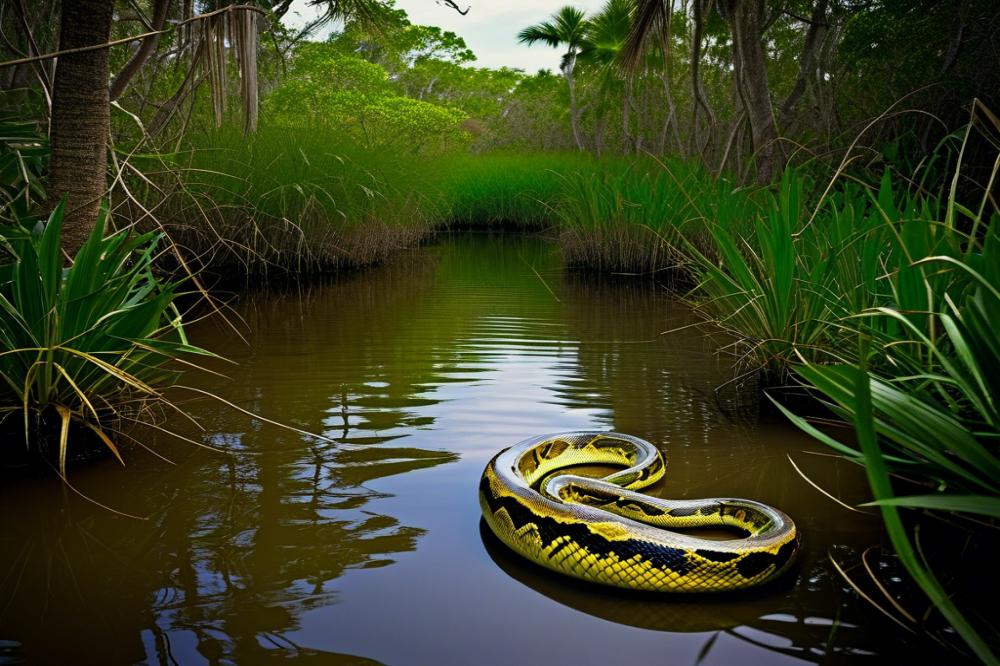
Several snake species have made their way into the United States and caused significant harm. The Burmese python is one of the most well-known examples. Originally from Southeast Asia, this snake has thrived in the Florida Everglades. Another troublesome species is the black rat snake, which is native to North America but can become an invasive threat when it expands into new areas. These creatures often compete with local wildlife, leading to changes in predator dynamics.
Feral snakes typically enter new environments through human activity. Pet owners sometimes release them into the wild when they can no longer care for them. In some cases, escapes from breeding facilities have led to populations establishing themselves in the wild. These introductions can have serious consequences, as the snakes adapt quickly to their new surroundings. As a result, many native species face heightened risks.
Habitat disruption occurs when these snakes invade. They often consume native animals, including birds and small mammals, creating a ripple effect within the ecosystem. Such animal interactions can push certain native species toward the brink of extinction, especially those already designated as endangered. Wildlife conservation efforts become much tougher when invasive predators take hold in the habitat.
Feral snakes pose constant environmental threats. The impact on local wildlife is profound. As these snakes spread, they can dominate food sources and shift the balance of nature. It is essential to recognize the growing presence of these invasive species. Addressing their spread is vital for the survival of vulnerable ecosystems.
Ecosystem Impact and Biodiversity Loss
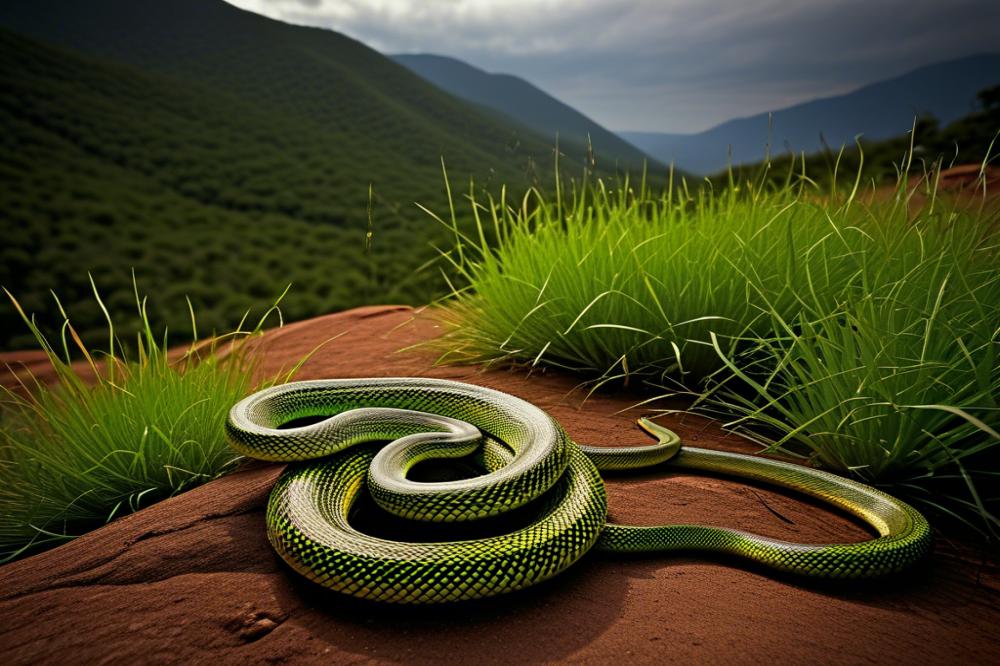
Invasive species pose a significant threat to local ecosystems in the United States. Feral snakes have emerged as a particularly troublesome element in this context. These snakes disrupt the natural balance that often governs wildlife interactions. Understanding their ecosystem impact is crucial for appreciating the challenges we face in wildlife conservation.
One prominent case study is the Burmese python in Florida. This snake species has expanded its range considerably, leading to alarming declines in native mammals, birds, and even reptiles. Reports indicate that small mammals have seen population drops of over 90% in some areas. This dramatic shift affects predator dynamics, as the loss of such prey species can lead to further instability in the ecosystem.
Moreover, the impact extends to endangered species as well. When native animals become victims of invasive snakes, the consequences ripple through the food chain. Those species that rely on the affected animals for their survival may also face declines, further contributing to biodiversity loss.
Another example is the introduction of the red-tailed hawk to various regions. This bird of prey often finds feral snakes as abundant food sources. While desirable from a predator’s standpoint, this over-reliance on a single species can lead to habitat disruption and a lack of diversity in diet, which can hurt hawk populations in the long run.
Animal interactions evolve in unpredictable ways. The introduction of invasive snakes can unbalance existing predator-prey relationships, pushing native wildlife into more vulnerable situations. These shifts endanger rare and sensitive species, causing concern among environmentalists and conservationists alike.
Invasive snake species also threaten unique habitats such as wetlands and grasslands. Disruption in these environments affects not only the plants but also the diverse animals that depend on them. Native wildlife struggles to adapt to the new competition, often leading to declines in population and diversity.
As feral snakes establish themselves, they create a cascade of environmental threats. Local wildlife must compete with these newcomers for food, space, and shelter, as well as trying to evade predation. This competitive pressure can lead to loss of biodiversity in even the most resilient ecosystems.
Predator Dynamics and Animal Interactions
Examination of predator-prey relationships involving feral snakes reveals significant concerns for native wildlife. Invasive species disrupt established dynamics. They can outcompete or prey upon local species, leading to declines in biodiversity. Snakes, as predators, play a crucial role in maintaining ecosystem balance. However, the introduction of aggressive snake species throws this balance off-kilter.
Native snake species face many challenges from invasive counterparts. Competition for food sources can lead to starvation for vulnerable species. Furthermore, invasive snakes may target endangered species. This predatory pressure decreases reproductive success and overall population health in native wildlife. The risk is especially high for species already facing habitat disruption.
Wildlife conservation efforts must address these new threats. Protecting ecosystems means understanding changing animal interactions. When one species is introduced, the ripple effects can be profound. For instance, local rodent populations may explode due to a lack of natural predators. Such shifts can turn local ecosystems upside down.
As feral snakes establish themselves, wildlife populations begin to shift. Some animals may become scarce, while others thrive under the new conditions. This change can affect not just individual species, but entire food webs. Balance is key in nature, and disruption leads to further imbalances over time. When native predators struggle, the long-term implications for ecosystems are dire.
In conclusion, the impact on both native snake species and other wildlife is a growing environmental threat. It is essential that we recognize these challenges as wildlife conservation efforts continue. Understanding how invasive species affect predator dynamics is vital in fighting for our natural world. Protecting biodiversity ensures that ecosystems remain healthy for generations to come.
Habitat Disruption and Environmental Threats
Invasive species can significantly alter habitats, leading to serious ecological imbalance. Feral snakes, when introduced to new environments, disrupt local predator dynamics. They often outcompete native snake species for food and resources. This competition disrupts existing animal interactions and leads to shifts in the ecosystem.
The impact on endangered species cannot be overlooked. Some species are already struggling due to habitat loss and climate change. The arrival of new snake populations adds another layer of threat. These snakes may hunt vulnerable animals, further pushing endangered species towards extinction.
Wildlife conservation efforts become more challenging in areas impacted by feral snakes. The conservation of biodiversity is essential for healthy ecosystems. When one species is threatened, the entire food web can be disrupted. Each lost species diminishes the natural resilience of the environment, leading to biodiversity loss.
Strategies for Mitigating Habitat Disruption
Several strategies can help address these environmental threats. First, public education is crucial. Teaching communities about the risks associated with invasive snakes raises awareness. Awareness can drive responsible behavior and encourage reporting of sightings.
Secondly, targeted removal programs can be effective. Trained professionals can help remove these creatures from sensitive areas. Their efforts can assist in restoring natural balance. Additionally, habitat restoration projects may improve conditions for affected species.
Research plays an important role in these efforts as well. Studying snake populations and their impacts helps inform better strategies. Understanding how they interact with the ecosystem can lead to more effective management techniques. This knowledge can be vital in the fight to protect vulnerable wildlife.
Finally, collaborative approaches among government agencies, conservation groups, and local communities are necessary. Working together, these groups can develop and implement more comprehensive solutions. This united front helps to address the unique challenges posed by the presence of feral snakes.
Wildlife Conservation Efforts Against Feral Snakes
Overview of existing wildlife conservation initiatives
Various conservation programs focus on combating the threat posed by invasive species. Organizations partner with local governments to create special action plans. These plans often include monitoring wildlife populations and managing habitats. Strategies also involve the removal of non-native snake species from critical areas. By protecting vulnerable environments, the aim is to promote native biodiversity. Training community members becomes essential, as they can aid in identifying and reporting sightings of these unwelcome reptiles.
Successful case studies and lessons learned
Several states have witnessed encouraging results from targeted eradication programs. In Florida, efforts to control the Burmese python have gained attention. Special teams were formed to capture and relocate these giant snakes. Researchers found that reducing their numbers helped restore predator dynamics within the ecosystem. Another example comes from Hawaii, where initiatives focused on public education proved vital. Residents learned how to protect native birds and small mammals from predation. Collectively, these success stories highlight the importance of a multi-faceted approach in wildlife conservation.
Importance of public awareness and community involvement
Public engagement plays a crucial role in addressing environmental threats. Local communities must understand the impacts of biodiversity loss caused by invasive species. Educational programs encourage responsible animal interactions and promote the reporting of invasive sightings. Volunteers often help with habitat restoration, creating safer spaces for endangered species. Awareness campaigns build support for wildlife conservation efforts and foster a sense of stewardship among residents. When communities unite, they can build stronger defenses against the encroachment of feral snakes and protect their native wildlife.
Addressing the Challenge Ahead
Awareness of the danger that feral snakes pose to native wildlife in the United States is crucial. These invasive species can disrupt local biodiversity, leading to severe ecosystem impact. Many native animal populations are at risk due to predation and competition for resources. As these snakes establish themselves in new areas, they often become formidable hunters, taking a toll on fragile habitats.
The need for more research has never been greater. Understanding the specific behaviors of these snakes can help in developing effective prevention methods. Conservation efforts must adapt rapidly to counter this growing threat. Collaboration between scientists, wildlife agencies, and local communities can pave the way for strategies that work.
Integrated pest management strategies could provide a balanced approach. By combining different techniques, such as habitat restoration and careful monitoring, we can protect native wildlife from these challenges. Public education is also vital. Teaching individuals about the risks and the importance of biodiversity encourages responsible behavior towards wildlife.
All of us have a role to play in this fight against an escalating problem. Support for programs aimed at wildlife conservation is essential. Collectively, we can help safeguard our natural heritage from the looming threat of feral snakes. Taking action today will help preserve the future of many species and their habitats.