The Hidden Battle Against non-native snakes in China’s Wetlands
The world is facing a growing crisis with invasive species. They affect local ecosystems, disrupt food chains, and harm biodiversity. Snakes are among the reptiles that sometimes find their way into non-native territories. In many regions, they can outcompete native species for resources, creating a ripple effect in the local wildlife. The introduction of foreign snake species into fragile habitats adds to the environmental challenges we already face.
Wetlands are crucial ecosystems, serving as a sanctuary for a variety of plants and animals. They help filter water and provide habitats for countless species, including fish, birds, and amphibians. The loss of these areas due to human activities poses significant threats. Conservation efforts become vital in preserving these rich environments. Wetland preservation is not just about protecting one ecosystem; it’s about maintaining the interconnected web of life.
China’s wetlands are particularly under threat. They host unique flora and fauna, contributing significantly to the country’s biodiversity. However, the introduction of non-native snakes into these habitats poses severe risks. The impact of these snakes can be devastating, as they often displace native species. This leads to a decrease in local populations and alters the natural balance. Addressing the situation requires focused wildlife management strategies to combat these invasive species.
Tackling this issue demands a multi-faceted approach. Community awareness and local participation are essential for any successful mission. Fostering a connection between people and their environment will strengthen conservation efforts. As custodians of these ecosystems, everyone has a role to play in ensuring a healthier future for China’s wetlands. The battle may be hidden, but its importance looms large on the horizon.
Understanding Non-Native Snakes

Non-native snakes refer to species that exist outside their original habitat. They often adapt to new environments, leading to various challenges. The introduction of these creatures can stem from multiple sources.
How Non-Native Snake Species Are Introduced to New Habitats
Human actions commonly contribute to the spread of snake species. Pet trade plays a significant role, as individuals often release snakes when they can no longer care for them. Additionally, some snakes escape from captivity during transport. In rare instances, these animals may hitch rides in cargo shipments, unintentionally making their way into new ecosystems.
The Difference Between Non-Native, Invasive, and Feral Snakes
It’s vital to distinguish between different types of snakes. Non-native snakes may not harm their new environment, while invasive species actively disrupt local ecosystems. These invasive snakes manage to outcompete native fauna for resources, leading to ecological impact. Feral snakes, on the other hand, are those that were domesticated but have returned to the wild. Understanding these distinctions aids in wildlife management efforts.
Examples of Notable Non-Native Snake Species in China
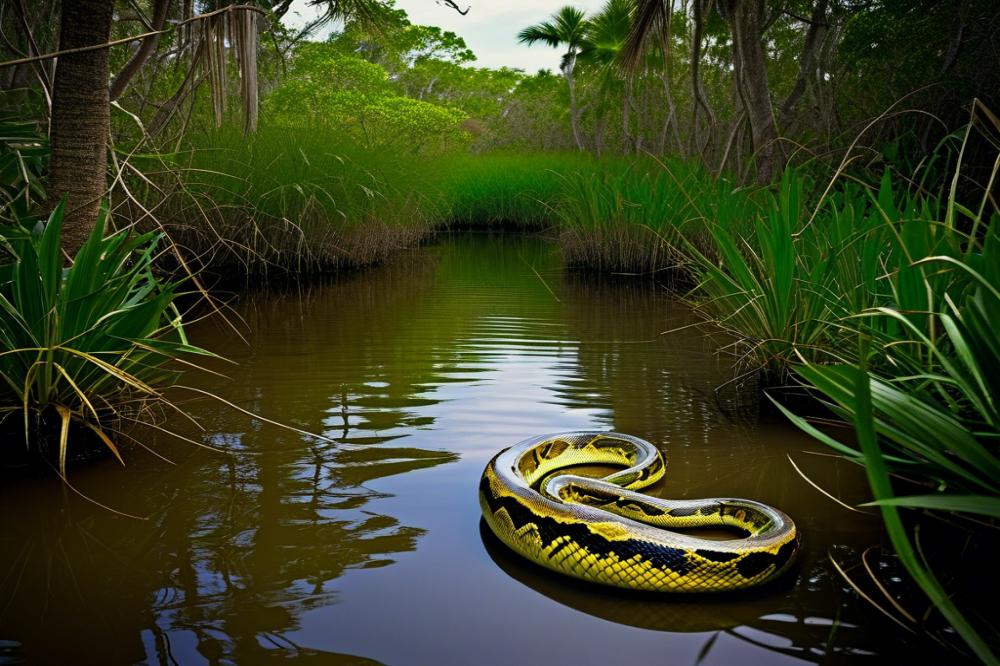
China hosts several noteworthy non-native snake species that pose risks to its wetlands. The Burmese python stands out due to its size and adaptability. This species can hunt various prey, negatively affecting biodiversity. Another alarming presence is the red-eared slider, which is not a snake but often associated with similar issues. With its growth and reproduction rates, it can threaten local habitats. Conservation efforts are crucial to mitigate their presence and protect endemic wildlife.
Wetland preservation often depends on understanding these environmental challenges. Striking a balance between the needs of native populations and the pressures introduced by non-native species is crucial. Without proper attention, the delicate ecosystems that support diverse life forms could suffer from habitat loss.
Ecological Impact of Non-Native Snakes

The presence of invasive species in China’s wetlands poses serious threats to local wildlife. Native fauna struggles to compete with these foreign snake species. Each species brings its own set of challenges, often disrupting established food chains. When a new predator enters an ecosystem, it can shift the balance, leading to declines in local populations.
Competition for resources is fierce. Indigenous animals, such as fish and amphibians, may find themselves outmatched. As these non-native snakes thrive, they push out the animals that belong in those habitats. This shift not only affects individual species but also reduces biodiversity across the region.
Habitat loss intensifies these challenges. Wetlands face degradation due to various human activities. Pollution and urban development further stress these vital ecosystems. In this context, the introduction of non-native snakes can act as a tipping point.
Case studies from different regions illustrate these troubling trends. In one wetland area, the influx of a certain snake species led to a stark decline in frogs and small mammals. Local conservation efforts aimed at protecting these native species struggled to regain balance. The complex interactions within the ecosystem became harder to manage, showcasing the ecological impact of such invasive species.
Wildlife management strategies are now focusing on both prevention and control. These efforts are crucial for wetland preservation. Promoting awareness about the dangers of non-native species can help foster community support. It’s essential for local governments and conservationists to work together to protect biodiversity and mitigate habitat loss.
As these environmental challenges continue, the urgency for effective action increases. Raising public awareness will play a key role in conservation initiatives. Communities need to understand the importance of safeguarding their unique wetland ecosystems. Otherwise, the fight against these threatening snake species will become even more daunting.
Challenges in Wildlife Management
Managing invasive species like non-native snakes in China’s wetlands presents numerous environmental challenges. The presence of these snakes disrupts local ecosystems and threatens biodiversity. Their rapid reproduction makes control efforts even trickier. While some species can adapt to various habitats, others force out native fauna and push them toward extinction.
Detection and monitoring of snake populations often prove difficult. Many species blend seamlessly into their surroundings, which complicates surveillance. This leads to underestimations of their numbers in wetlands. Without accurate data, it becomes nearly impossible to devise effective management strategies.
Current wildlife management techniques also face limitations. Traditional methods, such as trapping or removal, often yield mixed results. Resources are finite, which means strategies cannot always address the root causes of habitat loss. The complex behaviors of different snake species further complicate control efforts, making some more challenging to manage than others.
Public perception adds another layer of difficulty. Many people see snakes as significant and essential parts of the ecosystem. Educating the community about the ecological impact of invasive species can be challenging. Some locals may not recognize the threat these snakes pose to wetland preservation and conservation efforts. Communities must work together to understand why protecting native species is vital for maintaining balance.
Ultimately, tackling these environmental challenges requires cooperation between wildlife managers and local communities. Developing a shared vision can promote successful management strategies. People must engage with wildlife conservation dialogues and participate in efforts to maintain the rich ecosystems in place. Only through mutual understanding can action plans be effective in protecting cherished wetlands.
Conservation Solutions and Efforts
Ongoing conservation efforts in China’s wetlands are crucial for combating the threats posed by invasive species. Government agencies, environmental organizations, and local communities are actively working together. Their strategies include habitat restoration, public education, and monitoring snake species populations. These collective actions seek to protect native fauna while addressing the ecological impact of non-native reptiles.
Wetland preservation plays a vital role in maintaining biodiversity. Healthy wetlands support a variety of plants and animals, creating a balanced ecosystem. When these habitats face loss, the effects ripple through the environment. Preserving these areas protects not only the wetlands themselves, but also many species that depend on them.
Local communities are invaluable to these conservation initiatives. Engaging residents encourages a sense of stewardship for their environment. Many community members participate in restoration projects, which foster a connection to their natural surroundings. Their involvement can lead to effective solutions for managing wildlife and reducing human-wildlife conflict.
Research also holds a key position in effective wildlife management. Scientists are studying how invasive species affect ecosystems and native habitats. Gathering data enables policymakers to craft better regulations. Implementing these policies helps maximize the impact of conservation efforts.
Addressing environmental challenges requires a multi-faceted approach. Collaboration among stakeholders creates a framework for success. Educating the public about the importance of wetlands can motivate individuals to take action. As people become more informed, they often become energized advocates for change.
Future Implications and Recommendations
Current trends in the invasion of non-native snake species could have severe long-term ecological impacts on China’s wetlands. Disruption of local ecosystems may lead to a decline in biodiversity. As these snakes prey on native fauna, other species may struggle to survive. Habitat loss already threatens many creatures in these areas. The combination of habitat disruption and invasive predation creates a precarious situation for wetland preservation.
To combat this challenge, various strategies can be adopted to improve conservation efforts. Enhancing monitoring programs can help track snake populations as well as their effects on local ecosystems. Implementing public education campaigns about the dangers of invasive species can empower local communities. Wildlife management practices must adapt to address these environmental challenges more effectively.
Policymakers have a critical role in addressing this crisis. Strengthening regulations against the introduction of invasive species is vital. Support for funding conservation initiatives can bolster local efforts to manage snake populations. Collaboration with scientists and conservationists can produce innovative solutions that consider the intricate balance of nature.
Community involvement is also key. Encouraging public participation in habitat restoration projects can foster a sense of stewardship for local wetlands. Promoting awareness about the importance of biodiversity in these ecosystems will help protect them. The public can play a significant part by reporting sightings and assisting with management plans.
In summary, addressing the invasion of these snake species requires a multi-faceted approach. Through effective policies, community engagement, and robust conservation efforts, it’s possible to mitigate the negative impacts on wetlands. The future of China’s rich wetlands depends on collective action and dedicated management efforts.
Final Thoughts on the Struggle Against Invasive Species
The battle against non-native snakes in China’s wetlands is more than a simple environmental concern. It represents a complex interaction between human activities and nature’s delicate balance. Wetlands are critical habitats that support diverse wildlife. However, the introduction of invasive species can drastically alter these ecosystems, leading to a decline in local biodiversity.
Addressing this issue is vital for the health of our environment. When invasive species take over, they disrupt food chains, outcompete native species, and can even alter water quality. Wetlands, which provide numerous ecological services, need protection to maintain their integrity. Without intervention, we risk losing these valuable habitats along with the unique creatures that depend on them.
Awareness plays a crucial role in this fight. Educating the public about the dangers posed by non-native species can spark change. Community involvement is essential. Local organizations and governmental bodies must collaborate to develop effective strategies for controlling these invasive species. Everyone can contribute to solutions, whether through volunteering, participating in clean-up efforts, or spreading the word.
Preserving wetlands requires collective action. People must come together to safeguard these precious ecosystems. It is essential to recognize the importance of wetlands not just for wildlife, but for everyone. Let’s act now to protect our natural heritage and ensure it thrives for generations to come.