
Introduction
Creating a suitable habitat for your snake is crucial for its health and well-being. Snakes are unique creatures that require specific conditions to thrive. An inadequate environment can lead to stress and serious health issues. Therefore, understanding the right provisions for snake care is essential for responsible reptile ownership.
Building your own enclosure can be a rewarding experience. DIY snake enclosures allow you to customize the space according to your snake’s specific needs. This flexibility helps cater to various species, each with unique requirements for heating, humidity, and habitat enrichment. Crafting a tailored environment can also offer a sense of accomplishment and a deeper connection with your pet.
When designing a terrarium, there are several factors to keep in mind. Proper ventilation is critical for preventing stagnant air and moisture buildup. Choosing the right substrate enhances comfort and allows natural behaviors like burrowing. Using materials that mimic their natural environment can create a more fitting habitat for your snake. Also, consider how temperature and humidity levels can change throughout the day. This attention to detail in enclosure design will significantly impact your snake’s well-being.
Overall, crafting the perfect space for your snake is an important aspect of snake ownership. Pay close attention to its needs, and you’ll find that both you and your scaly friend will enjoy the benefits of a well-designed space.
Understanding snake enclosures
Definition and Types of Snake Enclosures
Snake enclosures refer to the specific spaces designed to house pet snakes. These can vary greatly in style and structure. Many enthusiasts opt for glass terrariums due to their visibility and aesthetic appeal. Others might choose plastic bins or wooden enclosures. Each type serves a purpose, providing comfort and security to the reptile.
Importance of Enclosure Design for Pet snake habitats
Designing an effective habitat is essential for snake care. A well-planned enclosure allows for appropriate movement and exploration, which is crucial for a snake’s mental well-being. Proper enclosure design contributes to temperature regulation and humidity control, both vital for the health of the snake. When snakes feel secure, they can thrive and exhibit natural behaviors.
Factors to Consider When Planning a DIY Enclosure
Several factors play a significant role in creating the perfect habitat. Start by determining the size. The enclosure should accommodate the species of snake while allowing space for movement. Next, think about ventilation. Proper airflow is key to preventing stale air and mold. One must also consider substrate options. Various materials like coconut fiber or aspen shavings can enhance the habitat.
Incorporating heating elements is another critical task. Snakes rely on heat to regulate their body temperature, so a heat source is necessary. Ensure the area has proper temperature gradients, with warm and cool spots. Additionally, maintaining the right humidity is vital for the health of a snake. Some species require higher humidity levels than others.
Habitat enrichment also deserves attention. Adding climbing branches, hides, and plants can mimic a snake’s natural environment. This keeps your pet engaged and reduces stress. Remember, snake ownership comes with responsibilities. Creating the ideal enclosure is just one part of a much bigger picture. Each decision should reflect the needs of the reptile and respect its natural habits.
Essential Components of a DIY Snake Enclosure
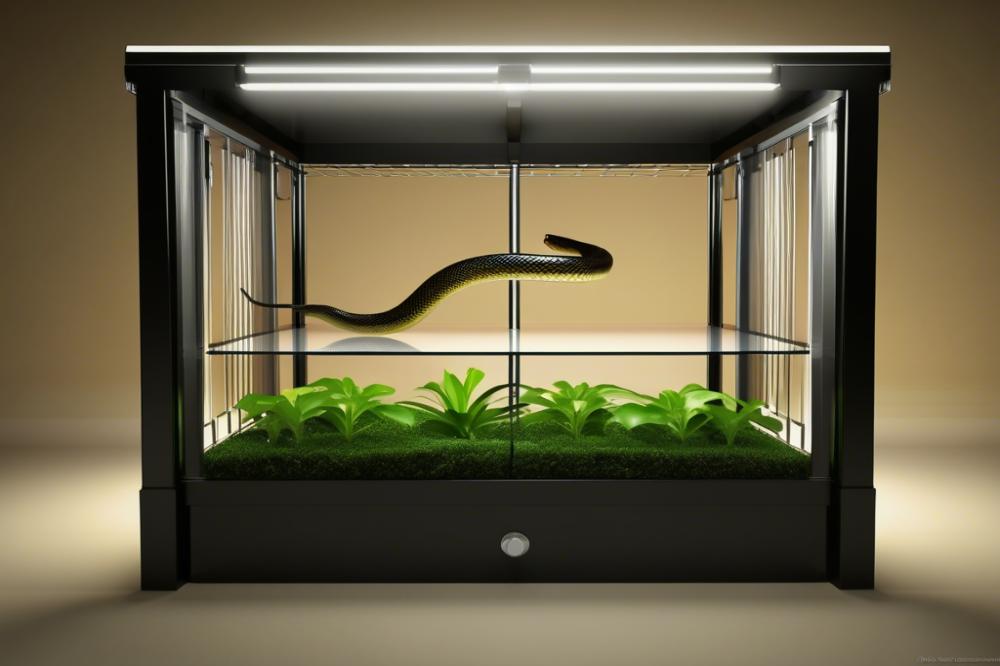
The first step in crafting a comfortable habitat for your snake involves the choice of substrate. A variety of options exist, including aspen shavings, coconut coir, or even paper towels. Each substrate offers different benefits. For instance, aspen is great for absorbing moisture, while paper towels provide easy cleaning. Selecting the right substrate is important for maintaining hygiene and ensuring comfort.
Next, proper heating is crucial for any reptile habitat. Snakes are ectothermic creatures, meaning they rely on external sources to regulate their body temperature. Using heat mats or ceramic heaters can help maintain the required basking area. Be sure to place a thermometer inside the enclosure to monitor temperatures effectively. Adequate heating prevents health issues and promotes normal behavior.
Another vital aspect is maintaining humidity levels. Different species have unique needs in terms of moisture in their environment. Tropical snakes often thrive in humidity levels of 50-70%, while desert species may require lower moisture levels. Using a hygrometer can help you track humidity accurately. Misting the terrarium or adding a water bowl can assist in achieving the right balance.
Finally, ventilation plays an important role in enclosure design. Proper airflow prevents the buildup of mold and stale air. Small vents on the top and sides of the enclosure promote good airflow without sacrificing security. Make sure that there are no gaps big enough for your snake to escape. Maintaining ventilation is critical for the overall health of your snake and the stability of its habitat.
Habitat Enrichment for Snakes
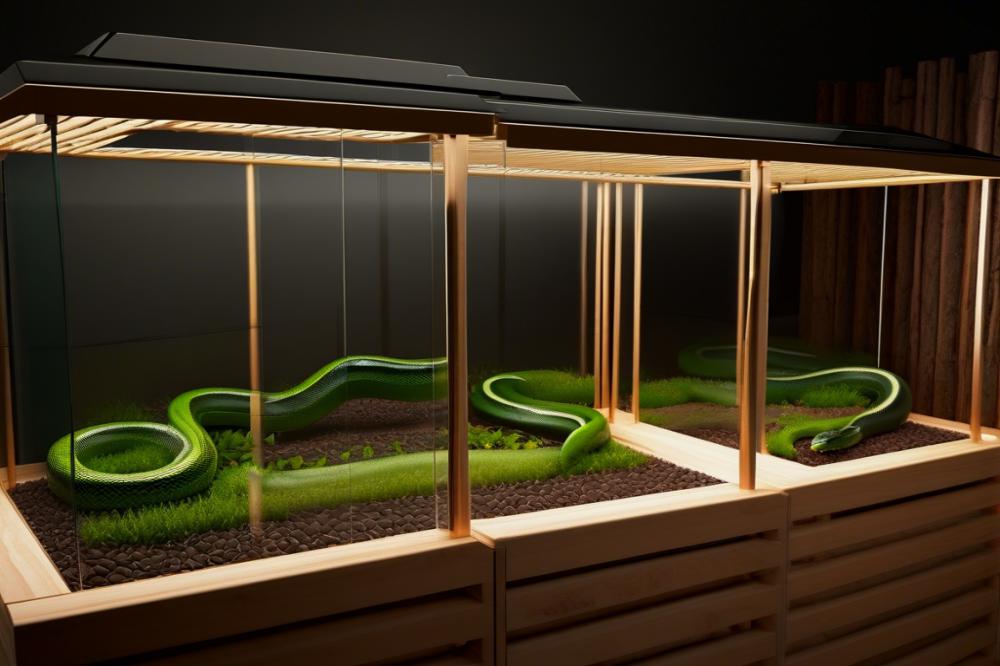
Enrichment plays a crucial role in the care and overall well-being of snakes. These reptiles are often misunderstood as simple creatures that thrive in bare enclosures. However, a well-designed terrarium can significantly enhance their quality of life. Stimulating their environment can lead to better health and more natural behaviors. Snake ownership comes with the responsibility to provide a habitat that goes beyond basic needs.
Creating Functional and Engaging Spaces
First, think about the layout of the space. A variety of structures can keep your snake active and alert. Incorporate hides where they can feel safe and secure. Using pieces of wood or rocks can allow snakes to climb and explore. This kind of enclosure design mimics the natural environment, which is vital. You can also create different areas with unique textures. These changes invite snakes to move around and engage with their surroundings, promoting exercise.
Natural Décor and Practical Elements
Choosing natural décor enhances the visual appeal and the functionality of the habitat. Pieces of driftwood or cork bark can serve as both climbing structures and hiding spots. The substrate you select also matters. Use materials that retain humidity, like coconut fiber or moss, to create a healthy environment. Proper ventilation should not be overlooked in any snake enclosure. A well-ventilated space prevents the buildup of harmful bacteria and maintains optimal conditions.
Heating is another essential factor. Providing a temperature gradient allows snakes to regulate their body heat. This results in a more natural lifestyle. Additionally, integrating water features, like a small bowl for soaking, adds depth to the habitat. Each of these elements contributes to habitat enrichment, allowing snakes to thrive.
Finally, adjusting the habitat regularly can stimulate the senses of your snake. Changing the layout occasionally keeps their environment fresh and interesting. Regularly cleaning the enclosure while introducing new décor can also encourage exploration. With careful attention to these details, you can create a space that nurtures the natural instincts of your pet snake.
Assembling Your DIY Snake Enclosure
Building a comfortable habitat for your snake is a rewarding task. Here’s a simple guide to help you through the process. Start with a sturdy base. A wooden frame or a pre-made terrarium can serve well. Next, consider the size. Snakes grow, so it should be spacious enough to accommodate their growth.
Step-by-step Guide on How to Build an Enclosure
First, gather your materials. You’ll need glass or acrylic panels for visibility. For the frame, use plywood or melamine that’s easy to clean. Cut the panels according to your desired size. Ensure the edges are smooth to prevent injury to your pet. Use hinges to create a secure door on the front for easy access. It’s important to make sure the door closes tightly; snakes are crafty escape artists.
Next, create a secure lid. Mesh or screen helps with ventilation. Proper airflow is crucial for maintaining humidity and general snake care. Adding a water dish inside the enclosure will also assist in keeping humidity levels appropriate.
Materials Needed for Construction and Decoration
Gather everything required before starting. For structure, consider high-quality wood and glass. You may need screws, hinges, and a latch. For habitat enrichment, substrate like aspen shavings or coconut fiber can be used. Decorate with branches, hides, and rocks. These elements provide your snake with places to explore, feel safe, and hide.
Heating setup is essential. Research safe heat mats or lamps that can be placed under one side of the enclosure. This allows for a temperature gradient, giving your snake a choice between warmth and cooler areas. Always monitor the temperature with a reliable thermometer.
Tips for Ensuring Safety and Comfort for Your Snake
Pay attention to humidity levels. Many snakes thrive in humid environments. Use a hygrometer to make adjustments as needed. Regular misting can help maintain those levels if the enclosure is too dry.
Avoid sharp objects inside the enclosure, as they pose risks. Choose hide boxes that are appropriate for the snake’s size. This gives them a sense of security. Always keep the enclosure clean for the health of your pet. Regularly replace substrate and clean surfaces to prevent bacteria build-up.
Lastly, before introducing your snake, double-check the setup. Make sure all parts are secure and no gaps exist. A well-crafted space encourages a happy and healthy snake. Enjoy building a safe and cozy reptile habitat!
Maintaining Your Snake Enclosure
Regular upkeep is essential for a healthy reptile habitat. Routine cleaning helps prevent the buildup of waste and bacteria. Change the substrate periodically to keep the environment fresh and safe. Spot cleaning after feeding can keep odors down and makes the enclosure look more inviting.
Monitoring temperature and humidity levels is vital for snake care. Use thermometers and hygrometers to keep track of the conditions. A reliable heating source will create a proper basking area. Different snakes have specific needs, so research these requirements thoroughly. Good ventilation helps maintain air quality, preventing mold growth and ensuring comfort for your pet.
Habitat enrichment is another key aspect to consider. Snakes enjoy environments that stimulate their natural behaviors. Change decorations or hideouts periodically to keep their interest alive. Adding climbing branches or varied substrates introduces new textures and opportunities for exploration. Over time, this helps prevent boredom and promotes physical well-being.
By integrating these maintenance routines, snake ownership becomes a rewarding experience. Your enclosure design will benefit from regular attention, ultimately supporting a flourishing reptile companion.
Wrapping Up Your DIY Snake Enclosure Journey
Creating a suitable habitat for your snake involves several important steps. Start by ensuring the enclosure has the right size and materials. Providing adequate heating, proper humidity, and secure hiding spots can make a big difference for your pet. Lighting plays a role too, offering a natural day-night cycle helps mimic their environment.
Proper snake care goes beyond just building the enclosure. Owners must also pay attention to diet, handling, and regular health checks. Remember, your new pet relies on you for their well-being. This responsibility should never be taken lightly. Owning a snake can be rewarding, but it also requires commitment.
DIY projects for crafting reptile habitats can bring a sense of accomplishment. Many individuals find joy in creating spaces tailored to their pets’ needs. The design process is often a personal journey, reflecting your skills and attention to detail. When you see your snake thriving in a well-built home, it’s incredibly fulfilling.
Finally, every effort put into building an enclosure fosters a deeper connection with your snake. Responsible ownership starts with understanding what your pet truly needs. Your enthusiasm can lead to a thriving environment, ensuring both you and your snake enjoy this special bond.

