
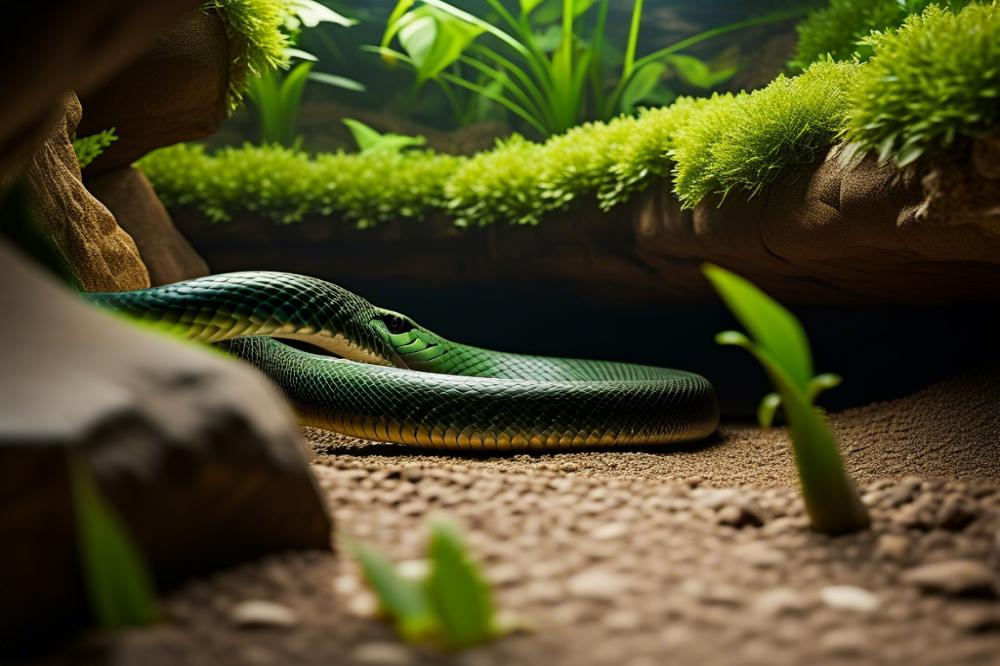
Common Mistakes to Avoid When Setting Up a snake habitat
Creating a proper environment for your pet snake is crucial. A well-crafted habitat can influence not only how comfortable it feels but also its overall health and wellbeing. When snake care is done correctly, your pet can thrive both physically and mentally.
Many factors play into the installation of an enclosure, including temperature regulation, humidity levels, and substrate choice. Each of these elements has a significant role in mimicking the natural conditions where snakes live. Providing adequate lighting is also important, as it can help regulate the snake’s behaviors.
It’s easy to overlook certain aspects when setting up the habitat. Common mistakes can lead to health issues like dehydration or stress. If humidity levels are too low or if hiding spots are insufficient, the results can be detrimental. Understanding the specific needs of your snake species will guide you in avoiding these errors.
In this article, we will explore the various pitfalls that many new snake owners encounter. By being aware of these common blunders, you will be more likely to create a thriving snake habitat for your new pet.
Understanding Snake Habitats
Different types of snake habitats exist, each suited to many species. Some snakes thrive in deserts, while others prefer tropical rainforests. Aquatic snakes like the water moccasin live mainly in or near water. Consider the environment when choosing your snake.
Key Elements of a Suitable enclosure setup
A proper enclosure setup includes several important elements. The enclosure must provide enough space for the snake to move freely. temperature regulation is vital; snakes are cold-blooded and depend on external heat sources. Maintaining humidity levels is also crucial for their well-being. A humidity range between 40% and 60% works well for most species.
Lighting plays a significant role in your snake’s health as well. UVB lighting helps some species synthesize vitamin D3. Additionally, substrate choice influences the overall comfort of the habitat. Natural materials like aspen shavings or coconut coir can be beneficial. Don’t forget to add hiding spots, as snakes need secure areas to feel safe. They spend significant time resting and hiding.
Importance of Species-Specific Requirements
Recognizing species-specific requirements is critical for proper care. Not all snakes require the same conditions. Some may need higher temperatures to digest their food effectively, while others may be more tolerant of cooler environments. Ensuring a balanced feeding schedule is important for their health, as well. Water requirements differ, too. Always provide fresh water to drink and soak in.
Many common mistakes occur when setting up a snake’s home. Overcrowding the enclosure can lead to stress and aggression. Failing to monitor humidity or temperature can result in serious health issues. Remember, each species of snake has tailored needs. Taking the time to understand these elements can lead to a healthier and happier snake.
Common Mistakes in Enclosure Setup

Choosing the Wrong Size of the Enclosure
One of the biggest errors people make is selecting an enclosure that’s too small. Snakes need room to move around and stretch out. A cramped space can lead to stress and health issues. Each species has its own requirements for size. Research the specific needs of your snake. A larger environment also makes it easier to establish hiding spots and temperature gradients. Remember, an inadequate enclosure can hinder proper feeding and overall snake health.
Neglecting Proper Ventilation and Access
Another common mistake is overlooking the importance of ventilation. Snakes require fresh air to thrive. Without proper airflow, humidity levels can become dangerously high. This can lead to respiratory problems. Additionally, easy access for both the snake and the owner is crucial. Regular monitoring of tank conditions helps maintain stability. Complicated lid mechanisms can make feeding a frustrating experience. Designing the enclosure to allow easy access is vital for both care and maintenance.
Inadequate Security to Prevent Escapes
Escape attempts are a frequent problem with snakes, especially when enclosures are not securely closed. Snakes are skilled at finding ways to get out. A lid that is too loose or not properly fitted is a recipe for disaster. Even small gaps should not be overlooked; curious snakes can exploit them. Add locks or heavy weights to ensure security. Regularly checking the enclosure setup can prevent unexpected escapes and the associated stress. Keeping your snake contained is essential for its safety and the safety of others.
Temperature Regulation Errors
Many beginners don’t realize that different snake species have specific temperature needs. Each type of snake thrives within a unique range of temperatures. Researching these needs is essential for snake health. Ignoring this factor can lead to stress or worse, illness.
A common mistake lies in the failure to create a temperature gradient within the enclosure setup. Snakes require both a warm and a cooler area to regulate their body temperature. Without this gradient, they cannot properly thermoregulate. Not using a thermometer to monitor the temperature can result in problems that are easily avoidable.
Some people think that heating rocks or heat mats are good enough for warmth. However, using inappropriate heating sources can be harmful. Heat sources that get too hot can cause burns. On the other hand, underheating can lead to metabolic issues. It’s crucial that heat sources are safe and suited for reptiles.
Light and temperature are interconnected, so proper lighting also matters. Different species may need specific lighting that affects their activity levels. Considering the time of day and the snake’s natural environment can guide your lighting choices. Remember, keeping humidity levels within the right range is just as critical as temperature. Too much humidity or too little can both create a disastrous situation.
Choosing the right substrate is another aspect that might affect temperature and humidity. Some substrates retain heat better than others. A well-chosen substrate can help maintain a consistent atmosphere within the habitat. This setup promotes better overall health for your snake.
Hiding spots are essential too. They provide security and comfort, allowing snakes to thermoregulate more effectively. Ensure that these areas are located both in warm and cool zones. This choice enables your pet to find the ideal temperature for their needs.
Humidity Levels Mismanagement
Importance of Humidity for Snake Health
Humidity levels play a critical role in the overall health of snakes. Most species thrive in environments that mimic their natural habitats. Too much dryness can lead to shedding problems, while excessive moisture can cause respiratory issues. Maintaining a balanced atmosphere is essential for their wellbeing and comfort.
Common Mistakes in Maintaining Appropriate Humidity Levels
One common mistake is failing to measure humidity regularly. This often leads to unforeseen fluctuations that can harm the snake. Many owners neglect to consider the enclosure setup. The materials used can absorb or retain moisture differently. Using the wrong substrate choice can create an environment that is either too dry or too wet. Lighting also impacts humidity, as heat can evaporate moisture. Not having enough hiding spots can further stress snakes, causing them to avoid humid areas.
Impact of Improper Humidity on Snake Wellbeing
Improper humidity levels can gravely affect a snake’s overall health. Decreased hydration often results in shedding difficulties, leading to potential skin infections. Too much humidity promotes mold growth, which can trigger respiratory diseases. Temperature regulation is intertwined with humidity; both must be prioritized. Avoiding these common mistakes will lead to a healthier and happier snake. Ample attention to water requirements is also necessary for hydration. Recognizing the signs of distress from wrong humidity can make a huge difference.
Lighting Considerations
Ignoring the light needs of certain snake species can lead to serious issues. Each species has specific requirements for lighting that can impact their health. For instance, some snakes thrive in bright environments, while others prefer dim conditions. Understanding these needs is crucial when creating an enclosure setup. It’s vital to research your snake’s natural habitat to mimic their requirements accurately.
Common errors arise when people set up their habitats with either natural or artificial lighting. Natural light can be beneficial, but it can also lead to overheating if not managed properly. Having windows near the enclosure can cause temperature regulation challenges. On the other hand, artificial lighting must be chosen carefully. Many owners mistakenly use light bulbs that produce too much heat or not enough brightness. This can disrupt the delicate balance of temperature and humidity levels, creating an unsuitable environment.
Light cycles must mimic natural habitats. Snakes require periods of light and darkness to establish a regular day-night rhythm. Using timers can aid in managing these cycles effectively. Without proper cycling, snakes may experience stress, affecting their feeding and overall health. Additionally, providing a variety of lighting options can offer a more enriching environment. Many owners overlook the importance of UVB light for specific species that depend on it for calcium absorption.
Overall, understanding the intricate relationship between lighting and snake health is essential. Proper lighting can encourage natural behaviors, such as basking and exploring. Pay close attention to how lighting interacts with substrate choice and hiding spots. Each element in the habitat should work together to support your snake’s well-being.
Substrate Choice Dilemmas
Choosing the right substrate materials for your snake is crucial. Many beginners opt for regular soil or cedar shavings, thinking these are suitable. However, cedar can be harmful due to its oils. Opting for untreated aspen shavings or coconut fiber is generally a better choice. These materials can create a more natural environment for your snake.
The impact of substrate on snake health is significant. Substrate helps regulate humidity levels within the enclosure setup. If the material retains too much moisture, it can lead to mold growth. This problem poses health risks for the animal. Meanwhile, too dry a substrate can cause shedding issues and other skin problems for your snake.
Common mistakes surface when it comes to maintaining substrate hygiene. Regular cleaning is essential to prevent harmful bacteria from developing. Skipping this task can create a foul odor and result in a dirty habitat. Bacteria and waste can seriously affect your snake’s well-being, leading to illness. It’s important to change the substrate completely from time to time to promote a healthier environment.
Pay attention to the consistency of the substrate as well. Too fine a material can cause respiratory issues, while large particles might not provide proper burrowing opportunities. Remember that snakes need hiding spots for comfort and security. Choosing appropriate substrate helps facilitate this need as it can cover those hiding spots well.
Feeding your snake can also be influenced by substrate choice. For instance, fragments of certain materials might stick to prey items, leading to ingestion risks. Water requirements for different snake species vary, making it essential to monitor how the substrate interacts with the water bowl. Some substrates absorb too much moisture, affecting the humidity levels further.
Hiding Spots and Enrichment Failures
Hiding spots play a crucial role in providing security for snakes. These creatures often feel vulnerable in their environment. If they do not have suitable places to retreat, they can become stressed. Stress negatively impacts snake health, leading to various issues. A well-designed enclosure setup should include multiple hiding areas. Using materials like cork bark or hollow logs allows snakes to feel safe.
Common mistakes in providing insufficient enrichment often stem from misunderstanding a snake’s needs. Many owners focus solely on temperature regulation and humidity levels. However, without stimulating environments, snakes may become bored. Boredom can lead to abnormal behaviors, like excessive hiding or aggression. Providing branches for climbing or rocks to explore adds interest and variety. Additionally, incorporating a diverse substrate choice encourages natural digging behaviors.
Understanding the need for natural behaviors goes beyond just basic care. In the wild, snakes hunt, hide, and interact with their environment. Replicating this in captivity is essential. Feeding should mimic natural hunting patterns; using live prey can be beneficial. Giving snakes time to explore their surroundings also fosters mental engagement. Water requirements are another critical aspect that should not be overlooked. A clean, accessible water source is necessary for hydration and overall well-being.
Ultimately, maximizing the quality of an environment leads to healthier snakes. Avoiding common mistakes, such as a lack of hiding spots, is vital. Creating a habitat that encourages natural behaviors supports both mental and physical health. Regularly assessing the enclosure setup is a good practice. Remember that a well-rounded habitat is fundamental for your pet’s happiness.
Feeding and Water Requirements
Common Feeding Mistakes and Their Effects on Snake Health
Providing the right food is essential for all snakes. Many new owners mistakenly feed their snakes too often. Overfeeding can lead to obesity and health issues. Each species has its own dietary needs. Understand what your particular snake eats to keep it healthy. Feeding live prey can also pose a risk. Live animals might injure your snake during feeding. If you choose this method, supervision is critical. Frozen or pre-killed prey is often a safer option. Always monitor your snake’s response to its food to avoid problems.
Neglecting to Provide Fresh Water Regularly
Water is crucial in snake care. Many people overlook the importance of fresh water. It should be available at all times. Stagnant water can foster bacteria. Regularly change the water to keep it clean. A shallow dish works well for most snakes. Ensure the water temperature matches the enclosure setup. In extreme cases, dehydration can occur. Snakes may refuse food if they are not hydrated properly, impacting their overall health.
Impact of Feeding Schedules and Methods on Snake Welfare
Feeding schedules are just as important as food choice. Different species have specific feeding routines. Some may eat once a week while others may require more frequent meals. Following a consistent feeding schedule helps maintain their health. Observe your snake’s behavior after feeding. A snake that is stressed or lethargic may indicate an issue with feeding. Temperature regulation also plays a role in digestion. If the enclosure is too cold, digestion may slow down, leading to problems. Remember that a healthy feeding routine affects your snake’s general well-being. Adjust feeding methods based on your snake’s needs and behaviors. Attention to detail can make a significant difference in their quality of life.
Final Thoughts on Creating an Optimal Habitat
Setting up a snake habitat can be a rewarding venture, but it comes with its challenges. Recapping the mistakes made most often, it’s crucial to avoid improper enclosure setup. Providing ample space for your snake is essential, as cramped conditions can lead to stress and health issues. Poor temperature regulation often results in lethargy or discomfort. Choosing the wrong substrate can also harm your pet, particularly if it leads to ingestion or irritation. Missing out on necessary hiding spots leaves snakes feeling exposed and insecure.
Creating a healthy environment for your pet is not just about what you include; it’s also about what you leave out. Avoiding common pitfalls is vital for ensuring the long-term well-being of your snake. Every detail matters, from humidity levels to the quality of food. As you navigate your snake care journey, remember that research is your best friend. Resources are abundant and can guide you in making informed decisions. Don’t hesitate to ask experienced keepers for advice or clarification on unfamiliar practices.
Prioritize understanding your snake’s specific species needs, as requirements can vary significantly. Thorough research will empower you to create an ideal living space that mimics their natural habitat as closely as possible. Patience and dedication will lead you to a thriving pet. By taking these steps, you turn a unique enclosure into a safe haven. In the end, a well-planned habitat leads to a happier and healthier snake.

