
How to Create a Naturalistic Habitat for Your Snake
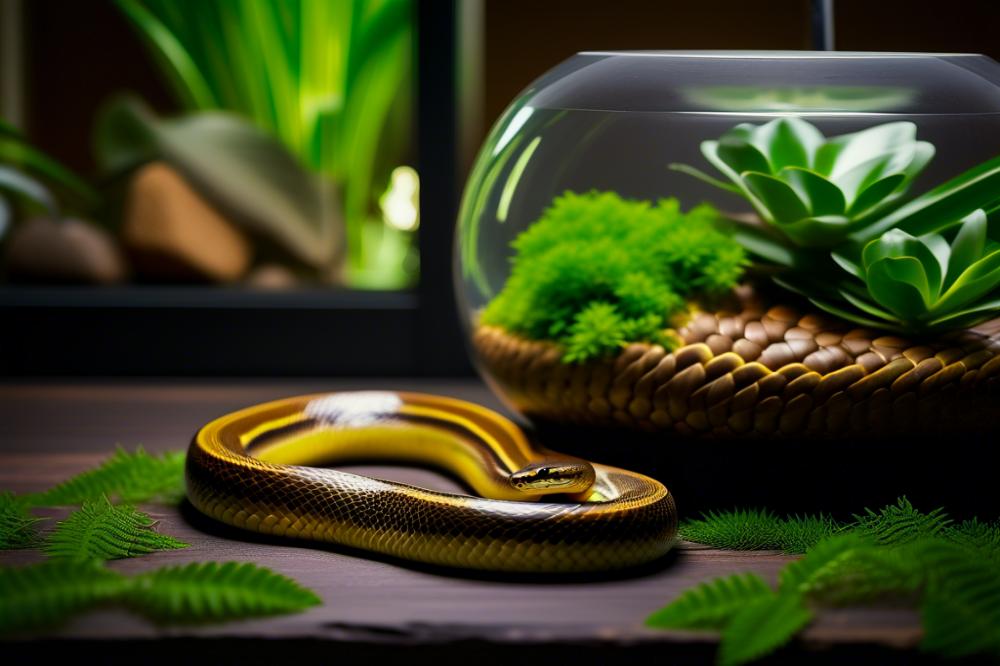
Creating a suitable environment for your snake is essential for its health and well-being. Snakes thrive in conditions that mimic their natural habitats. A well-designed terrarium setup provides not only comfort but also promotes essential behaviors in these reptiles.
Proper snake care starts with understanding what a snake needs to thrive. A naturalistic habitat can significantly improve their quality of life. This means carefully considering temperature regulation and humidity levels, two crucial factors in maintaining an optimal environment for your pet.
Hiding spots, for instance, are vital for a snake to feel secure. Providing various substrate choices enhances not just comfort, but also encourages exploration and activity. Decorative elements like rocks or branches add visual interest while enhancing habitat enrichment. Creating a dedicated feeding area is equally important, as it helps in establishing a routine for your snake.
Throughout this article, we will explore these critical elements in detail. By doing so, you will learn how to create a naturalistic environment that caters to your snake’s unique needs. This approach not only benefits your pet’s physical health, but it also encourages natural behaviors, leading to a happier and healthier snake. Snakes, after all, are fascinating creatures deserving of a well-planned habitat.
Creating a snake habitat
Defining snake habitat
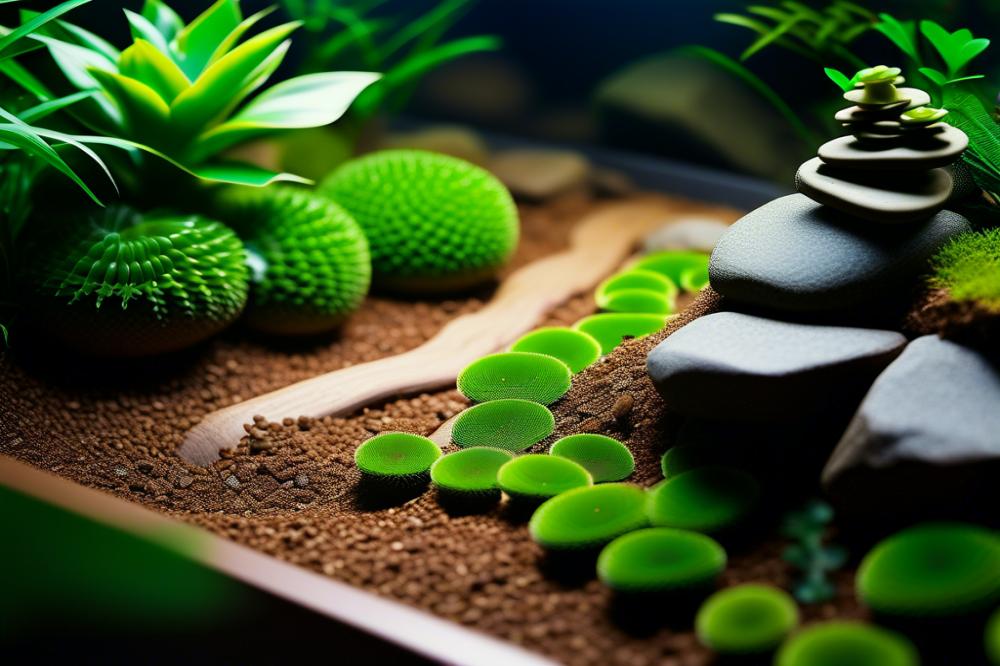
A snake habitat refers to the specific environment that mimics the natural surroundings of a snake. This includes various elements like temperature and humidity. Different species thrive in different conditions. Understanding these factors is crucial for a thriving snake. Wild environments like forests, deserts, and grasslands all present unique challenges. Replicating these elements in captivity creates a comfortable space for your pet.
Importance of snake care in Habitat Setup
Snake care is vital during the habitat setup process. Proper care ensures your snake can thrive in this environment. Healthy snakes exhibit better behavior and avoid stress. Neglecting the specific needs of your snake can lead to health issues. Attention to detail makes a significant difference. Considerations such as capturing the right temperature and humidity levels must not be overlooked. Well-cared-for snakes live longer, more fulfilling lives.
Overview of Suitable terrarium setup for Different Snake Species
Creating a terrarium setup starts with choosing the right enclosure size. For smaller snakes, a 20-gallon tank may be sufficient. Larger species require a bigger space to roam. Substrate choices like aspen shavings or coconut fiber can mimic natural ground cover. Inside the tank, decorative elements like rocks and branches provide climbing opportunities. Hiding spots also play a key role in reducing stress. Snakes feel more secure with multiple places to retreat.
Feeding areas should be distinct from resting zones within the enclosure. This separation helps maintain a clean habitat. Temperature regulation is crucial; different species prefer different ranges. A basking area with heat lamps can create the right conditions. Additionally, monitors should maintain humidity levels appropriate to the snake’s needs. Regular checks can ensure the habitat remains stable.
Lastly, habitat enrichment enhances the quality of life. Introducing new objects periodically can stimulate your snake’s curiosity. This can involve rearranging decorative elements or adding new hiding spots. Overall, understanding the specific needs of your snake leads to a successful setup. With attention and care, you can create a thriving environment.
Temperature and Humidity Control
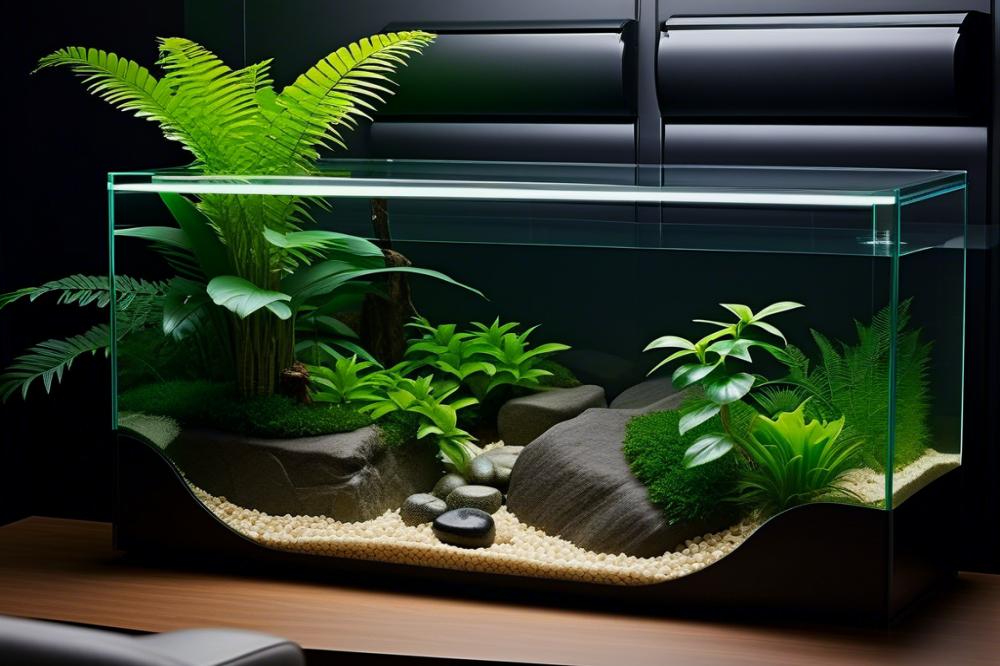
Temperature regulation is crucial for snake health. Snakes are ectothermic creatures, meaning they rely on external sources to regulate their body temperature. This need makes it important to create a suitable environment within your terrarium setup. A temperature gradient allows your snake to move to warmer or cooler areas as needed. Having both a warm basking spot and a cooler retreat is vital. Ideally, the warm side should range from 85 to 92 degrees Fahrenheit, while the cool side should be between 75 and 80 degrees.
Maintaining humidity levels also plays a significant role. Different species require varying moisture levels. For example, tropical snakes such as the ball python thrive in higher humidity, generally around 50% to 70%. You can achieve this by misting the terrarium and providing a water bowl that is large enough for soaking. In contrast, desert snakes prefer dryer conditions, with humidity levels between 20% and 40%. Make sure to research the specific needs of your pet to properly adjust humidity.
Substrate choices can impact both temperature and humidity. A substrate that retains moisture, like coconut coir, may help maintain higher humidity. Decorative elements such as rocks and logs can create microclimates within the reptile enclosure. Hiding spots are essential too; snakes often seek out secure areas to feel safe. These structures can also help moderate temperatures in their surroundings. Positioning the feeding area in a separate part of the habitat can support their natural behaviors.
Monitoring the environmental conditions should be a regular part of snake care. Accurately using a thermometer on both ends of the enclosure will provide clarity on temperature gradients. You can use a hygrometer to measure humidity levels as well. These tools help you make adjustments when necessary, ensuring that your snake remains healthy and active in its unique habitat.
Substrate Choices
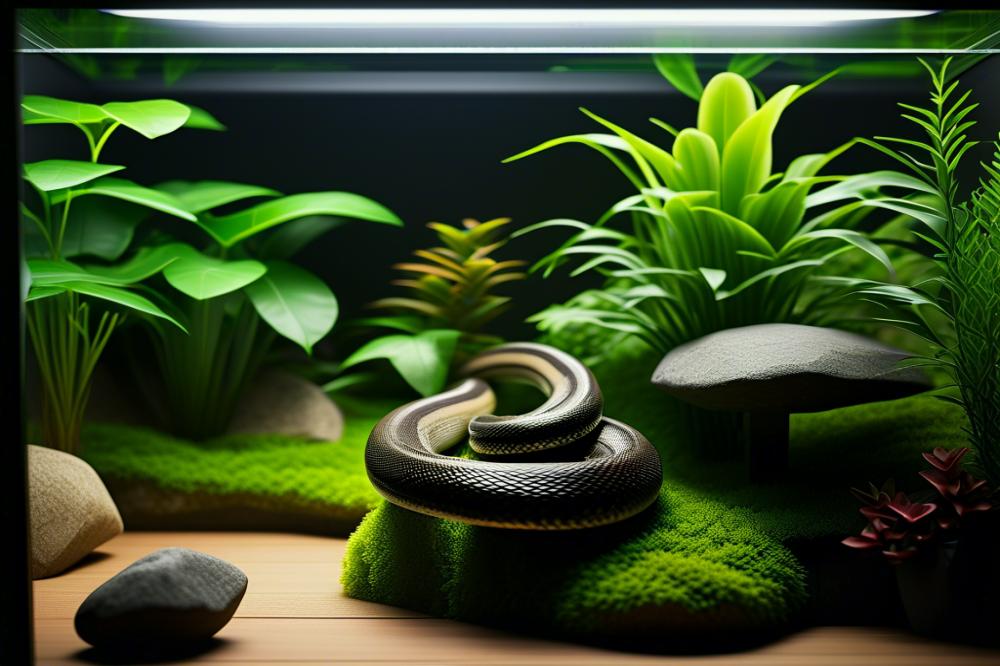
Choosing the right substrate is a key part of snake care. Various options exist, and each brings its own advantages and disadvantages. Common substrates include aspen shavings, coconut coir, and sand. These materials can impact your snake’s health, comfort, and overall living experience.
Overview of Common Substrate Options
Aspen shavings are popular for many snakes. They are absorbent and help control humidity levels. Coconut coir is another excellent choice. This substrate retains moisture, which is great for tropical species. Sand might be suitable for desert snakes, but it can pose risks for ingestion. Paper towels and newspaper are easy to clean, but they lack some natural benefits.
How to Choose the Right Substrate Based on Snake Species
Selecting the ideal substrate often depends on the specific species of snake. For instance, keepers of ball pythons often choose aspen or coconut coir. These snakes thrive in environments where humidity is balanced. If you have a corn snake, you might opt for fine aspen or shredded paper. This will provide both comfort and easy maintenance. For those with desert snakes like a western hognose, sand might be the best choice. Always research your snake’s natural habitat to make the best decision.
Benefits of Natural Substrates Versus Artificial Options
Natural substrates typically offer better habitat enrichment. They mimic a snake’s wild environment more closely. This can promote natural behaviors such as burrowing and hiding. Artificial substrates, like reptile carpet, can be easier to clean. However, they might lack the naturalistic feel that many snakes appreciate. Consider how your substrate choice reflects the temperature regulation needs of your snake. Real materials can help maintain a suitable environment while enhancing comfort.
Beautiful decorative elements can complement your chosen substrate. Hiding spots are essential for many snakes as they seek security. Adding rocks, logs, or plants can create a more engaging environment. A well-thought-out terrarium setup will provide the best experience. Make sure the feeding area remains clean, while also ensuring your snake can engage in healthy behaviors.
Incorporating Hiding Spots and Decorative Elements
Creating a secure environment is essential for the well-being of your snake. Hiding spots are crucial for fostering a sense of safety, as they provide reptiles with places to retreat and feel protected. In the wild, snakes naturally seek refuge to avoid predators and regulate their stress levels. Without these safe zones, your pet may become anxious, which can affect its overall health and behavior.
There are many options for naturalistic hiding spots. Rocks, hollow logs, and large pieces of bark can create excellent shelters. These items can mimic a snake’s natural environment, allowing it to feel at home. Additionally, live or artificial plants can offer cover and create visual barriers. Make sure to locate hiding spots in various areas of the enclosure so your snake can explore. This adds variety and encourages natural behaviors, aiding in habitat enrichment.
Decorative elements also play a significant role in creating a dynamic environment. Along with aesthetics, they can enhance the habitat’s functionality. For example, climbing structures made from branches or cork can provide new spaces for exploration. Additionally, adding a feeding area with foliage can engage your snake during meal times. The new elements will stimulate your pet’s curiosity while supporting its health through enrichment.
When setting up a reptile enclosure, consider how these components work together. Hiding spots should be well-distributed to meet your snake’s preferences. Think about substrate choices, as a soft or textured surface can help create a comfortable area for your pet. Alongside temperature regulation and proper humidity levels, these features combine to form a suitable living space. Observing how your snake interacts with its surroundings may reveal its preferences and help you craft the perfect habitat.
Creating a Feeding Area
Establishing a designated feeding area within your reptile enclosure is crucial. This specific spot helps both the owner and the snake during meal times. Choose an area that is easy to access yet separate from hiding spots. This separation can help avoid stress during feeding.
When considering feeding methods, think about the snake’s preferences. Some snakes thrive on live prey, while others may do better with frozen and thawed options. Observe how your snake responds to different methods, as they each have their pros and cons. Timing also plays a vital role; feeding during the snake’s active hours can encourage natural hunting behavior.
Cleanliness in the feeding area cannot be overlooked. Food scraps can attract unwanted pests and disrupt humidity levels. Regular cleaning helps maintain proper substrate choices as well. After each feeding, remove any leftover food immediately. This not only keeps the space tidy but also helps prevent bacteria growth.
Remember to assess temperature regulation in this area as well. Snakes require specific heat levels to help with digestion. A warmer section designated for feeding might be beneficial, aiding in their overall health. It’s essential to keep humidity levels in check, too, as excessive moisture can lead to mold growth and other issues.
Consider adding some decorative elements around the feeding area. Use non-toxic plants or rocks to create a visually appealing setup. Incorporating hiding spots nearby can also provide a sense of security for the snake during feeding. This approach helps in mimicking a more naturalistic habitat and enhancing habitat enrichment.
Habitat Enrichment Techniques
Habitat enrichment is vital for snake welfare because it keeps them active and engaged. When snakes live in a stimulating environment, they experience reduced stress and can exhibit more natural behaviors. Boredom may lead to health issues or less activity, which does not support good snake care. Ensuring that your reptile enclosure is enriched can greatly enhance their happiness and well-being.
Ideas for Enrichment
There are several ways to enrich a snake’s habitat. Consider adding climbing structures like branches, vines or shelves. Snakes often enjoy perching at various heights, mimicking their behavior in the wild. Water features can also be beneficial. Providing a shallow pond or a waterfall allows for bathing and drinking, which helps with temperature regulation and humidity levels.
Substrate choices contribute to enrichment as well. Natural substrates like coconut fiber or bark offer different textures for exploration. Incorporating decorative elements like rocks and logs can create hiding spots for security. A well-defined feeding area also prevents stress during mealtime, as it gives snakes a familiar space for eating.
Rotating Elements
To keep the enclosure stimulating, you should rotate the elements regularly. Changing the layout of the climbing structures, or swapping out the hiding spots can spark curiosity. If a snake gets used to its environment, it may become less active. On the other hand, introducing new items or rearranging the existing ones will encourage exploration and activity.
Integrating seasonal changes is another way to keep the environment fresh. Consider adapting decorations and hiding spots based on the time of year. This method keeps the habitat dynamic and prevents monotony. Habitats filled with interesting structures will help in promoting exercise and natural tendencies.
Wrapping Up Your Snake Habitat Experience
A well-designed habitat is crucial for the health and happiness of your snake. It allows for natural behaviors and reduces stress. Remember, a turtle’s environment mirrors the qualities of a wild setting. This balance helps them to thrive within your care.
Consider integrating the elements discussed throughout this article. Proper humidity, temperature, and hiding spots are essential features. These aspects of your terrarium setup will contribute significantly to your snake’s well-being. Each decision you make affects their overall development and behavior.
Observing your pet can guide adjustments to their environment. Snakes are adaptive creatures, and your careful attention can lead to a more enriching habitat. Changes, such as adding new decorations or modifying light settings, can inspire curiosity and exploration. Regularly revisiting your setup will promote effective snake care and enhance their quality of life.

