
The Role of zoos in Saving the conservation-of-the-aruba-island-rattlesnake-in-the-caribbean”>Indian Rock Python
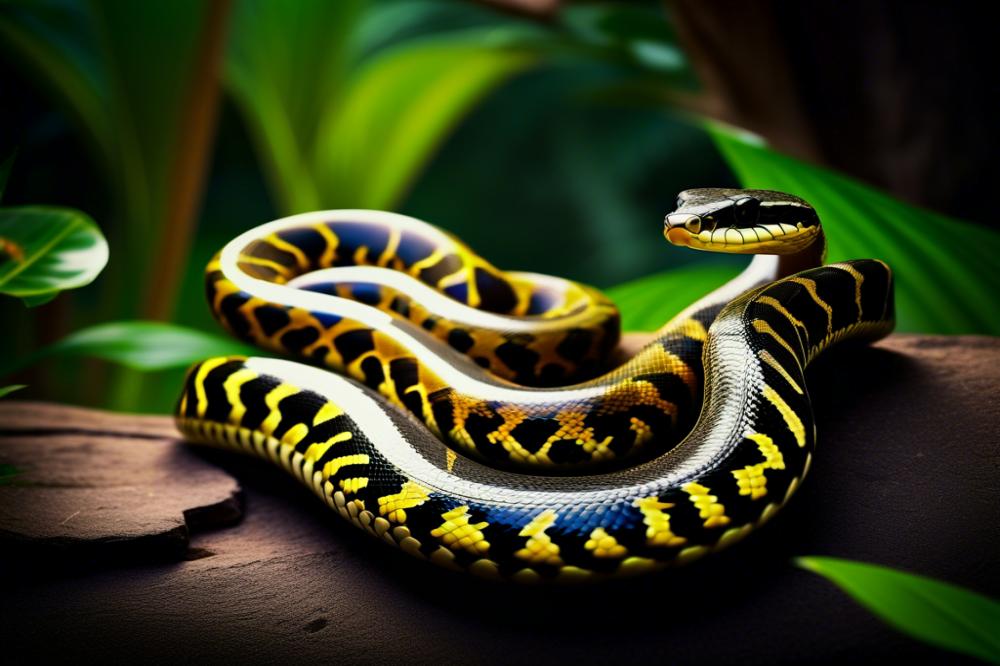
The conservation-of-the-aruba-island-rattlesnake-in-the-caribbean”>Indian Rock Python is a fascinating reptile that captivates many. This non-venomous snake resides primarily in the forests, grasslands, and wetlands of India and other parts of Southeast Asia. Its ability to blend into the environment makes it both an efficient predator and a target for human activities. Unfortunately, its population faces significant threats due to habitat loss, poaching, and conflicts with humans.
Currently classified as endangered, this species struggles to survive in its natural habitat. Overexploitation and deforestation have severely affected its numbers. Without immediate action, the risk of extinction looms large. For this reason, wildlife protection becomes crucial. zoos play an essential part in the fight to save the species. They are not just places for entertainment; they also engage in breeding programs and habitat preservation initiatives.
Various conservation efforts are underway to help endangered species like the Indian Rock Python. Zoos offer a controlled environment where these reptiles can thrive. Additionally, they serve as educational platforms, raising awareness about the importance of these creatures and their role in the ecological balance. Through education, visitors learn about wildlife protection and how vital it is to address human-wildlife conflict.
Moreover, the importance of reptile care in zoos cannot be overstated. Trained staff ensure that the needs of the snakes are met. This includes proper diet, habitat simulation, and health monitoring. These factors are critical for successful breeding programs that can eventually help reintroduce the species back into its natural habitat.
The Indian Rock Python and Its Importance
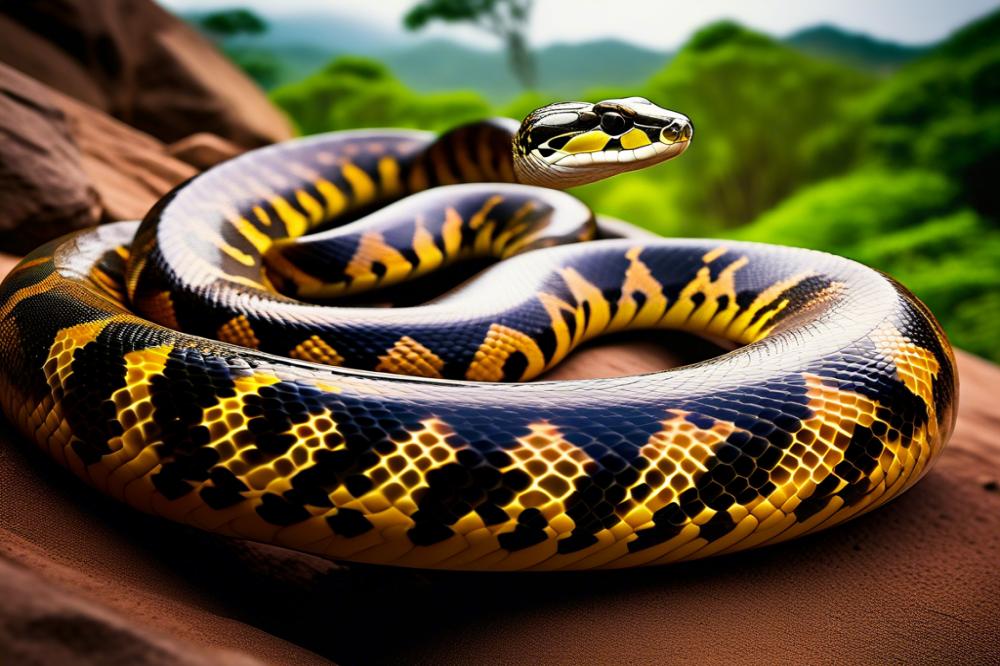
The Indian Rock Python is a crucial species in its habitat. This magnificent reptile plays a vital role in sustaining the ecosystem. By controlling the population of small mammals and birds, it helps maintain ecological balance. Without such predators, certain species may overpopulate, leading to food shortages and habitat degradation.
Local cultures also hold the Indian Rock Python in high regard. In various communities, stories and traditions celebrate this serpent. It often symbolizes strength and resilience. The presence of the python can be a source of pride, representing the rich biodiversity of the region.
Efforts in wildlife protection have become increasingly important. Zoos contribute by establishing breeding programs for endangered species, including this python. These programs aim to increase population numbers and genetic diversity. Furthermore, zoos educate the public about the role of such reptiles in their ecosystems.
Habitat preservation is essential for the survival of the Indian Rock Python. Much of its natural environment is under threat due to human activities. Urban development and agriculture can lead to displacement of these animals. Conservation efforts must focus on reducing human-wildlife conflict, allowing people and wildlife to coexist more harmoniously.
Reptile care in zoos is vital for species like the Indian Rock Python. Keepers provide specialized environments that mimic natural habitats. This helps them thrive while being protected from external dangers. Education programs also raise awareness about the threats these pythons face in the wild.
The Role of Zoos in Snake Conservation
Zoos play a crucial role in protecting the Indian Rock Python and other endangered species. Through breeding programs, institutions focus on maintaining genetic diversity. This helps ensure that future generations of these snakes are healthy and resilient.
Rehabilitation is another essential function of zoos. Many times, injured or orphaned snakes are brought in for care. Reptile care specialists assess their needs and provide treatment. This not only helps the individual animals but also contributes to the overall population of their species.
Educational programs are vital for fostering wildlife protection. Zoos offer visitors a chance to learn about the ecological balance and the importance of these creatures. They teach guests about the risks snakes face, such as habitat destruction and human-wildlife conflict. Awareness brings people closer to conservation efforts.
Habitat preservation is another key aspect. Zoos often collaborate with organizations aimed at protecting natural environments. By supporting projects that restore habitats, they help sustain the populations of many species, including distinct snakes.
In addition, participation in global conservation initiatives amplifies their impact. Zoos share knowledge and resources with other organizations, promoting responsible reptile care and conservation. Together, these institutions work diligently to combat the threats facing wildlife today.
Visitors are encouraged to engage with these programs. This interaction can spark a lifelong passion for nature. When people understand the role that snakes play in their ecosystems, they often become advocates for protecting them.
Through a combination of breeding efforts, rehabilitation services, and educational outreach, zoos significantly contribute to the future of the Indian Rock Python. Their dedication to wildlife conservation makes a meaningful difference in preserving these remarkable species for generations to come.
Breeding Programs and Species Recovery
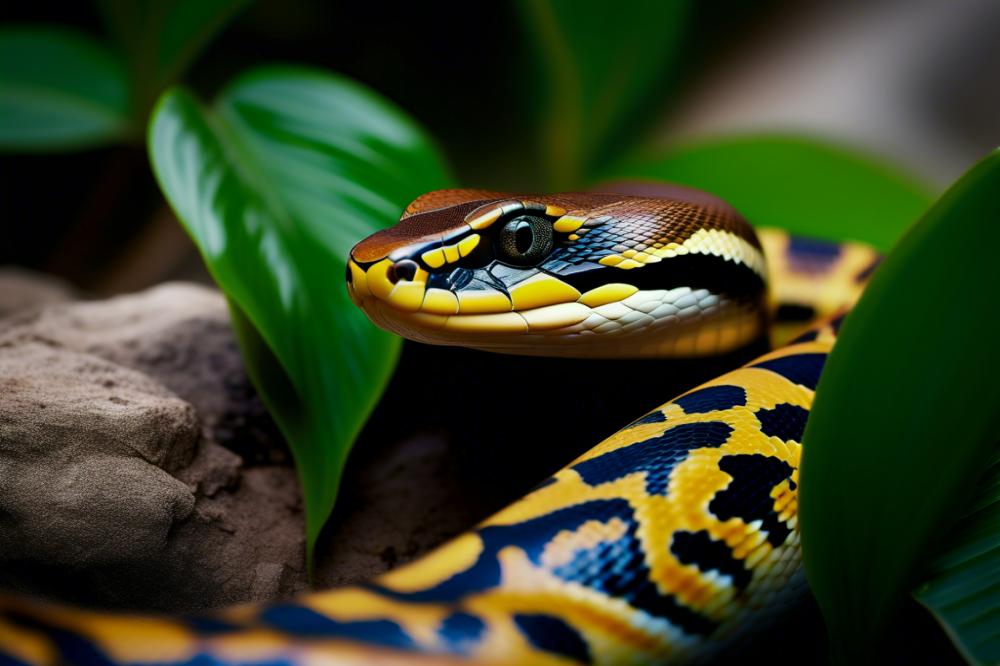
Zoos play a critical role in saving endangered species, including the Indian Rock Python. Various institutions have initiated specialized breeding programs aimed at increasing their numbers. These programs often focus on creating a sustainable population within controlled environments. For example, the XYZ Zoo has successfully bred several individuals through careful monitoring of their reproductive cycles. Their approach includes simulating natural conditions to encourage breeding behaviors.
Success stories abound from these breeding initiatives. Reptile care specialists have observed higher birth rates in the controlled environments of zoos. The ABC Zoo reported a 70% increase in hatchlings over the past five years. Many young pythons are raised in these facilities until they reach a suitable age for release. They plan to return some of these reptiles to their native habitats, fostering natural ecological balance.
Challenges persist despite these successes. Breeding reptiles in captivity requires extensive knowledge and resources. Sometimes, difficulties arise from stress and health issues among the animals. Limited genetic diversity can also pose a significant hurdle. Wildlife protection measures must focus on maintaining healthy gene pools for long-term survival. Without careful monitoring, inbreeding might occur, leading to weakened populations.
The importance of these breeding programs extends beyond the zoos themselves. Educating the public about endangered species creates a vital awareness. Visitors often engage with informative displays, learning about the crucial role of habitat preservation. Raising awareness can help mitigate human-wildlife conflict. Every small action counts when it comes to conservation efforts.
Zoos are also essential in the fight against extinction. By growing populations of endangered species, they contribute significantly to wider biodiversity. Each breeding program represents a piece of a larger puzzle in safeguarding nature. Collaborations between zoos and conservation organizations further strengthen these initiatives. Together, they advance research and share crucial findings on species recovery.
Habitat Preservation Initiatives
Zoos play an important role in the protection of the Indian Rock Python’s natural environment. They often collaborate with local governments and conservation organizations to promote habitat preservation. These partnerships help create safe spaces for endangered species. In many cases, zoos contribute resources and expertise to support these efforts.
One major focus is mitigating human-wildlife conflict. When humans encroach on natural habitats, it disrupts ecosystems and threatens wildlife. Zoos often provide education on the ecological balance, informing local communities about the significance of these reptiles. This education can lead to better practices that minimize negative interactions between people and wildlife.
Successful examples of these initiatives can be found across India. For instance, several zoos have worked on land rehabilitation projects. These efforts restore damaged habitats to support local wildlife, including the Indian Rock Python. In many cases, zoos implement breeding programs that release offspring back into their natural environments. By doing so, they help bolster local populations of endangered reptiles.
Some facilities even aid in the establishment of wildlife protection laws. Strong regulations can prevent illegal poaching and habitat destruction. Zoos often advocate for these measures, working alongside governmental bodies to protect vital ecosystems. Without such collaboration, many species would face an uncertain future.
Raising awareness also plays a critical role in habitat preservation. Zoos organize events and educational campaigns to engage the public. These initiatives highlight the challenges that come with wildlife conservation. People learn that their actions matter and can contribute to stronger conservation efforts.
Ultimately, the role of zoos reaches far beyond their walls. They become active participants in the broader goal of sustaining natural habitats. Through innovative breeding programs, education, and community collaboration, zoos provide essential support in safeguarding the future of the Indian Rock Python and many other endangered species.
Education and Community Engagement
Zoos play a crucial role in educating the public about important wildlife topics. They focus not only on the Indian Rock Python but also on broader issues related to reptile care and conservation efforts. Through engaging programs, visitors learn why protecting endangered species is essential. Exhibits and demonstrations highlight the fascinating world of snakes and their vital role in maintaining ecological balance.
Community involvement is also a significant aspect of zoo initiatives. Many zoos run workshops and outreach programs that reach local neighborhoods. These efforts aim to raise awareness about wildlife protection and habitat preservation. By promoting coexistence between humans and wildlife, these programs help reduce human-wildlife conflict. Educating people about how to live harmoniously with local wildlife is key to successful conservation.
Breeding programs set up by zoos are another vital component of their strategy. They aim to increase populations of various threatened species, providing a safe space for them. Success stories emerge when zoos work together with local communities and conservation groups. Sharing knowledge about successful breeding efforts can inspire action and support for wildlife protection in various areas.
Overall, the educational resources available in zoos encourage visitors to think critically about their relationship with nature. Interactive displays and close encounters with animals foster a sense of empathy toward all creatures. The sense of wonder that arises in these settings turns curiosity into a commitment to conservation. In this way, zoos contribute significantly to the ongoing efforts to protect species that face imminent threats.
Challenges in Conservation Efforts
Zoos face numerous challenges when it comes to conserving the Indian Rock Python. Habitat loss is one major issue. As urban areas expand, forests and wetlands vanish. These snakes need specific environments to thrive. Without proper habitats, their survival is at risk.
Illegal trade severely threatens endangered species. Poachers seek pythons for the exotic pet market and for their skins. This black market undermines legitimate conservation efforts. It creates a cycle of demand that zoos struggle to combat.
Misconceptions about snakes also hinder progress. Many people view reptiles as dangerous creatures. This perception can foster fear rather than respect. Education is critical in changing these attitudes. Zoos play an important role in providing information about snakes and their ecological roles.
Breeding programs are essential for increasing population numbers. Yet, they require resources and expertise. Zoos tend to focus their efforts on certain species due to limited funding. Collaboration between facilities can improve the overall effectiveness of these initiatives.
Habitat preservation efforts often rely on governmental support. Laws must protect natural spaces where these pythons roam. Without such protections, the risks of destruction grow. Human-wildlife conflict can increase when animals venture into populated areas, further complicating conservation.
Strategies to overcome these challenges include community involvement. Zoos can partner with locals to promote wildlife protection. Engaging the public in discussions about the importance of ecological balance is vital. Together, they can create a more sustainable future for reptiles and their habitats.
Overall, addressing these challenges requires dedication. The work of zoos in conservation must continue to evolve. Awareness and education are powerful tools in the effort to promote reptile care. Creating a more informed public can eventually lead to better outcomes for this species.
Critical Insights on Conservation Efforts
Zoos play an essential role in the conservation of endangered species like the Indian Rock Python. They serve as sanctuaries where these magnificent creatures can be protected, studied, and bred. By providing a safe habitat, zoos contribute significantly to the population recovery efforts of this vulnerable reptile. Without their involvement, the survival of these pythons would face even more daunting challenges.
Public awareness is crucial in wildlife protection initiatives. Educating visitors about the threats facing the Indian Rock Python can inspire them to support conservation efforts actively. Every person can contribute in their way, whether through donations, spreading awareness, or volunteering.
Collaboration stands as a critical factor in successful conservation. Partnerships between zoos, conservation organizations, and local communities maximize resources and expertise. Engaging communities helps foster a shared sense of responsibility towards wildlife. As these collaborations grow, so do the chances of survival for the species at risk.
Call to action resonates strongly. Individuals must recognize their role in protecting the environment and its inhabitants. Support from the public amplifies the work that zoos do. Every small action can lead to considerable changes in safeguarding vulnerable species. The future of the Indian Rock Python depends on collective efforts today. Let’s come together to protect our wildlife for generations to come.

