
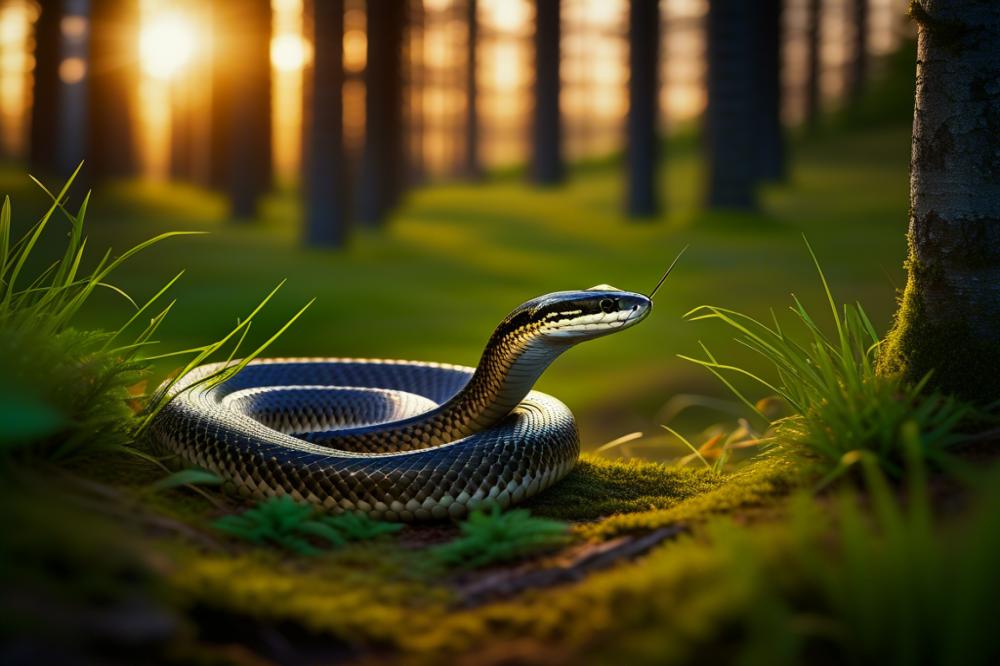
Overview of the European Adder
The European Adder is a notable species found across Scandinavia. This snake plays a crucial role in maintaining ecological balance. Predators rely on it for food, while it helps control rodent populations. Understanding its place in the ecosystem is vital for biodiversity.
Ecological research indicates that adders thrive in diverse habitats, from forests to wetlands. Their adaptability highlights the importance of habitat protection. In Scandinavia, however, this unique creature faces numerous threats. Habitat loss and climate change are primary concerns affecting its survival. Urban expansion and agricultural development reduce suitable environments. These changes impact not just the adder, but entire ecosystems.
Conservation Initiatives have gained traction in recent years. Protected areas have been established to safeguard habitats. Such efforts are essential for species recovery and improving overall wildlife management. Organizations and local communities are mobilizing to support these initiatives. Public awareness campaigns raise knowledge about the importance of snake conservation.
Sustainable development practices are necessary to balance human activities with wildlife needs. Promoting coexistence can help alleviate pressure on natural habitats. It is essential for future generations to appreciate the rich biodiversity of Scandinavia. Preserving the European Adder and its habitat is not just a responsibility; it is an opportunity to celebrate natural heritage.
As challenges mount, the path forward requires dedication. Stakeholders must collaborate to ensure effective conservation strategies. Every small effort contributes to the larger goal of protecting our shared environment.
Understanding the European Adder

The European Adder, scientifically known as Vipera berus, is the only venomous snake native to Scandinavia. This species is easily recognized by its distinctive zigzag pattern along its back, which can vary greatly in color. Typically, it thrives in diverse habitats ranging from heaths and woods to wetlands. Such versatility in habitat requirements allows it to adapt to different environmental conditions.
Grasslands, forests, and rocky areas are all essential for its survival. The adder prefers locations with plenty of sun, where it can bask and regulate its body temperature. Additionally, it seeks out dense vegetation for shelter and hunting. These places are crucial not only for the snake but also for many other creatures that inhabit the same ecosystems.
Role in the Ecosystem
This snake plays a significant role in maintaining ecological balance. As a predator, it helps control populations of small mammals and amphibians. By keeping these populations in check, it indirectly benefits vegetation by preventing overgrazing. Moreover, its decline could lead to unchecked populations of its prey, resulting in negative impacts on local flora.
Currently, the status of the European Adder in Scandinavia is concerning. Population declines have been reported in various regions. Habitat loss due to urban development and agriculture poses a significant threat. Climate change further complicates its survival, as shifting temperatures can disrupt breeding cycles and food availability. These factors contribute to a challenging environment for wildlife management.
Impact of Declining Numbers
Declining populations of the European Adder have implications beyond the species itself. A reduction in snake populations can disturb the ecosystem’s harmony. Biodiversity suffers when any species becomes endangered, as each plays a unique role in its environment. The loss of such a species can trigger a cascade of effects, disrupting food webs and habitat integrity.
To combat this, Conservation Initiatives focus on habitat protection and the creation of protected areas. Public awareness campaigns can play a key role in educating communities about the significance of snakes in the ecosystem. Ecological research also contributes by identifying critical habitats and monitoring population trends.
Efforts for snake conservation reflect a broader commitment to sustainable development in Scandinavia. Balancing human activity with wildlife needs is essential for species recovery. By understanding the European Adder’s role, we can appreciate the importance of maintaining biodiversity for future generations.
Current Habitat Protection Efforts

In Scandinavia, various protected areas play a crucial role in the preservation of habitats for the European Adder and other native wildlife. National parks and nature reserves have been established to safeguard important ecosystems where these snakes thrive. These areas not only provide shelter but also promote biodiversity. The variety of plants and animals within these regions supports the entire food web.
Land management practices significantly contribute to habitat preservation. Agencies often focus on restoring disturbed lands. Through controlled grazing and careful logging practices, they help maintain the delicate balance needed for reptiles and other species. Additionally, public awareness initiatives educate communities on the importance of these animals in the ecosystem.
Collaborative efforts among governments, non-profits, and researchers have bolstered ecological research. Ongoing studies help identify critical habitats and assess how management practices impact snake populations. The data collected guides decisions on development projects which need to be sustainable, thereby aiding species recovery efforts.
Maintaining and improving habitats is essential for snake conservation. Healthy environments support reproductive success and reduce threats from climate change. Conservationists advocate for policies that prioritize natural landscapes and connect fragmented habitats. This connectivity allows for safe movement and breeding among animal populations.
Integrating wildlife management into local policies strengthens these protection efforts. Communities can engage in habitat restoration projects, creating volunteer opportunities for those interested in nature. Such initiatives not only bolster local ecology but also foster a sense of responsibility among residents.
Overall, the combination of protected areas, effective land management, and community involvement creates a supportive framework for the conservation of these snakes in Scandinavia. Their survival hinges on our ability to maintain diverse and healthy ecosystems.
Wildlife Management Strategies

In Scandinavia, various wildlife management approaches target the conservation of the European Adder. These strategies focus on several key areas, including population monitoring, human-wildlife conflict resolution, and managing hunting practices. Each aspect promotes habitat protection, which is crucial for maintaining biodiversity and ensuring the survival of this snake species.
Population monitoring plays a vital role in understanding the status and trends of adder populations. Regular surveys and ecological research help gather important data. This information guides decision-makers in developing effective conservation strategies. Researchers track changes in habitat and assess the impact of environmental factors on these reptiles.
Human-wildlife conflict resolution is another critical component of wildlife management. As human populations grow and urban areas expand, encounters with wildlife increase. Education programs aim to raise public awareness about the importance of snakes in ecosystems. Providing information can help reduce fear and misconceptions about adders, fostering coexistence.
Regulating hunting practices is essential for species recovery. In recent years, hunting pressures have threatened many reptiles, including the adder. Implementing protective measures and creating protected areas can safeguard these animals from excessive hunting. This not only helps snake conservation but also aligns with broader goals of sustainable development in Scandinavian landscapes.
Integrating snake conservation into broader wildlife management plans enhances overall effectiveness. Conservationists emphasize respecting the delicate balance between human activities and wildlife needs. This integrated approach supports the preservation of diverse ecosystems while considering local communities’ interests.
Ultimately, successful wildlife management hinges on collaboration among various stakeholders. Scientists, policymakers, and local communities must work together. By sharing knowledge and resources, all parties can contribute to the long-term survival of the adder and other species. Everyone benefits from healthier ecosystems that thrive on biodiversity.
Public Awareness and Education
Public awareness campaigns play a vital role in promoting snake conservation. Many people in Scandinavia do not fully understand the ecological role that snakes, like the European Adder, play in maintaining biodiversity. Raising awareness about these creatures can lead to greater support for habitat protection and wildlife management.
One effective strategy involves engaging local communities. Schools and community groups can organize workshops to educate citizens about the importance of snakes in ecosystems. Educational programs can highlight how these reptiles control rodent populations, which helps farmers and reduces crop damage.
Educational materials, including brochures and online resources, can also contribute to public understanding. These resources often contain information about protected areas where snakes thrive. For instance, knowledge about these areas can encourage people to participate in conservation activities and support local initiatives.
Moreover, interactive campaigns can have a significant impact. Nature walks led by experts can foster a respect for snakes. Participants learn firsthand about snake behavior and their importance in ecological research. Such experiences make the idea of coexisting with these creatures more relatable and less frightening.
Social media serves as another powerful tool for awareness. Through engaging posts and videos, organizations share fascinating facts about snakes. These platforms can dispel myths and reduce fear, leading to a more favorable attitude toward snake conservation efforts.
In addition, stakeholders must come together to create a unified message about the importance of sustainable development. By aligning conservation goals with the needs of local communities, it is possible to promote a culture that values all wildlife. Community involvement is crucial for fostering a long-term commitment to species recovery and habitat protection.
Findings from ecological research emphasize how key species contribute to ecosystem health. Sharing these insights with the public can create a sense of stewardship. When people understand that their actions can influence biodiversity, they are more likely to support conservation initiatives.
Ultimately, developing strategies that include education and public awareness will enhance the future of snake conservation efforts in Scandinavia. With a focus on respect and understanding, conservationists can inspire a new generation to protect these unique and vital species.
Ecological Research and Monitoring
Scientific research plays a key role in shaping conservation strategies for the European Adder. Its findings provide crucial insights that can guide habitat protection and snake conservation efforts. In Scandinavia, numerous studies have been conducted to better understand population dynamics. Knowing how adders reproduce and survive in their environments is essential for effective wildlife management.
Habitat use is another important area of focus. Research has shown that these snakes have specific ecological requirements. They thrive in environments that offer shelter and proper food sources. Identifying and maintaining these habitats is vital for preserving biodiversity. Protected areas can help mitigate the impacts of habitat loss and fragmentation.
Ongoing monitoring of adder populations is necessary to assess conservation effectiveness. Scientists use various methods to track changes in numbers and health. This data not only informs current practices but also shapes future initiatives. Public awareness is increasing, highlighting the importance of these snakes in local ecosystems. Educating communities about the role of snakes contributes to their conservation.
Ultimately, ecological research and monitoring lay the groundwork for sustainable development. By understanding the ecological needs of the adder, efforts can be made to ensure its survival. These studies are not just academic; they have real-world impacts on species recovery. Support for research initiatives is essential for the long-term success of conservation programs.
Sustainable Development and Conservation
Supporting the conservation of snakes in Scandinavia requires a multifaceted approach. Sustainable development practices play a crucial role in this effort. Balancing land use with the needs of wildlife is vital. Moreover, increasing public awareness about the importance of biodiversity can contribute greatly to these initiatives.
Land use often conflicts with ecological needs. Agricultural expansion and urban development threaten natural habitats. Protected areas are essential for the survival of various species. Designating more regions as safe zones helps create a refuge for local wildlife. In these zones, habitat protection becomes a priority.
Tourism can offer both challenges and opportunities for conservation. Eco-tourism encourages visitors to appreciate nature while promoting species recovery. Responsible tourism practices reduce negative impacts on local ecosystems. They attract funding for projects focused on snake conservation and habitat preservation.
Wildlife management strategies must involve local communities. Engaging residents can increase the effectiveness of conservation efforts. Through workshops and programs, people can learn about the importance of native species. Furthermore, ecological research aids in understanding the complexities of these habitats and species interactions.
Integrating conservation initiatives into regional development plans is essential. This integration ensures that economic growth does not come at the expense of biodiversity. Every development project presents an opportunity to support environmental sustainability. Collaboration between government agencies, non-profits, and local stakeholders can lead to comprehensive plans that protect wildlife and their habitats.
Final Thoughts on Conservation Efforts
Critical conservation initiatives play a vital role in preserving the European Adder and its habitat across Scandinavia. Effective strategies include habitat protection, which focuses on maintaining and improving the landscapes these snakes rely on. Rescues, education, and research are other essential components. Ensuring that local ecosystems remain healthy supports not only the adder but countless other species as well.
Collaborative efforts among stakeholders are necessary to stimulate progress. Scientists, wildlife organizations, and local communities must come together to share knowledge and resources. When everyone contributes, effective solutions emerge. Engaging with local populations fosters awareness and inspires action. Community members can be powerful advocates for conservation.
Ongoing research is crucial. Scientists need to gather more data about the species’ status, behaviors, and environmental needs. This information will inform future conservation strategies and help identify challenges that may arise. Continuous monitoring can reveal shifts in populations, allowing for timely interventions.
We must prioritize conservation initiatives now more than ever. The European Adder faces numerous threats, including habitat loss and climate change. Without sustained effort, future generations may not experience the rich biodiversity that characterizes our natural world. Advocating for these initiatives is not just about saving a single snake; it’s about preserving the larger ecosystem.
In summary, cooperation, community involvement, and constant research are essential to the future of this species. Everyone has a role to play in fostering an environment where the European Adder can thrive. Together, we can drive meaningful change and protect diverse wildlife in Scandinavia.

