
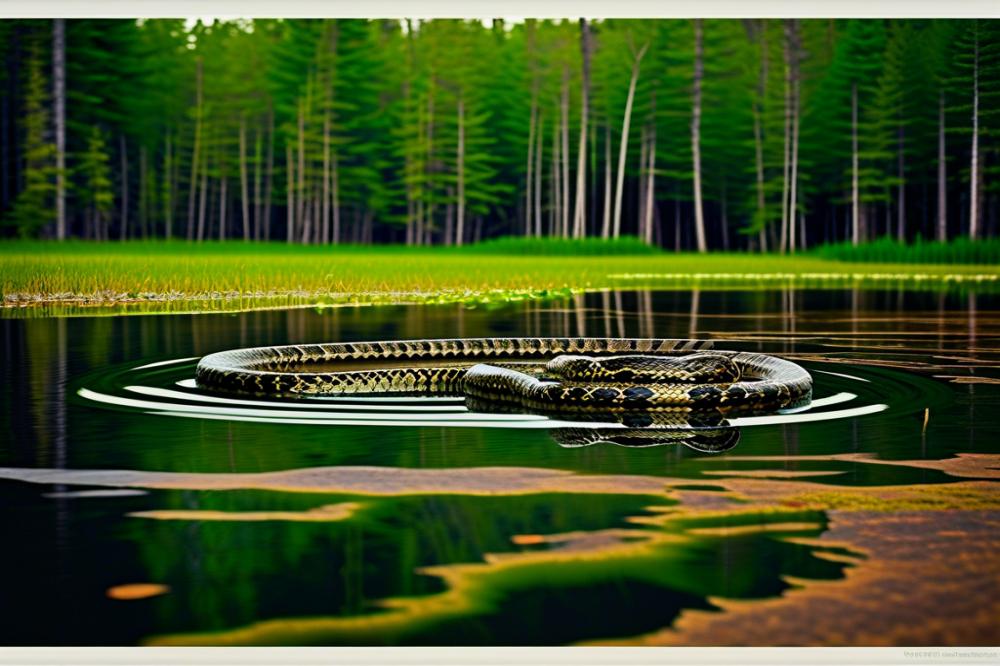
Preserving the Eastern Massasauga Rattlesnake in North America
The Eastern Massasauga Rattlesnake is an intriguing creature that plays a crucial role in the North American ecosystem. This species, found primarily in wetland areas, is often overlooked. Many do not realize that it is a vital part of local biodiversity. As a predator, it helps maintain the balance of various wildlife populations.
Despite its importance, the Eastern Massasauga is currently classified as an endangered species. snake populations have dwindled due to habitat destruction, climate change, and human interference. As natural habitats are converted for agriculture and urban development, these reptiles face greater risks. Wildlife protection measures must be taken seriously to prevent further decline.
conservation efforts are essential to safeguard this unique rattlesnake. habitat preservation and restoration initiatives are necessary. These actions can lead to healthier ecosystems, which benefit many species, not just this one. Ensuring that people are aware of these snakes is also vital. Public awareness campaigns can help change perceptions about reptiles, fostering a deeper understanding of their role in the environment.
Protecting the Eastern Massasauga Rattlesnake is not just about saving one species; it is about preserving the intricate web of life in North America. By prioritizing reptile conservation, we can enhance our natural landscapes for future generations. Each step taken towards preserving these habitats contributes to the overall health of our planet’s ecosystems.
Understanding the Eastern Massasauga Rattlesnake
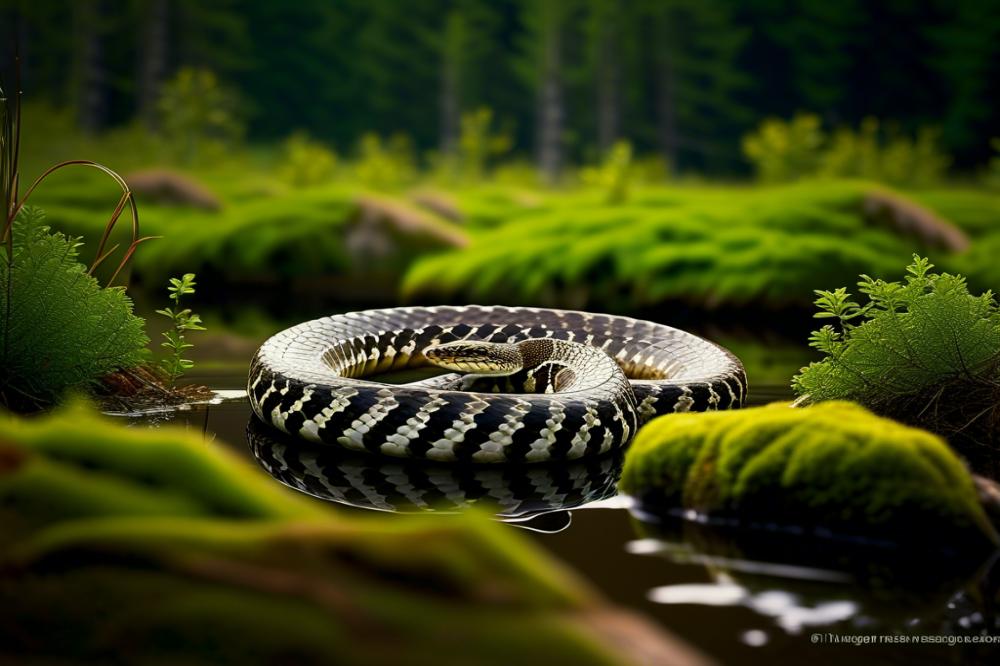
The Eastern Massasauga is a small rattlesnake that can be found in the wetlands and prairies of North America. Typically, it reaches a length of about 30 inches, showcasing a distinctive appearance with gray or brown hues and dark, blotchy patterns. This coloration provides excellent camouflage in its natural habitat. When threatened, the snake can rattle its tail to warn potential predators.
Behaviorally, this snake is known for its reclusive nature. It spends much of its time hidden in burrows or dense vegetation. During the warmer months, it is more active, often hunting for small mammals, amphibians, and insects. As a crucial predator, it helps control populations of rodents and other small animals, contributing to a balanced ecosystem.
Loss of this species poses serious concerns for local biodiversity. When this rattlesnake declines, it disrupts the food web. Predators that rely on this snake for sustenance may struggle to find food. Similarly, an increase in the populations of its prey can lead to overgrazing and the degradation of habitats, affecting various plant species and other wildlife.
As an endangered species, the Eastern Massasauga requires concerted efforts in wildlife protection. habitat preservation and restoration are essential to support snake populations. Protecting wetlands and grasslands allows these reptiles to thrive. Additionally, promoting public awareness around their importance can generate support for conservation initiatives.
Reptile conservation efforts often focus on researching these snakes and their ecological roles. This research can help formulate effective strategies for habitat restoration, ensuring the survival of this critical species. Varied approaches, including educating communities about their significance, can create a lasting impact. In the end, protecting the Eastern Massasauga Rattlesnake is about maintaining the health of our entire ecosystem.
Threats to the Eastern Massasauga Rattlesnake
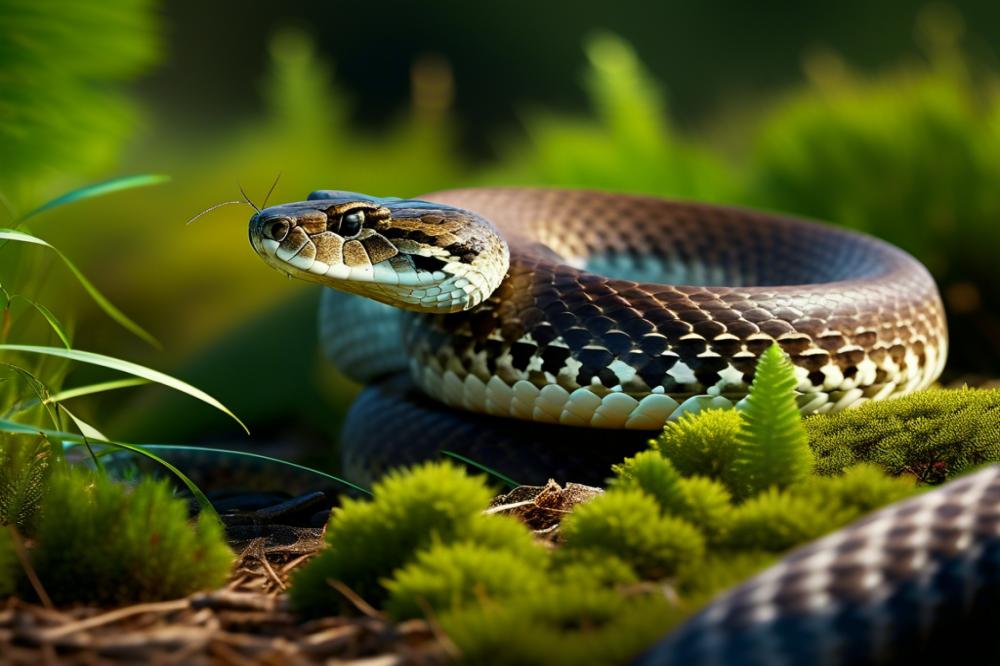
The Eastern Massasauga Rattlesnake faces numerous challenges that threaten its survival. One of the most significant issues is habitat destruction. Urban development expands rapidly as cities grow. This growth leads to fewer natural areas left for these reptiles. When people build homes or roads, they often clear away the land where snakes live. As a result, these creatures lose their habitats, making it hard for them to thrive.
Climate change is another pressing concern. Weather patterns are shifting in North America, affecting ecosystems everywhere. Increased temperatures and changing precipitation patterns impact the snake’s food supply and mating habits. As seasons shift unpredictably, vital resources become harder to find. These environmental changes also stress reptile populations, pushing them further toward risk.
Beyond natural changes, human activities play a role in the decline of these snakes. Agricultural practices often increase habitat fragmentation. As fields expand, they cut through the places where snakes might roam. This fragmentation makes it difficult for the snakes to find mates and food. Losing these connections threatens the overall health of snake populations.
Biodiversity also suffers when one species declines. The Eastern Massasauga Rattlesnake is an important part of its ecosystem. Its presence helps control rodent populations, which influences plant life. When these snakes disappear, the balance in the ecosystem shifts. Predators and prey alike feel the effects of losing one species.
Efforts in wildlife protection are crucial for addressing these threats. Community involvement is key to habitat preservation. People must understand the importance of every species, including the rattlesnake. Education and public awareness raise support for conservation initiatives. Local programs can promote habitat restoration, providing safer environments for snakes and other wildlife.
Finally, the status of the Eastern Massasauga Rattlesnake as an endangered species highlights the need for urgent action. Research and data collection help experts understand population dynamics. Implementing effective conservation strategies will be vital. Without a concerted effort to address habitat loss and environmental challenges, the futures of these fascinating creatures remain uncertain.
Conservation Strategies for the Eastern Massasauga Rattlesnake
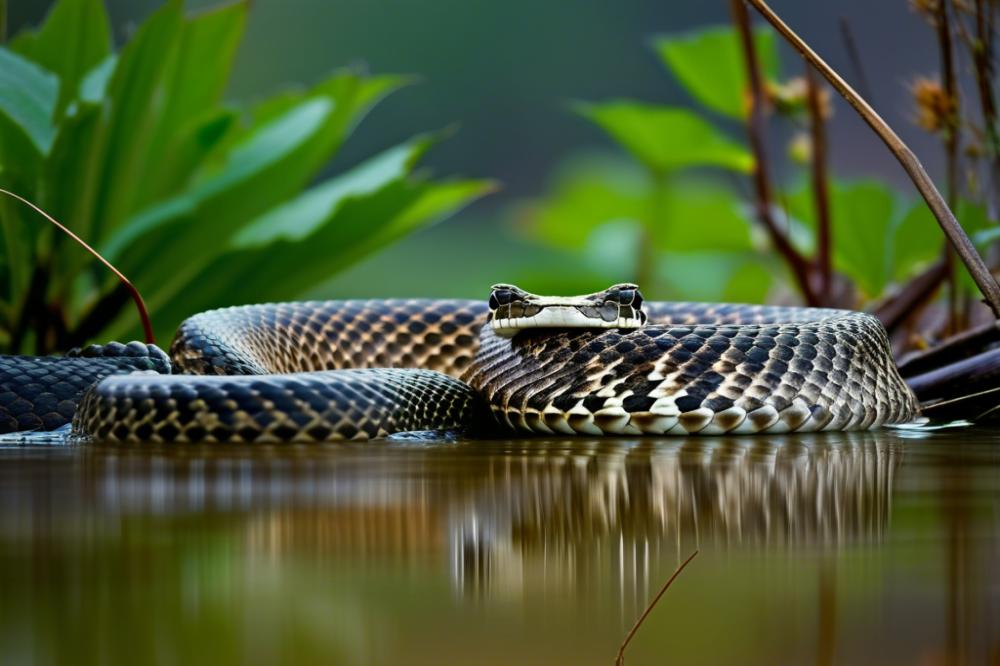
Current conservation efforts target the preservation of this endangered species across various regions in North America. Groups like the U.S. Fish and Wildlife Service work alongside organizations and local communities to implement effective programs. These initiatives focus heavily on habitat preservation and restoration to support snake populations.
Habitats are essential for maintaining biodiversity. Restoring wetlands and grasslands, where these reptiles thrive, is a key part of many plans. Preservation protects not just the rattlesnake, but also the entire ecosystem that is interconnected with its survival.
Wildlife protection regulations play a crucial role in safeguarding these reptiles. Laws restrict harmful activities that threaten their habitat. Partnerships formed between government agencies and conservation organizations enhance these efforts, bringing resources and expertise together for greater impact.
Educating the public is also vital to reptile conservation. Communities need to understand the importance of the Eastern Massasauga Rattlesnake to local ecosystems. Awareness campaigns help dispel myths and encourage coexistence, which can reduce human-wildlife conflicts.
By prioritizing habitat conditions and creating a supportive environment, stakeholders can help sustain healthy snake populations. Each step taken in habitat restoration contributes to protecting this unique species. Long-term commitment to conservation strategies is essential for the future of these reptiles in North America.
Public Awareness and Education
Raising public awareness is crucial for snake conservation efforts. Many people fear snakes, often due to a lack of understanding. When communities learn about the role of snakes in maintaining a healthy ecosystem, their perception can change. Snakes help control populations of small mammals and insects. This, in turn, supports biodiversity.
Effective education strategies can cultivate appreciation for these reptiles. Schools can incorporate programs that teach about local wildlife. Interactive workshops and field trips to habitats can engage students in a meaningful way. This not only makes learning fun but also fosters respect for all creatures, including endangered species.
Community events like “Snake Days” can further promote awareness. These gatherings allow residents to connect with local conservationists. Presentations and exhibits can provide valuable information on habitat restoration and the importance of wildlife protection. People often respond positively to personal stories about wildlife encounters.
Using social media can amplify outreach efforts. Sharing images, videos, and facts about the Eastern Massasauga Rattlesnake can captivate a wider audience. Engaging content can help dispel myths, highlighting a reptile’s vital role in the environment. Following this, public discussions can help address concerns and myths surrounding snake populations.
Collaborating with local organizations can enhance conservation initiatives. Partnerships can lead to joint educational campaigns and funding for preservation projects. Educated advocates can leverage their knowledge to support reptile conservation, fostering a sense of responsibility toward North America’s wildlife. When individuals understand how their actions impact ecosystems, they may be more inclined to help.
Increased public understanding leads to greater support for conservation efforts. Communities that value their natural heritage are more likely to engage in habitat preservation. Future generations benefit from a world where snakes and other wildlife thrive. Awareness is the first step towards ensuring the survival of these remarkable creatures.
The Future of the Eastern Massasauga Rattlesnake in North America
Conserving the Eastern Massasauga Rattlesnake is not without its challenges. As habitats shrink due to urban development and agriculture, these snakes face increasing pressure. Climate change also poses threats, altering ecosystems and impacting biodiversity. Wildlife protection measures must adapt to these rapid changes.
Monitoring snake populations is vital for understanding their needs. Ongoing research plays a key role in addressing the gaps in knowledge. Scientists study habitat preferences to recommend effective habitat restoration techniques. Accurate data helps identify critical areas for conservation efforts.
Community engagement offers hope for the future. When people learn about local endangered species, they often become advocates for wildlife protection. Public awareness campaigns can elevate the profile of reptile conservation. Encouraging local communities to participate in preservation activities creates a sense of ownership.
Collaboration between conservation organizations and citizens can lead to innovative solutions. Workshops and educational programs may inspire individuals to take action. Simple steps, like protecting local wetlands, can make a difference. By enhancing natural habitats, communities contribute to the survival of important species.
Before true progress can be made, cultural perceptions must shift. Some people view snakes with fear or misunderstanding. Educating the public is essential to change these attitudes. Through outreach, more individuals may recognize the vital role snakes play in their ecosystems.
The combination of research, community involvement, and effective communication can bolster efforts for conservation. As we look to the future, these strategies will be crucial in promoting healthy populations of this unique reptile. The Eastern Massasauga Rattlesnake needs our help now more than ever. Protecting its habitat is a step toward safeguarding biodiversity in North America.
Securing the Future of the Eastern Massasauga Rattlesnake
Preserving the Eastern Massasauga Rattlesnake is crucial for the health of our ecosystems. This species plays a vital role in maintaining the balance of local wildlife. By understanding its importance, we recognize our shared responsibility to protect not just this snake, but entire habitats. Each action we take can influence snake populations and contribute to the broader goal of biodiversity.
Supporting conservation efforts is more important than ever. Community initiatives can make a significant difference in habitat preservation. Local projects that educate people about the rattlesnake and its environment help foster appreciation and understanding. When communities rally around wildlife protection, they create stronger networks to safeguard these creatures.
The fight to protect such species requires ongoing commitment. Individuals, schools, and organizations can all play a part. Volunteer opportunities abound, and donations provide resources for crucial programs. Spreading awareness through social media or local events amplifies our impact.
In short, everyone has a role to play in this effort. When we work together, we can create lasting change. Protecting the Eastern Massasauga Rattlesnake is not just about saving a single species; it’s about preserving the intricate tapestry of life. Let’s take action now, ensuring that future generations can admire and learn from this remarkable snake.

