
Introduction
Overview of the Bushmaster in the Amazon
The Bushmaster, a venomous snake, calls the Amazon rainforest home. This region is known for its incredible biodiversity and complexity. For many, the mere thought of such a creature can evoke fear or curiosity. Yet, the role of this snake in its ecosystem is far more vital than most realize. As a predator, it helps maintain the balance of wildlife populations. Without such species, ecosystems may face serious disturbances.
Importance of snake conservation
Conservation of snakes, including the Bushmaster, is critical for the health of the environment. These reptiles play a significant role in pest control, which benefits both plants and animals. In addition, preserving these snakes contributes to broader wildlife protection efforts. Protecting each species is essential for overall habitat preservation. The interconnections between various species highlight the need for a holistic approach to conservation.
Role of Local Communities in Conservation Efforts
Local communities are often the backbone of effective conservation initiatives. Their indigenous knowledge can guide successful habitat management. Through sustainable practices, these groups foster a sense of stewardship over their natural resources. Engaging in environmental education helps communities understand the benefits of biodiversity. When individuals directly relate to their surroundings, they are more likely to protect them. community-based conservation emerges as a powerful tool to bridge the gap between local needs and ecosystem protection. By working together, people can support wildlife conservation while respecting cultural values.
The Bushmaster and Its Role in the Ecosystem

Description of the Bushmaster species
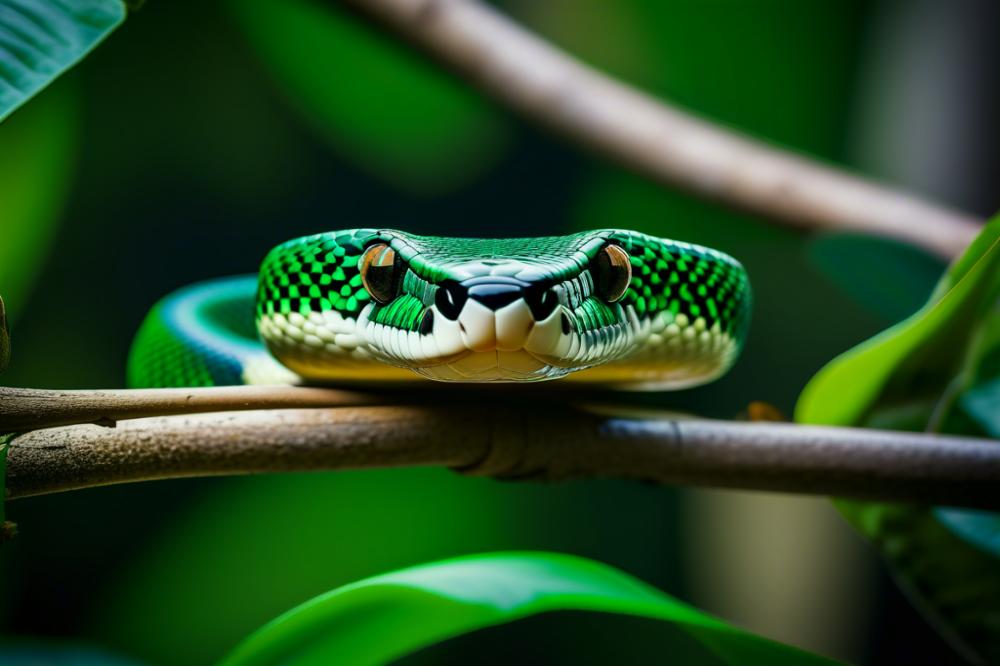
The Bushmaster is a large venomous snake found in the Amazon rainforest. It is known for its distinctive coloration, which can range from light tan to dark brown. This snake can grow up to 12 feet long, making it one of the largest pit vipers in the world. Its long, slender body is well-adapted for navigating through dense vegetation. Characterized by a triangular head and elliptical pupils, it uses these features to hunt effectively. Mostly nocturnal, this species tends to hunt during the night. Its diet mainly consists of rodents and small mammals, which play a vital role in maintaining the balance within its ecosystem.
Habitat preferences and distribution
Bushmasters are predominantly found in tropical rainforests, primarily within the Amazon basin. They prefer humid, dense environments, often inhabiting areas close to water sources. These snakes can also be found at lower elevations, where the humidity and temperature create ideal conditions for their survival. Their range stretches across several countries, including Brazil, Peru, and Colombia. Sadly, habitat destruction poses a significant threat to their populations. Urban expansion and agricultural activities are rapidly altering their natural habitats. Conservation efforts must address these issues to protect their ecosystems.
Importance of the Bushmaster in biodiversity and ecosystem protection
This snake plays a crucial role in maintaining biodiversity within the Amazon. By controlling the populations of rodents, the Bushmaster helps prevent overpopulation of these species, which can lead to significant ecological imbalances. Local communities rely on the delicate balance of their environments. Their traditional knowledge often contains insights into the local ecosystem’s health, including the presence of the Bushmaster. Wildlife protection initiatives frequently involve community engagement and environmental education. Sustainable practices that prioritize habitat preservation benefit both the local fauna and indigenous populations. Protecting such species is essential for maintaining the overall health of the ecosystem. The loss of any species can have a ripple effect, jeopardizing the stability of connected wildlife and plants. In the enriched tapestry of the Amazon, the Bushmaster serves a vital function, reminding us of the intricate relationships within nature.
Threats to the Bushmaster
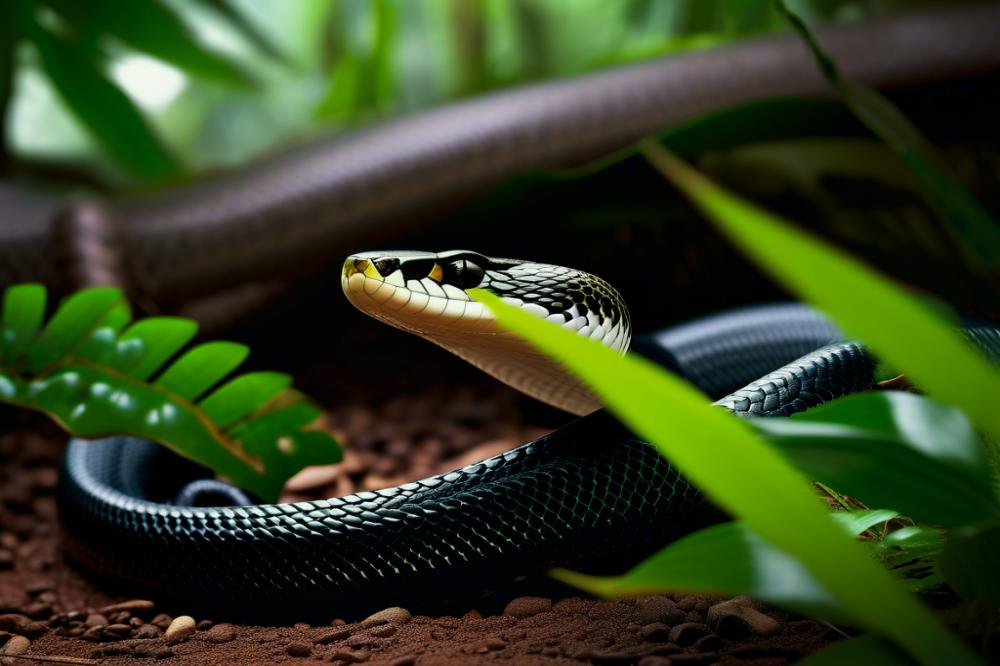
Habitat destruction and deforestation pose severe risks to wildlife in the Amazon. As logging and agriculture expand, natural spaces shrink. Local communities often rely on these lands, leading to a complex balance between development and wildlife preservation. Removing trees disrupts the ecosystems where many species, including the Bushmaster, thrive. Biodiversity declines as plants and animals lose their homes.
Impacts from climate change are becoming increasingly evident. Rising temperatures and changing rainfall patterns alter the habitat. Wetlands may dry up while areas used to dry out experience flooding. Such changes affect the delicate balance of the Amazon’s ecosystem. Wildlife faces new challenges in finding food and shelter. As temperatures rise, species must adapt or face extinction.
Overexploitation and illegal trade also threaten these remarkable creatures. Demand for exotic pets leads to unsustainable capture practices. Local populations may engage in this trade for economic benefits, often overlooking long-term consequences. A lack of environmental education makes recognizing the importance of wildlife protection difficult. Indigenous knowledge about sustainable practices is crucial but often undervalued. Communities must unite to combat these threats and promote habitat preservation. Together, they can develop strategies that balance cultural practices with ecosystem protection.
community-based conservation Strategies

Engagement of Local Communities in Conservation
Local communities play a critical role in protecting the Amazon’s rich biodiversity. Their involvement is key to effective snake conservation. Many rural populations rely on the land and its resources for their daily needs. Engaging these communities fosters a sense of ownership and responsibility. Education programs help highlight the importance of wildlife protection. When locals understand the value of biodiversity, they become motivated to take action. Collaborative projects between conservation groups and communities often yield positive results. This approach builds trust and enhances local knowledge.
Importance of Sustainable Practices
Adopting sustainable practices is essential for long-term habitat preservation. Many local farmers have shifted to eco-friendly farming techniques. These methods reduce harm to the environment and support wildlife. By utilizing sustainable agriculture, communities can boost their own economies while protecting natural resources. Investments in methods like agroforestry benefit both people and ecosystems. This practice enhances soil quality and provides food security. Sustainability helps create a balance between human needs and ecological health.
Integration of Indigenous Knowledge into Conservation Efforts
Indigenous knowledge offers invaluable insights into conservation strategies. Many traditional practices promote ecosystem protection and species preservation. Elders often have profound connections to the land. Their stories reflect centuries of understanding about local wildlife and habitats. Integrating this wisdom into modern conservation efforts can lead to success. Community members can educate outside groups about native plants, animal behavior, and environmental cycles. This combination of old and new knowledge strengthens conservation initiatives. Ultimately, collaborations that respect indigenous practices contribute to more effective solutions.
Environmental Education and Awareness
Role of Education in Promoting Wildlife Protection
Education is crucial for fostering a culture of wildlife protection. Many people might not realize the importance of biodiversity. By teaching children and adults about local species, communities can develop a deeper connection to their environment. This understanding shapes attitudes towards conservation. When individuals know why certain animals, like the Bushmaster, matter, they are more likely to take action to protect them.
Programs Aimed at Local Communities
Several initiatives target local communities in the Amazon. These programs often involve workshops and hands-on activities. For instance, demonstrations of sustainable practices can help residents see the benefits of conserving natural habitats. Sharing indigenous knowledge plays a vital role as well. Local elders often have insights about wildlife that younger generations may not know. Their teachings can bridge cultural gaps in conservation efforts.
Benefits of Increased Awareness on Biodiversity Conservation
Awareness can lead to significant benefits for both people and the environment. When communities become aware of their ecology, they often advocate for habitat preservation. This vigilance supports ecosystem protection and can curb harmful activities like illegal logging or hunting. Enhanced knowledge also encourages community members to participate in conservation projects. Engaging in these activities creates a sense of ownership over local wildlife. It empowers people to take steps for their environment. Ultimately, this empowerment results in a healthier ecosystem for all residents.
Case Studies of Successful Conservation Efforts
Examples of Community-Led Initiatives
Local communities in the Amazon have shown great commitment to wildlife protection. In several regions, villagers banded together to form conservation groups. These initiatives often involve the training of community members in sustainable practices. For instance, one program in Brazil focuses on engaging youth through environmental education. Workshops teach about local ecosystems and the creatures that inhabit them, fostering a sense of responsibility. Another successful effort occurred in Peru, where indigenous knowledge guided habitat preservation strategies. Elders shared traditional methods of land management, showing younger generations the value of their heritage.
Impact on the Bushmaster Population
These community-led initiatives have significantly impacted snake conservation. The increased awareness around biodiversity has led to a notable decline in illegal hunting activities. Many communities now recognize the importance of preserving local wildlife, especially vital species. A remarkable difference has been observed in the Bushmaster population over the last few years, thanks to committed efforts to protect its habitat. Regular monitoring by locals highlights the recovery of various species, indicating the effectiveness of their actions.
Lessons Learned and Potential for Replication
Valuable lessons have emerged from these experiences. Understanding the role of local communities is crucial in conservation efforts. Empowerment through education leads to greater success. Moreover, combining traditional practices with modern conservation methods enhances results. Other regions might replicate these efforts by involving local people in decision-making processes. Sharing success stories can inspire similar initiatives in different parts of the Amazon. Ultimately, these communal approaches create a ripple effect that benefits entire ecosystems and the rich biodiversity they support.
Future Directions for Bushmaster Conservation
Need for Ongoing Support and Funding
Sustaining conservation efforts in the Amazon requires consistent financial backing. Local communities play a crucial role in wildlife protection. They need resources to continue their work. Funds are necessary for habitat preservation and to promote sustainable practices. Without this support, many initiatives could stall or fail altogether. Investing in these communities is investing in the environment. Each dollar helps protect biodiversity and maintains the health of the ecosystem. Organizations must prioritize this funding if they want to see real progress.
Potential Collaborations Between Stakeholders
Cooperation among various stakeholders can significantly impact conservation strategies. NGOs, local governments, and indigenous populations must work together. Each group contributes unique knowledge and resources. Indigenous knowledge is especially vital, as it includes sustainable ways to interact with nature. Joint initiatives can address common goals, like improving wildlife protection and enhancing environmental education. These partnerships can also stimulate local economies by promoting ecotourism. By coming together, diverse groups can create effective solutions for the challenges ahead.
Advancing Snake Conservation in the Amazon
Addressing the needs of snake conservation requires a multifaceted approach. Conservationists must educate the public about the ecological roles snakes play. They help control pest populations and maintain the balance of the ecosystem. Many people fear snakes without understanding their benefits. Environmental education can change these perceptions. Schools and community centers should offer programs focusing on local wildlife. Additionally, research is essential to develop effective conservation plans. Data will guide actions and highlight areas needing urgent attention. Supporting innovative conservation methods can lead to positive changes for all species living in the Amazon.
Final Thoughts
Recap of the Importance of the Bushmaster
The Bushmaster, as one of the largest venomous snakes, holds a crucial place in the Amazon’s ecosystem. Its presence signifies a balanced environment. This remarkable creature plays a vital role in controlling the populations of small mammals and other prey. Loss of such a species could lead to imbalances that ripple through the ecosystem. This unique snake truly deserves our respect and protection.
Call to Action for the Preservation of Biodiversity
Biodiversity is essential for a healthy planet. Without a variety of species, ecosystems can collapse, and humans face dire consequences. Protecting the Amazon’s wildlife, including the Bushmaster, is not just about saving a single species; it’s about preserving the entire web of life. Citizens must unite and make efforts to campaign for conservation laws and support sustainable practices. Each action, big or small, can contribute to this pressing cause.
Emphasis on the Role of Community-Based Approaches in Conservation Efforts
Community involvement stands at the heart of effective conservation strategies. Local people possess invaluable knowledge about their environment and wildlife. When communities actively participate, they foster a sense of ownership and responsibility toward their natural resources. Programs that educate and empower locals can lead to lasting changes. Collaborative efforts often achieve remarkable results in snake conservation. By working together, we can create stronger protections for the Bushmaster and other species. Support from both local communities and global partners is essential for future conservation success.

