

The Guardian Serpent of the Philippines: Bakunawa
mythology has long held a fascinating place in human culture. Across the globe, stories of serpents weave through ancient civilizations. In cultures from Africa to Asia, snakes often symbolize power, fertility, and even chaos. These tales reflect humanity’s relationship with nature, as well as shared fears and hopes. The significance of these stories connects people, revealing universal themes.
In the Philippines, the Bakunawa stands out among serpent myths. This dragon-like creature captures the imagination as a figure tied deeply to Filipino lore. Locals describe it as a massive sea serpent with the ability to swallow the moon, creating darkness during a lunar eclipse. Because of its extraordinary traits, Bakunawa occupies a vital position in traditional stories and beliefs.
As a guardian serpent, it plays an essential role within the narrative. The Bakunawa is not simply a monster in the sea; it is also a protector of history and culture. Communities tell tales of how the creature attempts to consume the moon out of jealousy, causing fear and wonder among those who witness an eclipse. Understanding this myth highlights its importance in local identity, serving as a symbol of the natural phenomena that people experienced daily.
Stories of the Bakunawa continue to resonate in modern Philippine culture. They bring together generations, reminding everyone of the rich tapestry of their heritage. Seeking knowledge about the Bakunawa opens the door to deeper cultural appreciation. Such exploration encourages a broader perspective on how myth shapes identity and community. To delve deeper into this fascinating creature, one can look at #anchor_text_1# for a comprehensive overview. Tales of the Bakunawa illustrate the endless ways humans interpret existence, while also urging respect for the world they inhabit. For those eager to learn more, resources like #anchor_text_2# provide plenty of interesting insights.
The Myth of Bakunawa
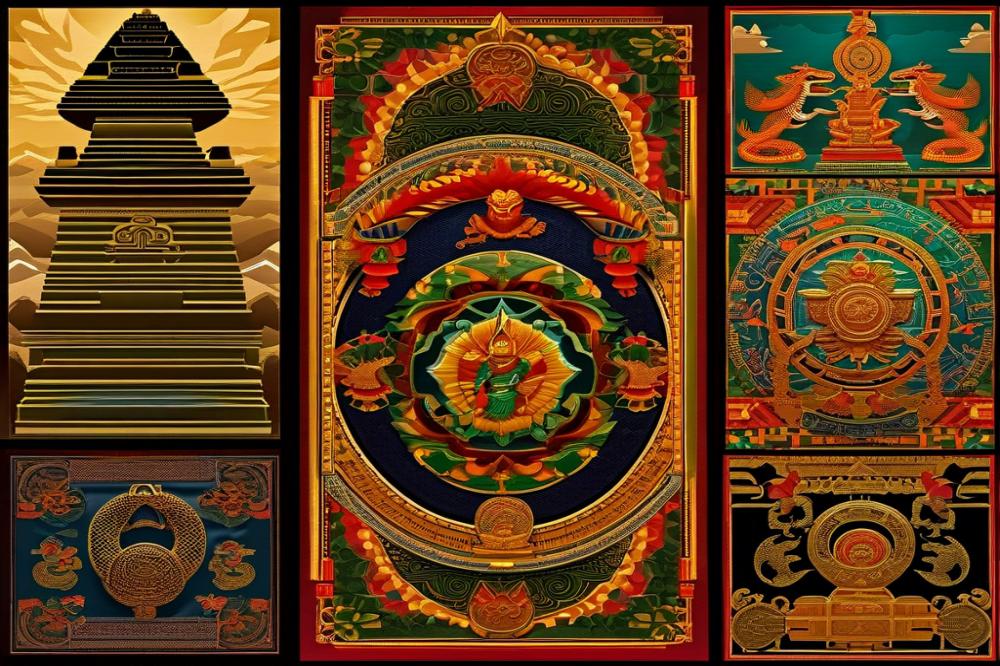
In Philippine folklore, the Bakunawa is a legendary sea serpent. This creature is said to be the cause of eclipses. Described as large and fierce, its body glimmers under the moonlight. Its long serpentine form captivates imaginations. Many stories depict the Bakunawa with seven heads, reflecting the mystery of the night sky. Each head represents a unique aspect of the moon, contributing to the lore.
Origins of the Bakunawa myth date back to pre-colonial times. Early Filipinos revered this being as a guardian of the sea. Historical accounts often link it to the natural cycles observed by ancient communities. The ocean provided sustenance, making this creature a vital part of their beliefs. With the rise of legends, societies cultivated respect for nature, highlighting the Bakunawa’s significance as a fierce guardian.
The role of Bakunawa extends beyond merely being a creature of fear. In traditional stories, it serves as a powerful symbol of nature’s might. Many tales include villagers working together to protect the moon during its supposed attacks. This collaboration reflects the importance of community in overcoming trepidation. Parents often share these stories with their children, demonstrating lessons about unity and courage.
Throughout various regions, portrayals of the Bakunawa differ. In some provinces, it is depicted as a helper, protecting waters from intruders. In others, it’s a fearsome beast that threatens the moon’s glow. These variations illustrate the adaptability of the myth in different cultures. As families gather around fires, the excitement of the tales captivates audiences. Each retelling keeps the ancient traditions alive.
Physical Characteristics and Symbolism
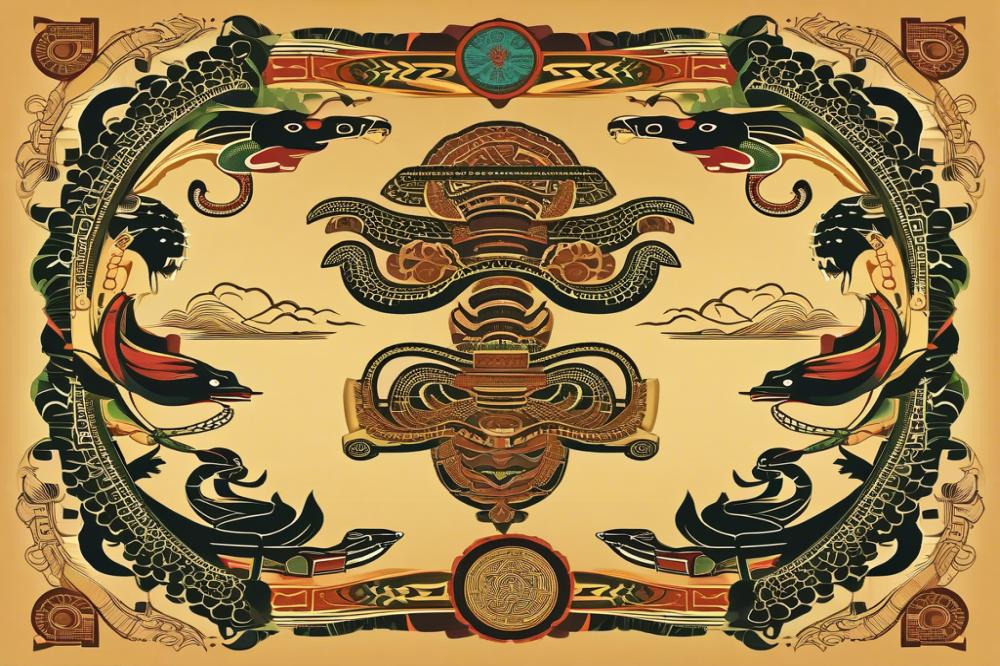
The Bakunawa is often described as a massive sea serpent. Legend has it that this creature measures several lengths of an ordinary boat. It is said to possess a body that is long and slender, resembling a snake with scales that shimmer in various colors. Some tales speak of a dragon-like head, complete with sharp fangs that may terrify any who gaze upon it. Large eyes are frequently mentioned, shining brightly under the moonlight, giving it an even more mystical appearance.
In Filipino culture, the Bakunawa holds deep symbolic meanings. It represents the balance between chaos and harmony in nature. Many people view the serpent as a guardian of the seas, protecting marine life and the waters surrounding the islands. This creature also embodies the power of nature, reflecting both its beauty and its dangers. Some believe that the Bakunawa is a harbinger of storms, reminding islanders of their vulnerability.
The connection between the Bakunawa and natural phenomena is both fascinating and significant. Eclipses are a key aspect of this relationship. According to folklore, these celestial events occur because the Bakunawa attempts to swallow the moon. When the moon is obscured, many communities would often perform rituals to scare the serpent away. These actions were believed to appease the creature and prevent further chaos from the forces of nature.
Many stories also link the Bakunawa to the tides and the cycles of the ocean. While some regard it as a protector, others see it as a potential threat. The duality in its symbolism reflects the complex views Filipinos have towards the sea—both as a source of life and as a chaotic force. Through these tales, the Bakunawa continues to be an important figure in Filipino mythology, embodying the intricate relationship between humanity and the natural world.
Cultural Significance and Practices
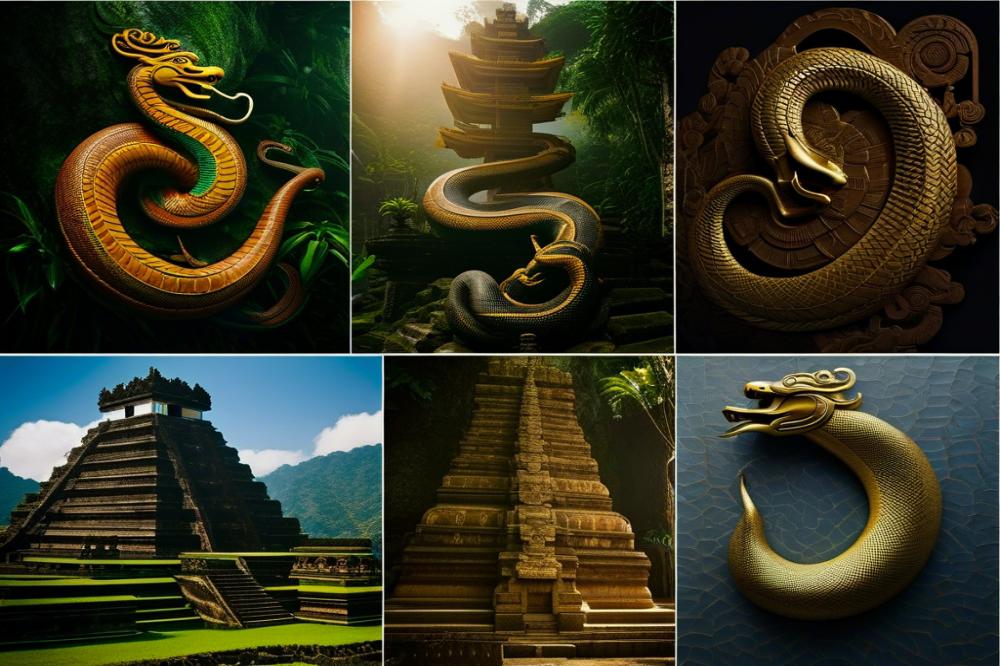
The Bakunawa has played an important part in ancient Philippine rituals and ceremonies. Many local tribes believed this serpent was responsible for eclipses. They would perform dances and chants to appease the creature and prevent further disruptions in the sky. Offerings were often made to honor the Bakunawa, hoping to avoid its wrath. These rituals were not merely entertainment; they were deeply tied to agricultural cycles and community cohesion.
Filipino art and literature frequently feature this mythical being. It stands as a symbol of fear and fascination, inspiring countless stories. Many artists depict the Bakunawa in paintings, sculptures, and even folk tales. The image of the dragon-like serpent often appears intertwined with themes of struggle against nature. Writers have included it in poems and narratives, emphasizing cultural beliefs surrounding the moon and its phases.
Contemporary Interpretations
Today, the Bakunawa is reimagined in modern Philippine culture. Many Filipinos view it as a symbol of resilience and strength. Some musicians incorporate the creature into their lyrics, blending tradition with contemporary themes. Films and comics also feature this mythical serpent, introducing the legend to younger audiences. Festivals celebrate Bakunawa, showcasing traditional dances and modern performances alike.
Social media plays a role in this cultural revival too. People share artwork and stories about the Bakunawa, sparking interest among the youth. Discussions online often highlight its significance in history. There is a growing appreciation for these ancient tales, especially as they connect Filipinos to their roots. New interpretations reflect a blend of modernity and tradition, illustrating how the Bakunawa continues to shape Filipino identity.
Comparisons with Other Serpent Mythologies
The Bakunawa shares notable similarities with serpent deities across various global mythologies. Many cultures depict serpents as powerful beings capable of both creation and destruction. For example, in Mesoamerican traditions, Quetzalcoatl is revered as a feathered serpent, embodying both chaos and opportunity. Similarly, the Bakunawa is believed to control the tides and protect the natural order of the seas. These serpents, while different in appearance and stories, represent forces beyond human comprehension.
The themes of guardianship and chaos emerge prominently in these narratives. The Bakunawa, often seen as a guardian spirit, connects the earth to the heavens, ensuring balance within nature. When disrupting the moon’s cycles, it embodies chaos, echoing the turmoil that may follow such disruptions. Comparisons can be made with Jörmungandr from Norse mythology, a serpent that encircles the earth, signifying both protection and a looming threat to gods and mankind. These dual roles highlight a constant struggle between harmony and disarray.
Serpents hold significant meaning in mythology, often illustrating the duality of nature. They can symbolize fertility and life or chaos and death. The balance between these elements is essential for understanding natural cycles. In Philippine culture, Bakunawa serves a similar purpose, reflecting the community’s beliefs about nature’s inherent unpredictability. Meanwhile, Python from Greek mythology acts as a guardian of the Delphi oracle. All these serpents emphasize the complexity of existence and the intertwined relationships between creator and destroyer.
Overall, serpent figures transcend individual cultures while sharing relatable themes. The Bakunawa, along with its counterparts worldwide, speaks to fundamental truths about life and the environment. By examining these connections, we gain insights into how different communities interpret the world around them.
Closing Thoughts
The Bakunawa stands as an emblem of Filipino snake mythology, weaving together enchanting tales of celestial bodies and powerful sea creatures. This mythical dragon-like being represents more than just folklore; it embodies the rich cultural identity of the Philippines. Communities have long recounted stories of the Bakunawa, illustrating its role in explaining natural phenomena such as eclipses and tides. Children’s tales about the creature serve to teach lessons on respect for nature, making the legend a vital part of education.
Today, the Bakunawa’s influence remains vibrant across various forms of modern culture. It appears in literature, visual arts, and even animated series. Artists and writers continuously draw inspiration from its legacy, recognizing the importance of such myths. Festivals and cultural events often highlight the Bakunawa, allowing newer generations to connect with these age-old stories. It fosters a sense of pride and belonging within the community, connecting people to their roots. #anchor_text_3# has helped preserve these narratives as they adapt to contemporary contexts.
Reflecting on the significance of mythological creatures like the Bakunawa reveals much about understanding cultural heritage. Myths serve as portals into a society’s values and beliefs, shining a spotlight on what is important to a community. They offer insights into human experiences and emotions through the ages. When we explore these stories, we not only learn about the past but also appreciate the diverse cultures that shape our world today. Carrying these legends into the future holds the power to unite, inspire, and teach. Overall, the Bakunawa remains a powerful symbol, urging everyone to cherish their culture while also moving forward. #anchor_text_4# presents a way to further explore these themes with depth and understanding.

