
Protecting the Red-Bellied Black Snake in Australia’s Wetlands
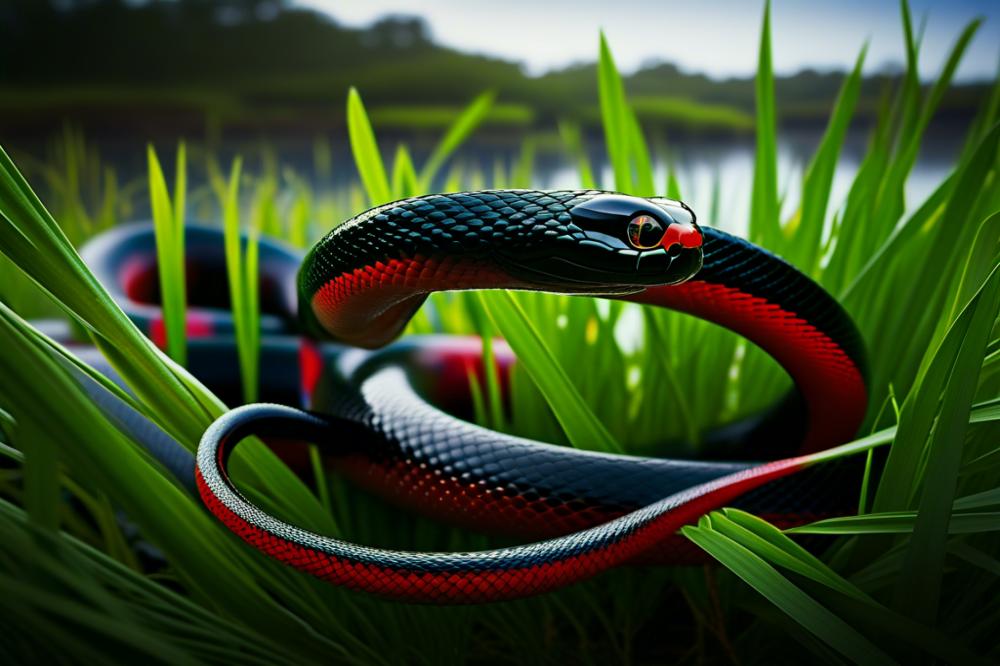
The Red-Bellied Black Snake is a strikingly beautiful reptile native to Australia. With its glossy black back and vibrant red or orange belly, this snake is often associated with the rich ecosystems of the country’s wetlands. These areas are not only essential for the snake but also vital to the overall health of Australia’s biodiversity. Wetlands serve as habitats for various species and provide significant ecological functions.
This snake plays an important role in its environment. As a predator, it helps maintain the balance of its ecosystem by controlling populations of prey animals, such as frogs and small mammals. The presence of a diverse array of species, including this snake, indicates a healthy ecosystem. Moreover, healthy snake populations are crucial for ensuring the stability of wetlands and the overall watershed health.
Conservation efforts for endangered species like the Red-Bellied Black Snake are increasingly important. Protecting its habitat fosters environmental awareness and promotes wildlife protection initiatives. These actions not only contribute to species preservation but also enhance the overall health of wetlands ecology. In light of habitat loss and pollution caused by urbanization, prioritizing the protection of wetlands is critical for the future of this unique snake and its companions in the ecosystem.
Efforts focused on Wetlands Conservation will benefit both the Red-Bellied Black Snake and the wider environment. By investing in habitat protection, we safeguard not just one species, but entire communities of flora and fauna that depend on these wetland areas. In doing so, we work towards a more biodiverse Australia, where every species has a chance to thrive.
Understanding the Habitat of the Red-Bellied Black Snake
Description of Wetlands Ecology in Australia
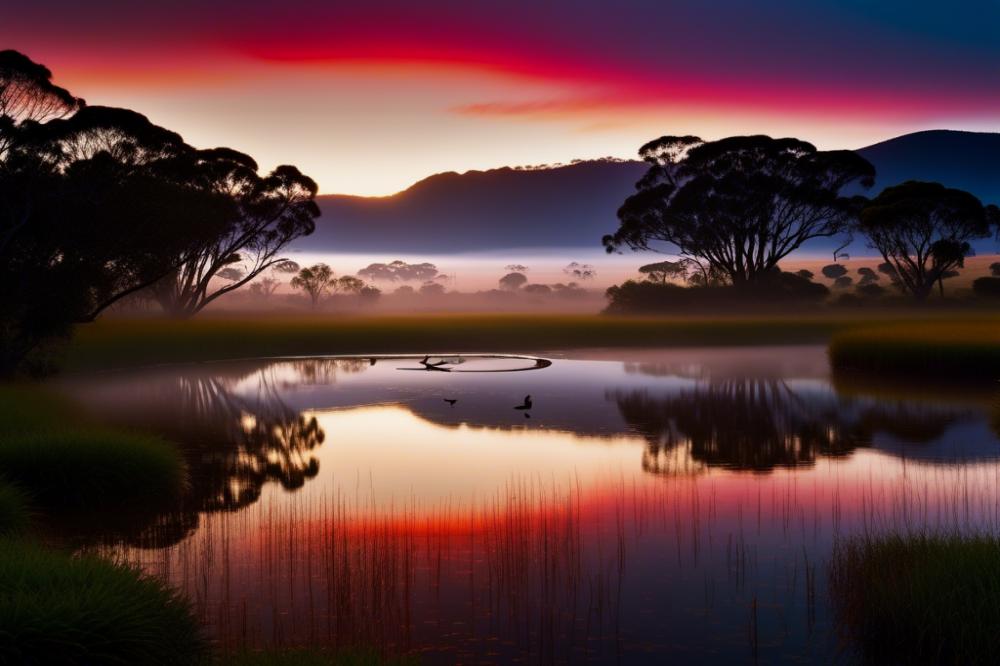
Wetlands in Australia play a crucial role in the natural ecology. These areas serve as vital ecosystems, supporting a rich tapestry of flora and fauna. They are often characterized by waterlogged soils, which encourage diverse plant life. Common species include reeds, sedges, and various aquatic plants. This vegetation provides essential shelter and food for many animals. Additionally, wetlands act as natural water filters, improving overall water quality. They create breeding grounds for numerous fish and amphibian species, contributing to biodiversity.
Key Habitats for the Red-Bellied Black Snake
The Red-Bellied Black Snake thrives in specific environments. Lowland wetlands, riverbanks, and swamps serve as ideal habitats. These areas are abundant in prey, particularly frogs and small fish. The presence of shallow water allows for easy hunting and basking. Furthermore, dense vegetation offers protection from predators and human disturbance. As an important part of Australian fauna, this species plays a role in controlling wildlife populations. Consequently, the health of these habitats directly affects its survival.
Impact of Habitat Loss on Species Preservation
Habitat loss poses a serious threat to many species, including this snake. Urban development, agriculture, and climate change contribute to the degradation of wetlands. As these ecosystems shrink, the delicate balance of life is disrupted. Biodiversity suffers when natural habitats are transformed or destroyed. Endangered species face increased risks as their living areas diminish. With fewer places to thrive, populations decline rapidly. This situation highlights the need for effective wildlife protection and habitat restoration efforts. Public awareness and engagement are critical in promoting conservation initiatives. By prioritizing ecosystem health, we can better support snake conservation in Australia’s wetlands.
The Role of the Red-Bellied Black Snake in Biodiversity
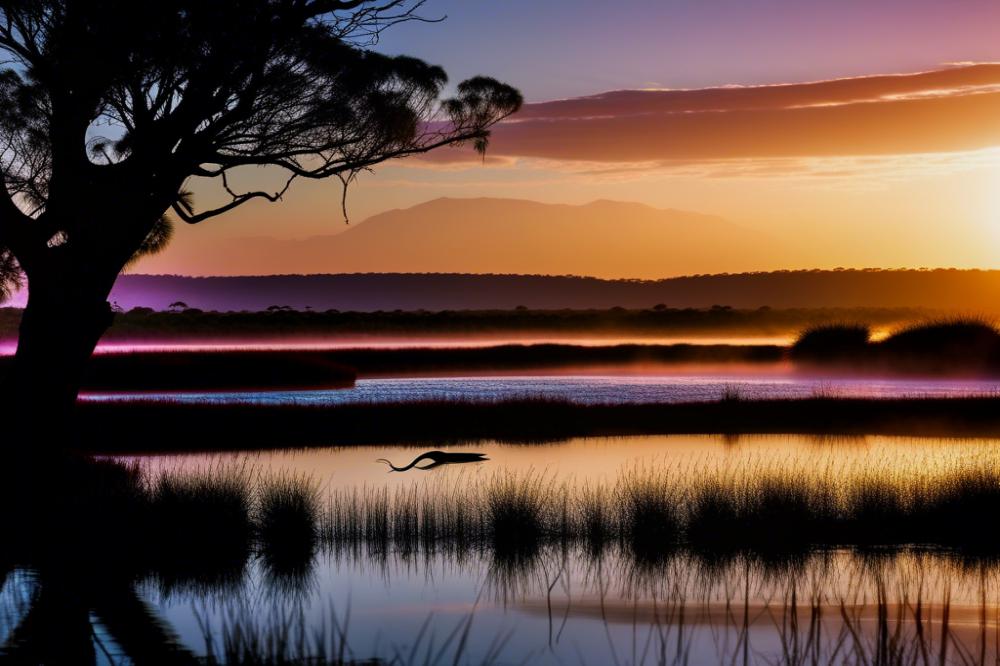
The red-bellied black snake plays a vital role in maintaining ecosystem health within Australia’s wetlands. As a predator, it helps regulate populations of small rodents and amphibians. Without this natural control, certain species could become overabundant, leading to imbalances that can harm the environment.
Interactions with other species are crucial for understanding wetlands ecology. The snake coexists with various frogs, lizards, and insects, creating a complex web of life. By preying on these animals, it contributes to the lively dynamics of the wetland ecosystem. In turn, these prey species help manage vegetation, showcasing the interconnectedness of life.
Biodiversity is essential for the health of any ecosystem. In wetlands, numerous endangered species thrive alongside the red-bellied black snake. The presence of this predator indicates a healthy habitat where diverse forms of Australian fauna can flourish. Wildlife protection efforts focus not only on the snake but also on safeguarding the diverse species that share its environment.
Species preservation initiatives are crucial for protecting habitats from destruction. habitat protection measures can enhance overall ecosystem resilience. These steps also raise environmental awareness among communities, driving interest in snake conservation and wetlands ecology. Educated individuals can aid in promoting safe practices that allow both humans and wildlife to coexist harmoniously.
The presence of native species like this snake enriches the biological tapestry of Australia. Diverse ecosystems provide more than just aesthetic value; they are essential for clean air and water, as well as climate regulation. Hence, ensuring the survival of this snake benefits the entire wetland ecosystem and the larger Australian environment.
Threats Facing the Red-Bellied Black Snake

Human activities play a central role in the decline of many species, including the red-bellied black snake. Habitat destruction arises from urban development and agricultural expansion. As wetlands are drained for farming and towns, essential habitats disappear. This destruction not only threatens the snake but also affects countless other species, disrupting the delicate balance of biodiversity.
Climate change poses another significant threat. Rising temperatures lead to altered weather patterns, impacting the entire wetlands ecology. These environmental changes cause shifts in water levels, which are crucial for maintaining the snake’s habitat. As wetlands shrink, the survival of various endangered species becomes uncertain. Adaptation to these new conditions is often difficult for specialized wildlife.
Pollution further complicates matters. Contaminants from agricultural runoff and urban waste introduce toxins into waterways. Consequently, ecosystem health suffers. Chemical pollutants can have severe effects on aquatic life, including the food sources for the snake. Water management practices must also be scrutinized. Over-extraction of water for irrigation can create dry spells in wetland areas, further endangering snakes and other inhabitants.
Wildlife protection efforts can make a difference. Understanding these threats is the first step toward habitat protection and snake conservation. Increasing environmental awareness in communities is essential. Education about local fauna and the importance of preserving ecosystems can foster a sense of responsibility. Supporting initiatives aimed at preserving these vital habitats is crucial for sustaining biodiversity.
Maintaining wetlands helps more than just one species. Healthy ecosystems provide clean water and supports various forms of life. Collaborative efforts among scientists, conservationists, and the public can lead to effective strategies for species preservation. Protecting the red-bellied black snake means safeguarding a piece of Australia’s rich natural heritage.
Conservation Efforts for the Red-Bellied Black Snake
Overview of Current Snake Conservation Initiatives
Efforts to protect the Red-Bellied Black Snake are gaining momentum across Australia. Numerous organizations and environmental groups focus on snake conservation to address declining populations. These initiatives include research programs aimed at understanding their behavior and habitat needs. Collaborative projects between government bodies and local communities are essential for these efforts. The results of these programs often provide valuable data that help in managing and protecting endangered species.
Habitat Protection Strategies and Their Implementation
Habitat protection plays a crucial role in maintaining healthy ecosystems. Conservationists work to preserve wetlands, which are vital for biodiversity. These areas serve as homes for various species, including the red-bellied black snake. Techniques include restoring wetlands and controlling invasive species that threaten native fauna. Implementing these strategies requires significant planning and resources, but the investments are necessary. Increasing vegetation cover can benefit both the snake and other wildlife in the areas. Protecting critical habitats helps sustain ecosystem health over time.
Community Involvement and Environmental Awareness Campaigns
Engaging communities is a key part of wildlife protection. Many organizations run educational programs to raise awareness about the importance of snakes in our ecology. Local residents learn the role these reptiles play in controlling pest populations. Workshops and events often include hands-on experiences with local fauna. Community action can lead to grassroots movements that support species preservation. Fostering a sense of stewardship among residents is crucial for long-term success. Environmental awareness campaigns help dispel myths surrounding snakes and promote coexistence instead.
Legislation and Policy for Wildlife Protection
Current laws protecting endangered species in Australia
In Australia, various laws aim to protect endangered species. The Environment Protection and Biodiversity Conservation Act 1999 is a key piece of legislation. It provides a framework for the protection of threatened species and their habitats. Under this law, species at risk receive specific legal protections. Many states also have their own wildlife conservation acts. These laws offer additional safeguards for native animals and plants. Adhering to these regulations is vital for maintaining biodiversity.
Policies impacting wetlands and their ecosystems
Numerous policies affect the health of wetland ecosystems. Local governments often implement zoning laws that control development in wetlands. This helps preserve habitat and supports the wildlife that relies on these areas. Environmental impact assessments are crucial before any major projects get approval. By evaluating potential harm, these assessments aim to protect sensitive habitats and species. Community awareness is growing regarding the importance of wetlands in maintaining ecosystem health and supporting Australian fauna.
Future legislative needs to safeguard the Red-Bellied Black Snake
Future legislative actions could focus on habitat protection for vulnerable species. Strengthening regulations around wetland conservation may benefit many animals. Increased funding for snake conservation projects is another potential area for improvement. Initiatives that encourage public involvement in wildlife protection can drive change. Building environmental awareness through education will also be essential. Efforts should include scientific research to understand better how to enhance species preservation in wetlands. Collaborative approaches between government, researchers, and communities can create a more robust protective framework. A proactive stance is required to ensure a healthier ecosystem for all living beings in Australia.
Final Thoughts on Conservation Efforts
Protecting the Red-Bellied Black Snake is crucial for maintaining the health of Australia’s wetlands. This species plays a significant role in its ecosystem, helping to control pest populations. By safeguarding this snake, we also support the broader biodiversity of the area. Every creature within these habitats contributes to a delicate balance, and losing even one can have far-reaching consequences.
Individuals can make a real difference in conservation efforts. Simple actions, such as spreading awareness about the importance of habitat protection, can help others understand why these species matter. Local communities can work together to create initiatives aimed at preserving wetlands and their inhabitants. Volunteer programs or school projects centered around wildlife conservation can ignite passion in younger generations.
As we move forward, staying engaged is vital. People should advocate for policies that protect natural habitats and wildlife. Participating in local clean-up days or educational workshops can yield positive changes. It’s about coming together and elevating the voice of nature in our discussions.
In summary, the protection of this snake enriches our environment and ensures a robust ecosystem. Community efforts, alongside individual actions, are essential in promoting lasting change. The health of our wetlands relies on us, and it’s time we take action to preserve our natural heritage for future generations.

