
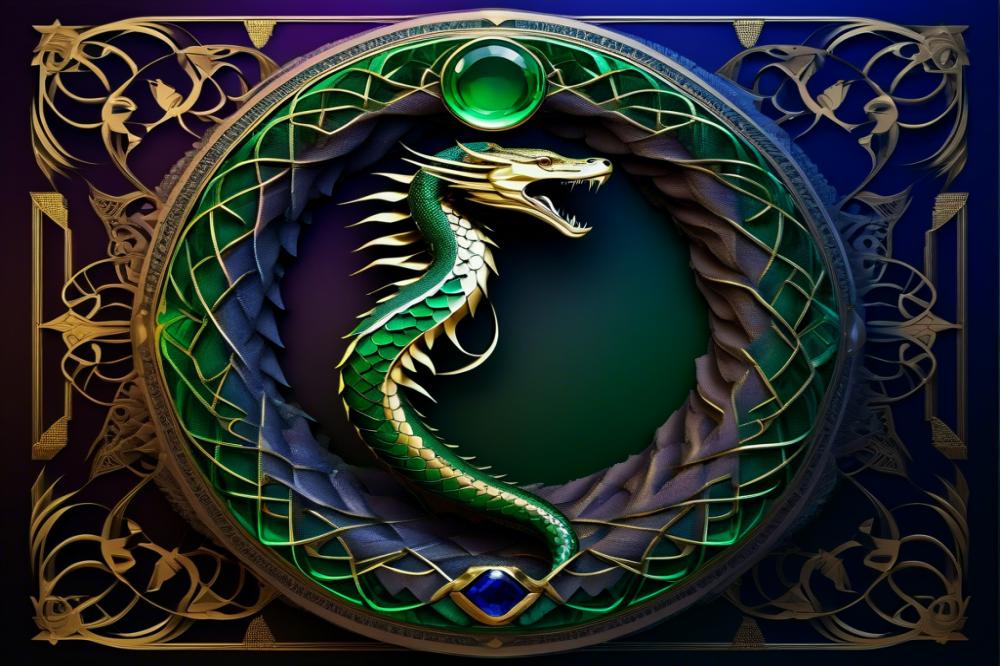
Introduction to the snaketypes.com/the-story-of-the-snake-crown-in-ancient-egyptian-mythology“>Ouroboros
The mythology“>Ouroboros, a fascinating image of a snake consuming its own tail, has intrigued many throughout history. This symbol represents a deep connection to themes of eternity and cycles in nature. In various cultures, the depiction of a snake eating itself has been woven into myths that explore ideas of rebirth and transformation.
In ancient times, many societies embraced the concept of the eternal cycle. This idea spans across different practices like alchemy and philosophy, where the Ouroboros often emerged as a powerful emblem of infinity. The image encourages the viewer to reflect on life, death, and the continuous renewal of existence.
Artworks from numerous civilizations showcase this symbol’s versatility. Whether it appears in ancient Egyptian relics or Greek writings, the Ouroboros signifies a universal truth. Its presence across different cultures speaks volumes about our human experience and underscores a collective understanding of life’s rhythm. The symbolism of the snake is rich, as it evokes feelings of spirituality and introspection. Through exploring all these elements, one can appreciate the allure of the Ouroboros and the wisdom it conveys about life’s perennial journey.
The symbolism of the Ouroboros
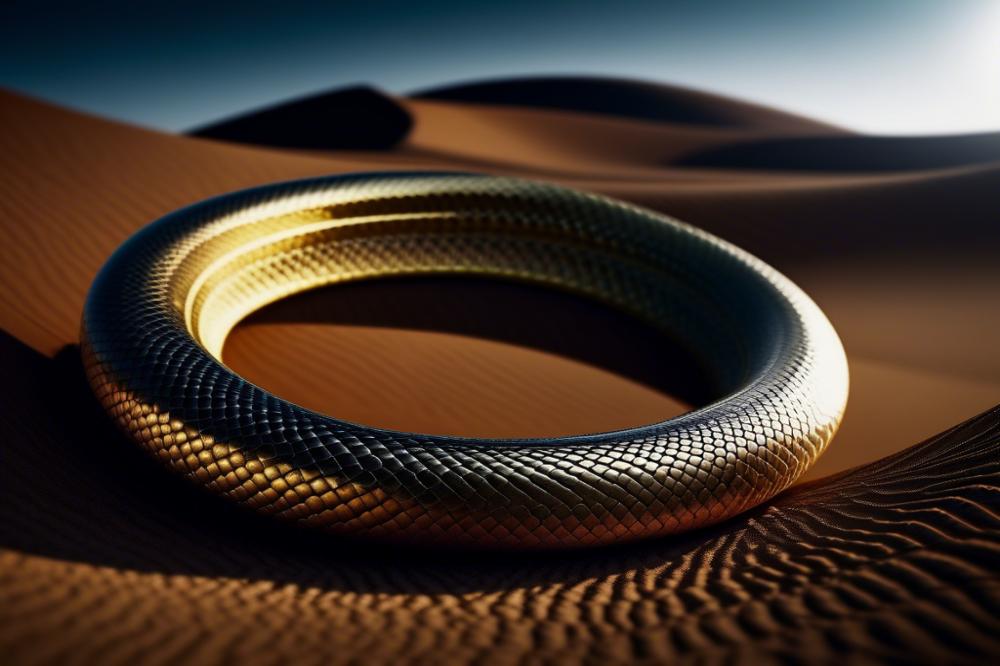
The Ouroboros represents much more than just a snake eating its own tail. This powerful symbol resonates with themes of infinity and the eternal cycle of life and death. Many ancient cultures recognized its significance, integrating it into their mythology as a reminder of life’s continuous nature.
In the world of spirituality, the image evokes thoughts of renewal and rebirth. It suggests that endings lead to new beginnings, illustrating the idea that life is not a straight path but rather a loop. When one phase ends, another one immediately begins. This connection speaks volumes to those searching for meaning in existence.
Alchemy also finds inspiration in this symbol, often representing transformation. The act of turning base materials into gold reflects personal growth. Philosophers have pondered this symbolism, linking it to the idea of self-discovery and the quest for enlightenment. Through the process of understanding oneself, individuals too can undergo significant change.
Art has also embraced the Ouroboros imagery. Various forms, from ancient drawings to modern interpretations, express the idea of wholeness and balance. Artists often use it to convey complex themes, such as the interplay between chaos and order. It becomes a potent visual metaphor for the cycles present in nature and life.
Ultimately, this ancient symbol invites reflection on profound concepts. Many find comfort in its meaning, while others are inspired to explore deeper philosophical questions. The Ouroboros captures the essence of existence, inviting us to recognize that life, death, and rebirth are intertwined in a grand, infinite tapestry.
The Ouroboros in Ancient Cultures
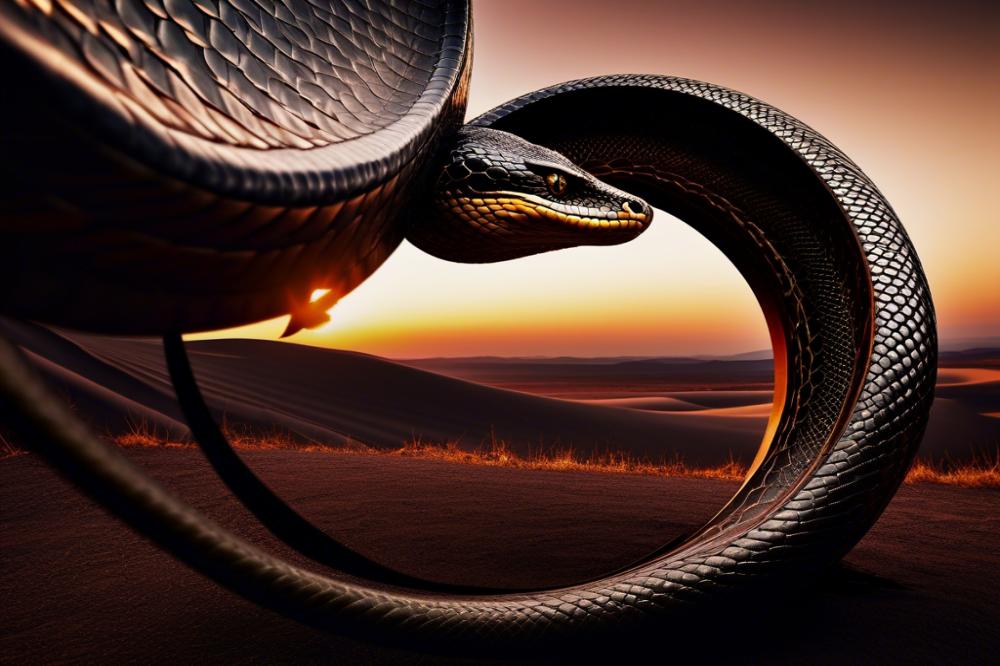
Across various ancient cultures, the image of a snake eating its own tail appeared with notable frequency. This symbol carried rich meanings, often tied to deep spiritual beliefs and philosophical ideas. One of the earliest representations came from Egyptian mythology. There, the Ouroboros represented the eternal cycle of life and death. It depicted the idea that what is consumed leads to new beginnings.
In Greek traditions, the serpent also reflected themes of rebirth and infinity. Ancient philosophers often used it as a metaphor to discuss the nature of the universe. They viewed it as a representation of cyclical existence, where all things are interconnected. Several alchemical texts featured this symbol, linking it to transformation and the quest for knowledge.
Norse mythology also embraced the concept but in a slightly different way. The Midgard Serpent was a powerful entity representing chaos and the diverse aspects of life. Its endless shape evoked ideas about fate and destiny, highlighting the interplay between creation and destruction. Such symbolism enriched the understanding of existence in disparities.
Art from these cultures often depicted the snake in various forms. Many ancient scrolls and artifacts showcased the intricate designs of the Ouroboros. It often appeared alongside other important motifs, linking the themes of rebirth and continuity across civilizations. The spiritual significance of the image transcended boundaries even then.
Different interpretations emerged, yet the central ideas remained the same. Cultures recognized the importance of cycles in life, death, and rebirth. This shared understanding demonstrates how connected humanity has always been concerning existence and the mysteries surrounding it.
The Ouroboros in Alchemy
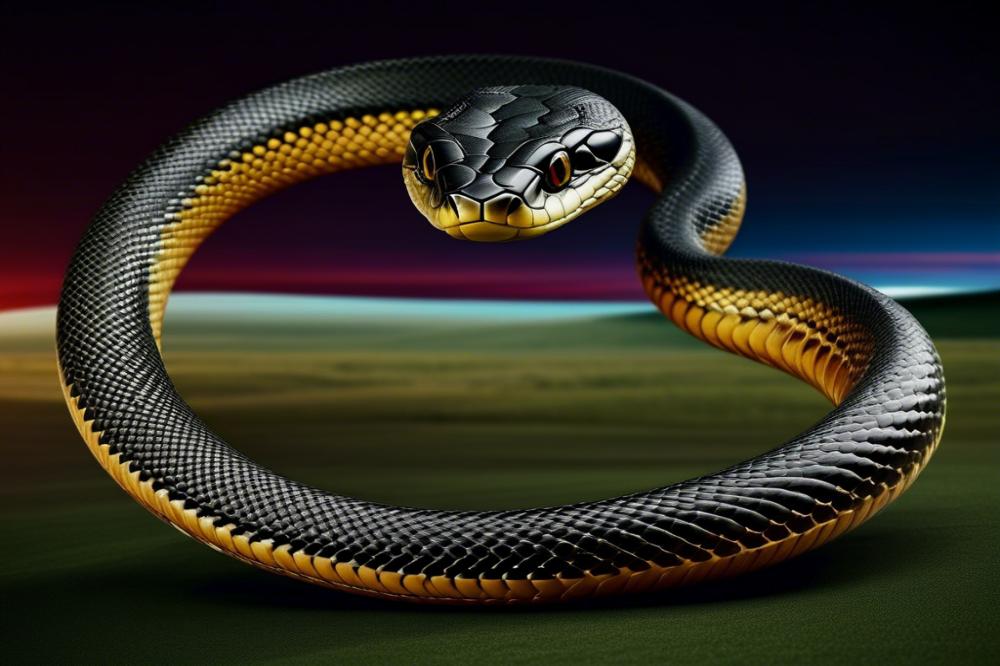
In alchemy, the symbol of a snake eating its own tail holds deep significance. This ancient image represents the eternal cycle of life, death, and rebirth. Alchemists understood this cycle as a powerful metaphor for transformation. Their texts often referenced the unity of opposites, a central theme in their philosophical explorations. This concept is crucial for understanding how matter can change and evolve.
Many cultures embraced the snake as a powerful symbol. In mythology, it embodies both creation and destruction. Alchemists believed that by studying the Ouroboros, they could unlock the secrets of the universe. Each aspect of this image reveals a layer of meaning. The snake’s act of consuming itself symbolizes the endless process of regeneration and renewal.
Alchemy is not just about turning lead into gold. It is about understanding the transformation of the self. Every alchemical quest aims for a form of spiritual immortality. In this pathway, the Ouroboros stands as a reminder of life’s cyclical nature. Individuals who engage with these ideas often find themselves drawn to the practices that promote self-discovery and enlightenment.
This symbol appears frequently in alchemical art. Images often depict the snake in various poses, demonstrating its connection to infinity. Such representations hold significance in spiritual practices as well. As ancient cultures delved into these ideas, they recognized the importance of merging opposites, such as masculine and feminine energies. This blending is seen as necessary for achieving true wholeness.
Throughout history, alchemical practitioners have viewed the Ouroboros as a key element in their work. It is not merely a mystical artifact; it serves as a guiding principle. The cycle of destruction and creation resonates deeply within alchemical philosophy. The goal is always transformation—both of materials and the soul. Engaging with this powerful symbol encourages a profound understanding of the journey toward enlightenment.
Art and the Ouroboros
The image of a serpent consuming its own tail has appeared in many forms throughout history. Ancient cultures, including the Egyptians and Greeks, often used this symbol in art. It represented cycles, renewal, and the idea of infinity. Since then, artists have embraced its rich meanings in their work.
In mythology, the snake embodies themes of creation and destruction. Many artists have interpreted these concepts through different mediums. Paintings, sculptures, and illustrations showcase the snake in various states. Observing these representations allows us a glimpse into how different societies viewed life and death.
Alchemy, a blend of science and spiritual practice, also adopted this symbol. Alchemists saw the serpent as a guide through the transformation process. This connection brought a deeper level of understanding to their work. Artists influenced by alchemical philosophy often infused their pieces with a sense of mystique and wonder.
During the Renaissance, the Ouroboros appeared in works that sought to illustrate the eternal cycle. Artists explored human existence through visual storytelling. You can see circles, loops, and spirals in their artwork, hinting at rebirth and renewal. This cycle resonates not just within their pieces but also in the stories they tell.
Modern interpretations remain vibrant, too. Contemporary artists use the snake to discuss spirituality and personal transformation. The serpent becomes a metaphor for self-discovery and growth. Themes of infinity emerge in abstract representations, pushing viewers to ponder their own existence.
Many scholars point out how the Ouroboros has remained relevant across time. Art allows for an exploration of deep philosophical questions. What happens after death? How do we define our journey? Each artwork invokes thought, inviting the observer into a conversation about life’s meaning.
Philosophical Interpretations of the Ouroboros
The Ouroboros, depicted as a snake eating its tail, has intrigued thinkers for centuries. In philosophy, it invites exploration into the nature of existence. Ancient cultures viewed this symbol as a representation of the eternal cycle of life and death. It embodies the concept of rebirth, suggesting that endings lead to new beginnings.
Existential thought often grapples with ideas about reality and the self. The snake’s continuous motion hints at the never-ending journey of self-discovery. Philosophers argue that life is an ever-looping adventure, filled with meaning and void. This perspective encourages individuals to confront their own realities. Moments of reflection can lead to deeper understanding.
The Ouroboros also finds its place in alchemy and spiritual traditions. These disciplines emphasize transformation and the search for inner truth. Each philosopher may interpret the cycle differently, but the common theme remains clear: infinity is a part of life. Spirituality, too, embraces the concept of returning to one’s origins, much like the serpent.
Throughout history, art has mirrored these philosophical ideas. Many artists have drawn inspiration from the snake, creating works that evoke the themes of existence. They use the Ouroboros to symbolize the unbreakable cycle between destruction and creation. This representation resonates deeply, impacting both the creator and audience.
Engaging with these interpretations fosters a greater understanding. Unique beliefs about the universe begin to form in this dialogue. People’s views on life often change when they consider the implications of the Ouroboros. An awareness of interconnectedness emerges. As the snake confronts its own tail, so too do we face our own choices in an infinite loop.
Enduring Legacy of the Ouroboros
The image of a snake eating its own tail carries profound significance in various traditions. This symbol has appeared throughout history, representing the concept of eternity and the cyclical nature of life. Many cultures have embraced this idea, connecting it to creation and destruction, life and death. It shows how these opposites are intertwined, forming the basis of existence.
In mythology, the Ouroboros serves as a reminder that beginnings and endings are often interconnected. Many philosophers and thinkers have found inspiration in this notion. It encourages reflection on our own lives and the patterns within them. As we navigate challenges, the symbol offers reassurance that every ending can lead to a new beginning.
Modern culture continues to draw from this ancient symbol. Art, literature, and even pop culture often reference it. Such connections illustrate humanity’s ongoing quest to understand our place in the universe. The idea transcends time and geography, making it universally relatable.
Everyone grapples with the concept of continuity. By examining the Ouroboros, we can contemplate larger themes like unity and balance. This reflection brings depth to our understanding of existence itself. Ultimately, the snake that devours its own tail remains a powerful motif that resonates with people across generations.

