
The Myth of mythology“>Naga Guardians in mythology“>Southeast Asia
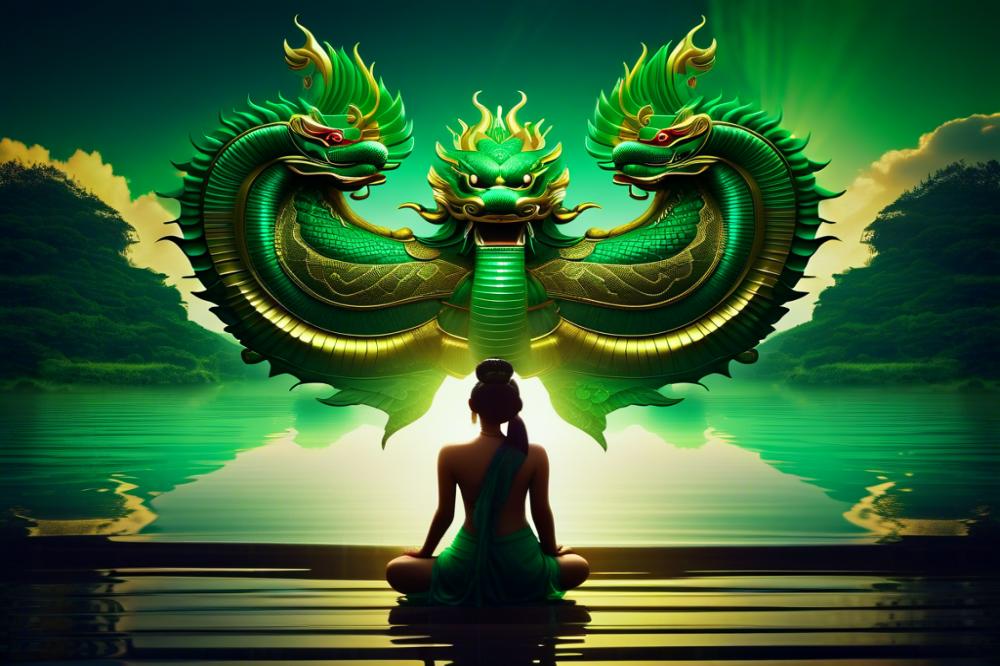
In the rich cultures of Southeast Asia, the presence of serpentine beings deeply permeates mythology and folklore. Naga Guardians, often depicted as powerful and majestic, symbolize more than just mythical creatures. They are seen as spiritual protectors, keeping watch over rivers and other bodies of water. In various communities, these beings serve as river deities, playing a vital role in local beliefs.
Snake symbolism holds significant meaning throughout the region. Many tales recount how these serpentine figures embody both danger and protection, acting as guardians of treasures and sacred spaces. Myths surrounding the Naga resonate with themes of creation, fertility, and the balance between good and evil. Iconography often showcases them in intricate sculptures and paintings, revealing a connection between the earthly and spiritual realms.
Beyond their protective role, these beings reflect the cultural heritage of different ethnic groups. In places like Thailand and Laos, they often find themselves entwined with local rituals and traditional practices. The reverence for Naga figures illustrates a shared belief in their power to influence nature and human affairs. Special ceremonies may be held to honor these legendary creatures, showcasing the respect communities have for their myths.
This article aims to explore the rich tapestry of Naga mythology, examining how these beings symbolize deeper truths within Southeast Asian cultures. By understanding their significance, readers may gain insight into how such mythical creatures shape identity and beliefs across diverse communities.
Naga Guardians and Their Origins
Historical roots of Naga mythology
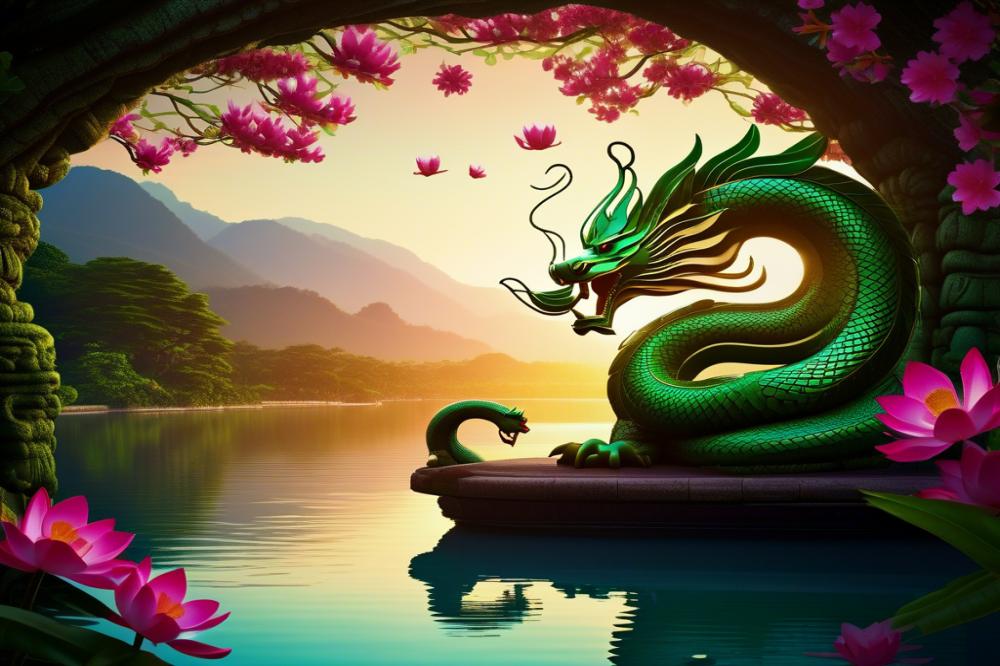
Naga mythology traces back to ancient times. In various cultures, these serpentine beings symbolize water and fertility. They are often seen as guardians of rivers and lakes. Myths from Hindu, Buddhist, and local traditions intertwine, showing the depth of this legend. Ancient texts and temple carvings reflect their significance in religious beliefs. Tales of Nagas often link them to divine protection and mysticism.
Cultural variations in Thailand and Laos
In Thailand, Nagas are often depicted as protectors of sacred spaces, like temples. Their iconography frequently includes elaborate features and colorful designs. Comparatively, in Laos, these beings hold a more spiritual essence as river deities. Local folklore weaves stories about their role in maintaining natural balance. Festivals in both countries celebrate their importance, showing a shared yet distinct admiration. These differences highlight unique aspects of cultural heritage across the region.
The evolution of Naga symbolism through time
Over the centuries, snake symbolism has evolved. Initially seen as fearsome protectors, Nagas now embody resilience and wisdom. Art and architecture reflect changing roles, showcasing their journey through history. Modern interpretations often blend traditional beliefs with contemporary ideas. In many communities, Nagas continue to inspire art, music, and even literature. Their presence in local festivities underscores an ongoing reverence for these ancient myths.
Naga Guardians in Folklore and Mythology
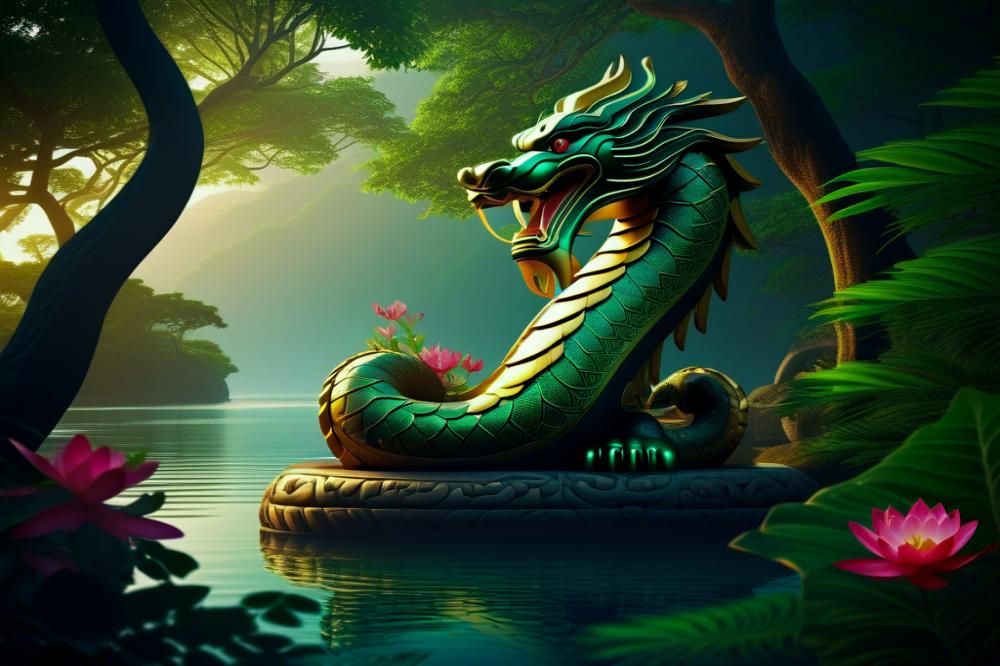
Stories about Naga beings abound in Southeast Asia. These serpentine beings often play critical roles in local legends. In many regions, they are seen as powerful spiritual guardians, protecting rivers and water sources. Their presence is not just limited to tales; they have become integral to cultural heritage across various ethnic groups.
Stories and Legends Featuring Naga Guardians
In Laos, the legend of the Naga Hu, a colossal creature, tells of how it safeguards the Mekong River. This tale speaks of a deep bond between the Naga and the local people. In contrast, Thailand’s belief in the Naga as river deities is reflected in numerous festivals. During these celebrations, communities honor the Naga, hoping for blessings and good fortune.
The Role of Naga in Creation Myths and Local Folklore
Naga often appears in creation myths and local stories. Many cultures depict these beings as vital to the universe’s stability. They symbolize fertility, rain, and life. In some accounts, Naga is considered a progenitor, connecting human beings to the divine. This deep-rooted symbolism highlights the significant role they play in the spiritual lives of many people.
Comparison of Naga Stories Across Different Southeast Asian Cultures
Different cultures portray Naga with distinct characteristics and messages. In Cambodia, the Naga is depicted as a protector of the royal family, showcasing its importance in governance. Meanwhile, in Myanmar, tales emphasize their role as fierce warriors defending the land. Despite these variations, snake symbolism remains a common thread among these narratives. The iconography related to Naga can be seen in temples and sculptures throughout the region, further linking diverse cultures through shared representations.
Cultural Heritage and Iconography

Artistic representations of serpentine beings can be found in various temples across Southeast Asia. These divine figures often adorn the entrances and stairways, serving as both decoration and protection. In Thailand and Laos, the imagery of the Naga has become a vital part of the religious landscape. Their presence is not just aesthetic; it conveys deeper meanings linked to mythology and folklore.
Influence of Naga Iconography on Local Architecture
Naga iconography strongly influences local architecture. Many temples incorporate its designs into their structures, symbolizing spiritual guardianship. The winding forms of these beings can often be seen in the railing of staircases or carved into pillars. This connection to river deities highlights the significance of water, which is essential to life and culture in the region.
Integrating Naga Motifs in Traditional Textiles and Crafts
Local artisans embrace snake symbolism in their textiles and crafts. Colorful fabrics often feature intricate patterns inspired by the Naga. These motifs serve both decorative and storytelling purposes, linking the community to their cultural roots. Each weave, each stitch, preserves stories of ancient beliefs and practices, making them significant artifacts of collective memory.
Spiritual Guardians and River Deities
Naga play a vital role in the mythology and folklore of Southeast Asia. These serpentine beings are often seen as protectors of water and symbols of fertility. Many communities believe they safeguard rivers and lakes, which are essential for agriculture and drinking. Their presence is deeply ingrained in the cultural heritage of nations like Thailand and Laos.
Communities hold various rituals and ceremonies to honor these spiritual guardians. Festivals often feature colorful processions, dances, and offerings. Participants chant prayers and light incense as symbols of gratitude. Such practices create a strong bond between the people and their beliefs. Each event serves not only to ask for blessings, but also to pass down traditions from one generation to the next.
Local Spirituality and Community Beliefs
The connection between Naga and local spirituality is profound. In many areas, the river deities are thought to influence weather patterns and crop success. Iconography depicting Nagas often adorns temples and sacred sites, reflecting their importance in the community. Snake symbolism further highlights their links to regeneration and abundance.
In rituals, offerings like flowers, fruits, and rice are common. These acts of devotion are meant to appease the Naga and encourage their protective role. Locals believe that honoring these beings can bring prosperity, good fortune, and protection from floods. Each region may have stories that create a rich tapestry of Naga worship, showcasing their significance in daily life.
Connection to Naga influences art, architecture, and even festivals in the region. Various artworks represent these mythical creatures, often celebrating their beauty and power. The way communities interpret Naga reveals their shared beliefs and values. Such expressions form a unique part of everyday life, reinforcing a collective cultural identity.
Contemporary Relevance of Naga Guardians
Naga Guardians in modern Southeast Asian culture
Today, Naga Guardians play an interesting role in various cultures across Southeast Asia. In countries like Thailand and Laos, they are depicted in vibrant festivals and ceremonies. These serpentine beings symbolize protection and prosperity. Communities celebrate their presence through traditional music and dance. Temples often showcase intricate iconography featuring these mythical creatures. Each representation tells a story connected to local beliefs. Modern interpretations keep these traditions alive while adapting to contemporary tastes.
Influence of Naga mythology on tourism and local identities
Tourism thrives on the stories of Naga mythology. Visitors flock to sites where river deities are said to reside. Temples dedicated to the Naga attract great crowds, curious about the legends. Local guides narrate tales that blend history with folklore. Naga symbols have even made their way into souvenirs. These artifacts remind tourists of the rich cultural heritage in the region. As people share these stories, they strengthen their own identities relating to ancient beliefs.
Preservation of Naga-related traditions in contemporary society
Many communities work hard to keep Naga-related traditions alive. Parents teach their children about these spiritual guardians. Festivals dedicated to the Nagas resonate with younger generations. Activities aim to foster a connection between the past and present. Artists create works inspired by snake symbolism, revitalizing interest in these ancient tales. Educational programs often highlight the importance of folklore. This effort emphasizes the value of cultural practices that define regional identities.
Final Thoughts on Naga Guardians
Summarizing the key points about Naga Guardians reveals their crucial role in the diverse cultures of Southeast Asia. These serpent-like beings are more than just myth; they represent strength, protection, and connection to nature. Across various traditions, their stories intertwine with local beliefs and practices. This marks their significance in the cultural landscape, acting as symbols that resonate with many people.
The importance of these guardians remains strong in contemporary society. They not only provide a sense of identity but also offer lessons from ancient mythology. In a world that often feels disconnected, such folklore can serve as a bridge, linking past to present, and fostering unity within communities. Many still participate in rituals and celebrations that honor these figures, ensuring their stories continue to thrive.
Exploring serpent symbolism can unlock even deeper understandings of the region’s cultural heritage. Different interpretations exist, and each culture adds its own twist to the broader narrative. For those interested in these themes, delving into local traditions could reveal surprising connections and insights. It becomes clear that while the myths may vary, their impact on cultural identity remains enduring and significant.

