
Introduction
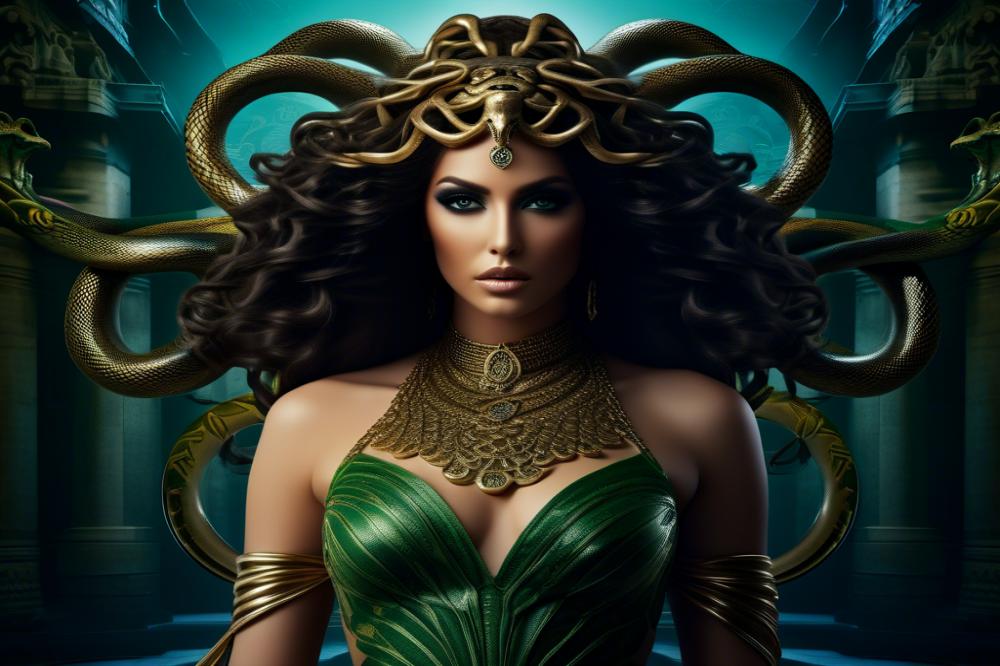
Medusa stands as one of the most fascinating figures in Greek mythology. Known for her hair made of snakes, she embodies both beauty and horror. This dual nature captivates the imagination of many. Her story is steeped in themes of transformation and revenge, woven throughout the legends of ancient Greece.
Snake-haired figures appear frequently in folklore across cultures. They often symbolize danger and the unknown. These female figures can invoke fear or represent powerful forces. Curses and transformations are common motifs in these tales, highlighting the consequences of defiance or betrayal.
This article delves into the significance of Medusa and her role among mythological creatures. Furthermore, it explores how her story connects with broader themes in folklore. Additionally, we will examine Perseus, the hero tasked with confronting her. Through this examination, the complexities of Medusa’s legend will become clearer, revealing more than surface-level horror.
Medusa: The Gorgon of Greek mythology
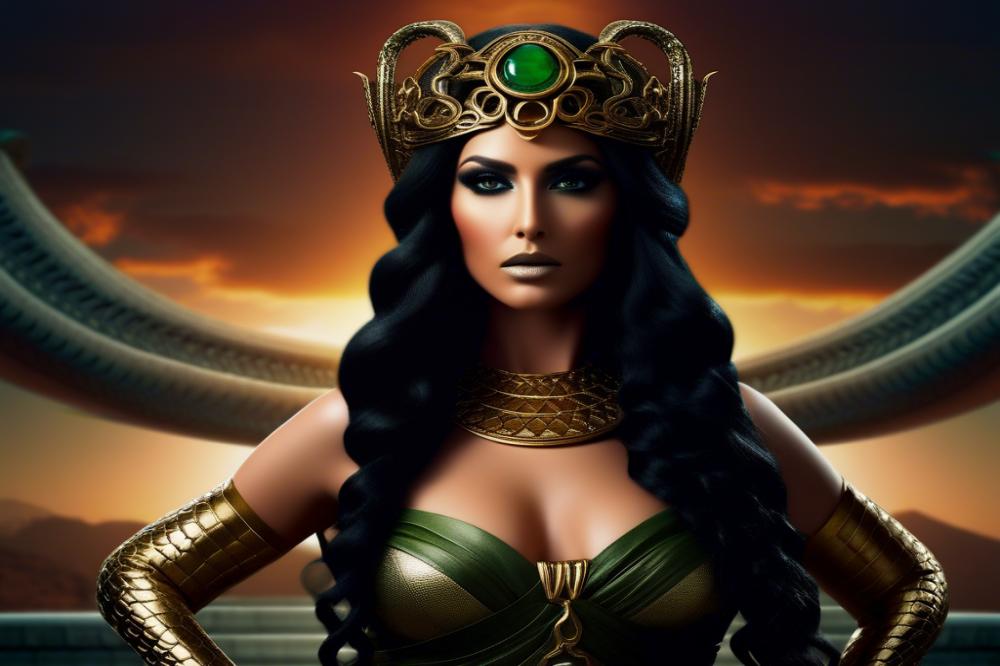
In Greek mythology, Medusa is among the most infamous figures. Known for her snake-haired head, she was once a beautiful maiden. Her origins are steeped in mystery and transformation. According to ancient tales, she was cursed by the goddess Athena. This punishment turned her golden locks into writhing snakes and made her gaze fatal.
The Gorgons, a trio of dragon-like sisters, included Medusa, Stheno, and Euryale. Stheno and Euryale were immortal, unlike their sibling. These mythological creatures lived on an isolated island, feared by many. Legends describe them as monstrous beings with a terrifying appearance. Their long fangs and snake hair were not just for show; they symbolized their deadly power.
Medusa’s role in folklore is multifaceted. She serves as a cautionary tale about beauty and pride. Many ancient Greek stories depicted her as a villain, often misunderstood. However, she also inspires intrigue and fear, reflecting societal views on female figures. The story dramatically changes when Perseus enters the narrative. This hero seeks to slay the Gorgon to use her head as a weapon. In doing so, he highlights the conflict between heroism and monstrosity.
As a symbol within ancient Greece, Medusa represented the complexities of life and death. Her image has been both reviled and revered through the ages. Artistic representations often portray her as a warning against hubris. This duality makes her character an enduring subject in literature and art. Furthermore, tales of her spun a narrative that explored human nature, fear, and transformation.
Transformation and Curses

In the tale of Medusa, her life takes a drastic turn from being a beautiful maiden to becoming a snake-haired monster. Originally, she was known for her stunning looks. However, a curse changes everything. The goddess Athena plays a crucial role in this transformation. After an incident involving Poseidon, Athena punishes Medusa by turning her into a creature feared by all.
Curses frequently appear in Greek mythology, often as instruments of vengeance. They reflect the ideas of punishment and consequence. Athena’s curse serves not only to punish but also to warn others. Mythological creatures often symbolize deeper themes, and Medusa’s story is no exception.
This transformation carries significant symbolism regarding female figures in ancient Greece. It reveals societal views of beauty and power. When a woman is punished for her looks, it highlights the dangers that beauty can bring. Legends often depict women as both powerful and vulnerable, a duality that Medusa embodies. Her story raises questions about femininity and the consequences of male aggression.
Furthermore, the depiction of Medusa evokes feelings of empathy. She becomes a tragic figure trapped by her imposed identity. Perseus’s quest to defeat her adds layers to this narrative, showcasing male heroism versus female victimhood. Ultimately, Medusa serves as a complex symbol of how society views women who step outside their prescribed roles.
Legends of Perseus and Medusa

The tale of Perseus is one of adventure and bravery in the realm of Greek mythology. He embarks on a dangerous quest to slay a snake-haired creature known for her deadly gaze. Many heroes would hesitate at such a challenge, but Perseus is determined, supported by the gods who provide him with unique gifts. These gifts include a reflective shield and winged sandals, tools essential for his mission.
Throughout the legends of ancient Greece, the narrative of Perseus signifies a journey not only of physical courage but also of transformation. The story reveals the duality of Medusa, as both a monster and a victim of divine punishment. Once a beautiful maiden cursed by Athena, her transformation into a Gorgon reflects deeper themes of jealousy and revenge within folklore. This makes her a complex figure among female figures in myths.
Upon slaying her, Perseus finds her head to be more than just a trophy. It becomes a powerful weapon that holds the ability to turn onlookers to stone. The severed head serves various purposes in future adventures, protecting him from enemies and granting safety to those who call for aid. This informs much of the symbolism surrounding the creature, illustrating how fear can be wielded as power.
The legends surrounding Perseus and the Gorgon resonate through time, demonstrating timeless themes. Greek mythology often features transformations and curses, and this tale reflects how such elements can intertwine to create iconic stories. Medusa’s legacy continues to influence modern interpretations of courage, fear, and redemption in the face of challenges.
Cultural Representations of Medusa
Medusa in Ancient Art and Literature
In ancient Greece, her story attracted the attention of artists and writers. Many depicted her in sculptures and pottery. These works often highlighted her snake-haired appearance and fearful gaze. Epics and tragedies from that time featured the legendary tale of Perseus. He famously defeated her and showcased the horrors of her curse. This narrative illustrated not just her fearsome nature but also the consequences of beauty and betrayal, themes prevalent in Greek mythology.
Influence of Medusa on Modern Culture and Popular References
Fast forward to today, and the Gorgon has become a powerful symbol. Artists and filmmakers draw from her story, showcasing her in various forms. From movies to fashion, her image appears everywhere. Understanding this connection reveals how ancient tales persist in contemporary dialogues. She often represents female empowerment, resilience, and the complexities of womanhood. In some contexts, she serves as a metaphor for anger and transformation. Popular references now celebrate rather than vilify her character.
The Evolution of Medusa’s Image Over Time
Initially viewed as a monster, her perception has changed significantly. Over time, stories shifted from horror to intrigue. Many modern interpretations portray her as a tragic figure rather than just a villain. This shift reflects societal attitudes toward female figures and autonomy. Curses that once defined her identity have transformed into symbols of strength. Myths are dynamic and evolve alongside cultural sentiments. The transformation from monster to symbol of empowerment allows for richer conversations about gender and power in folklore.
Reflecting on Medusa’s Legacy
Medusa represents a significant figure in Greek mythology and folklore, transcending her role as a mere monster. Once a beautiful maiden, she transformed into a snake-haired creature as punishment by Athena. This drastic change speaks volumes about themes of jealousy, power, and the consequences of one’s actions. The story illustrates how beauty can be a double-edged sword, revealing deeper societal concerns.
As a complex female character, Medusa embodies several traits. She evokes both fear and sympathy. Those who confront her often do so out of necessity, revealing society’s troubled relationship with powerful women. Instead of being solely a villain, Medusa’s narrative reflects the struggles faced by women in ancient times. This duality prompts viewers to question the labels we place on individuals based on their appearances.
Her lasting impact on mythological narratives cannot be overstated. Medusa remains a symbol in art and literature, influencing various cultural depictions. Stories continue to emerge that reinterpret her character, showcasing resilience in the face of adversity. Moreover, these retellings often serve as a lens through which we explore modern themes of empowerment and identity.
In various interpretations, the snake-haired Gorgon continues to captivate audiences. Her tale urges us to think about the complexities of gender and power dynamics. As we examine her story, it becomes clear that Medusa is more than a monster; she represents the multifaceted nature of human experience.

