
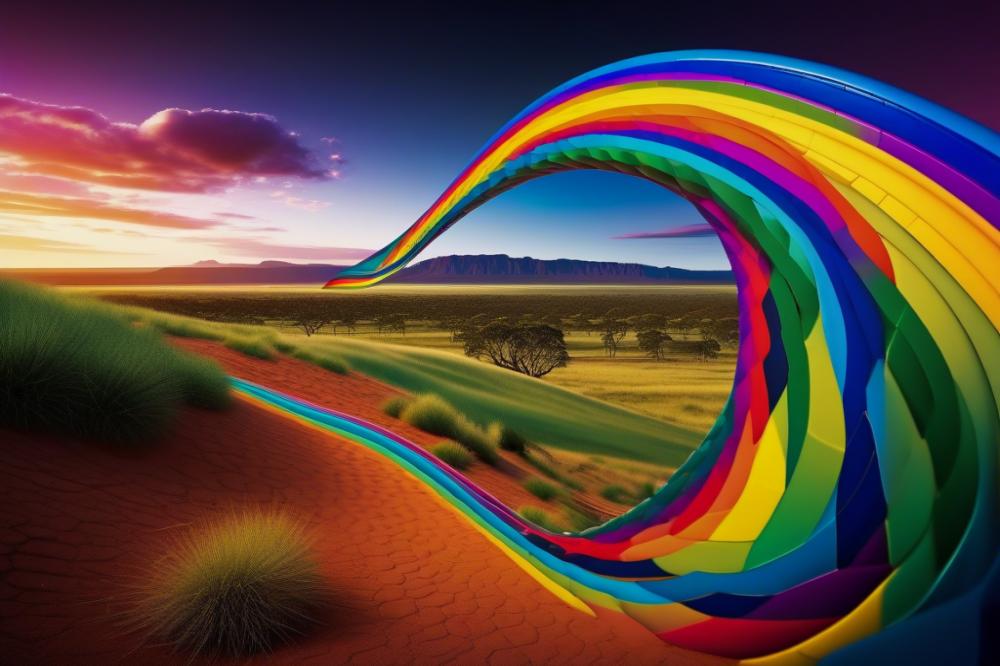
The Legend of the Rainbow Serpent in mythology“>Aboriginal mythology
The Rainbow Serpent is a central figure in Australian Aboriginal Mythology. This powerful entity embodies the natural world’s diverse aspects. In creation stories, it plays a vital role in shaping the land, rivers, and mountains. Many Indigenous cultures regard it as an ancestral being, connecting them to their past and their environment. The Serpent is not merely a creature; it is a significant symbol of life and resource.
Within the context of folklore, the Rainbow Serpent signifies a relationship with the dreamtime. Dreamtime refers to the era when ancestral beings created the world. The stories often emphasize themes of transformation, connection between different life forms, and the balance of nature. Nature spirits are a key aspect of these tales, interacting with humans and the environment in profound ways.
Exploring serpent mythology offers insights into spiritual beliefs held by Indigenous peoples. The Rainbow Serpent represents life but also destruction. It can bring both nourishment and danger. Understanding this duality helps appreciate the complexity of Aboriginal beliefs. The themes of creation, protection, and respect for nature guide the spiritual practices of many Indigenous communities.
Cultural heritage is deeply woven into these narratives. They remind people of their responsibility towards the earth. In contemplating the tales of the Rainbow Serpent, we gain access to a broader understanding of how Indigenous cultures perceive their world. This exploration invites readers to reflect on the significance of these stories and their underlying meanings.
The Significance of the Rainbow Serpent
The Rainbow Serpent holds a prominent place in Australian Aboriginal creation stories. To many Indigenous people, this powerful creature is not just a myth. Instead, it embodies a deep connection to land and the natural world. It is often seen as an ancestral being, deeply woven into the fabric of spiritual beliefs across various communities.
Through serpent mythology, the Rainbow Serpent is viewed as a life-giving force. Its presence is linked to water, rain, and fertility. This creature is associated with the nourishing aspects of nature. Yet, it also symbolizes chaos and destruction. Just as it can bring rain to rejuvenate the land, it can also unleash storms and floods. This duality reflects the complex relationships that Indigenous cultures have with the environment.
In Dreamtime stories, the Rainbow Serpent carved out rivers and created landscapes. These tales demonstrate the importance of geographical features to Aboriginal identity and culture. Nature spirits, often viewed as guardians, are frequently tied to the serpent’s journey through the land. Each bend in a river or rock formation tells a story from the past, connecting the people to their cultural heritage.
Folklore surrounding the Rainbow Serpent varies from one group to the next. Some communities celebrate its playful and nurturing aspects, while others focus on its fierce and protective nature. These narratives reveal insights into the values and beliefs of those who share them. They often emphasize respect for the land and its ecosystems.
Overall, the Rainbow Serpent serves as a complex symbol within Aboriginal mythology. It represents not only creation but also the delicate balance of life and nature. This ancient figure continues to be a vital part of Indigenous culture, reminding people of their connections to both the worlds of ancestors and nature.
The Rainbow Serpent in Dreamtime
In Aboriginal spirituality, Dreamtime represents a foundational belief system. This concept explains how the world came into being and the roles that ancestral beings play in shaping life. It offers a framework for understanding the natural world, providing depth to Indigenous culture.
The Rainbow Serpent serves as a pivotal figure in these tales. Known as a creator and a destroyer, it symbolizes the interconnectedness of all living things. Its actions carve out the rivers, valleys, and mountains, forming the very landscape of Australia. The serpent also embodies the essence of water, vital for life in the often harsh environment.
Different interpretations of Dreamtime suggest that stories about the Rainbow Serpent emphasize varied aspects of life. Some believe the creature reflects the power of nature spirits while others see it as a guardian of sacred places. In this way, serpent mythology is rich with meanings that resonate through generations.
One well-known tale features the Rainbow Serpent creating beautiful landscapes. As it moves through the earth, its body transforms the land. Another story tells how the serpent gives life to waterholes, nurturing both plants and animals. These folklore elements highlight the respect and reverence Aboriginal people have for their environment.
Additionally, the serpent’s temper can also lead to destruction. In some Dreamtime stories, if it feels anger or neglect, it can flood lands or cause droughts. This duality emphasizes a moral lesson—care for the earth and its resources or face the consequences.
Overall, stories of the Rainbow Serpent become intricate threads in the fabric of Aboriginal mythology. They teach lessons about living harmoniously with nature and underline the importance of water as a life source. Each tale contributes to the rich tapestry of cultural heritage that continues to thrive today.
Cultural Heritage and Folklore
The Rainbow Serpent holds a special place in Australian Aboriginal folklore. This powerful figure represents a connection to the earth and is central to many creation stories. Communities tell tales of how the serpent carved rivers and mountains during its journey. These narratives are not just myths; they are vital to Indigenous culture and identity.
Passing down stories through generations is crucial for keeping the cultural heritage alive. Elders share tales with younger members around campfires, ensuring that the wisdom of ancestors continues. In these stories, the serpent often embodies the spirit of nature itself. It teaches lessons about respect for the land and all living things.
Art reflects the significance of this mythical being as well. Many Indigenous artists depict the serpent in various forms, using vibrant colors and intricate designs. These artworks often symbolize the deep connection to the land and the spiritual beliefs inherent in their cultures. Dance also plays a key role in celebrating the Rainbow Serpent. Performances resonate with the rhythms of the stories told, bringing movement to ancient traditions. Visitors can experience this during cultural festivals, where dancers embody the spirit of the serpent, weaving through narratives of creation.
Oral storytelling remains one of the most important methods of preserving knowledge. Language, songs, and proverbs tied to the Rainbow Serpent are passed down, enriching the cultural tapestry. Through these means, young people learn about their ancestry and the connections between humans, nature, and the spirit world. Nature spirits and ancestral beings are integral to these teachings, reminding every generation of their role in the continuing story of the land.
In modern times, the symbolism of the Rainbow Serpent continues to resonate. Indigenous communities utilize the serpent in various contemporary mediums, from literature to activism. This enduring presence serves as a source of pride and strength for many. By embracing their traditions, they ensure the survival of their stories in rapidly changing times.
Nature Spirits and the Rainbow Serpent
The Rainbow Serpent holds a significant place in Australian Aboriginal mythology. It is considered a powerful figure in many creation stories across various Indigenous cultures. This mythical serpent is closely associated with nature spirits and is believed to embody crucial elements such as water and rain. The serpent’s presence is felt deeply during the Dreamtime, the sacred time of creation when ancestral beings roamed the Earth.
According to folklore, the Rainbow Serpent interacts directly with the environment. It is often depicted as a guardian of rivers and mountains, symbolizing the vital connection between the people and the land. The serpent’s movements are thought to shape the landscape, creating rivers and hills as it travels through its territory. Indigenous people view this as a manifestation of the serpent’s power and influence over natural elements.
Water is essential for life, and the snake serves as a reminder of the importance of rainfall. In many Aboriginal communities, it is believed that the Rainbow Serpent controls the weather. This belief can be seen in various rituals aimed at calling for rain. These practices reflect a deep understanding of ecological systems and the interdependence of all living beings.
Stewardship of the land is also a core principle in Aboriginal spirituality. Many Indigenous cultures view themselves as custodians of their environment. This mindset is intertwined with the teachings of the Rainbow Serpent. For instance, caring for water sources is not just a practical matter; it is a spiritual duty. The land and its elements are considered sacred, deserving of respect and protection.
The serpent mythology emphasizes a unique relationship between people and nature spirits. These spirits are believed to inhabit specific places in the landscape. They are often seen as protectors of the land, ensuring balance within ecosystems. Many Aboriginal stories convey the lesson that harming the environment can lead to dire consequences, reflecting a cultural heritage that values harmony with nature.
Through these stories and beliefs, Aboriginal peoples recognize their role in the larger cycle of life. Understanding the interconnectedness of all things allows them to respect both their traditions and the land they inhabit. The Rainbow Serpent remains a vital symbol of this enduring connection, reminding all of us of our responsibilities to nature and each other.
Modern Interpretations and Relevance
Contemporary Aboriginal communities remain deeply connected to the myth of the Rainbow Serpent. For many, this tale is not just a story from the past, but a living part of their identity and culture. Through various avenues, these narratives have been adapted to reflect today’s values and challenges.
Cultural events highlight the importance of these creation stories. Festivals often feature performances that showcase serpent mythology, celebrating the ancient teachings passed down through generations. Elders share stories at community gatherings, linking the past with the present and fostering a sense of belonging among younger members.
Art also serves as a powerful medium for expressing these traditions. Many Aboriginal artists incorporate elements of the serpent and related folklore into their work. Paintings, sculptures, and digital art draw on spiritual beliefs and nature spirits, creating pieces that resonate with both Indigenous and non-Indigenous audiences.
Education plays a crucial role in this modern interpretation. Schools are increasingly including Indigenous culture in their curriculums. Students learn about the Dreamtime and ancestral beings, gaining insight into the values and wisdom of Aboriginal peoples. This not only raises awareness of cultural heritage but also fosters respect for diversity.
Furthermore, the lessons from the Rainbow Serpent story are relevant today, especially regarding environmental issues. The tale teaches respect for the land and water. Aboriginal communities often use this myth to advocate for Indigenous rights and the protection of natural resources. By highlighting their connection to the earth, they remind everyone of the importance of caring for the environment.
Today, the legacy of the Rainbow Serpent is a vital part of the conversation on sustainability. As communities face challenges related to climate change, these ancient stories provide a framework for understanding the spirituality linked to nature. The myth serves as a call to action, encouraging people to appreciate and protect the natural world.
Final Thoughts on the Rainbow Serpent
Aboriginal mythology is rich with stories that teach, inspire, and connect people to their land. Among these tales, the Rainbow Serpent stands out, symbolizing the creation of the world and the importance of water. This ancient being represents the balance of nature and the sacred bond between the environment and its inhabitants. Additionally, the creature embodies the concept of regeneration, highlighting the cyclical nature of life.
Significance extends beyond the stories themselves. The Rainbow Serpent serves as a reminder of the cultural heritage of the Australian Aboriginal people. These myths connect communities to their ancestors and the landscapes they have lived on for thousands of years. They not only preserve history but also impart values and teachings that guide the younger generations.
In contemporary settings, the legacy of this serpent can still be felt. Artists, musicians, and storytellers are inspired by these creation stories, weaving them into modern expressions of culture. Such adaptations show how traditional tales remain relevant today, fostering a deeper understanding of environmental and social issues.
Preserving Indigenous culture is vital for maintaining these connections to land and heritage. By valuing and sharing these stories, we nurture respect for the diversity of human experience. Ultimately, acknowledging the wisdom of the Rainbow Serpent and its enduring influence fosters unity and appreciation across different cultures. Embracing these narratives helps us understand our roles within the broader tapestry of life.

