
Introduction
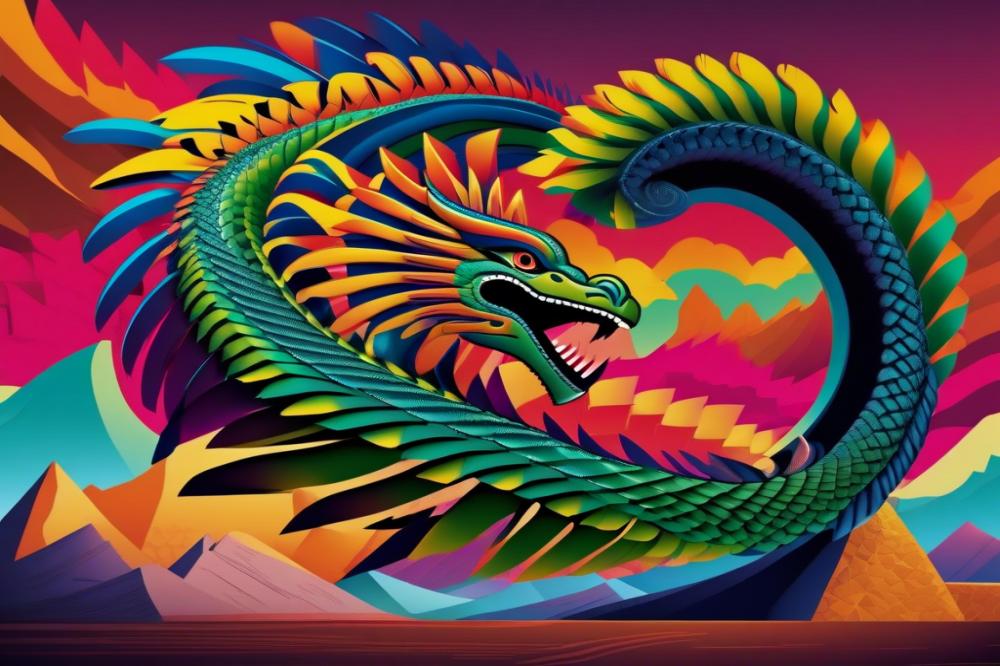
The Feathered Serpent holds a prominent place in Aztec mythology. This figure symbolizes a blend of different elements and ideas crucial to the beliefs of ancient civilizations in Mesoamerica. mythology“>Quetzalcoatl represents both creation and duality, embodying characteristics of gods found within this rich cultural tapestry.
Myths surrounding this deity highlight essential themes such as the connection between the earth and sky. As a god of wind and rain, he played a vital role in agriculture, influencing the lives of many. In addition, the Feathered Serpent often symbolizes rebirth and renewal, reflecting the cyclical nature of life in Mesoamerican culture.
Rituals and ceremonies connected to this figure reveal much about the spiritual life of the Aztecs. Temples were dedicated to him, featuring vibrant imagery and sculptures. These acts of devotion illustrate the importance of mythology in their religion. Histories passed down through generations further emphasize the significance of Quetzalcoatl and his attributes.
Symbolism linked to this powerful god also extends into the themes of duality. In many stories, he contrasts with other deities, highlighting opposing forces such as life and death, good and evil. This interplay is significant in understanding not just the beliefs of the Aztecs but also the broader framework of Mesoamerican culture and its complex view of existence.
Quetzalcoatl in Aztec mythology
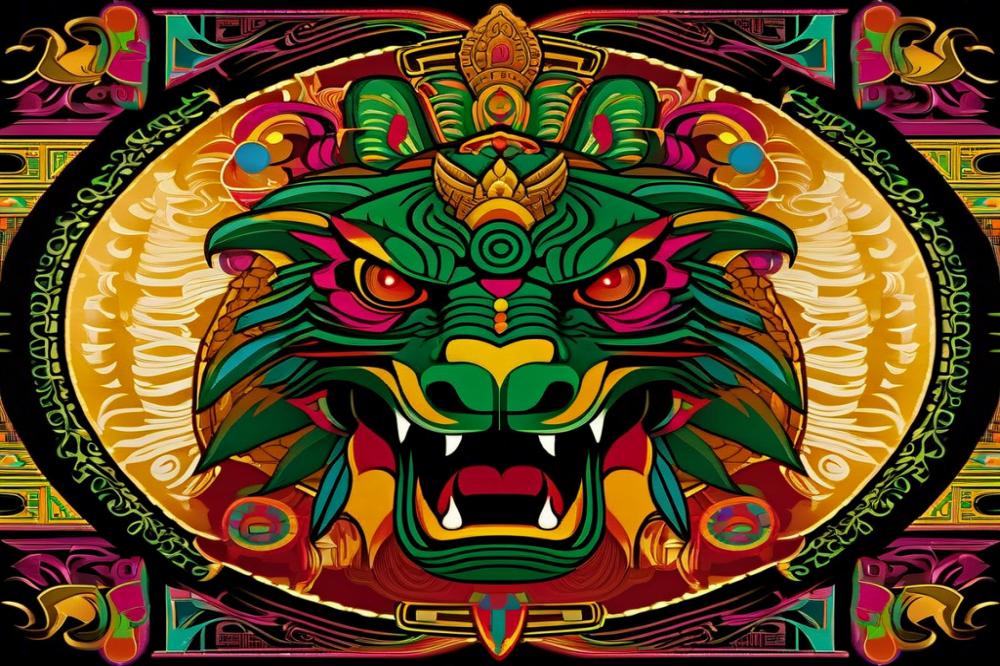
In Aztec mythology, Quetzalcoatl stands out as a significant deity. Known as the Feathered Serpent, he embodies various qualities and functions. This god represents wisdom, associated with the wind and the morning star. His presence is felt across Mesoamerican culture, where many see him as a creator figure.
The dual nature of Quetzalcoatl is fascinating. He embodies both the earthly and the celestial. As a feathered serpent, he combines aspects of the sky and the land. This unique image symbolizes the connection between humans and the divine. His identity also reflects the balance and duality that many ancient civilizations cherished.
In addition to being a creator god, Quetzalcoatl plays a vital role in rituals and religious practices. Offerings were made to him in hopes of gaining wisdom, prosperity, and protection. Temples dedicated to this deity featured rich symbolism and were centers for worship. Their significance cannot be overstated in understanding the overarching framework of Aztec religion.
Throughout history, stories of Quetzalcoatl have been passed down from generation to generation. His teachings encourage morality, learning, and respect for nature. This resonates strongly within the broader scope of Mesoamerican beliefs. His significance even extends beyond his physical forms; he exists as a cultural icon. Many see him as a symbol of hope and guidance.
The legacy of Quetzalcoatl continues to inspire people today. Some view him as a unifying force within the complex world of ancient gods. Understanding his character deepens our grasp of the rich history of the Aztec and neighboring cultures. This exploration reveals how beliefs shaped not only religious practices but also daily life. The Feathered Serpent remains a powerful figure in understanding the dynamics of the Aztec world.
Symbolism and Characteristics
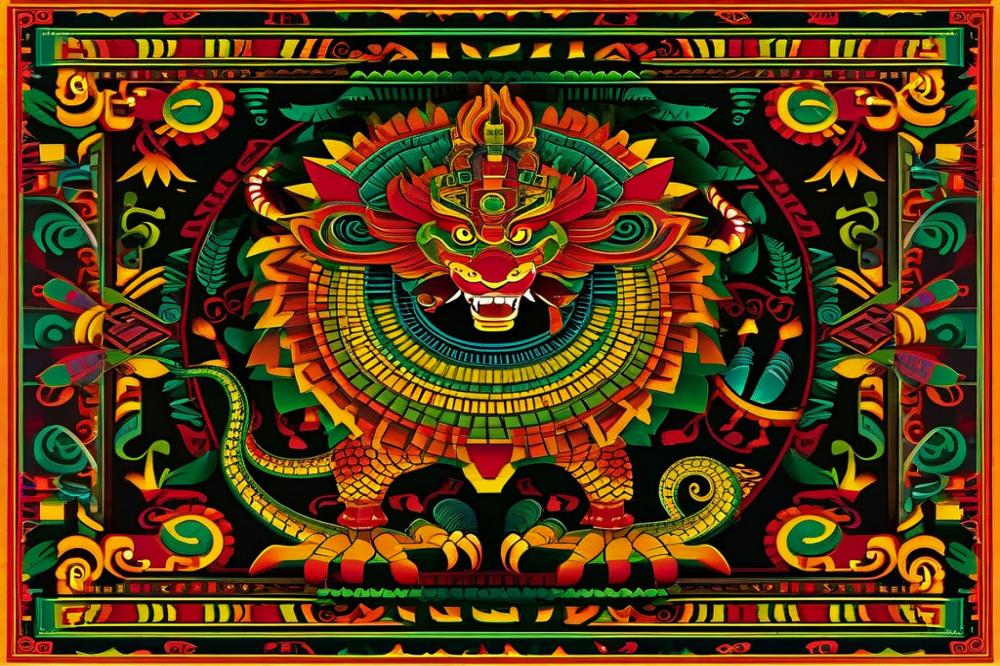
The Feathered Serpent is rich in symbolism within Aztec mythology. This figure represents a fascinating blend of elements that connect the earth and sky. Feathers, in many ancient civilizations, often symbolize flight and the divine. Combining these with the serpent imagery emphasizes a profound duality. While serpents suggest the earth and its mysteries, feathers uplift to the heavens.
In Mesoamerican culture, the serpent often signifies wisdom and renewal. This connection with knowledge makes Quetzalcoatl stand out among other gods. Fertility, creation, and even the duality of life and death are strongly related to this deity. As such, he embodies the harmony of opposites, illustrating the cycle of life itself. He is not just a singular entity; he encompasses various essential concepts.
Creating the world and sustaining life are prominent traits associated with this god. His role in mythology includes the nurturing of crops and the promotion of agriculture. Rituals dedicated to him often involved offerings of flowers and food to honor his contributions. This reinforces the understanding that sustenance comes from a balance between land and sky.
The history of these beliefs showcases the importance of such symbols in Aztec religion. They reflected the social and spiritual life of its people. Community rituals centered on this figure would celebrate both creation and the changing seasons. Stories depict him as a teacher and a guide, deeply integrating him into the cultural fabric as protector of humanity.
The feathered serpent, as a symbol, serves to remind us of the interdependence between various elements of life. Understanding this connection unlocks insights into ancient beliefs and values. Each aspect of this mythology speaks to the interconnectedness of all things, highlighting the importance of balance and harmony.
Quetzalcoatl’s Influence on Ancient Civilizations
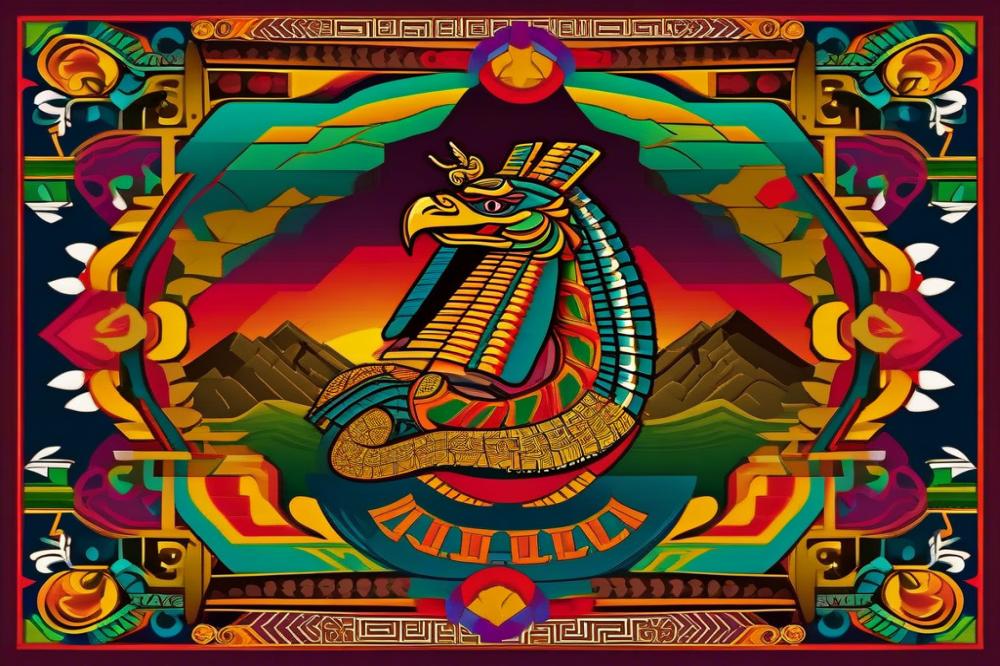
Quetzalcoatl was not only revered by the Aztecs. This powerful deity played a significant role in various Mesoamerican cultures, including the Toltecs and earlier civilizations like the Teotihuacanos and the Olmecs. Each culture added its own layer to his story, making him a symbol of creation and duality in their traditions.
The Toltecs viewed him as a wise ruler and a patron of the arts. They believed he taught them essential skills like farming, weaving, and metalwork. Their admiration for him was evident in their temples and pyramids, showcasing his importance within their religious beliefs. Rituals dedicated to this god often involved offerings to ensure his favor.
Back in time, the Olmecs likely inspired later depictions through their carvings and art. They created colossal heads that some scholars connect to Quetzalcoatl. These artistic expressions hinted at a shared reverence for serpent-like gods. This illustrates a common narrative across ancient civilizations in Mesoamerica.
Symbols associated with Quetzalcoatl varied from culture to culture. In many cases, he embodied wisdom, creativity, and life-giving forces. His feathers commonly represented the sky while his serpent form reminded people of the earth. Together, these attributes highlighted the balance sought in their religion and daily lives.
The shared narratives also show connections between gods. For instance, the Mixtecs had a god named “Tezcatlipoca,” who represented a darker aspect compared to Quetzalcoatl’s benevolent nature. This duality in deities reflects the complex worldviews of these ancient civilizations. It indicates an effort to understand the universe’s balance between good and evil.
Throughout history, Quetzalcoatl’s influence resonated deeply in rituals and myths. Celebrations often involved reenactments of his stories to honor and invoke his blessings. These communal gatherings fostered a sense of belonging and identity among the people. They maintained the rich heritage of Mesoamerican culture by passing down tales of this revered figure from generation to generation.
Rituals and Worship
Aztec mythology holds a special place for the Feathered Serpent. Many rituals were dedicated to this important god. Worship involved a variety of practices that reflected deep beliefs in the universe and creation. Temples served as central locations for these activities. Here, priests performed sacred ceremonies. They often sought to connect with the divine forces of Mesoamerican culture.
Rituals were not simply performances but integral parts of daily life. Offerings played a crucial role in these ceremonies. Items like food, flowers, and precious objects were presented at altars. The act of giving was believed to bring blessings from the heavens. Incense would fill the air, adding to the spiritual atmosphere. Often, blood sacrifices were made, reflecting the duality of life and death in Aztec religion. Such acts were meant to please gods and maintain balance in the world.
Festivals dedicated to this deity were vibrant events. These occasions included music, dance, and lively gatherings. They provided a way for the community to come together. Celebrations often featured elaborate costumes and ritualistic performances. Symbolism was everywhere, from the colors of the garments to the arrangement of offerings. Each element had meaning rooted in ancient civilizations’ beliefs and practices.
In addition to festivals, the temples were places of reflection and learning. Their intricate designs and carvings illustrated myths and historic events. Visiting a temple offered priests and worshippers a chance to connect with their ancestors. History was preserved in stone, with depictions that told stories of creation and existence. Temples were not just structures; they represented the heart of Aztec spirituality.
Engagement in these rituals reflected the society’s values. Respect for the gods was paramount. Each ritual served to reinforce community bonds and shared beliefs. Through these practices, the Aztecs maintained a strong relationship with their deities. The Feathered Serpent was a symbol of wisdom and strength. His worship reflected the rich tapestry of life in Aztec society.
Historical Interpretations and Cultural Legacy
The story of the feathered serpent is complex. Historical interpretations of this deity often vary widely, especially when viewed through the lens of European colonizers. Spanish accounts sometimes misread Aztec mythology, viewing gods through a colonial lens that distorted their meanings. Misconceptions arose from misunderstandings of rituals and beliefs, creating a skewed image of Mesoamerican culture.
In the narratives crafted by explorers and missionaries, Quetzalcoatl was depicted in ways that emphasized duality. Often, he was portrayed as a benevolent figure, contrasting with the more violent gods of the Aztec pantheon. This simplification led to a sort of mythical hero image that failed to capture the full depth of the creation stories surrounding him. He embodied many things: wind, life, and even decay, which reflects the interconnected nature of existence that ancient civilizations greatly revered.
Through the centuries, the legacy of Quetzalcoatl has endured. Today, he appears in various forms in contemporary art and literature. Artists draw inspiration from his symbolism, using it to express themes of rebirth and transformation. Literature often references him as a cultural icon representing the rich tapestry of Mesoamerican heritage.
Modern spirituality also embraces this figure. Some new-age beliefs integrate his teachings into their practices, focusing on personal empowerment and enlightenment. Meditation and rituals sometimes invoke his presence as a connection to ancient wisdom. Elements of Aztec religion, like offerings and ceremonies, find their way into these practices, linking the past to the present in unique ways.
The impact of Quetzalcoatl serves as a reminder of how ancient beliefs continue to influence contemporary life. Enthusiasts explore the historic narratives surrounding him, searching for deeper meanings in his existence. For many, he transcends the barriers of time, providing lessons about life, death, and the natural world. The reverberations of this legend show that mythology remains relevant, highlighting the importance of understanding and respecting the past.
Final Thoughts on the Feathered Serpent
Understanding the place of this important deity within snake mythology reveals much about Mesoamerican culture. As a vital figure in Aztec mythology, he shaped the civilization’s worldview. His dual nature as both a god of wind and a serpent speaks to how ancient people viewed the balance of life. To them, the intertwined aspects of creation and destruction were essential.
This legendary figure influenced art, literature, and religious practices. Temples were dedicated to him, serving as a reminder of his significance. Ordinary people performed rituals, hoping to win his favor for good harvests or success in life. These customs highlight the blend of reverence and daily necessity present in their society.
Reflecting on his legacy offers insights into ancient civilizations. It illustrates the blend of mythology and reality in shaping cultural identity. Many cultures today continue to hold onto the teachings and stories of their ancestors. They remind us that understanding past beliefs can deepen our connection to history. The Feathered Serpent stands as a symbol of how cultures evolve while maintaining ties to their roots.

