
Introduction
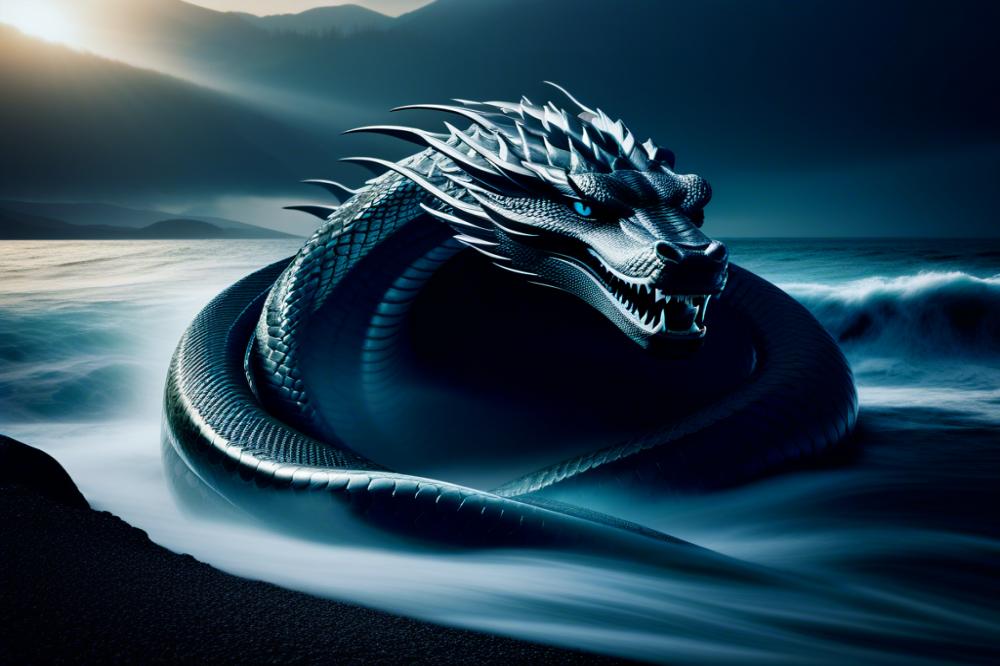
Jörmungandr, often known as the World Serpent, is a central figure in Norse mythology. This enormous serpent encircles Midgard, the realm of humanity, lying beneath the ocean. Its significance stretches beyond mere size; it embodies chaos, destruction, and the inevitable fate that awaits the gods duringmythology“> Ragnarok.
Snakes and serpents hold a prominent place in various mythologies across cultures. They represent transformation, duality, and sometimes, danger. In Norse Mythology, Jörmungandr is more than just a creature; it symbolizes the boundaries between order and chaos. As the offspring of Loki, the trickster god, the serpent’s existence reflects the unpredictable nature of its lineage.
Interactions between Jörmungandr and the gods provide depth to the ancient myth. Thor, a key figure in the pantheon, has a particular rivalry with this formidable creature. Their eventual confrontation is prophesied to occur during Ragnarok, marking the end of the world. The battle will not only determine the fate of Thor, but also the destiny of the realm and all its gods.
Understanding the World Serpent’s role helps to highlight connections within Norse mythology. The struggle between order and chaos is prevalent throughout the tales. As the serpent weaves through the ocean, it embodies the constant tension between these forces, making it a vital part of the mythological narrative.
The Origin of Jörmungandr
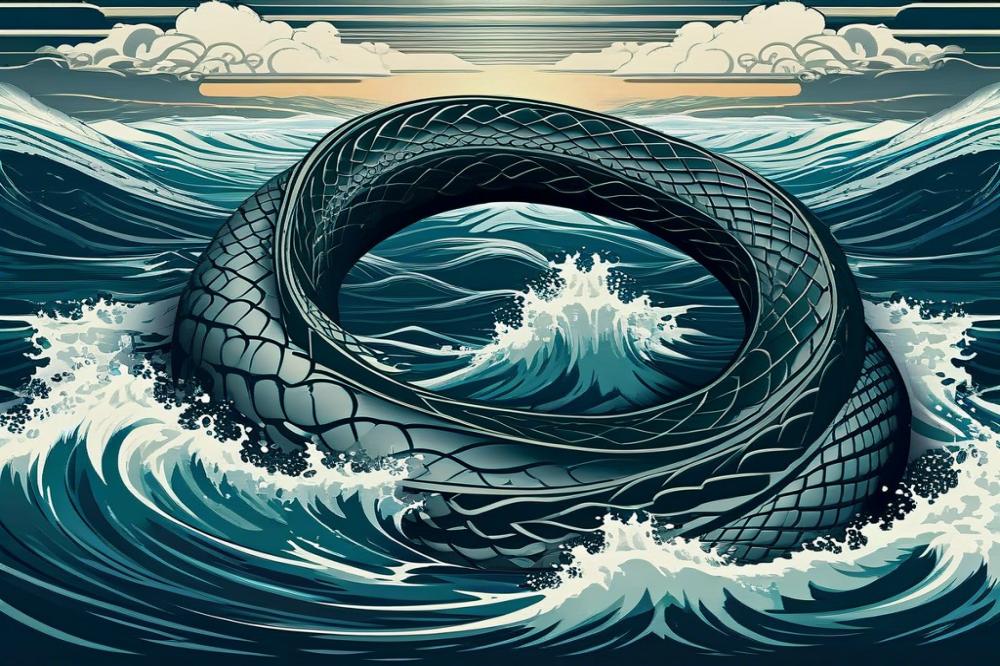
Jörmungandr, the World Serpent of Norse mythology, has fascinating roots. Born to the trickster god Loki and the giantess Angerboda, Jörmungandr’s parentage marks him as a creature both powerful and extraordinary. This union was not merely unique but pivotal within the larger tapestry of myths woven by the Norse gods.
Loki’s connection with Angerboda produced other significant figures in mythology. Their children include Fenrir, the monstrous wolf, and Hel, the ruler of the underworld. Each sibling plays a vital role in the unfolding tales of Norse lore. The bond between them reflects the complex relationships among the gods and their adversaries.
As Jörmungandr grew, he underwent immense transformation. He coiled his massive body around Midgard, the world of mortals, and became a symbol of chaos and danger. The vast ocean became not only his home but also a boundary, separating the worlds of gods and men. This coastal presence brought about a deeper symbolism in ancient myth, where Jörmungandr represents the unseen forces that can disrupt order.
His interactions with Thor add layers to his character. The god of thunder and the World Serpent are destined to clash during Ragnarok. This cataclysmic event epitomizes the struggle between order and chaos. Such themes resonate through countless stories in Norse traditions, as they highlight the inevitable conflicts between powerful beings.
In essence, Jörmungandr stands as a testament to the complexities of Norse myths. His lineage, transformations, and ultimate role in Ragnarok intertwine to depict a world where gods and monsters are inextricably linked. The ocean, as his domain, serves as both a physical barrier and a metaphorical representation of the unknown. Through these narratives, the ancient Norse explained the balance of nature and the cosmic order that governs their lives.
Jörmungandr in Norse Cosmology
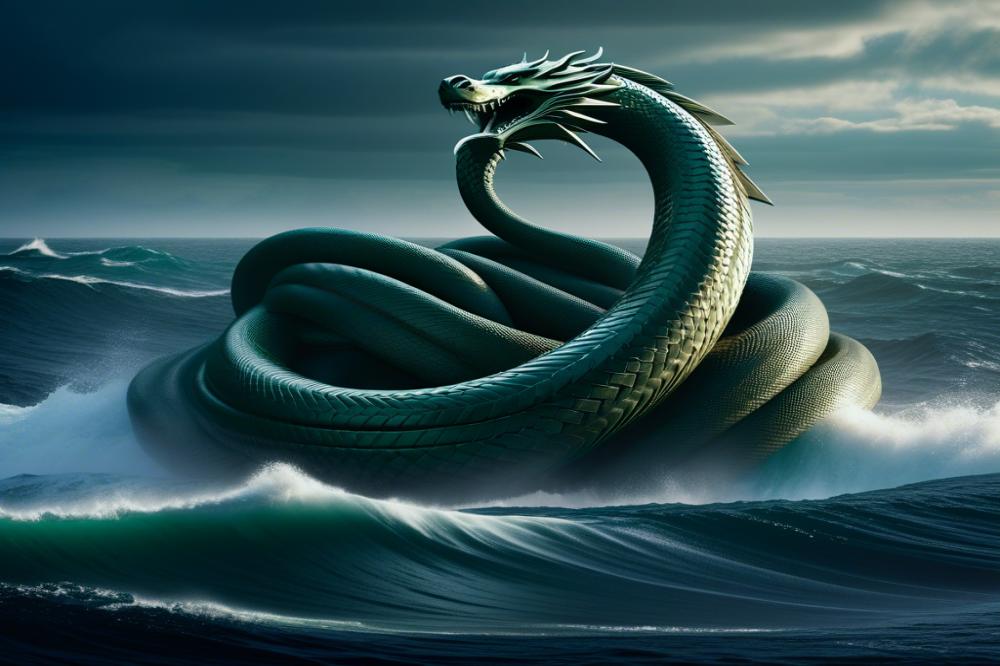
The World Serpent plays a crucial role in the ancient myth of Norse cosmology. Jörmungandr resides in the vast ocean that surrounds Midgard, the realm of humans. This serpent is more than a creature; it symbolizes the boundaries of the known world. Its immense size embodies the connection between different realms, serving as a bridge between Midgard and the waters beyond.
This serpent’s presence is felt deeply in the intricate web of the Nine Realms. Midgard is just one of them, and each realm has its specific characteristics. The ocean, where Jörmungandr dwells, represents both danger and mystery. Throughout Norse mythology, the tales often speak of the threats lurking within those unpredictable waters.
Interaction with the Norse gods often leads to conflict. Thor, the mighty god of thunder, has a legendary rivalry with the serpent. Their battles are not just physical; they reflect the eternal struggle between chaos and order. Loki, the trickster god, is the potential father of Jörmungandr, linking the serpent directly to the gods. This connection illustrates how intertwined the deities and mythical creatures are within the Norse belief system.
The relationship between Jörmungandr and Thor highlights a significant theme in Norse mythology. As Ragnarok approaches, the serpent rises from the ocean in a climactic clash with Thor. Their battle is seen as a pivotal moment, symbolizing the end of the world and rebirth. Such events illustrate the delicate balance of the cosmos and the constant cycle of creation and destruction.
In essence, Jörmungandr represents more than a fearsome being. The World Serpent embodies the struggles and relationships that define the Norse cosmos. Myths tell of epic encounters and the workings of fate, showcasing how every part of the universe is interconnected.
Jörmungandr and Ragnarok
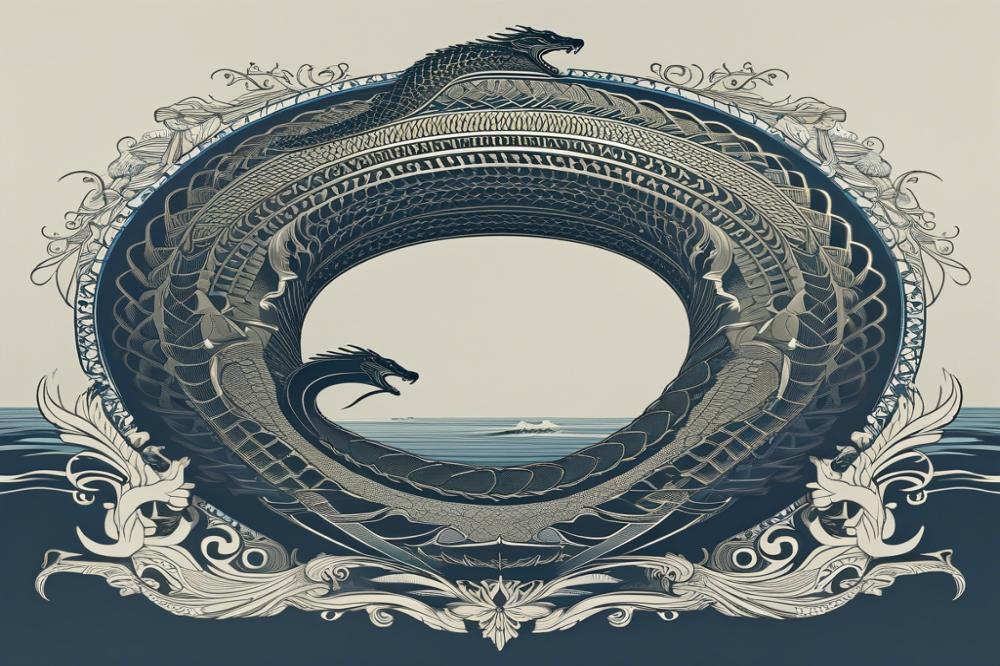
The prophecy of Ragnarok speaks of great battles and destruction. Among the foretold events is the clash between the World Serpent and Thor. This ancient myth reveals the intertwined destinies of gods and creatures alike. Their confrontation symbolizes the ultimate struggle between chaos and order.
During Ragnarok, the serpent rises from the ocean, causing fear and chaos. Eager to fulfill his fate, the creature unleashes his wrath upon Midgard. Thor, the fierce protector of the gods, steps forward to face him. Their battle is not just a fight; it reflects deeper themes of fate. In Norse mythology, destiny is an inescapable force, driving beings toward their ultimate ends.
The moment they clash is both terrifying and momentous. Thunder rumbles as Thor wields his mighty hammer, Mjölnir. Each blow exchanged carries the weight of prophecy. In this epic battle, both foes know that their fates are bound tightly together. Many believe that Loki’s influence led to this confrontation, highlighting how mischief and treachery shape events in the mythological narrative.
Beneath the waves, the serpent coils with rage. Thor, undeterred, fights fiercely for the gods and humankind. Their struggle represents not just a personal vendetta, but also symbolizes a greater fight for the fate of the world. The outcome ultimately leads to devastating results for both, leaving a lasting impact on the Norse gods and their myths.
In the end, their conflict isn’t merely a battle; it signifies the cyclical nature of existence in Norse thought. The clash of Thor and the great serpent exemplifies the idea that every action leads to greater events. Their fight reminds us of the intertwining fates of gods, monsters, and humanity, forever changed by the unfolding of Ragnarok.
Cultural Impact and Legacy
The World Serpent has left a deep mark on art, literature, and modern media. In various paintings and sculptures, artists have depicted this formidable creature in countless ways. For instance, some portray it coiling around the Earth, while others show it emerging fierce from the ocean. This imagery resonates with audiences, highlighting its power and presence in ancient myth.
Literature also reflects the fascination with the serpent. Writers draw inspiration from stories of Thor’s battle against this beast during Ragnarok. The tension between these two figures captures the struggle between order and chaos experienced by Norse gods. Different adaptations have emerged in novels, poems, and even comic books, showcasing the enduring fear and respect for this mythical entity.
Modern films often feature this creature as a powerful symbol. It has appeared in animated series and blockbuster movies, sometimes as a villain, sometimes as a misunderstood giant. Stories often reinterpret the ancient myth, weaving it into contemporary narratives. Such reinterpretations encourage fresh conversations about mythology and its characters, especially Loki and Thor.
The impact of the World Serpent extends beyond just tales. Numerous video games feature this legendary being, allowing players to interact with its fearful presence. Games often showcase epic battles against the creature, immersing players in thrilling adventures. This interaction keeps the story alive and makes the myth accessible to younger generations.
The ongoing interest in Jörmungandr reflects a broader fascination with serpent mythology. Across cultures, serpents symbolize different themes, from wisdom to destruction. The World Serpent embodies chaos and the unknown, connecting it with fears people have today. Such themes continue to resonate, making ancient stories relevant even in the modern age.
The combination of mythology, art, and entertainment fuels our curiosity about this ancient being. Discussions about its role in Ragnarok still intrigue scholars and fans alike. Jörmungandr is more than just a myth; it is a representation of life’s complexities and an exploration of human fears. By delving into its legacy, we can understand the significance of these stories throughout time.
Final Thoughts on the World Serpent’s Legacy
Jörmungandr holds a significant place in Norse mythology. As the World Serpent, this creature symbolizes the immense power of nature and the chaos that resides within it. Encircling the Earth, it represents boundaries and the very fabric of existence. The story of this being embodies themes of fate, showing how destinies intertwine and lead to inevitable conclusions.
During Ragnarok, the great battle of the gods, Jörmungandr confronts Thor, leading to both their destructions. This ultimate clash reflects the duality found in existence: creation and destruction, peace and turmoil. Each aspect plays a crucial role in the cycle of life, illustrating how balance is often maintained through conflict.
The tale of this ancient figure remains relevant even today. In popular culture and modern interpretations, it serves as a reminder of our connection to nature and the unpredictability of life. Themes of chaos, fate, and the struggle for meaning resonate with audiences across time. Such stories encourage reflection on our own lives and the forces at play within them.
In summary, the legacy of the World Serpent is one of complexity and depth. It invites contemplation on the challenges we face and the broader forces of existence that shape our paths. As long as stories are passed down, the lessons from Jörmungandr will endure, reminding us to honor the balance in life and to understand our place within the grand narrative of the universe.

