
Introduction
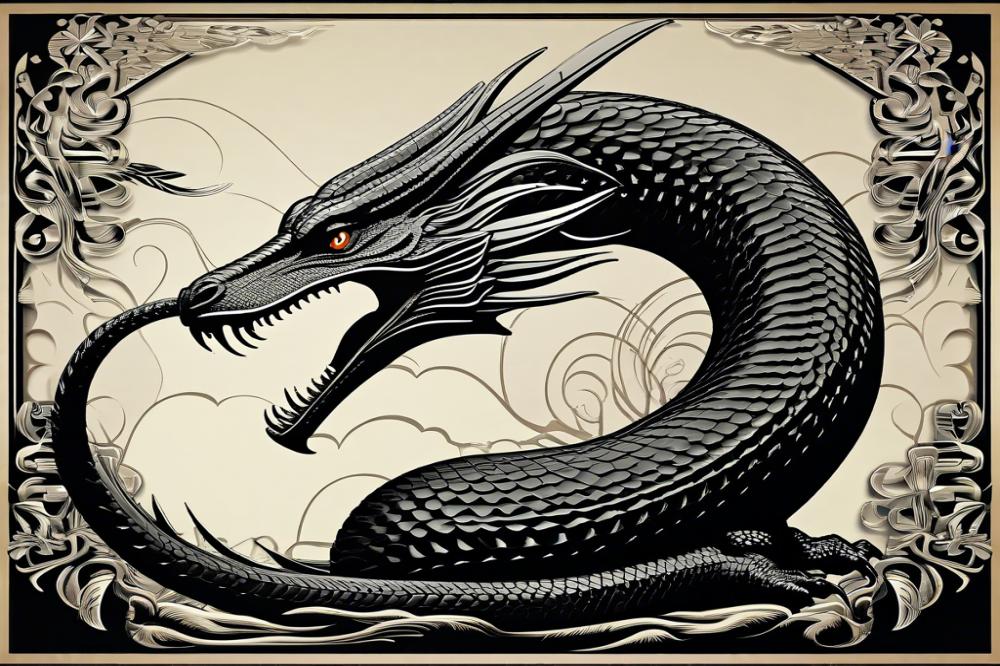
Across various cultures, snake mythology has held a significant place. These creatures often symbolize danger, transformation, and even wisdom. In European lore, numerous legends feature snakes, with one of the most notable being the basilisk.
The basilisk stands out as a central figure in the stories of Europe. This mythical serpent has captured the imagination of many throughout history. Legends often describe it as a fearsome creature capable of causing death with a single glance. Its presence in folklore serves as a warning about the perils hidden in the natural world.
The concept of the basilisk can be perplexing, combining elements of danger and awe. Defined as a deadly snake of European legends, this creature represents the complex relationship humans have with fearsome beasts. Ancient texts speak of its powerful gaze, which could petrify anyone who dared to meet its eyes.
With tales of the basilisk, one can see how culture shapes the understanding of snakes as symbols. The connection between the natural and supernatural deepens through these narratives, offering insights into human fears and beliefs. For those interested in mythical creatures, the basilisk remains an enduring topic of fascination and fear.
To delve further into the mystique of this creature, readers might explore its various representations in art and literature. Understanding the basilisk can provide a broader perspective on how mythological figures influence cultural storytelling. The legend serves as a reminder of the beauty and terror that nature can embody. For more information on the subject, consult reputable sources on mythological creatures and their impact on culture. #anchor_text_1# has many insights worth examining, while #anchor_text_2# can guide readers to discover additional lore surrounding the basilisk.
Origins of the Basilisk
The basilisk’s historical roots trace back to ancient texts, where it was often regarded as a creature of great power. This snake-like beast featured prominently in both Greek and Roman mythology. Descriptions vary, but many shared a common theme: the basilisk emitted a deadly gaze, capable of killing anyone who met its eyes. Such a terrifying ability made it a symbol of danger and fear in those early tales.
In various legends, the Greeks depicted the basilisk as a hybrid creature. It combined elements of both the rooster and the serpent, which offered a unique visual that captured the imagination. When Roman writers encountered these myths, they adapted the creature to fit their narratives. This transformation in mythology altered the basilisk’s characteristics, sometimes focusing more on its supposed poison than on its mythical death stare.
The transition to medieval European folklore saw the basilisk evolve further. During this period, many stories emerged that highlighted its lethal powers. Illustrations from this time depicted it as a fierce, crown-wearing serpent. People believed that this crown represented its royal and fearsome status. Legends warned that even its breath could be fatal, making this beast an ultimate symbol of death.
In medieval bestiaries, the basilisk was often labeled the “king of serpents.” Such titles contributed to its fame across cultures. These interpretations painted the creature as a guardian of treasures, yet also a harbinger of doom for those who dared approach. Fear of the basilisk spread widely, leading many to share tales of encounters with this formidable beast.
Ultimately, the image of the basilisk has remained potent throughout the ages. Its legacy continues to serve as a timeless reminder of how ancient myths shape modern understanding. With each retelling, the basilisk shifts, yet its essence as a deadly snake endures, captivating the minds of those who hear its story.
Physical Characteristics and Abilities
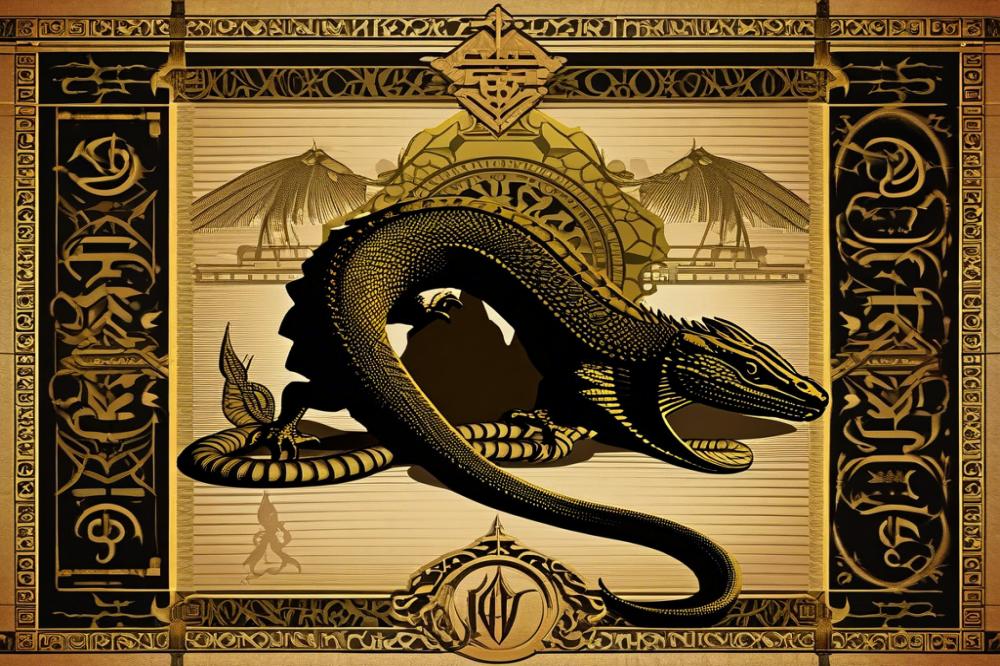
The basilisk, a creature deeply rooted in European folklore, is often depicted as a large serpent. This mythical snake is said to possess several distinctive features that set it apart from other creatures. Traditionally, it has a long, slender body, covered in scales that shimmer like precious jewels. Its most notable characteristic is its crown-like crest atop its head, giving it a regal appearance. Some stories describe it as having vivid colors, ranging from brilliant greens to fiery reds.
Legends suggest that the basilisk holds formidable powers. The creature’s gaze is often said to be deadly. Just a single glance could turn the strongest warrior to stone. People whispered about the basilisk’s venom, which is reputed to be incredibly toxic. Many claimed that even the mere touch of its fangs could bring swift death. In addition to its lethal abilities, the basilisk is sometimes depicted as possessing the power to cause crops to wither or diseases to spread wherever it slithers.
When examining the basilisk, one cannot help but draw comparisons to other legendary snakes and monsters. The hydra, for example, also has roots in myth, featuring many heads and regenerative abilities. Unlike the basilisk, however, the hydra’s threat lies in its relentless nature and ability to grow back two heads for every one that is cut off. Similarly, the naga from Indian mythology shares serpentine qualities but is typically regarded as a protector rather than a harbinger of doom.
While each of these creatures has its own unique traits, the basilisk’s blend of beauty and terror makes it a remarkable figure in the landscape of myth. Its dangerous powers and striking appearance ensure that tales of this creature continue to captivate and intrigue audiences across generations. Through folklore, the basilisk remains a chilling emblem of nature’s dual capacity for wonder and destruction.
Cultural Significance and Symbolism
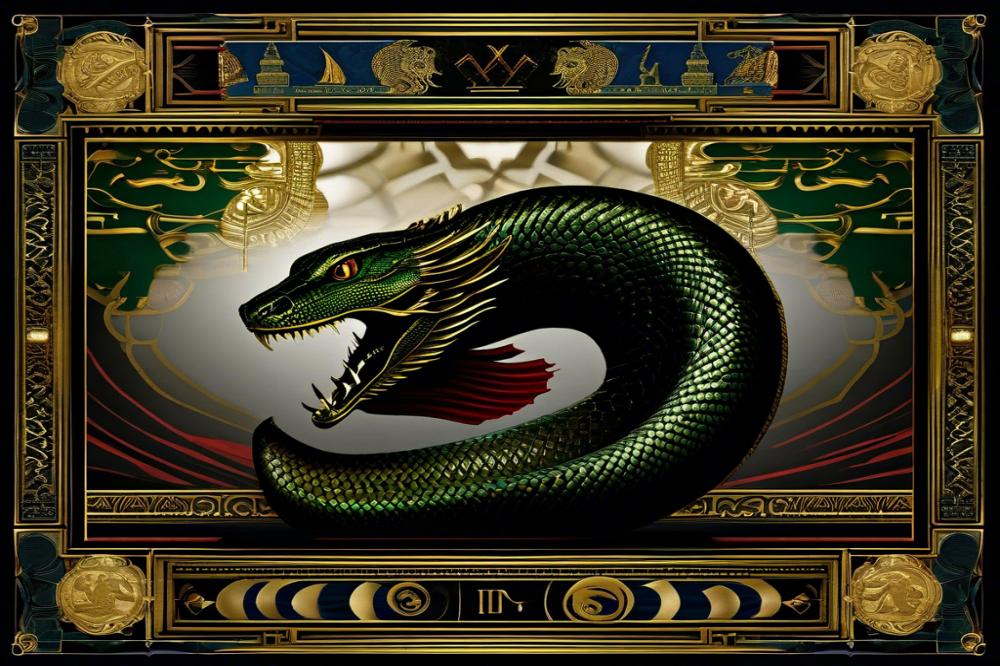
In medieval times, the basilisk took center stage in various bestiaries, which were collections of descriptions about animals, both real and mythical. These texts emphasized the creature’s deadly nature, suggesting that its gaze could turn a person to stone. These descriptions not only warned readers but also fascinated them. Literature of that era often painted the basilisk as a symbol of danger, embodying the fears and mysteries of the unknown.
Alchemical and philosophical writings looked at the basilisk through a different lens. Here, it served as a metaphor for transformation and renewal. Alchemists used the image of the snake to represent the struggle between different substances. In this context, the basilisk became a symbol of both destruction and rebirth. It highlighted the dual nature of change, reflecting the idea that something must often be destroyed before something new can emerge.
Artistic Representations
Throughout history, artists have sought to capture the mystique of the basilisk. Paintings and sculptures often portray the creature with exaggerated features, emphasizing its menacing presence. In some works, the snake coils menacingly, evoking feelings of fear. These artistic interpretations invite viewers to confront the beast’s terrifying aspects while engaging their imagination. From medieval tapestries to Renaissance paintings, its image persisted across centuries, showcasing an ongoing fascination with this legendary creature.
In modern popular culture, the basilisk continues to haunt storytelling. Movies and books occasionally feature this creature, reinforcing its legacy as a symbol of peril. Its appearances range from being a monstrous villain to serving as an allegory for personal struggles. These representations help keep the basilisk alive in the collective cultural memory, allowing each generation to redefine its meaning. Even in games and literature today, the snake still captures imaginations, highlighting humanity’s enduring fascination with the mysterious and dangerous.
Legends and Folklore Surrounding the Basilisk
The basilisk has sparked the imagination throughout history. Countless tales form a tapestry woven with fear and admiration. In many stories, this serpent has been known to possess the power to kill with a single glance. One of the most famous stories comes from the writings of medieval scholars. The basilisk, they claimed, emerged from an egg laid by a serpent and hatched under a rooster.
In various European cultures, heroes often face off against the basilisk. Knights, brave and bold, set out on quests to vanquish the beast. One popular narrative tells of a knight named George. He confronted the deadly creature in a deep dark cave. It is said that he managed to defeat the beast using a mirror. By reflecting its deadly gaze back upon itself, he ended its reign of terror.
Folktales about the basilisk vary significantly from one region to another. In Italy, local stories suggest that the basilisk can be subdued by a clever construction of bells. The sound annoys the creature, making it retreat in shame. Meanwhile, in Spain, it is believed that a simple chicken can attract the basilisk’s attention, drawing it away from unsuspecting victims.
Different interpretations abound, yet they all share common themes of danger and bravery. In England, some tales have even portrayed the basilisk as a misunderstood creature. This serpent is sometimes shown simply seeking revenge for being hunted. Such diverse retellings create a rich folklore surrounding this mythical monster. With each version, the essence of the basilisk endures.
The Basilisk in Modern Media
The basilisk continues to captivate audiences in various forms of literature and film today. This mythical creature, often depicted as a king of serpents, has undergone significant transformation since its origins in ancient tales. In contemporary narratives, the basilisk is frequently portrayed with a mix of horror and allure, drawing fans into its mysterious world.
Recent adaptations often showcase the creature’s powers in new and exciting ways. While traditional legends describe the basilisk as a deadly snake capable of killing with a single glance, modern stories sometimes embellish these traits. Films and books may depict it with added abilities, such as fire-breathing or shape-shifting, creating a more complex character. These variations contrast sharply with the more straightforward, terrifying image found in old European folklore.
Influence on Fantasy Fiction
The impact of the basilisk extends deeply into the genre of fantasy fiction. This legendary serpent has inspired countless authors and filmmakers, leading to a surge of creativity. Other mythical beasts often accompany the basilisk in these new stories, enriching the fabric of fantasy realms. Popular works, such as J.K. Rowling’s Harry Potter series, have introduced a new generation to the myths surrounding this creature.
Fans of today’s fantasy see the basilisk as both a source of fear and fascination. This duality makes it an intriguing element within plotlines. Even video games incorporate the basilisk as a formidable antagonist, testing players’ bravery and skill. These modern interpretations maintain the essence of the legend while inviting audiences to engage with the creature in unprecedented ways.
Legends persist in evolving, with each retelling adding layers of meaning. As writers and filmmakers explore character complexities, they craft a narrative that reflects contemporary values and anxieties. Such storytelling allows the basilisk to resonate with audiences, connecting ancient folklore to present-day concerns.
The Legacy of the Basilisk in European Legends
The basilisk has carved a niche in the lore of European myths, standing out as a symbol of fear and danger. Ancient texts depict it as a creature capable of deadly power, often evoking terror in those who seek to confront it. This creature embodies humanity’s longstanding fears of the unknown, particularly in the realm of nature. As stories passed down through generations, the basilisk illustrates how mythology reflects societal fears.
When examining its significance, one can see how the basilisk serves as a cautionary tale. Legends of its lethal gaze and venomous bite warn against hubris and the dangers lurking in the world. Such tales remind us of the importance of respect for nature’s unpredictable forces. Additionally, they invite a deeper understanding of how cultures interpret threats and challenges through storytelling. #anchor_text_3# enriches our comprehension of these age-old narratives.
Exploring legends like that of the basilisk opens up avenues to further examine the plentiful tapestry of mythical creatures around the globe. Further studies may reveal how each culture constructs its narratives, reflecting fears, desires, and values. As we delve deeper into folklore, unexpected connections and themes may emerge, tying disparate stories together. The pursuit of knowledge in this area not only nurtures curiosity but also fosters a greater appreciation for human creativity.
Ultimately, the basilisk remains a potent reminder of the power of myth. These stories resonate with contemporary audiences, proving that ancient fears still find relevance today. Encouraging exploration of diverse legends helps expand our worldview. So, let your curiosity guide you into the fascinating realms of folklore. #anchor_text_4# may just lead you to uncover more compelling tales waiting to be told.

