
Importance of Hognose Snake in North America
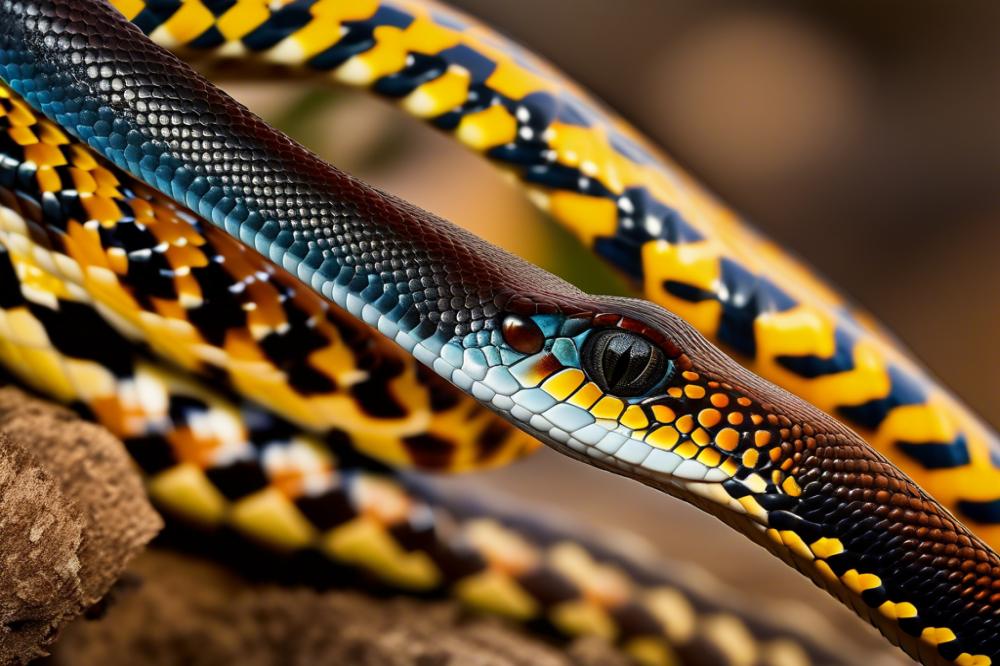
The Hognose Snake plays a critical role in North America’s ecosystem. As a predator, it helps to control populations of small mammals and insects. This interaction supports a balanced environment, making the species vital for ecological stability. Not many people realize how important these reptiles are. Their unique behavior, including a dramatic display of feigned death when threatened, fascinates both researchers and wildlife enthusiasts alike.
Overview of conservation Efforts
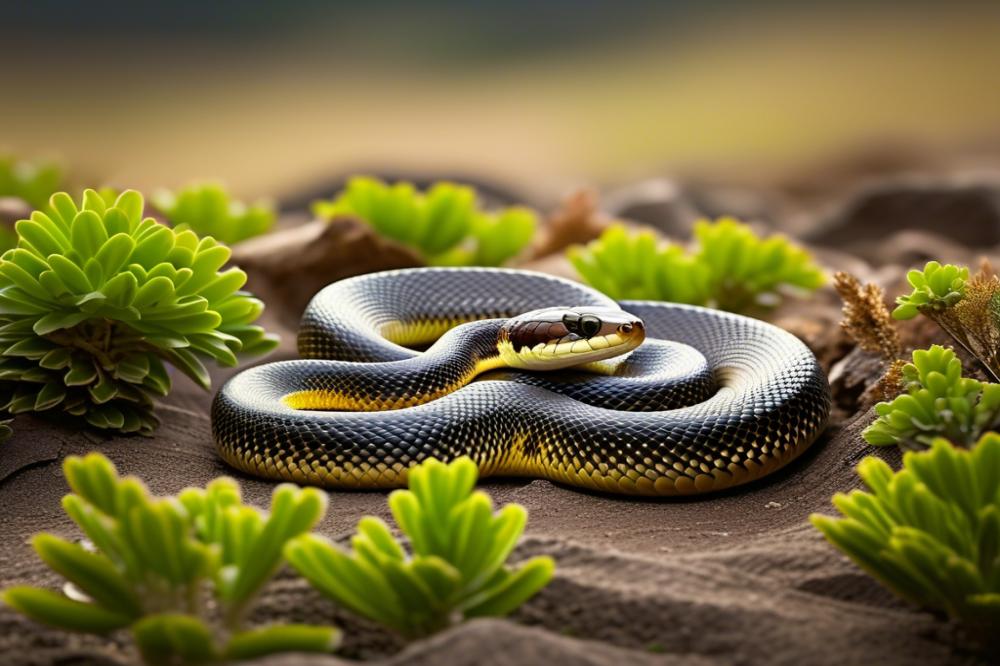
conservation initiatives have emerged to protect this remarkable species from declining numbers. Partners in various states are working on habitat restoration projects. These efforts focus on creating and maintaining healthy environments that support native wildlife. Organizations are raising funds and awareness, directing resources toward wildlife protection. education is becoming a key element of these conservation strategies. Many programs aim to inform the public about the importance of preserving the Hognose Snake and its habitat.
Significance of Community Involvement

Community engagement is essential for successful conservation outcomes. Volunteers participate in various projects, from cleanup events to educational workshops. These activities enhance reptile awareness and foster a deeper connection between people and nature. By working together, local residents can make significant contributions to species recovery. Encouraging ecological awareness in the community supports broader wildlife initiatives. Opportunities for volunteers often spark interest and ignite passion for protecting these snakes and their habitats. Ultimately, Community Programs empower individuals to take action in safeguarding the environment.
Hognose Snake Conservation Initiatives
Overview of Existing Conservation Programs
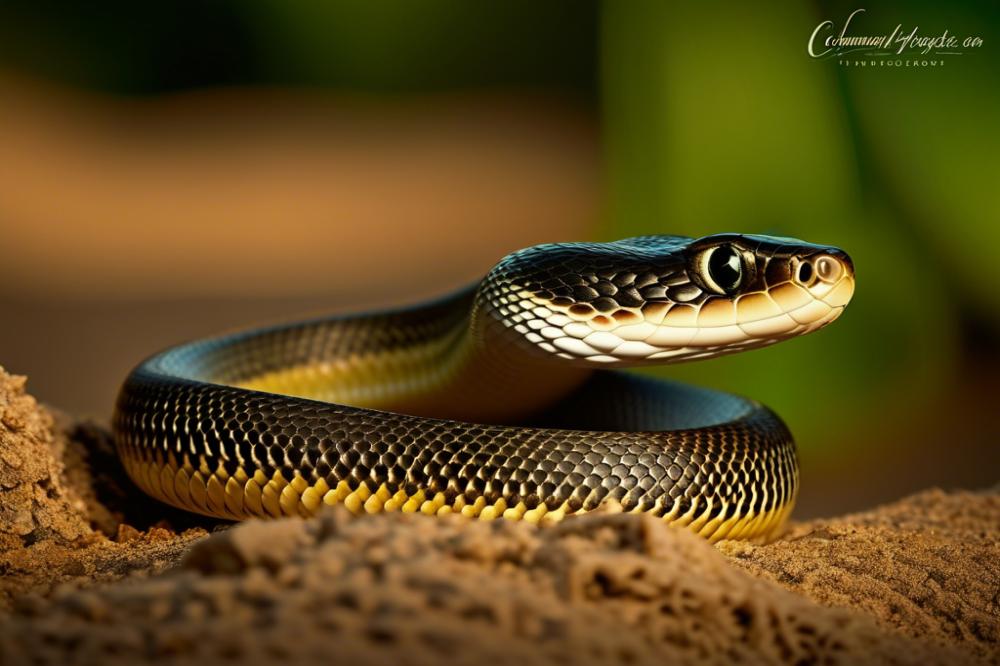
Various conservation programs aim to protect the hognose in North America. These initiatives focus on habitat restoration and wildlife protection. Organizations work to restore natural landscapes that these reptiles rely on for survival. Educational campaigns promote ecological awareness. Many programs engage local communities to raise support and funding. By involving residents, these efforts enhance the overall effectiveness of conservation strategies.
Role of Government and NGOs in Hognose Snake Protection
Government agencies play a crucial role in the protection of this species. They enforce laws that safeguard endangered wildlife. Additionally, numerous non-governmental organizations (NGOs) advocate for better habitat management. These groups often conduct research to understand the needs of the hognose better. They also create partnerships with schools and local businesses to promote reptile awareness. Such collaborations lead to innovative solutions for species recovery.
Importance of Habitat Conservation for Species Recovery
Conserving habitats is vital for the recovery of the hognose snake. Many of their natural environments are threatened by urban development and agriculture. Protecting these areas can provide a safe haven for reptiles. Furthermore, habitat restoration projects benefit other wildlife species too. Engaging communities through volunteer opportunities fosters a sense of ownership and responsibility. When people understand the ecological significance of these habitats, they are more likely to participate in conservation efforts. These connections improve overall community engagement in wildlife protection.
Education and Ecological Awareness
Community education programs play a vital role in promoting reptile awareness across North America. Such initiatives focus on fostering a better understanding of local wildlife, including snakes. In many areas, individuals participate in workshops and seminars specifically aimed at teaching participants about the behavior and habitat of these fascinating creatures.
Informational sessions often highlight the importance of habitat restoration for various species. Often, attendees learn how even small actions can contribute to conservation efforts. Engaging local communities enhances ecological awareness and helps promote wildlife protection initiatives.
Schools and local organizations frequently collaborate to create educational materials. These resources cover topics like the ecological role of snakes and conservation strategies. Additionally, interactive programs encourage hands-on learning and personal connections with the environment.
Volunteer opportunities abound in community projects focused on species recovery. Residents who dedicate their time can directly contribute to preserving habitats. Hands-on experiences are key to fostering a deeper appreciation for reptiles.
Promoting wildlife education is not just about knowledge; it also builds community engagement. By working together, neighbors can spread awareness and drive changes in behavior regarding environmental stewardship. As residents become informed, they are more likely to participate in efforts to protect local ecosystems.
Ultimately, connecting people to the natural world is a goal of these programs. Through education, community members can understand their impact on the surrounding environment. Raising awareness about these reptiles helps cultivate a sense of responsibility towards wildlife.
Volunteer Opportunities in Hognose Snake Conservation
Various conservation efforts offer ways for citizens to contribute. Getting involved in local projects can significantly impact wildlife protection. Training programs teach skills for effective conservation work. Many organizations are seeking volunteers to assist with these important tasks.
Engaging in Habitat Restoration
Volunteer programs focusing on habitat restoration are quite common. These initiatives often involve tasks like planting native vegetation and removing invasive species. Participants learn about the ecosystems that support local wildlife. Many parks and nature reserves host events for hands-on restoration efforts. Engaging in such activities helps people connect with nature while supporting ecological awareness.
Community Involvement in Species Monitoring
Researching reptile populations is another exciting opportunity for engagement. Volunteers can help monitor species and record data on their habitats. This type of community engagement is crucial for understanding population trends and promoting species recovery. Many citizen science projects welcome anyone interested in wildlife observations, regardless of experience. These projects not only aid scientific research but also increase overall education on local species.
Joining these initiatives can spark an interest in conservation. Awareness regarding hognose snakes and their environment promotes broader ecological understanding. Through these volunteer opportunities, communities actively participate in protecting local ecosystems. Building a network of informed individuals leads to lasting change in wildlife habitats. Everyone can play a part in fostering a healthier environment for one of North America’s fascinating reptiles.
Wildlife Protection Laws and Regulations
Overview of Legal Protection
Laws protecting various snake species exist across North America. These regulations are crucial for conservation efforts. Many states classify certain snakes as threatened or endangered. Local governments work to enforce these laws. The aim is to support their habitats and populations. Hognose snakes, along with other reptiles, benefit from these protections. Different regions have varying degrees of legal safeguards. Environmental agencies monitor compliance and conduct regular assessments.
Role of Citizens in Reporting Illegal Activities
Public involvement plays a significant role in wildlife protection. Citizens can report illegal activities like poaching or habitat destruction. Local wildlife offices rely on tips from the community to act quickly. Being attentive to suspicious behaviors can help prevent harm to vulnerable species. Community engagement enhances ecological awareness. Educated individuals often participate in local initiatives, strengthening conservation efforts. Volunteer opportunities include monitoring habitats and participating in awareness campaigns.
Impact of Legislation on Snake Conservation
Legislation has a direct influence on species recovery efforts. Protecting habitats leads to healthier environments for snakes and other wildlife. Effective laws can result in increased populations and improved health of local ecosystems. Education initiatives accompany these laws, helping the public understand the importance of protecting reptiles. Community members often become advocates for habitat restoration and conservation awareness. This collective effort fosters a sense of responsibility among citizens. As a result, society becomes more invested in the future of vulnerable wildlife.
Community Engagement and Reptile Awareness
Community pride plays a crucial role in local conservation efforts. Programs designed to raise awareness about reptiles often encourage residents to take an active interest. Many groups host events that highlight the ecological importance of native species. Through fun activities and engaging presentations, people learn about wildlife protection.
Initiatives to Foster Community Pride Around Local Reptiles
Local initiatives can inspire pride within neighborhoods. Educational campaigns increase knowledge about the role of reptiles in maintaining healthy ecosystems. Often, organizations develop workshops focused on habitat restoration. Participants might plant native flora that supports local wildlife, creating a deeper connection between people and nature.
Collaborations with Schools and Organizations
Schools often partner with environmental organizations to boost reptile awareness. Through field trips and classroom sessions, students gain hands-on experience with local habitats. Some areas even introduce special curricula aimed at educating young minds about endangered species. Volunteers assist in these school programs, fostering a sense of teamwork among students.
Case Studies of Successful Community-Led Conservation Efforts
One project in North America saw community members come together to create a sanctuary for native snakes. By dedicating time and resources, they improved local habitats. Wildlife protection efforts also included citizen science initiatives, allowing locals to track reptile populations. The data collected contributed to species recovery strategies, showcasing the impact of united efforts.
Another success story involved a local volunteer group that organized clean-up events. Removing debris from natural areas not only beautifies the landscape but also provides a safer environment for reptiles. Participants reported feeling inspired by their contributions to ecological awareness. These examples illustrate how collective action leads to meaningful change.
Final Thoughts on Community Programs
Community programs play a crucial role in the conservation of North America’s wildlife. They mobilize local citizens and raise awareness about the challenges facing different species. Hognose snakes, for instance, are at risk due to habitat loss and misconceptions about their nature. Engaging community members fosters a sense of ownership and responsibility towards these creatures.
Supporting these initiatives is essential. Each volunteer effort contributes significantly to the protection and understanding of unique wildlife. By participating, residents can help educate others, turning curiosity into knowledge. This process cultivates a culture of respect for local ecosystems. When communities band together, they create a ripple effect of positive change.
Looking ahead, the future of species like the hognose snake hinges on our continued advocacy. More funding and resources are critical for ongoing educational programs. Scientists and conservationists need backing from the public to ensure effective strategies for preserving habitats. With each passing year, the importance of collective action becomes ever clearer.
Actively promoting these programs is a step everyone can take. Whether through donations, volunteering, or simply spreading the word, every effort matters. Join the movement to protect North America’s precious wildlife and habitats. Together, we can create a lasting legacy for future generations.

