
Initiatives to Save the Madagascar Tree Boa
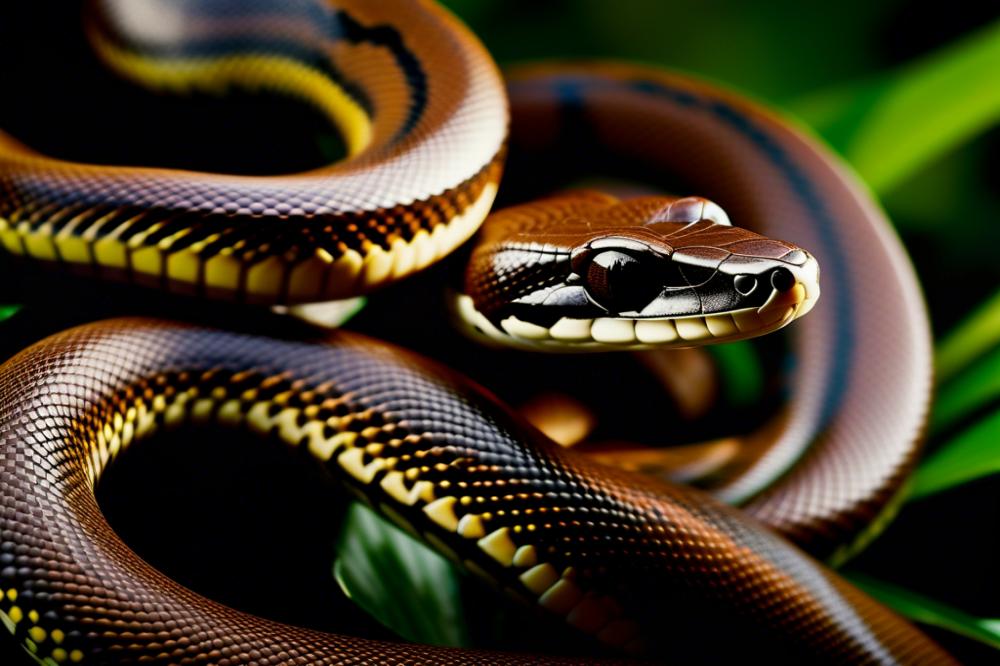
The Madagascar Tree Boa plays a vital role in its ecosystem. As a predator, it helps control the population of small mammals and birds. Its presence indicates a healthy habitat and significant ecological balance. Found only in Madagascar, this snake is part of the island’s rich fauna, which boasts an array of species not found anywhere else in the world. Unfortunately, it has become an endangered species, facing threats from habitat destruction and illegal wildlife trade.
conservation efforts are crucial for maintaining biodiversity. Every species contributes to the intricate web of life, and losing one can have ripple effects throughout the ecosystem. habitat preservation is paramount. Protecting forests means safeguarding not only the tree boa but also countless other organisms that share the same environment. Sustaining this delicate balance can prevent further declines in wildlife populations.
Awareness about snake conservation is growing, but challenges remain. Many people view snakes with fear and misunderstanding. Educational initiatives can help change perceptions, highlighting the importance of these reptiles in maintaining healthy ecosystems. Promoting environmental awareness allows communities to appreciate the vital roles snakes, such as the Madagascar Tree Boa, play in their local habitats.
Alongside protection measures, habitat restoration efforts are equally important. Restoring natural areas aids in the recovery of not just snakes but all forms of life that depend on these ecosystems. Sustainable practices in agriculture and land use can minimize further habitat loss. Each step taken towards preserving the environment is a step towards ensuring a more balanced and diverse future for Madagascar’s wildlife.
Threats to the Madagascar Tree Boa
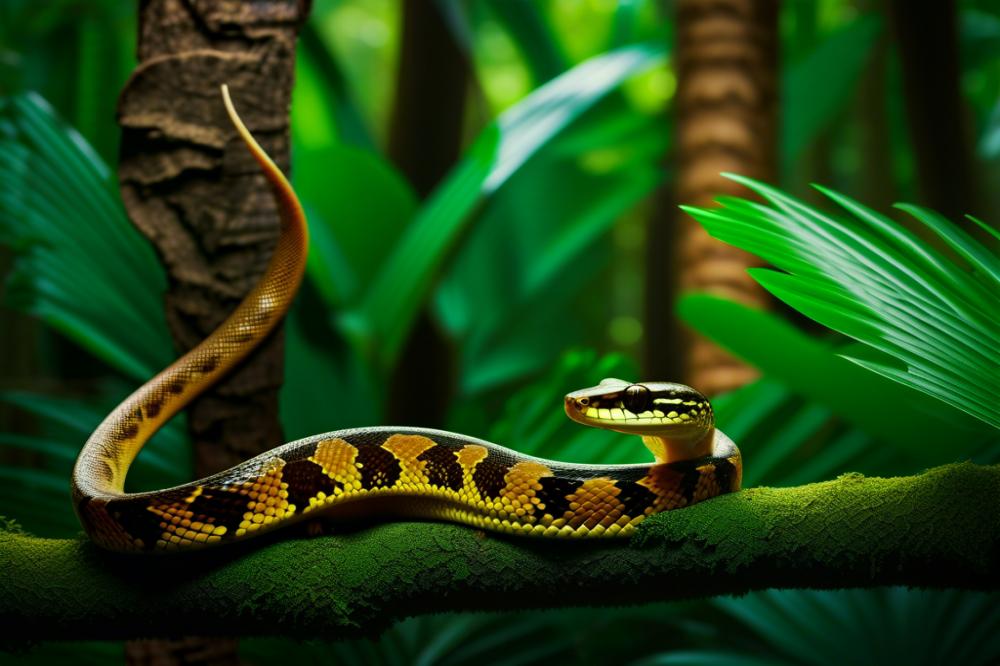
The Madagascar Tree Boa faces several serious threats that impact its survival. Habitat destruction is one of the most pressing issues. Deforestation for agriculture and logging is causing significant loss of the forests that these snakes depend on. As their natural habitat shrinks, the populations of these endangered species decline.
Climate change adds another layer of danger. Alterations in weather patterns can disrupt the delicate balance of ecosystems. Changes in temperature and rainfall affect not only the snakes but also their prey and plant life. This imbalance poses greater challenges for their survival.
The illegal pet trade is a crucial factor as well. Many individuals capture these snakes to sell them on the black market. This practice is harmful to both the snakes and the local ecosystems. Trade like this undermines wildlife protection efforts and threatens biodiversity in Madagascar.
Understanding these challenges is vital for effective conservation. Strategies must include habitat preservation and restoration. This involves protecting the remaining forest areas and restoring those that have been damaged. Sustainable practices can also help local communities benefit while protecting the Madagascar fauna.
Through increased environmental awareness, it becomes possible to educate individuals about the importance of snake conservation. The plight of the Madagascar Tree Boa highlights the need for a broader commitment to ecological balance. Addressing these threats is necessary for the future of this remarkable species.
Habitat Preservation Efforts
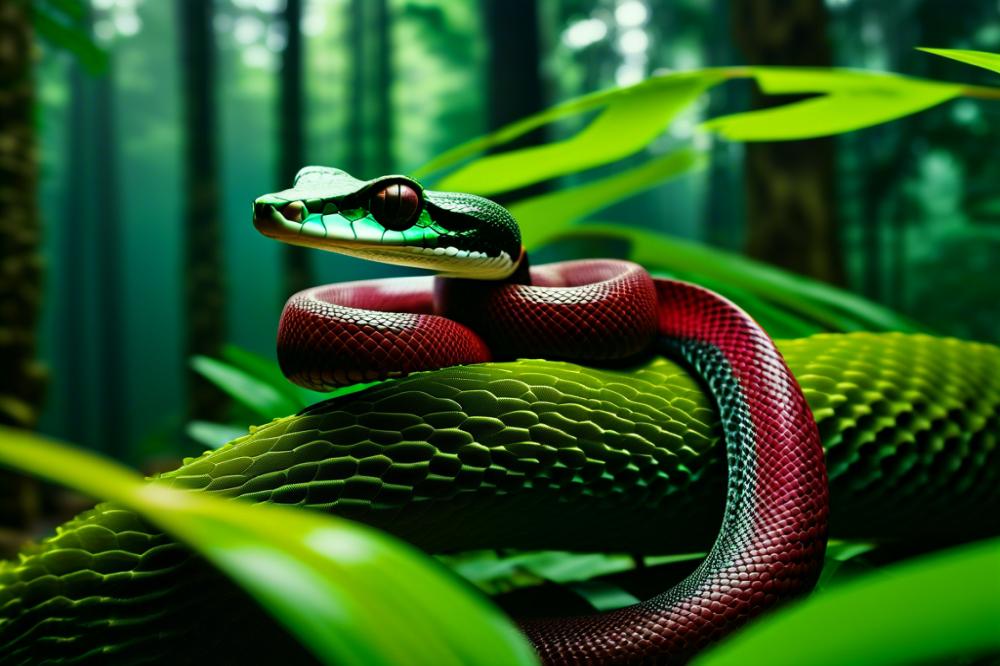
Protecting the habitat of the Madagascar Tree Boa is critical for its survival. It is an endangered species, and many initiatives focus on preserving the ecosystems where it resides. Protected areas play a vital role in these efforts. Conservation parks are established to maintain the natural environment, helping to curb habitat loss and degradation.
Many organizations are working tirelessly to promote wildlife protection and habitat restoration. These initiatives often involve local communities. Engaging the people who live near these areas fosters a sense of stewardship and environmental awareness. When communities understand the importance of biodiversity and how it ties into their lives, they become powerful allies in conservation.
Additionally, sustainable practices are encouraged to minimize human impact on the delicate habitats of Madagascar’s unique fauna. Land-use policies are evaluated to ensure they promote ecological balance. Farming and logging can disrupt these habitats, but with careful planning, it is possible to coexist with wildlife.
Educational programs raise awareness about the importance of preserving native species. Workshops reveal the benefits of protecting habitats and the rich biodiversity they harbor. Children and adults alike learn how every species, including the snake, contributes to the health of their ecosystem.
International collaborations also take shape to strengthen conservation efforts. Researchers study the Madagascar fauna and share their findings to help guide future initiatives. By combining resources and knowledge, the global community can support local efforts more effectively.
Continued commitment to habitat preservation is indispensable. Every action taken to protect the environment counts, whether it’s cleaning up areas, planting trees, or advocating for policy changes. With dedicated effort, there is hope for the future of the Madagascar Tree Boa and the ecosystems it depends on.
Wildlife Protection Policies

A variety of laws and regulations exist to protect endangered species, including the Madagascar Tree Boa. Local governments in Madagascar have developed specific policies aimed at conserving this snake and its habitat. These measures are essential for habitat preservation, which is critical for many species native to the region.
International agreements also play a major role in snake conservation. Treaties like the Convention on International Trade in Endangered Species of Wild Fauna and Flora (CITES) restrict the trade of endangered species. Such restrictions help maintain biodiversity and foster ecological balance in the region.
Effective wildlife protection involves participation from various stakeholders. Local communities are encouraged to adopt sustainable practices that benefit both the environment and their livelihoods. Programs focus on raising environmental awareness, letting locals understand the importance of species like the Madagascar Tree Boa.
In recent years, habitat restoration efforts have gained momentum. Organizations are actively working to rehabilitate the natural environments where these snakes live. By restoring habitats, they contribute significantly to the survival of Madagascar fauna.
Education campaigns also support legislation. Informing the public about the significance of preserving unique wildlife creates a sense of ownership and responsibility. When people recognize the value of their ecosystem, they are more likely to protect it.
Collaboration between governmental bodies and NGOs is crucial for effective conservation. Such partnerships often lead to innovative strategies aimed at protecting various species. Through dedicated efforts, stakeholders can address the challenges faced by these reptiles.
Ecological Balance and Biodiversity
The Madagascar Tree Boa plays a significant role in maintaining ecological balance on the island. As a predator, it helps regulate the populations of small mammals and birds. This natural control fosters a healthier environment where various species can thrive alongside each other. Understanding its role emphasizes the need for wildlife protection to support local ecosystems.
Madagascar is home to numerous endangered species that depend on its unique habitats. This island nation is famous for its diverse flora and fauna, much of which cannot be found anywhere else in the world. The loss of one species can trigger a domino effect that impacts many others. Therefore, conserving Madagascar fauna is essential for overall biodiversity.
Habitat preservation is vital to keeping this delicate ecological system intact. Not only do these habitats support various forms of life, but they also play a crucial role in climate regulation. Efforts in habitat restoration can help revitalizing areas that have been degraded. Sustainable practices are necessary to combat the threats that human activities pose to these ecosystems.
Environmental awareness is a key factor in initiating change. Education about the importance of protecting species like the Madagascar Tree Boa can inspire action. Communities must come together to advocate for wildlife protection measures. Global attention and support can make a difference in securing a future for this unique snake and its habitat.
Ultimately, the fight for ecological balance requires everyone’s involvement. Conservation efforts must address the underlying challenges threatening these species. Each ongoing initiative, no matter the size, contributes to a larger goal. A collective effort is needed to ensure that future generations can appreciate the breathtaking richness of Madagascar’s biodiversity.
Community Involvement and Sustainable Practices
Efforts to conserve the Madagascar Tree Boa heavily depend on local communities. Engaging residents in wildlife protection ensures a shared responsibility for the natural environment. Schools and local organizations are educating people about the importance of Madagascar’s unique fauna and biodiversity. Community-led initiatives have become a powerful tool in habitat preservation.
Programs focused on snake conservation provide training and resources for locals. These initiatives teach sustainable practices that benefit both wildlife and the people living nearby. For example, eco-friendly farming techniques reduce habitat destruction while supporting family incomes. This approach helps create an ecological balance, allowing both communities and wildlife to thrive.
Awareness campaigns promote environmental stewardship. Workshops and events empower locals to be active participants in conservation efforts. Such gatherings foster a sense of pride in their natural heritage. For many, understanding the significance of preserving their surroundings has been a game changer.
Habitat restoration projects invite community participation, making residents stakeholders in their ecosystem’s health. Volunteers often help to plant native vegetation, which supports local wildlife. This involvement builds a direct connection between people and the natural world around them. Such connections are vital in ensuring the survival of endangered species.
Collaboration between conservation groups and local leaders enhances these efforts. Together, they create action plans that address specific challenges in snake conservation. Feedback from the community shapes these plans, ensuring they meet the needs of both people and wildlife. Cooperation fosters a lasting commitment to environmental awareness and sustainable practices.
Environmental Awareness Campaigns
Various initiatives are underway to raise public awareness about the endangered species known as the Madagascar Tree Boa. These efforts focus on educating the community about the critical need for habitat preservation. Many organizations host workshops and seminars that teach locals and visitors about the importance of wildlife protection. Engaging storytelling is a method they use to connect people emotionally with the snakes and their home.
These campaigns emphasize the ecological balance within Madagascar’s diverse ecosystems. By illustrating how the snake conservation efforts tie into broader biodiversity goals, these programs make the case for sustaining the island’s unique fauna. Children are often targeted through school programs, as fostering an early interest can lead to long-term advocacy. Through interactive activities, young learners discover how their actions affect local wildlife.
Community outreach plays a key role. Volunteers often conduct street fairs and exhibitions that showcase the beauty and significance of Madagascar’s wildlife. These events generate interest, often leading to increased support for sustainable practices among attendees. People begin to understand how habitat restoration contributes to preserving species like the Madagascar Tree Boa.
Educational materials, such as brochures and digital content, serve an important purpose. They provide factual information that clarifies misconceptions about snakes. Many people fear snakes, but education can change perceptions, making individuals more empathetic towards them. This shift is crucial for advancing wildlife protection initiatives.
Social media platforms are used effectively to spread messages of conservation. Engaging posts and videos highlight success stories and urgent needs. When communities come together to protect their environment, real change is possible. Increased awareness translates into actions that help the local ecosystem thrive.
In essence, the power of education can directly impact public engagement regarding the importance of conserving Madagascar’s fauna. Equipped with knowledge, citizens are more likely to participate in initiatives aimed at protecting their natural heritage. The ongoing effort to create an informed public stands as a testament to the idea that awareness leads to action.
Habitat Restoration Initiatives
Restoring the habitat of the Madagascar Tree Boa is critical for the survival of this endangered species. Many organizations are taking significant steps to improve the living conditions within their natural environment. These projects are vital for preserving the delicate balance of Madagascar’s unique fauna and flora. Without intervention, these creatures face dire threats from deforestation and land degradation.
One notable initiative focuses on reforestation efforts around key habitats. Native trees are replanted to restore ecosystem functions. This not only helps snakes but also fosters the growth of various local species, enhancing biodiversity. In areas where these restoration efforts have been implemented, reports show a rebound in wildlife populations. Such positive outcomes underline the importance of habitat preservation for future generations of animals and plants alike.
Another aspect of habitat restoration involves local communities. Educating individuals about wildlife protection cultivates a sense of stewardship. Engaging residents in sustainable practices can lead to a more profound commitment to conserving their surroundings. Programs that combine environmental awareness with practical actions have shown promise. For example, locals can learn to practice agroforestry techniques that combine agriculture and tree preservation. This balance benefits people and wildlife alike.
Future directions for these initiatives must prioritize collaboration. Partnerships between conservation groups, government agencies, and local stakeholders are essential. By pooling resources and knowledge, efforts can become more effective. Successful case studies highlight the impact of teamwork in snake conservation. Communities that embrace habitat restoration find themselves thriving alongside their unique wildlife.
While challenges remain, progress is being made. Restoration projects are not just about planting trees. They involve holistic strategies that address ecological balance and community needs. Continuous monitoring and adaptive management approaches will help fine-tune these programs. Together, these efforts will create a healthier habitat for the Madagascar fauna and support the preservation of these remarkable ecosystems.
Final Thoughts on Conservation Initiatives
Protecting the Madagascar Tree Boa is crucial for maintaining biodiversity in its native environment. Ongoing conservation efforts play a significant role in safeguarding this endangered species. These initiatives not only focus on the species itself but also promote habitat preservation, ensuring the ecosystem remains intact.
Awareness can lead to increased support for these projects, which are essential for the survival of such a remarkable reptile. Many communities rely on a healthy ecosystem, and the loss of even one species can have far-reaching effects. It is vital that everyone understands the importance of maintaining such biodiversity.
Each person can contribute to snake conservation efforts. Supporting organizations dedicated to wildlife protection, volunteering for local conservation programs, or even spreading the word about the importance of protecting such animals can make a difference.
With collective action and ongoing support, we can protect these unique creatures and their habitats. Everyone has a role to play in ensuring a future where the Madagascar Tree Boa thrives. Let’s unite in our efforts and work towards a brighter future for this remarkable species.

