
Introduction
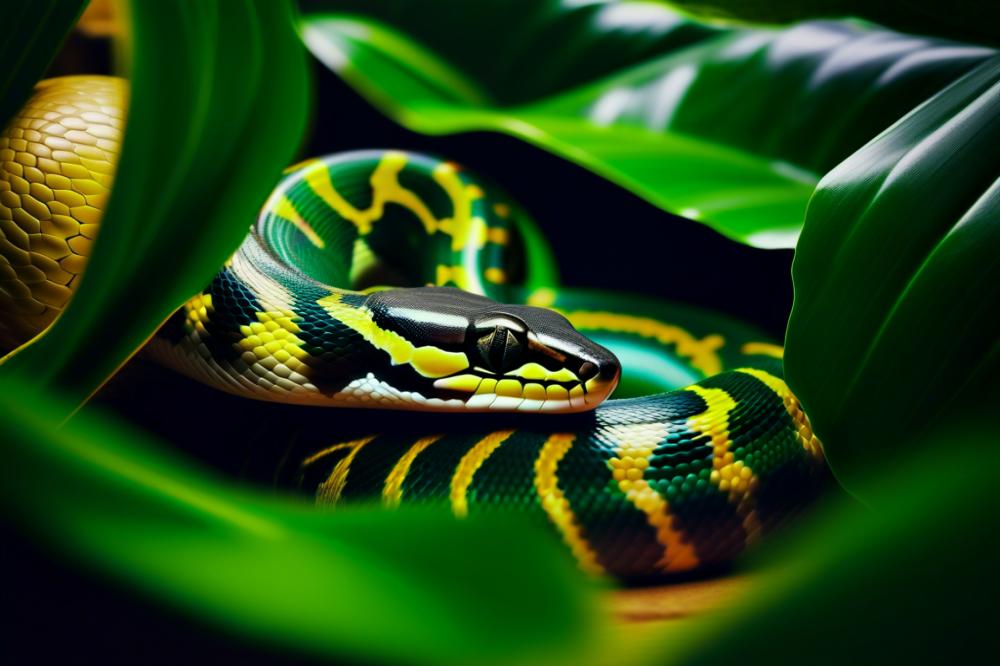
The Ball Python is more than just a snake; it holds a special place in Ghana‘s rich tapestry of wildlife. This non-venomous constrictor is not only popular among pet owners globally but plays a vital role in the local ecosystem. As a species, they help control rodent populations, which can otherwise become a problem in agricultural areas. Their significance in Ghana cannot be overstated, as they represent biodiversity and contribute to the environmental balance.
Globally, wildlife conservation efforts are crucial for sustaining our planet’s health. Various species face threats from habitat loss, poaching, and climate change. The focus on protecting reptiles, including the Ball Python, is essential to maintaining ecological integrity. Effective conservation strategies promote species protection and habitat preservation, but they also require a collaborative approach.
Reptile Parks have emerged as key players in these conservation efforts. These facilities educate the public and raise awareness about the importance of reptiles in our ecosystems. Through community engagement, they can foster a deeper understanding of wildlife issues and inspire action. In Ghana, these parks also provide opportunities for ecotourism, giving visitors a chance to appreciate the local fauna while supporting conservation initiatives. By combining education with entertainment, Reptile Parks encourage visitors to become involved in biodiversity preservation. This holistic approach plays a critical role in the overall success of Ball Python Conservation.
Ball Python Conservation

Ghana faces several threats to the Ball Python population. Habitat loss is a significant issue. Urban development and agriculture reduce the natural environments these snakes need to survive. Deforestation is another critical factor. Areas that once teemed with life are now barren landscapes.
Illegal trade also plays a major role in the decline of this species. Poachers target Ball Pythons for their skins and the exotic pet market. Many people are unaware of the laws protecting these reptiles. Such actions directly threaten their survival in the wild.
Human-wildlife conflict adds to the challenges faced by Ball Pythons. Farmers sometimes see them as a threat to livestock. In response, many take drastic measures to eliminate them. This results in increased mortality rates. Education is essential to change these perspectives.
The role of Ball Pythons extends beyond mere existence. They help maintain biodiversity in their ecosystems. By controlling rodent populations, these snakes contribute to a balanced environment. Such balance is crucial for the health of Ghana’s forests and wetlands.
Efforts in wildlife conservation aim to protect not only the Ball Python but also its habitat. Engaging with local communities is vital. Programs focusing on habitat preservation and environmental awareness create a stronger support system. People often take pride in protecting their natural resources when they understand the importance of these species.
Ecotourism can also aid in the protection of Ball Pythons. By promoting responsible wildlife experiences, local economies benefit from conservation efforts. Visitors are drawn to the beauty of Ghana’s landscapes and unique wildlife. In turn, they learn about reptile conservation and species protection.
This multifaceted approach highlights the importance of the Ball Python in maintaining biodiversity. Strengthening local communities through education and engagement fosters a deeper understanding of wildlife. As knowledge spreads, so does the commitment to protecting these remarkable snakes and their habitats.
The Role of Reptile Parks

Overview of Reptile Parks in Ghana
Reptile parks in Ghana serve as vital sanctuaries for various species, including the Ball Python. These parks focus on the conservation of reptiles, which are often misunderstood. They provide essential habitats that mimic the natural environments of these animals. Visitors frequently come to learn about different reptiles and their ecological importance.
Educational programs in these facilities inform the public about wildlife conservation efforts. Many parks work hard to raise awareness about local biodiversity. They often engage schools and communities to spread knowledge about reptiles. This outreach helps to foster respect for all forms of wildlife, making it an important aspect of their mission.
How Reptile Parks Contribute to Species Protection
Species protection is a major goal of reptile parks. By creating safe environments, they help rehabilitate injured or displaced reptiles. Staff members often monitor the health and behavior of animals closely. This attention ensures that species populations grow and thrive within the parks.
In addition to protection, these parks offer a space for research. Scientists study the behaviors and needs of reptiles, which aids conservation efforts. Such research is crucial for understanding how to better protect endangered species. Conservationists utilize this information to make informed decisions about habitat preservation and management.
Programs and Initiatives Specifically Focusing on Ball Python Conservation
Special programs often concentrate on the conservation of the Ball Python. This snake plays a significant role in the ecosystem as a predator. Reptile parks develop initiatives to educate the public about their ecological role. Through community engagement, these parks work to dispel myths that surround the species.
Visitors can participate in hands-on activities that highlight the importance of this reptile. Workshops and guided tours help people learn about the threats facing Ball Pythons. Ecotourism also helps fund conservation projects within the parks. These initiatives promote sustainability while supporting the local economy.
Habitat preservation projects are essential for the survival of the Ball Python. Reptile parks partner with local organizations to restore natural habitats. Dedicated efforts aim to combat deforestation and pollution. These actions are crucial in maintaining the environments where these snakes live.
Environmental awareness is a key focus of many reptile parks. By raising public interest in reptile conservation, they inspire action. Educational efforts equip the community with knowledge to protect wildlife. The more people understand these animals, the more likely they are to contribute positively to conservation efforts.
Through these combined efforts, reptile parks in Ghana play an indispensable role in safeguarding the Ball Python. Their work exemplifies how wildlife conservation can foster a greater understanding of biodiversity. Engaging diverse audiences allows parks to instill a sense of responsibility towards the environment.
Education and Environmental Awareness

Educational Programs in Reptile Parks
Reptile parks in Ghana play an essential role in educating visitors about the local wildlife. Workshops and guided tours facilitate hands-on experiences for people of all ages. These programs focus especially on species like the Ball Python. People learn about the importance of species protection and habitat preservation. They discover why reptiles are vital for maintaining biodiversity. Events often include interactive sessions, allowing participants to ask questions and engage directly with experts.
Impact of Education on Local Communities and Wildlife Conservation
Local communities benefit significantly from educational outreach. Knowledge gained from reptile parks promotes wildlife conservation efforts. Many people begin to understand the threats reptiles face, such as habitat destruction and poaching. This awareness can shift attitudes toward these animals. Families may change their practices, leading to reduced conflict with wildlife. When communities feel informed, they often become advocates for conservation.
Enhancing Environmental Awareness through Engagement with Local Communities
Community engagement is crucial for fostering environmental awareness. Reptile parks often collaborate with local organizations to reach more individuals. By organizing clean-up activities and conservation events, they encourage participation. This active involvement creates a sense of ownership over local ecosystems. As people connect with their surroundings, they become more conscious of their impact on the environment. Such initiatives inspire residents to prioritize ecological well-being in their daily lives, serving as a catalyst for change.
Habitat Preservation and Ecotourism
Initiatives for habitat restoration and preservation around reptile parks
Many organizations are actively working to restore habitats in Ghana. Reptile parks play a key role in these efforts. They serve as centers for wildlife conservation and education. Restoration projects often aim to rehabilitate land that has been damaged by human activity. Educating locals about the importance of preserving these environments is crucial. Workshops and community events help raise awareness about habitat preservation. These activities empower communities to take part in conservation efforts.
The relationship between ecotourism and conservation of the Ball Python
Ecotourism presents an opportunity to promote species protection while also benefiting local economies. Tourists visit parks and reserves to see native wildlife, like the Ball Python. This interest helps to fund conservation programs and habitat restoration efforts. Revenue from ecotourism can be reinvested into local communities. Financial support creates jobs and encourages locals to protect their environment. Through ecotourism, both biodiversity and cultural heritage can thrive. The connection between tourist attraction and conservation is strong, as people become more interested in protecting what they visit.
Success stories of community engagement through ecotourism
In several regions of Ghana, successful community engagement initiatives have emerged. Villagers have taken part in guided tours, educating visitors about local wildlife and their ecosystems. This connection sparks interest in reptiles and conservation among locals. Community members become ambassadors for their environment. In one village, local guides share knowledge about the Ball Python and its habitat. Their passion for wildlife sparks curiosity in tourists, creating a rewarding experience for everyone involved. Similar programs continue to grow, promoting environmental awareness while helping to sustain local livelihoods.
The Future of Ball Python Conservation in Ghana
Reptile parks in Ghana face numerous challenges in their quest to protect the ball python. Habitat destruction remains a significant concern. As urban areas expand, natural habitats shrink. This reduces the space available for these snakes and other wildlife. Additionally, illegal poaching poses a serious threat. Both the demand for exotic pets and traditional medicine contribute to this problem.
Challenges Ahead for Reptile Parks and Conservation Efforts
Limited funding often hampers conservation efforts. Many parks rely heavily on donations and entrance fees. When finances are tight, essential programs can suffer. Furthermore, public awareness regarding wildlife conservation is often low. Many people do not understand the importance of maintaining biodiversity. This gap can lead to indifference towards the threats facing reptiles like the ball python.
Potential Collaborations with Governmental and Non-Governmental Organizations
Collaboration is crucial for success. Partnerships with governmental and non-governmental organizations can play a vital role. These collaborations can foster community engagement and promote environmental awareness. By working together, organizations can combine resources for habitat preservation initiatives. Additionally, joint educational programs can raise awareness. They can teach the public about the significance of reptiles in ecosystems.
The Importance of Continued Research and Funding in Species Protection
Research is key to understanding the specific needs of ball pythons. Ongoing studies can provide insights into their behavior and habitat preferences. This knowledge is essential for crafting effective conservation strategies. Without adequate funding, such research may halt. Investing in ecotourism can also benefit local economies while aiding conservation efforts. Tourists drawn to unique wildlife experiences can support reptile parks, creating a sustainable loop.
The Future of Ball Python Conservation in Ghana
Reptile parks play a vital role in protecting the Ball Python. They provide a safe space for these snakes and educate the public about their significance in the ecosystem. As we reflect on their contributions, it becomes clear that these facilities are critical for promoting wildlife conservation. Without them, initiatives to safeguard this species would struggle to gain traction.
More awareness is needed to support these parks. Communities should recognize the importance of Ball Pythons in maintaining biodiversity. Efforts must be made to spread the word about conservation programs. Engaging the youth in education can create a future generation that cares about their environment. This isn’t just about snakes; it’s about preserving Ghana’s natural heritage.
Looking ahead, a sustainable future is possible for Ball Pythons. Collaboration between local governments, conservationists, and reptile parks can yield positive outcomes. When resources are pooled together, solutions emerge that benefit both wildlife and communities. Everyone has a part to play in this mission. We can build a brighter tomorrow for these reptiles and the ecosystems they inhabit. It’s time to take action.

