
Importance of the Aruba Island Rattlesnake in Conservation
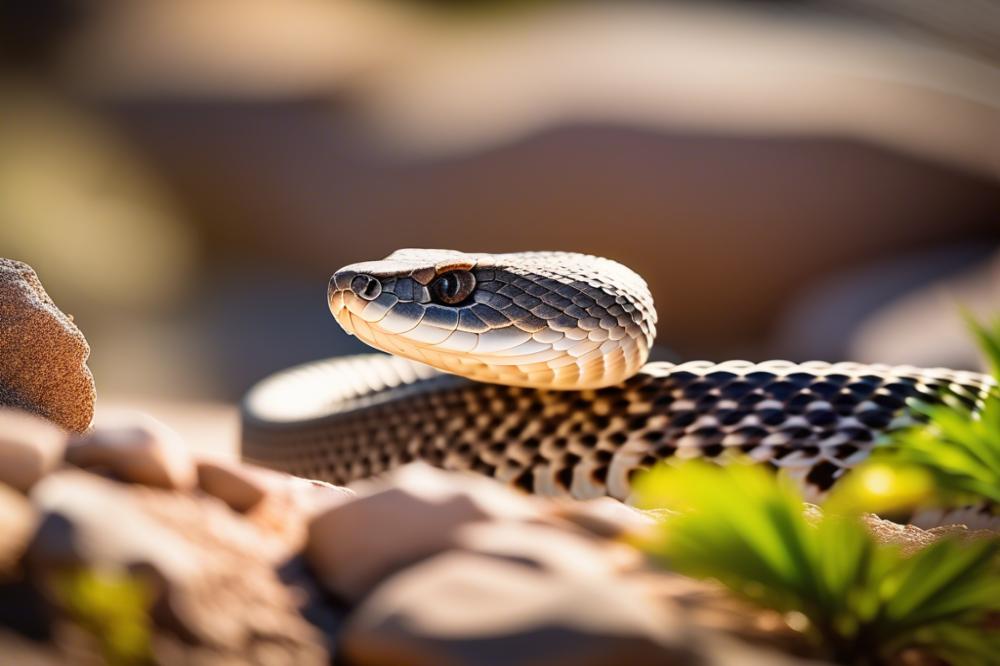
The Aruba Island Rattlesnake plays a critical role in the conservation landscape of the Caribbean. As an endangered species, its survival is essential not just for its own sake but for maintaining ecological balance within its habitat. Protecting this venomous snake could help preserve the intricate web of life found in Aruba’s unique ecosystems.
This particular rattlesnake is one of the few snake species endemic to the region, making its survival even more vital. The native wildlife relies on various predators and prey to maintain healthy biodiversity. If the Aruba Island Rattlesnake were to disappear, we might see significant disruptions in the local food chain.
Currently, the species faces serious threats, including habitat loss and human encroachment. Efforts aimed at habitat preservation are crucial. Without dedicated wildlife protection initiatives, the chances for species recovery diminish dramatically. The natural environment in which the Aruba Island Rattlesnake thrives is becoming increasingly fragmented.
Aruba’s diverse ecosystems are home to various plants and animals. Each species relies on the others for survival, creating a delicate balance. The rattlesnake contributes to this habitat by helping control small rodent populations. In addition, it serves as prey for larger predators, further underscoring its importance in maintaining biodiversity.
conservation efforts must focus on the unique challenges faced by this snake. Solutions may include protecting its natural habitats and raising public awareness about its plight. It is crucial that both residents and visitors to Aruba understand the significance of protecting such species. Through joint initiatives, we can work towards a future where the Aruba Island Rattlesnake can thrive alongside other wildlife in the Caribbean.
Conservation Status of the Aruba Island Rattlesnake
Current Population Numbers and Trends
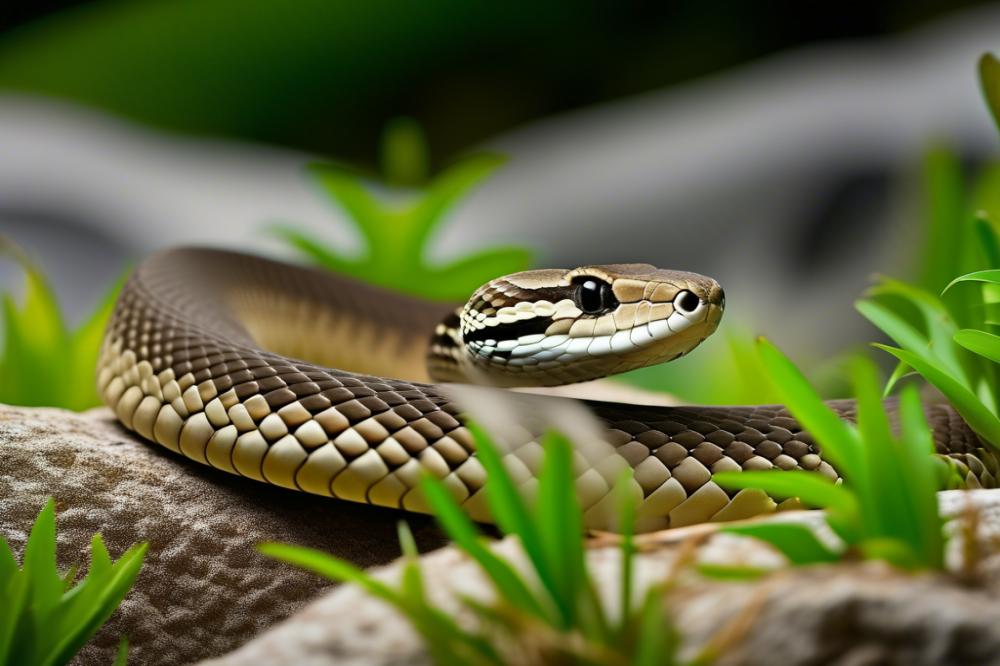
The Aruba Island Rattlesnake is classified as an endangered species. Recent studies suggest that fewer than 250 mature individuals remain in the wild. Population declines have been noted over the last few decades. These trends signal serious concerns for the survival of this unique species. Various factors contribute to their dwindling numbers, including habitat loss and predation by invasive species. Despite conservation efforts, the snake’s situation remains precarious.
Threats Faced by the Species
Several threats continue to place pressure on this rattlesnake. A primary concern is habitat destruction, often caused by human activities. Urban development on Aruba has fragmented essential habitats, making it difficult for snakes to find shelter and food. The introduction of non-native species further complicates matters. Invasive predators, such as feral cats, have been shown to prey on rattlesnake populations. These challenges not only affect individual snakes but also threaten the biodiversity of the entire region.
Impact of Habitat Loss and Degradation
Habitat loss has far-reaching effects on the balance of ecosystems. When snakes lose their natural environment, it disrupts the local ecological balance. A decline in venomous snakes can lead to an increase in prey species, which can then affect other native wildlife. Furthermore, the degradation of habitats impacts not only the rattlesnake but also numerous other species that rely on the same ecosystems. Conservation efforts focus on habitat preservation for the benefit of multiple species. To effectively protect wildlife, it is crucial to address these issues head-on. The future of snake conservation depends on the commitment to maintaining healthy ecosystems across the Caribbean.
Habitat Preservation Efforts
Key Conservation Areas in Aruba
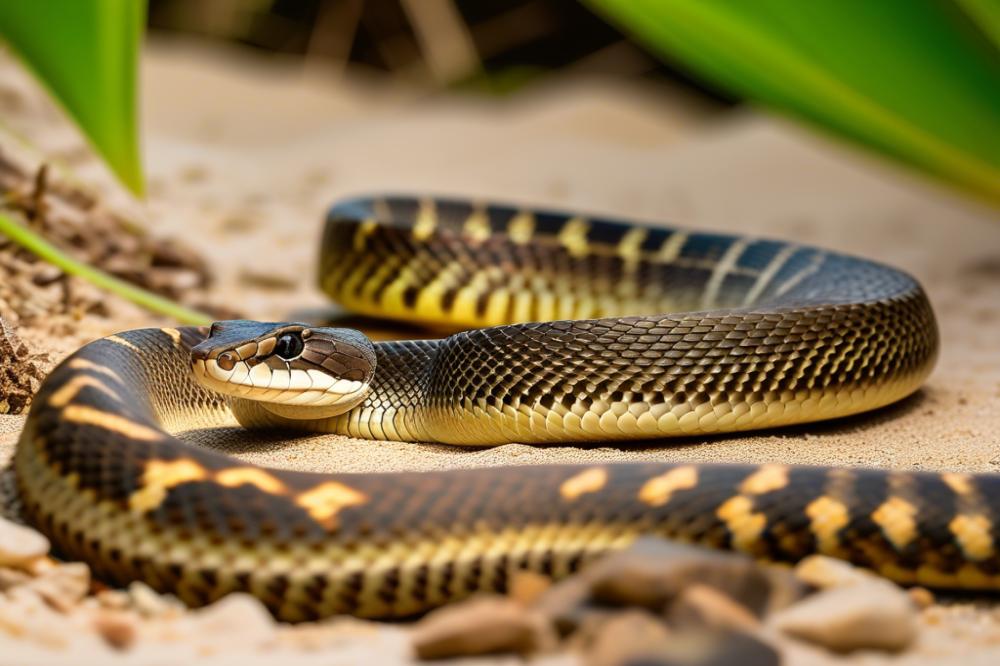
Aruba’s landscape is critical for the survival of many species, including its endangered reptiles. Local parks and reserves serve as vital habitats for various wildlife, which helps maintain ecological balance. The Arikok National Park stands out as a significant area dedicated to protecting native flora and fauna. This park’s diverse environments create suitable conditions for snake conservation. Protecting such locations is essential for the overall health of Caribbean ecosystems.
Collaborations with Local Governments and NGOs
Partnerships have formed between local governments and non-profit organizations. Their shared goal is wildlife protection in Aruba. Programs aim to raise awareness about the importance of biodiversity. Community involvement is crucial in these initiatives. Workshops and informational campaigns bring local residents together to support conservation efforts. Engaging the public fosters a sense of stewardship for the island’s natural resources.
Restoration Projects Targeting the Rattlesnake’s Habitat
Restoration projects focus on revitalizing spaces where the Aruba Island Rattlesnake once thrived. These efforts include removing invasive plants that threaten native habitats. Scientists and volunteers work side by side to rehabilitate the landscape. By improving these environments, the chances for species recovery increase. Protecting vegetation and water sources directly influences the health of wildlife. Successful restoration projects can help sustain the populations of these venomous snakes in the long term.
Biodiversity and Ecological Balance
Role of the Aruba Island Rattlesnake in the Ecosystem
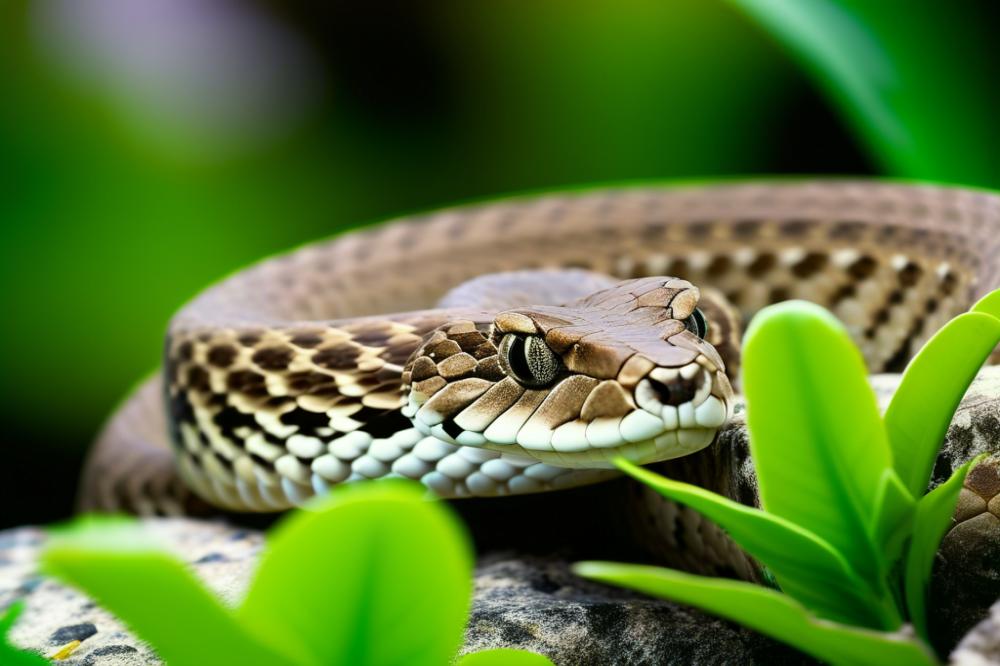
The Aruba Island Rattlesnake plays a critical role in its environment. As a predator, it helps control the population of small rodents and other prey. This balance is essential for maintaining healthy ecosystems. Without snakes, these animals could overpopulate and disrupt local flora. Predation by this species influences plant life by ensuring that certain animals do not decimate vegetation. Thus, it aids in preserving the habitats that many other creatures rely on.
Importance of Venomous Snakes in Wildlife Protection
Venomous snakes, such as those found in Aruba, hold an important position in wildlife protection. They keep various animal populations in check, creating stability within the ecosystem. By limiting herbivore numbers, they indirectly support plant health and growth. This balance contributes to greater biodiversity throughout the region. The presence of predators deters certain animals from becoming too numerous. Their role cannot be overstated, as it directly links to the survival of other species.
Effects of Losing the Rattlesnake on Biodiversity
The decline of this endangered species would have severe consequences. Removing this unique predator could lead to an imbalance in the food chain. As a result, small mammals would thrive unchecked, leading to habitat destruction. Plant life would suffer without the natural control exerted by snakes. Additionally, other species that depend on healthier vegetation would find it harder to survive. The loss of the Aruba Island Rattlesnake could spiral into a crisis for Caribbean ecosystems. Habitat preservation and snake conservation efforts are vital to maintain this delicate ecological balance. Effective species recovery programs are necessary to protect not only the rattlesnake but the entire habitat it supports.
Snake Conservation Strategies
Research and Monitoring Programs for Species Recovery
Ongoing research is vital for the recovery of endangered species. Scientists conduct field studies to track the population of the Aruba Island Rattlesnake. These studies help identify how many snakes remain in their natural habitats. Monitoring includes data collection on their behavior, reproduction, and overall health. Such efforts provide crucial insights into what makes these venomous snakes thrive. By understanding the unique challenges they face, conservationists can develop better strategies for their protection.
Community Involvement in Conservation Efforts
Local communities play a significant role in wildlife protection. Engaging the public in conservation activities fosters a sense of responsibility. Workshops and community events raise awareness about the importance of habitat preservation. Residents can participate in clean-up campaigns and habitat restoration projects. Their involvement creates stronger ties between humans and Caribbean ecosystems. Additionally, local knowledge can help identify factors threatening biodiversity. When communities unite for a common cause, their collective actions become powerful tools for conservation.
Education Initiatives to Raise Awareness About the Rattlesnake
Educational programs are crucial for raising awareness about the critical status of these reptiles. Schools and organizations can incorporate topics about the Aruba Island Rattlesnake into their curriculums. Informative sessions highlight the role of this species in maintaining ecological balance. Public outreach events provide information on how to coexist with venomous snakes safely. Materials such as brochures and online content can reach a broader audience. A well-educated public is more likely to support conservation efforts. Collaborating with local media can spread the message even further.
Challenges and Future Directions
Ongoing challenges in conservation practices
Conservationists face numerous hurdles in protecting the Aruba Island Rattlesnake. Habitat loss remains a critical issue. Urban development and tourism threaten natural spaces, putting pressure on wildlife. Additionally, local attitudes towards snakes can complicate conservation efforts. Some communities view them solely as dangerous predators rather than integral parts of biodiversity. This misunderstanding creates obstacles for snake conservation initiatives. Furthermore, invasive species disrupt the ecological balance. Predators and competitors, introduced by human activity, place native species at risk of extinction.
Potential strategies for improving conservation outcomes
To counter these challenges, various strategies could enhance conservation results. Education plays a vital role in changing perceptions about venomous snakes. Schools and community programs can promote the importance of wildlife protection. Habitat preservation must also be prioritized. Creating protected areas can help maintain the ecosystems where these endangered species thrive. Collaboration with local governments and organizations can foster effective wildlife management. Engaging local communities in conservation efforts may lead to more sustainable practices. Incentives for eco-tourism could provide economic benefits while protecting biodiversity.
The need for continued research and funding
Without ongoing research, conservation efforts may fall short. Studies on the behavior and ecology of the rattlesnake are essential. Understanding their habitat needs can guide effective management plans. Additionally, securing funding is crucial for implementing these strategies. Grants and donations can support both research and habitat restoration projects. Encouraging partnerships with conservation groups and universities can enhance resource availability. Long-term commitment to snake conservation will ensure that Aruba’s unique ecosystems remain vibrant and diverse for generations to come.
Final Thoughts on Conservation
Recognizing the importance of the Aruba Island Rattlesnake goes beyond merely appreciating its rarity. This endangered species plays a vital role in its ecosystem, helping to maintain a balanced environment. Protecting its unique genetic traits contributes to biological diversity, which benefits the entire region. Furthermore, these snakes are a key indicator of the health of their habitats, signaling the state of environmental conditions.
Call to Action
Conservation efforts in the Caribbean must prioritize this species now. Communities can participate in initiatives focused on habitat preservation, ensuring that the natural areas vital for the rattlesnake’s survival are safeguarded. It is crucial for local governments, organizations, and individuals to collaborate and create outreach programs. Education can empower citizens to understand the significance of protecting wildlife and their homes.
Preserving the Future
Ultimately, preserving this remarkable species and its surrounding habitat benefits everyone. Healthy ecosystems support tourism, agriculture, and overall quality of life for residents. The Aruba Island Rattlesnake symbolizes the delicate balance of nature, urging us to take action before it is too late. By uniting our efforts, we can create a sustainable future for all forms of life. Let’s embrace this opportunity to make a difference together. The time for decisive action is now.

