
Critical Role of conservation“>NGOs in Preserving the Banded Krait
The Banded Krait is a fascinating snake species that plays an essential role in its ecosystem. This notorious and beautiful creature, with its striking colors and unique patterns, contributes to the delicate balance of nature. As both predator and prey, it helps regulate populations of other species, ensuring a thriving biodiversity in its habitat.
conservation of snakes like the Banded Krait is vital. Snakes may not be as charismatic as other animals, but they are immensely important for maintaining healthy ecosystems. Every species has its role, and losing one can lead to ecological chaos. Efforts aimed at wildlife preservation are crucial, especially as habitats face threats from human activity and environmental changes.
Non-governmental organizations (NGOs) play a pivotal role in the fight for wildlife conservation. These groups often work tirelessly to protect vulnerable species and their habitats. Through research initiatives and community engagement, they develop effective conservation strategies tailored to specific ecosystems. This grassroots approach allows for a deeper understanding of local challenges and fosters collaboration with the communities living alongside these precious creatures.
Habitat protection is a primary focus for many NGOs. By advocating for sustainable practices and raising awareness, they actively combat the factors leading to habitat destruction. Through their dedication, they help mitigate the negative ecological impact we often see from urbanization and agricultural expansion.
Moreover, their efforts are not limited to immediate conservation tasks. NGOs engage in educational campaigns, informing the public about the significance of biodiversity and the need for environmental advocacy. By rallying support and fostering a sense of responsibility towards nature, they empower local communities to take action against the threats facing their environment.
In summary, the role of NGOs is critical in preserving the Banded Krait and similar species. Their commitment to wildlife preservation and ecological health is a beacon of hope in challenging times. Together with local communities, they can forge a path towards a future where both humans and nature coexist harmoniously.
Understanding the Banded Krait
Description and Characteristics
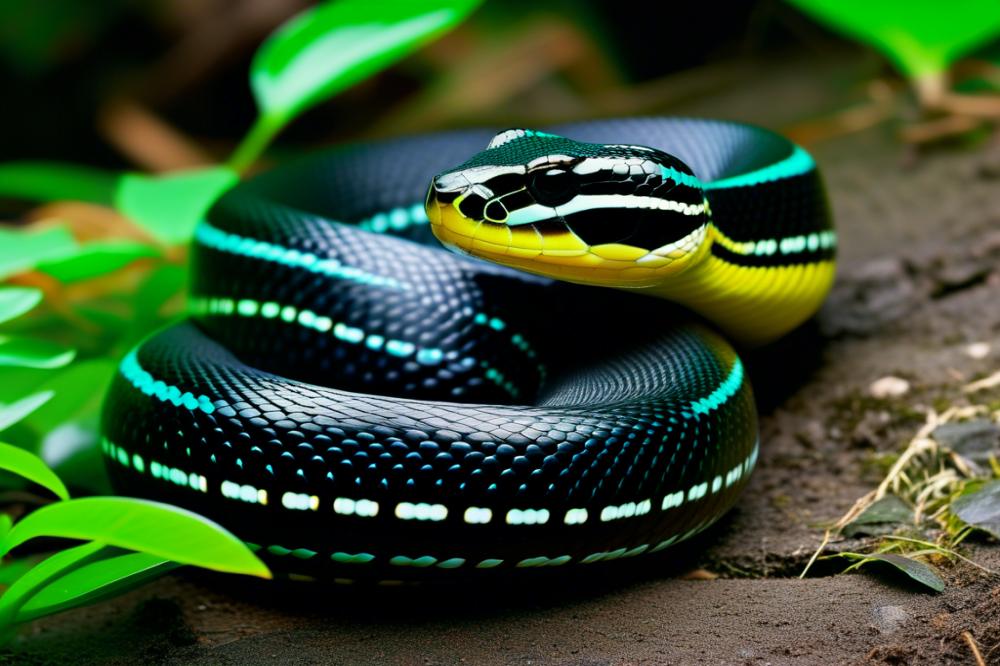
The Banded Krait is a striking snake species known for its vibrant black and yellow stripes. This contrast makes it easily recognizable in its natural environment. Typically, it grows to about 6 feet in length. Despite its size, it remains a secretive and elusive creature. Venomous by nature, this species possesses potent neurotoxins. Its bite can be dangerous to humans, although it tends to avoid confrontation. Observing its behavior reveals how it often relies on camouflage to hide from predators and to catch prey.
Habitat and Geographic Distribution
This snake thrives in a variety of habitats, including forests and agricultural areas. Regions of Southeast Asia, particularly the jungles of Thailand and Malaysia, serve as its primary home. Wetlands and grasslands can also support its lifestyle. These habitats are crucial for its survival, providing both food and shelter. However, many of these areas face threats from urban development and agriculture. Habitat protection becomes essential for maintaining healthy populations of this species. Without suitable environments, their future could be jeopardized.
Ecological Impact on Biodiversity
The Banded Krait plays a significant role in the ecosystem. As a predator, it helps control populations of rodents and other small animals. This balance contributes to overall biodiversity within its habitat. When one species is removed, it can lead to detrimental effects on the entire ecosystem. Wildlife preservation efforts often highlight the importance of such predator-prey relationships. The snake’s ecological impact serves as a reminder of interconnectedness in nature. Additionally, community engagement is vital for fostering awareness and encouraging conservation strategies. Research initiatives further enhance our understanding of its role in the environment. Conservation efforts are crucial for ensuring that this species continues to thrive, which ultimately protects many other species that share its habitat.
Challenges Facing the Banded Krait
Habitat loss poses one of the most pressing threats to the survival of this snake species. Deforestation, driven by agricultural expansion and urban development, dramatically reduces their natural environments. Human activities, such as land clearing for farming, disrupt their breeding and feeding areas, making it harder for them to thrive. Poorly planned infrastructure projects further fragment their habitats. These changes create isolation, leaving populations vulnerable to extinction.
Poaching is another significant threat to the banded krait. Snakes are often hunted for their skin or collected as exotic pets. This illegal trade directly impacts their numbers. As demand rises, the pressure on remaining populations escalates. Conservation efforts must address these illegal activities to protect wildlife effectively.
The impact of human actions extends beyond just the snakes themselves. Declining populations of various snake species can lead to imbalances in ecosystems. Snakes play a critical role in controlling rodent and other small animal populations. Without them, these prey species can overpopulate, leading to crop damage and further environmental issues.
Biodiversity suffers as more species decline. Each creature contributes to its ecosystem in vital ways. Conservation strategies aimed at protecting these snakes must consider the broader effects on the environment. Community engagement is essential in these efforts. People need to understand why it matters to preserve such species. They can play an active role in habitat protection and wildlife preservation.
Research initiatives provide valuable insights into the life and needs of this snake. By studying their behavior and habitat preferences, scientists can develop better conservation measures. Environmental advocacy is crucial in raising awareness about the ecological impact of losing snake species. Collaboration between governments, NGOs, and local communities can drive successful outcomes. It is important for everyone to work together to create a future where both snakes and their habitats are secure.
The Role of NGOs in Snake Conservation
Non-governmental organizations play a crucial role in wildlife preservation, particularly when it comes to lesser-known snake species. Various prominent NGOs have taken center stage in the conservation of these reptiles. Organizations like the Wildlife Conservation Society and the International Union for Conservation of Nature focus on educating the public and advocating for wildlife protection. Their work often extends to creating awareness about the ecological impact of declining snake populations.
Overview of Prominent NGOs Involved in Snake Conservation
Many NGOs are dedicated to protecting various snake species around the globe. The Biodiversity Foundation, for example, directs its efforts towards research initiatives that shed light on snake behavior and habitat preferences. Another noteworthy group, Save Our Snakes, emphasizes community engagement in their conservation programs. They involve local individuals in monitoring snake habitats, which fosters both education and responsibility. Such collaborations are essential in creating a network of support for biodiversity.
Conservation Strategies Tailored for the Banded Krait
Effective conservation strategies must align with the specific needs of a species. NGOs often employ tailored approaches when addressing the challenges faced by the Banded Krait. These strategies may include habitat restoration and implementing safe corridors for movement. Additionally, NGOs conduct workshops and training sessions for regional stakeholders to promote sustainable practices. This targeted effort helps to mitigate threats like habitat destruction, which is vital for maintaining ecological balance.
Collaboration with Local Communities for Habitat Protection
Working alongside local communities is crucial for long-lasting habitat protection. NGOs often implement educational programs that teach locals about the importance of snakes in ecosystems. When people understand the role these reptiles play, they are more likely to participate in conservation efforts. Community engagement fosters a sense of stewardship over shared natural resources. By leveraging local knowledge, NGOs can formulate effective strategies that resonate with those living in these crucial habitats.
Research Initiatives and Advocacy
Scientific research is essential for understanding the behavior and ecology of the Banded Krait. Knowledge about this snake species helps us learn how it interacts with its environment. Understanding its habits and movements can lead to more effective conservation strategies. Research initiatives funded by NGOs play a vital role in uncovering these important details. Through field studies and data collection, scientists can assess the ecological impact of habitat changes on the Banded Krait.
Many NGOs support research aimed at preserving biodiversity in the regions where these snakes live. They provide funding for scientists to study snake populations and their habitats. Such research often includes monitoring population sizes and the health of their ecosystems. These efforts help formulate solid conservation recommendations and strategies, which can then be communicated to local communities.
Environmental advocacy is another key function of NGOs. They work tirelessly to promote awareness about the importance of habitat protection for various wildlife, including the Banded Krait. Campaigns raise public consciousness on issues like habitat loss and the impact of pollution. NGOs collaborate with local communities, teaching them about the value of wildlife preservation. These community engagement efforts empower people to take action in their own areas.
Policy change is critical for long-term conservation efforts. NGOs advocate for laws and regulations that protect the habitats of various snake species. Their voice matters in governmental discussions about environmental protection. By pushing for sustainable practices, NGOs strive to create a more favorable environment for wildlife. The collective impact of these research initiatives and advocacy efforts leads to better outcomes for ecosystems overall.
Community Engagement in Conservation Efforts
Strategies for Involving Local Communities in Conservation
Engaging local communities is crucial for effective conservation. First, organizations often focus on involving people in hands-on activities. This might include habitat rehabilitation, monitoring wildlife, or participating in research initiatives. Moreover, involving residents fosters a sense of ownership over their natural surroundings. By connecting local needs with ecological goals, conservation strategies become more sustainable. Trust is built through collaboration, making every participant feel valued.
Role of Education and Awareness Programs Led by NGOs
Education plays a pivotal role in conservation efforts. NGOs frequently develop programs aimed at increasing awareness about local biodiversity. Through workshops, lectures, and interactive sessions, communities learn about the importance of preserving various snake species. These programs often highlight the ecological impact of declining populations, which include species like the Banded Krait. When people understand the connections between their actions and the environment, they are more likely to change their behaviors. Furthermore, youth engagement through school programs can spark long-term interest in environmental advocacy.
Success Stories of Community-Led Conservation Efforts for the Banded Krait
Several success stories around the world illustrate the effectiveness of community-led initiatives. In one region, residents formed a coalition to protect nesting habitats. This group worked directly with biologists to monitor krait populations. Their commitment led to significant increases in local snake numbers. Another project involved local fishermen. They joined forces to limit fishing practices that harmed the habitats of these reptiles. Empowering communities made all the difference, illustrating the potency of local stewardship in wildlife preservation. Each of these cases shows how collective action drives positive change.
Final Thoughts on the Role of NGOs in Conservation
Non-governmental organizations play a vital role in the preservation of our natural world, particularly in initiatives aimed at protecting species like the banded krait. Through dedicated research, advocacy, and community engagement, these groups operate on the frontlines of wildlife conservation. Their work not only raises awareness about endangered species but also promotes education and understanding of these creatures among the public.
Awareness campaigns conducted by NGOs foster a sense of responsibility towards nature. They help people understand how human actions can impact ecosystems and the need for active participation in conservation efforts. Curating programs that target schools and local communities helps build a foundation for future generations. It is essential to support these organizations through donations, volunteer work, or even sharing their messages on social media.
The importance of preserving biodiversity cannot be overstated. Every species plays a key role in the web of life, and losing even one can have significant effects on the environment. Supporting NGOs that focus on protecting such unique animals is a commitment to the health of our planet. Together, we can contribute to a future where people and wildlife coexist harmoniously.
In closing, a call to action is necessary. Increased support for NGOs is crucial to safeguard our ecosystems. Everyone can play a part in making a difference, whether by increasing awareness or getting involved. The future of our world depends on the choices we make today. Look beyond yourself and consider the impact of your actions for the sake of our planet. Join the fight for a diverse, thriving ecosystem.

