
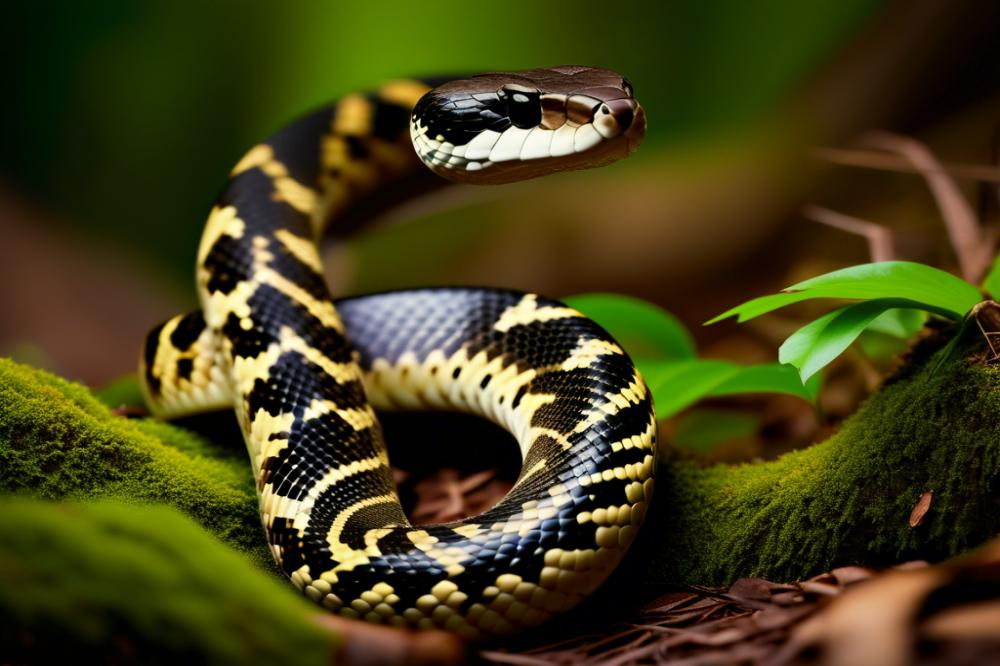
Protecting the conservation-of-the-aruba-island-rattlesnake-in-the-caribbean”>Timber Rattlesnake Through Habitat Preservation
The conservation-of-the-aruba-island-rattlesnake-in-the-caribbean”>Timber Rattlesnake plays a vital role in the ecosystem. As a top predator, it helps control populations of small mammals and pests. This regulation helps maintain a balanced environment. Furthermore, they contribute to biodiversity by serving as prey for larger animals. Unfortunately, this fascinating reptile finds itself classified as an endangered species, reflecting the urgent need for wildlife protection initiatives.
Conservation efforts focused on snake habitat are essential. Loss of habitat due to urban development, logging, and agriculture threatens their survival. The management of forests and surrounding areas must be a priority. Without adequate measures in place, the Timber Rattlesnake’s future hangs in the balance. The pressures of land use not only reduce their available territory but also fragment populations, making breeding increasingly difficult.
In addition to habitat loss, human activities often lead to direct threats. Road mortality, hunting, and fear-driven killings further decimate their numbers. These factors highlight the need for outreach programs aimed at educating communities. Raising awareness about the importance of preserving snakes can foster a greater appreciation for nature. Protecting this species ultimately contributes to a healthier ecosystem for all.
To succeed in these efforts, collaboration is key. Various stakeholders, including conservationists, landowners, and the public, must work together. By promoting reptile conservation and emphasizing the value of wildlife, a brighter future is possible. It will take a united front to combat the ongoing threats and safeguard the Timber Rattlesnake for future generations.
Understanding the Timber Rattlesnake
The Timber Rattlesnake is a fascinating reptile known for its striking appearance. This snake sports a series of rich, patterned bands that can vary from yellowish to brown. Its most defining feature is the distinct rattle at the end of its tail, which it uses as a warning signal. This species typically grows to about three to four feet long, although some can be larger. When it feels threatened, it can remain motionless or quickly retreat into nearby cover, showcasing both its wariness and survival instincts.
Preferred habitats include a mix of deciduous or mixed forests, open fields, and rocky hillsides. These dwellings provide essential elements like warmth and cover. Timber rattlesnakes utilize the sun to regulate their body temperature, frequently found basking on rocks or logs. The presence of heavy vegetation is crucial for their safety as it offers protection from predators.
This species plays a key role in the ecosystem. By preying on small mammals, such as rodents, it helps regulate their populations. High rodent numbers can lead to plant depletion, affecting other wildlife. In this way, the rattlesnake indirectly supports plant life and promotes biodiversity within its habitat.
As a vital component of the food web, this reptile also serves as prey for larger predators, such as hawks and eagles. Its existence contributes to a balanced ecosystem. Unfortunately, this species is listed as an endangered species in many places due to habitat loss driven by human activities like land use changes and forest management practices.
Wildlife protection efforts are crucial for the survival of this snake. Conservation initiatives focus on the preservation of snake habitats and the implementation of outreach programs. These programs educate the public on the importance of these reptiles. By raising awareness, communities can play an important role in protecting the Timber Rattlesnake and ensuring its future as a part of our ecosystem.
Threats to Timber Rattlesnake Habitat
Urban development poses a significant threat to the habitat of the rattlesnake. As cities expand, natural landscapes are replaced with roads, buildings, and other structures. This change disrupts essential ecosystems and leads to habitat loss. wildlife protection efforts face challenges when land use drastically changes. Snakes require open spaces and undisturbed areas to thrive.
Logging practices have also impacted snake habitats. Forest management often involves clear-cutting and land conversion. These practices can destroy critical areas needed for hunting and nesting. It is essential to consider how forestry impacts not just the trees but also the larger ecosystem. A balance must be struck between resource extraction and habitat conservation.
Moreover, climate change continues to add stress to wildlife and their environments. Rising temperatures and altered precipitation patterns affect reptiles in numerous ways. For instance, they may disrupt hibernation cycles and breeding times. As a result, the delicate balance of biodiversity hangs in the balance.
Habitat fragmentation is another grave concern. This occurs when large habitats are broken into smaller, isolated pieces. Fragmentation can prevent snakes from migrating to necessary areas for food and reproduction. Outreach programs focusing on connecting habitats are crucial for ensuring populations remain viable.
Conservation initiatives can help counter these threats. Protecting the snake’s environment involves not only safeguarding existing areas but also restoring damaged lands. Engaging local communities in reptile conservation efforts can spread awareness. Individuals can help by advocating for sustainable land use practices that consider the needs of endangered species. By prioritizing wildlife protection, we give rattlesnakes a better chance to survive in a changing world.
Conservation Strategies for Timber Rattlesnake
Current conservation efforts focus on several key areas to protect this endangered species. Habitat Preservation plays a crucial role in supporting the ecosystems that these reptiles depend on. Efforts include identifying critical habitats and implementing restoration projects to improve conditions for survival. Without a suitable environment, these snakes struggle to thrive.
Wildlife protection regulations are essential in maintaining safe areas where Timber Rattlesnakes can live and breed. Designated protected areas provide safe havens, shielding them from urbanization and other threats. In addition, these regulations can help limit harmful land use changes that disrupt natural habitats.
Sustainable forest management practices contribute positively to snake habitats. By adopting eco-friendly techniques, forests can maintain their biodiversity while providing crucial living spaces for reptiles. This balance benefits not just the snakes but also other wildlife sharing the environment.
Outreach programs have been developed to educate local communities about the importance of preserving this species. Engaging the public raises awareness regarding the ecological benefits of maintaining biodiversity. When people understand the role of reptiles in nature, they are more likely to support conservation efforts.
Conservation initiatives involve a collaborative approach that brings together various stakeholders, including conservationists, government agencies, and local communities. Each group plays a part in creating strategies that address challenges such as habitat loss and climate change. This teamwork is fundamental to achieving long-term reptile conservation goals.
In summary, a multi-faceted approach is necessary to protect the timber rattlesnake. Conservation strategies that include habitat management, wildlife protection laws, and community involvement form a robust framework for preserving this iconic species.
Outreach Programs and Community Involvement
Educational outreach programs play a vital role in teaching people about the importance of conserving wildlife. The Timber Rattlesnake serves as a key species in its ecosystem. By focusing on this reptile, communities can increase awareness about the broader issues of biodiversity and wildlife protection.
Local organizations often create workshops and informational sessions. These gatherings highlight the need for habitat preservation. They explain how proper forest management and land use can positively impact snake habitats. Engaging presentations can dispel myths about snakes, showcasing their ecological value instead.
Community members frequently participate in volunteer days where they help restore habitats. Conservation groups often organize clean-up events at nature reserves. These initiatives create hands-on experiences while fostering a sense of responsibility among locals. Such participation can lead to lasting connections to the land and its wildlife.
Examples of successful outreach programs abound across many regions. For instance, educational campaigns in schools have reached thousands of students. Children learn why the Timber Rattlesnake is endangered and the role of reptiles in our environment. This knowledge inspires future generations to become advocates for conservation.
Informative signage in public parks can further enhance awareness. Visual aids and fact sheets make learning about this unique species accessible to everyone. These efforts encourage park visitors to appreciate and protect these vital ecosystems.
Collaboration with local businesses can amplify the message. Partnering with outdoor retailers for events can bring in diverse audiences. It allows broader community involvement in discussions surrounding wildlife protection and habitat restoration. Each small step contributes to a larger movement aimed at preserving these crucial populations.
The Role of Research in Conservation
Research plays a crucial role in understanding the behavior, population dynamics, and habitat needs of various species. For the Timber Rattlesnake, studies help identify how these reptiles interact with their environment. Because of these studies, scientists learn where these snakes thrive and how to protect their habitats. With several projects currently underway, researchers are gathering vital data.
Ongoing studies focus on factors such as mating patterns and seasonal movements. These observations provide insight into their unique lifestyle. By examining snake habitats, scientists can determine what specific conditions are necessary for their survival. This knowledge is essential, especially for an endangered species.
As researchers analyze their findings, they develop strategies for conserving these reptiles and their ecosystems. Understanding land use practices becomes key to effective management. Studies may indicate that certain forestry techniques disrupt snake habitats. Therefore, forest management practices must prioritize habitat preservation to support biodiversity.
Outreach programs also utilize this research to educate the public. By sharing information about the species’ needs, communities can become allies in wildlife protection. Engaging local residents fosters an appreciation for the ecology around them. Moreover, when people understand the importance of preserving habitats, they are more likely to support conservation efforts.
Collaborative research efforts are vital in shaping future policies. Scientists work with landowners, conservation groups, and government agencies to safeguard these animals. By aligning their objectives, all parties can contribute to reptile conservation. This teamwork amplifies the impact of their discoveries and raises awareness about the need for protective measures.
With ongoing research, we can create a roadmap to better protect snake habitats and maintain the health of ecosystems. Each piece of information enhances our understanding and drives effective actions. Ultimately, the goal is to create a sustainable future for these remarkable creatures and ensure the long-term resilience of their populations.
Final Thoughts on Habitat Preservation
Protecting the Timber Rattlesnake is not just about saving one species. It encompasses the health of entire ecosystems. Every effort to preserve its habitat promotes biodiversity, which is crucial for environmental balance. Diverse ecosystems support various plant and animal life. A healthy environment benefits us all.
Increased awareness is vital. The more people understand the importance of this remarkable snake, the more likely they are to advocate for its preservation. Engaging with local conservation groups can make a significant difference. Participation in community efforts can help maintain natural habitats. Individual actions, no matter how small, play a role in wildlife protection.
All of us have a stake in this issue. Joint efforts between governments, organizations, and individuals are essential. Together, we can build a future where endangered species like this one thrive. Educating ourselves and others amplifies the impact of our actions. Collective conservation strategies ensure a brighter tomorrow for wildlife.
Change begins with awareness. Encourage your friends and family to learn about the importance of preserving habitats. Support local initiatives that protect wildlife. Every step counts toward maintaining the delicate balance of our ecosystems.

