
Introduction
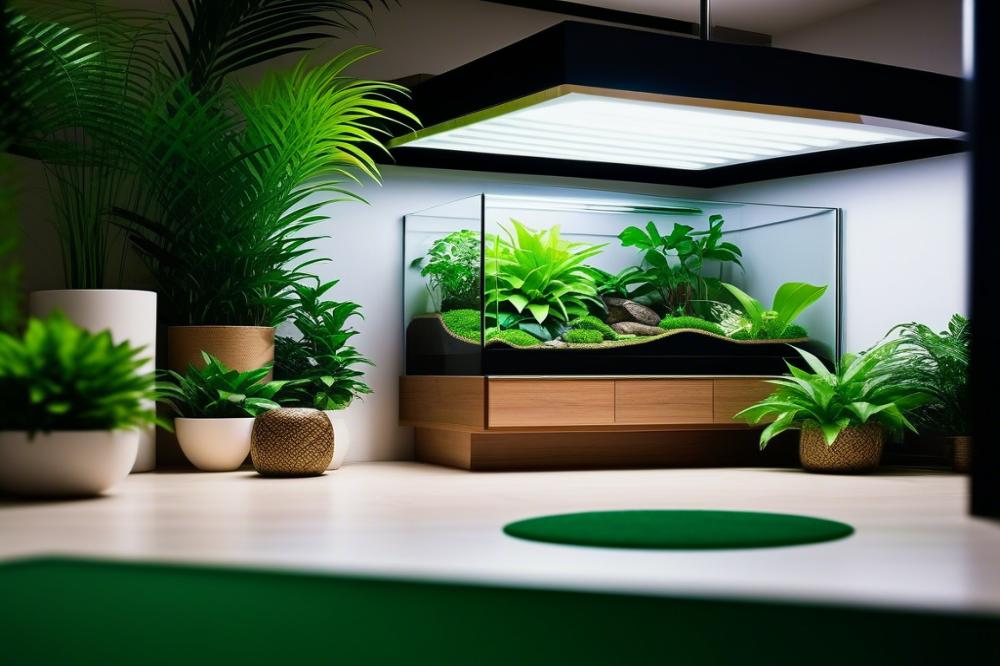
A well-set up snake habitat is crucial for the health and happiness of your pet. Creatures like snakes require more than just four walls and a bottom. They thrive in environments that mimic their natural surroundings. This makes decorating snake enclosure an important aspect of pet ownership.
Key elements play a significant role in creating a functional and visually appealing space. First, consider decor that adds to the aesthetic appeal while providing enrichment. Then, think about plants. Live or artificial, they can enhance the environment, making it feel more vibrant. Hides are essential too; they give snakes a safe place to retreat when feeling stressed. Choosing the right substrate is just as vital, as it affects humidity and comfort.
Don’t forget about climbing structures. Snakes enjoy exploring their surroundings, so providing vertical space adds excitement. Heat sources ensure that your reptile has a comfortable temperature gradient, which is important for their well-being. Maintaining humidity levels is equally important; snakes have specific needs that must be met.
Safety in the habitat cannot be overlooked either. It’s essential to avoid sharp objects or loose materials that can cause harm. The goal is to create a serene atmosphere where your pet can thrive. By considering all these elements, you will provide a wonderful home for your snake.
Creating the Ideal snake habitat
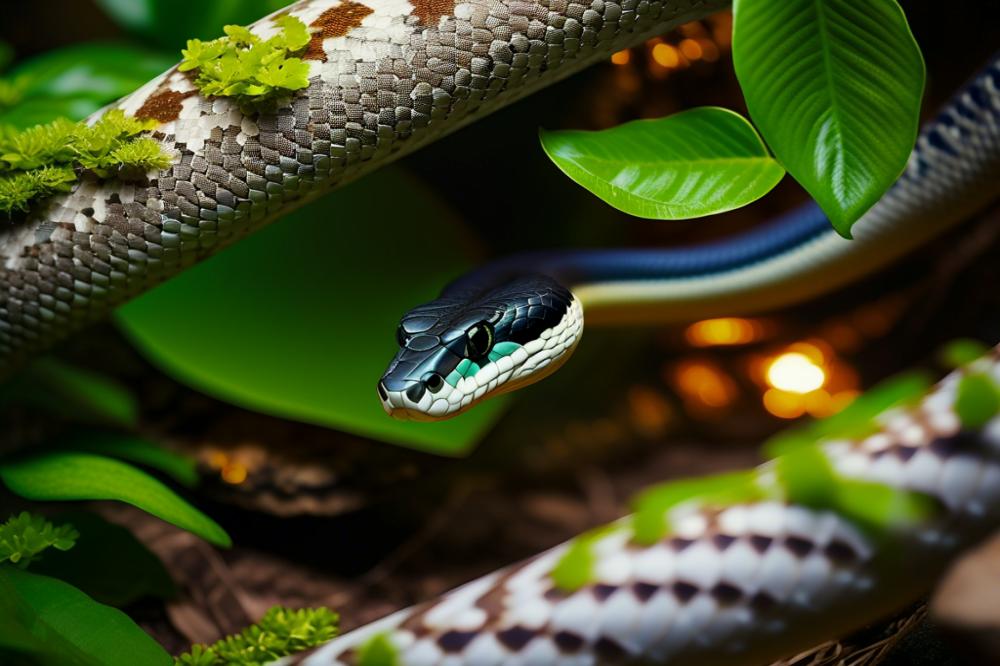
Understanding the needs of different snake species is crucial for creating a suitable environment. Some snakes prefer warm, dry conditions while others thrive in humid settings. Make sure to research the specific requirements for your snake’s breed. You will need to consider their natural habitat for better insight into what will work best.
Essential components of a snake habitat include adequate space, temperature control, and humidity levels. Space allows for movement and exercise. If a snake feels cramped, it can become stressed. Temperature regulation is necessary, as snakes are ectothermic and rely on external heat sources to regulate their body temperature. Use heat mats or lamps to create warm areas while also providing cooler spots where they can retreat. Maintaining proper humidity is equally important; many snake species require a specific level of moisture in the air or substrate to thrive.
Incorporating safety into habitat design is non-negotiable. All materials used for decor must be non-toxic. Any plants added should also be safe for snakes. Avoid using small items that they might accidentally ingest. Making sure that hiding spots, or hides, are secure prevents stress. Snakes benefit from structures that mimic their natural environment. Climbers, branches, and rocks not only create visual interest but also offer enrichment.
When selecting decor, think about aesthetics as well. A well-designed space can be pleasing to the eye while still being functional. Keep in mind the use of substrate. Natural-looking substrates can aid in maintaining humidity and provide a comfortable environment for burrowing. Always provide enough room for your snake to hide and explore. This variety invites activity and keeps your pet engaged.
In summary, creating an ideal snake habitat requires understanding unique species needs and focusing on the essential components. You’ll want to highlight safety, comfort, and enrichment in your design. The right balance can ensure your snake feels secure and happy in its home.
Choosing the Right Substrate
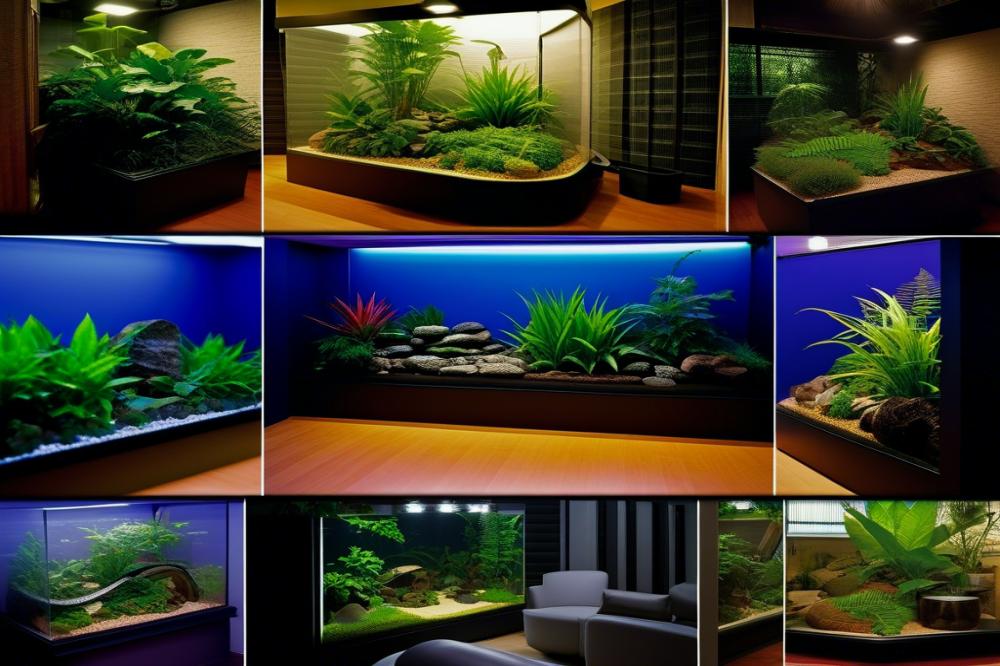
Choosing the right substrate for your snake is a vital part of setting up its home. Different types of materials can offer various benefits. Aspen shavings, for example, are popular for their softness and excellent absorption properties. These shavings can help maintain appropriate humidity levels while keeping the environment comfortable.
Coconut fiber is another option. This substrate not only promotes moisture retention but also adds a natural look to the space. It encourages burrowing behavior, which snakes naturally enjoy. What’s crucial, however, is to monitor cleanliness. Damp environments can lead to bacteria and mold, posing risks to your pet’s health.
For those seeking simplicity, paper towels are an easy choice. They are lightweight and provide ease in cleaning. Changing them frequently helps keep the habitat fresh. Yet, they do lack the natural textures that some snakes might prefer for climbing and hiding.
Factors to Consider
When deciding on a substrate, several factors come into play. Absorption is key. High absorbency helps prevent odors and keeps the habitat pleasant. Ease of cleaning also matters. If it’s hard to clean, you may find yourself neglecting the space, which can lead to health issues.
Another important aspect is safety. Avoid materials that can cause respiratory issues or that may be harmful if ingested. It’s essential to prioritize your snake’s health over aesthetic appeal. Some substrates may look good but can be hazardous.
Lastly, think about enrichment. The right substrate can encourage natural behaviors such as burrowing or exploring. Climbing structures can complement these choices, allowing your snake to engage more with its environment. Hides and plants can create a balanced habitat that promotes both comfort and stimulation.
Incorporating Hides and Shelters
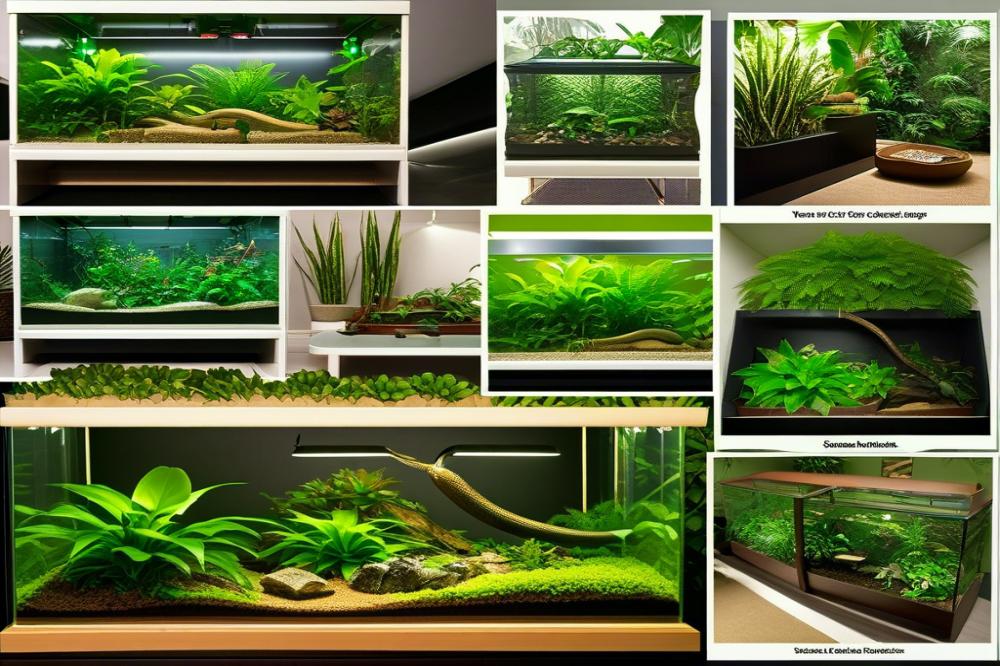
Creating a safe and comfortable environment for your snake is essential. A variety of hides can help achieve this goal. Cave-style hides, for instance, mimic natural rock formations. These provide a sense of security as snakes often search for tight spaces to retreat to. Logarithmic hides, resembling hollow logs, can also give them a cozy nook. For convenience, commercial products are available. Many companies design specially crafted hides made of plastic or resin that cater to various snake species.
The importance of security cannot be overstated. Snakes are creatures of habit. In the wild, finding a safe spot to hide is crucial for their survival. Incorporating proper shelters allows them to feel safe. Repeating this experience in captivity is vital for their mental well-being. When a snake feels secure, it reduces stress and promotes healthy behavior patterns. A well-placed hide can quickly become a favorite retreat. Diversifying your decor with different hide options adds depth to their habitat.
Safety is key when considering where to place these hides. Ensure there are multiple options throughout the enclosure. This allows your pet to move around freely without fear. Adding plants and climbing structures also heightens the enjoyment of their home. Different levels of height encourage exploration while providing more hiding spots. Dense foliage can give snakes a place to blend in, adding to the aesthetics of the setup.
Humidity and heat sources play important roles in your snake’s habitat. Hides should be positioned near these elements without causing safety concerns. Proper substrate helps maintain the right moisture levels. Choosing a material that also reflects the natural environment enhances realism. Such details support the snake’s behavioral enrichment. All these aspects combine to create a more stimulating living space. Promoting their natural instincts leads to happier, healthier snakes.
Adding Plants and Natural Decor
Decorating your snake’s home with plants and natural elements can greatly enhance its environment. Live plants offer multiple benefits, such as improving humidity levels and providing hiding spots. On the other hand, artificial plants can also look good without requiring care. Each option has pros and cons, depending on your preference and your snake’s needs.
Benefits of Live vs. Artificial Plants
Live plants naturally promote good humidity levels, which can be great for your snake. They also create a more authentic atmosphere, mimicking the snake’s natural habitat. However, not every snake owner wants to deal with the upkeep. Artificial plants eliminate the need for watering or pruning. They maintain their appearance without any effort over time, making them a convenient choice.
Safe Plant Choices for Snake Habitats
When selecting plants, it’s essential to choose those that are safe for reptiles. Some popular choices include pothos, spider plants, and bromeliads. These are not only non-toxic but can also withstand the conditions found in snake enclosures. Ensure any plants introduced are free of pesticides and chemicals. The right substrate can help support plant growth and keep the area clean.
Aesthetic Considerations
Aesthetics play a vital role when designing your snake’s habitat. Plants can add a splash of color and create visual interest. Climbing structures can complement the decor and provide enrichment. Different textures from hides and plants can make the space feel more dynamic. Mixing heights among plants and structures creates a more appealing landscape. Think about how all elements, from heat sources to humidity levels, fit together to create a cohesive design.
Creating Climbing Structures
Providing vertical space is essential for arboreal snakes. These creatures naturally thrive in trees and can benefit from structures that allow climbing. Elevating their environment boosts their comfort and can enhance overall health.
Several options are available for creating climbing structures. Natural branches are often the best choice, as they mimic a snake’s native habitat. Select branches that are thick enough to support their weight. Ropes made of natural fibers also make great additions. These can be hung from the top of the enclosure, allowing your pet to climb and explore. Another choice is the installation of shelves or platforms. These provide resting spots and additional climbing opportunities. Incorporating different heights will create a dynamic atmosphere.
Placement of these structures is critical. Position them to avoid blocking heat sources or disrupting humidity levels. Make sure there is ample space for the snake to move freely. Consider how your snake interacts with its environment. Safe construction is a priority. All materials should be free from harmful chemicals and sharp edges. Regularly inspect the climbing structures to ensure they remain secure and safe for your snake.
Aesthetics also play a role in your snake’s habitat. Use natural-looking decor that blends with the heat sources and hides. This design can enhance visual appeal while benefiting your pet. Adding plants can provide both shelter and enrichment. The combination of plants with climbing structures helps replicate a more natural environment.
Remember, the goal is to create a space that encourages exploration. A well-designed habitat can minimize stress and promote physical activity. Observing your snake navigate its climbing structures can be rewarding. Watching them utilize the vertical space is a sign of a happy and healthy pet.
Providing Heat Sources and Humidity Control
Understanding Thermoregulation in Snakes
Snakes are ectothermic animals, meaning they rely on external heat sources to control their body temperature. This process is known as thermoregulation. In nature, they bask in sunlight or seek out warm areas. Proper temperature gradients in their environment help them digest food, move, and breed. If a snake cannot regulate its temperature effectively, it can become stressed or ill. It’s vital to consider how to create a comfortable habitat that allows your pet to thrive.
Types of Heat Sources
Several options exist for providing heat to your snake’s habitat. Lamps are a popular choice. They can be placed above the enclosure, allowing for basking spots that mimic natural sunlight. Heat mats are another alternative. When positioned under part of the substrate, they distribute warmth to specific areas where your snake can rest. Ceramic heaters also work well because they provide consistent heat without light. Each type has its pros and cons, so consider which fits best with other decor and plants in the enclosure.
Maintaining Proper Humidity Levels
Humidity is just as crucial as temperature. Different species require varying levels of humidity for optimal health. Techniques for controlling moisture can range from simple to complex. One effective method is using a hygrometer to monitor levels regularly. Misting the enclosure can increase humidity instantly. Adding a water dish supports hydration and provides a source for humidity. Using substrates that retain moisture, like coconut fiber, can also enhance the environment. The challenges of humidity control may seem tricky, but the right tools make it manageable.
Safety should always be a priority when adjusting heat and humidity. Well-placed hides and climbing structures create safe refuges for your snake. Aesthetic choices like plants can enhance your enclosure while offering naturalistic settings. It’s important to balance these visual elements with the practical aspects of heat and moisture control. Each decision contributes to overall wellbeing and enrichment for your snake. Maintaining an appropriate habitat will keep your snake happy and healthy.
Enhancing Enrichment and Interaction
Creating a stimulating environment for your snake is essential. Enrichment can help reduce stress and promote natural behaviors. Consider adding a variety of decor to the habitat, such as plants, hides, and climbing structures. These elements provide both beauty and functionality.
Plants can play a dual role in a snake’s home. Some species are safe for reptiles and can help maintain humidity levels. In addition to aesthetics, they offer hiding spots. Live plants can also promote a sense of security for your snake, mimicking its natural surroundings.
Incorporating Interactive Elements Safely
Interactive elements can engage your snake and encourage exploration. Low, sturdy climbing structures can provide exercise and mental stimulation. Ensure these structures are free of sharp edges. A gentle slope or a safe branch can serve as a platform for your snake.
Hides are another necessary part of the habitat. Snakes need places to retreat and feel secure. Offering different types of hides, such as cave-like structures or flat surfaces, can enhance their environment. Look for items that are easy to clean to maintain a healthy space.
The Balance Between Enrichment and Safety
Safety is a priority when choosing decor and interactive features. Heavy items should be secured to prevent accidents. Avoid sharp or toxic materials that can harm your snake. Substrate should also be considered. Using safe bedding materials that provide comfort while allowing for digging and burrowing can create a perfect balance.
Maintaining the right levels of heat and humidity is crucial as well. Some plants or decor may affect these conditions. Choose items wisely, monitoring how they impact the habitat. The goal should always be a safe and engaging space for your snake.
Incorporating dynamic elements can lead to a more active and healthier snake. Rotate items occasionally to keep the habitat exciting. A happy snake is often an active snake. By blending enrichment with safety, you can create a home that both you and your snake will appreciate.
Wrapping Up Your Snake’s Home
Thoughtful habitat decoration is crucial for your snake’s overall well-being. A well-designed environment can replicate natural conditions, helping your pet feel secure. It also allows for stimulation, which can be quite beneficial. By adding various elements like hides, decor, and suitable plants, you create a more engaging space.
When maintaining the habitat, periodic cleaning is key. Remove waste and unconsumed food regularly to promote a healthier environment. Monitor humidity and temperature levels to avoid stress-related issues in your snake. Check that all plants are safe and non-toxic, as some varieties can harm reptiles.
Consider the placement of items in the habitat. This will enhance the aesthetics while fulfilling your snake’s needs for privacy and hiding spots. Decorative elements can serve more than just a visual purpose; they can also contribute to your snake’s comfort. Bringing in natural materials can bridge the gap between cleanliness and a cozy feel.
Remember, every reptile is different. Pay attention to their behavior to see if they are enjoying their newly decorated home. Your attention to detail will show in how happy and healthy your snake looks. Ultimately, creating an attractive and functional space is worth the effort. Each choice contributes to a thriving, satisfying environment for your cold-blooded friend.

