

Creating a Perfect Habitat for Your Pet Snake
Providing a suitable habitat for your pet snake is vital for its well-being. Snakes, like all reptiles, need a carefully designed environment to thrive. Poor conditions can lead to health issues, stress, and lethargy. Every species of snake has its own unique needs when it comes to temperature, humidity, and various other factors. Thus, understanding these requirements is the first step towards successful reptile care.
This article will guide you through the essential aspects of creating a pet snake habitat. Covering topics like terrarium design, substrate choice, and the importance of hiding spots will help you set up a comfortable home for your scaly friend. Additionally, we will discuss how to establish the right temperature and humidity levels, which are crucial for the health of your snake. Attention to detail, such as providing a proper feeding area and a clean water bowl, is also important.
Different snake species come with different habitat needs. For instance, a ball python will require different conditions compared to a corn snake. Recognizing these differences will aid you in the snake enclosure setup process. Some species thrive in higher humidity, while others prefer a drier environment. Certain snakes, like the green tree python, do best with UVB lighting, whereas others may not need it at all. Taking these factors into account will result in a more lively and active pet.
In summary, creating a perfect habitat for your snake is not just about aesthetics. It is about making sure that your pet enjoys a healthy and happy life. Understanding the needs of your specific snake species will guide your decisions through every step of the setup process. Let’s explore how to get started on this important journey.
Understanding pet snake habitat
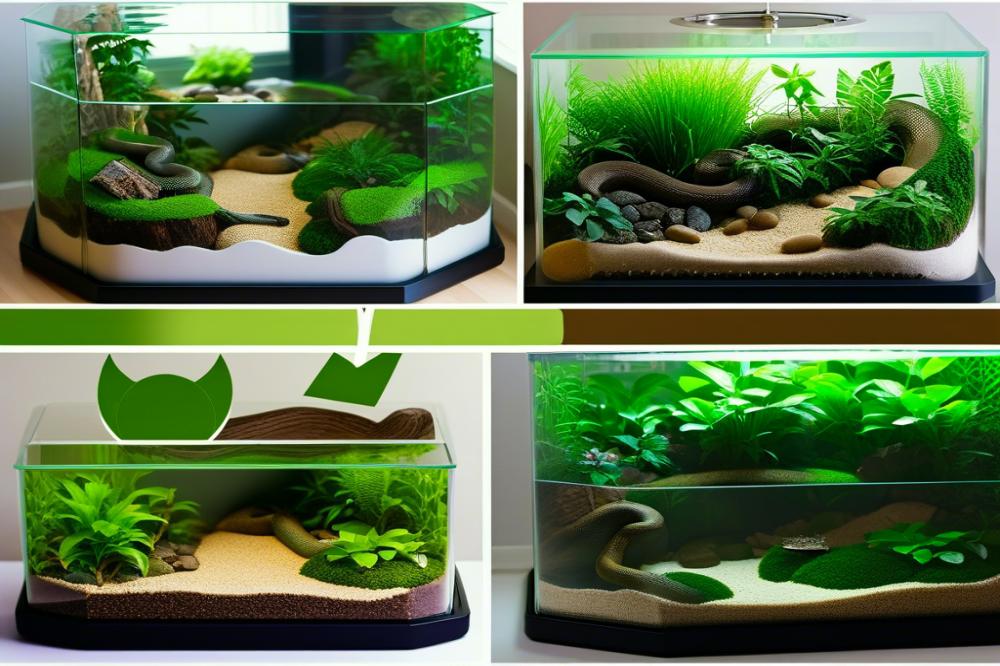
A pet snake habitat is crucial for the health and well-being of your reptile. It creates an environment that mimics the snake’s natural living conditions. This is significant because snakes are sensitive to their surroundings. A well-designed habitat aids in their physical health and mental stimulation.
Factors Influencing Habitat Design
When creating a habitat, several factors come into play. First, snake species needs will affect habitat requirements. Each species has specific temperature and humidity levels necessary for survival. Consider the characteristics of the snake you have chosen to ensure the right setup.
The choice of substrate is also important. Some snakes prefer loose bedding, while others do well with solid surfaces. Hiding spots must be included because many snakes like to feel secure in their environment. A designated feeding area simplifies your reptile care routine by keeping food separate from sleeping spots.
Lighting is an often-overlooked aspect. UVB lighting helps some species with their metabolic processes. Maintaining the right intensity and duration of light is not just beneficial; it can be vital for your snake’s health.
Common Types of Habitat Setups
There are various types of terrarium design for pet snakes. A tropical habitat is ideal for species from humid climates. Such setups require higher humidity levels, perhaps even a misting system. Conversely, a desert habitat needs lower humidity and warmer temperatures.
Some owners opt for bioactive setups that include live plants and microfauna. These create a self-sustaining environment, but maintenance can be more complex. Simpler setups might feature fake plants, allowing for easier upkeep.
Lastly, consider using glass or plastic terrariums that are easy to clean and provide a clear view of your snake. The right balance of elements will create a thriving sanctuary for your scaled friend.
Choosing the Right Terrarium Design
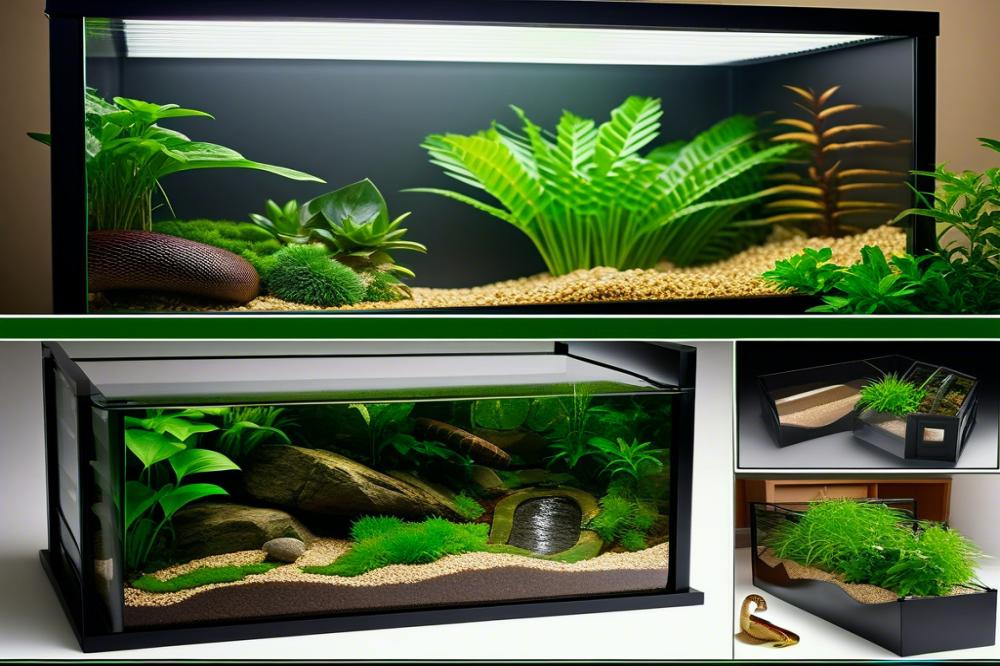
Before setting up your snake’s home, consider the specific needs of the animal. Different species require different setups. For example, corn snakes thrive in a horizontal terrarium with plenty of floor space. In contrast, green tree pythons prefer a vertical design, as they spend much of their time climbing.
Size is crucial when selecting a terrarium. The enclosure should accommodate the snake’s full length when it is fully extended. For active species that like to explore, larger tanks are necessary. A good rule is to have a width that is at least one and a half times longer than the snake. This guarantees ample room for movement.
Materials used for construction vary widely. Glass terrariums provide great visibility and retain heat well. However, plastic alternatives are lighter and can be more affordable. Wooden enclosures offer a unique aesthetic, but they can absorb moisture, potentially leading to humidity issues. Think about what will work best for your pet.
Good ventilation is essential for any pet snake habitat. Proper air circulation prevents mold growth and maintains a healthy environment. Many terrariums come with built-in vents, yet adding more may be necessary depending on humidity and temperature levels. Pay close attention to how the air flows within the enclosure.
Creating a suitable environment means considering all aspects of reptile care. Include a secure hiding spot where your snake can feel safe. No snake enjoys being exposed out in the open for long periods. Additionally, setting up a feeding area away from its resting place helps reduce stress during mealtime.
Don’t overlook the importance of a water bowl. This should be large enough for the snake to soak if it wants. Reptiles often need to regulate their body temperature and humidity through immersion in water. Place it in a spot that is easily accessible but not too close to the snake’s hiding space.
Lastly, many snake species benefit from UVB lighting. This helps to synthesize vitamin D3, crucial for calcium absorption. Adjust the light according to the specific requirements of your chosen species. Finding the right balance of temperature and humidity will support a thriving, healthy snake.
Temperature and Humidity Control
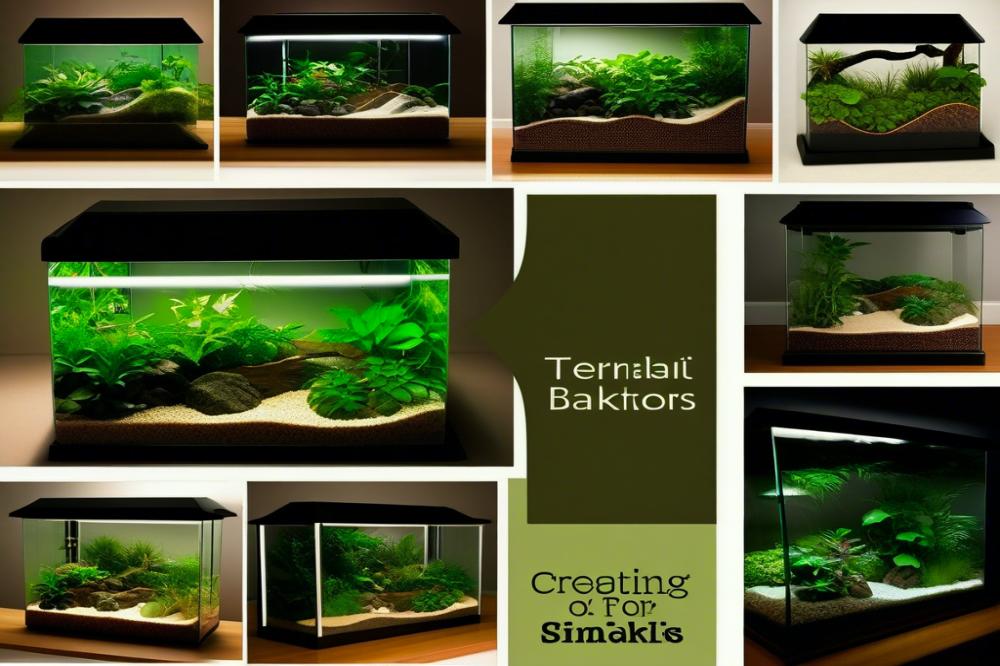
Temperature gradients play a crucial role in reptile care. Snakes require different temperatures in various parts of their habitat. This variation allows them to regulate their body heat. Too hot or too cold can lead to health issues. It’s essential to create warm and cool areas within the terrarium design.
Each snake species has its own recommended temperature range. For example, ball pythons thrive in temperatures between 80°F and 90°F. Corn snakes prefer a slightly cooler environment, with a range of 75°F to 85°F. Researching the specific needs of your chosen species is necessary for their wellbeing.
Heating the terrarium can be accomplished through several methods. Heat mats are popular because they are easy to use and place under the substrate. They provide a steady heat source, allowing the snake to warm itself as needed. Heat lamps can also be utilized, often placed above the enclosure to create basking spots. Position them carefully to avoid overheating one area.
Humidity levels are just as important as temperature. Many snake species need humidity levels of 40% to 60%. Insufficient humidity can lead to shedding problems. Monitoring humidity is essential to keep your snake healthy. A simple way to maintain proper levels is by misting the enclosure regularly. Also, adding a water bowl can help with hydration.
Using hygrometers and thermometers is a smart move. These devices help track temperature and humidity consistently. Place the thermometer in both the warm and cool sides to get accurate readings. For humidity, the hygrometer should be in a spot that reflects the general area where the snake resides. This extra step assists significantly in creating a comfortable habitat.
Every detail counts in keeping a pet snake happy. Proper substrate also contributes to temperature and humidity control. The right type can retain moisture, aiding in achieving necessary conditions. Hiding spots should be available for security, giving snakes a sense of safety. You may even want to create a dedicated feeding area, so they feel at ease when eating. Don’t forget about UVB lighting if you’re keeping diurnal species—they need it too.
Selecting the Right Substrate
Choosing the right substrate is crucial for your pet snake’s habitat. The substrate serves as the ground cover in the terrarium and provides both aesthetic value and necessary functionality. Several options exist for reptile care, and each has different characteristics. Popular substrates include aspen shavings, coconut fiber, and reptile carpet.
Overview of Suitable Substrates
Aspen shavings are a common choice. They are lightweight and allow for easy burrowing. Coconut fiber, or coir, retains moisture and helps maintain humidity. Reptile carpet offers a clean alternative that is easy to clean, but it lacks some natural elements. Additionally, there are other options like paper towels and sand, though these are less widely used.
Pros and Cons of Different Substrate Options
Aspen shavings provide good absorbency and are suitable for many snake species. However, they can be dusty and irritating to some reptiles. Coconut fiber holds moisture well, which can help in maintaining the required humidity levels. Yet it can clump when wet, making cleanup a bit challenging.
Reptile carpet offers a simple way to keep the terrarium tidy. Cleaning is quick and straightforward, but it doesn’t create a natural environment. Paper towels are easy to replace and manage, but they do not provide any burrowing ability or texture. Sand, while natural, can lead to ingestion issues if snakes consume it while eating. Each substrate has its benefits and drawbacks, so consider what works best for your particular situation.
Considerations for Cleaning and Maintenance
Regular cleaning should always be part of your routine. Substrates can harbor bacteria and waste, so it is important to stay on top of maintenance. Aspen shavings usually require spot cleaning, while coconut fiber might need a full change every few weeks. Choose a substrate that fits your schedule and comfort level.
How you design the terrarium also matters. Ensure that your selected substrate allows for hiding spots and a safe feeding area. If you use a substrate that holds moisture, monitor the humidity closely. A water bowl must always be provided, and UVB lighting can impact how often you need to change the substrate.
Always think about your snake species when choosing a substrate. Certain types may thrive better on specific materials. By selecting the right substrate, you contribute significantly to a healthy living space for your snake.
Creating Hiding Spots and Enrichment
Providing hiding spots is essential for snake stress reduction. Snakes are naturally shy creatures that seek refuge when they feel threatened. Without a safe place to retreat, your pet may experience anxiety. This can lead to behavioral issues and health problems. Therefore, creating a comforting habitat should be a priority.
Ideas for Hiding Spaces
Natural options for hiding spots can include rocks, logs, or caves found in the wild. You can easily recreate this by incorporating appropriate items into their environment. Consider using pieces of cork bark or hollowed-out wood. They bring a touch of nature into their space, which helps mimic the wild. Artificial caves or ceramic hides are also available in pet stores. These can provide a secure space without needing to worry about rot or bacteria.
Enrichment Elements
Adding climbing structures and tunnels plays an important role in enriching your snake’s environment. Snakes thrive when they can explore their surroundings. Branches or shelves made from wood allow for climbing and basking. Ensure that these structures are sturdy and safe. Tunnels made from PVC or flexible tubing can enhance exploration. They mimic the burrows snakes naturally seek in the wild, increasing their comfort level.
Safety First
Prioritize safety when introducing new items to the habitat. It’s important all decorations are free of sharp edges or toxic materials. Clean all components to remove dust or chemicals before placing them in the tank. Check for any potential hazards that could harm your snake species. Avoid using any items that could break down over time, like untreated wood. Regularly inspect all your snake’s environmental elements to maintain a secure living space.
Remember, maintaining the right humidity and temperature is vital for your snake’s health as well. A proper substrate that allows burrowing can contribute to their well-being. Consider having a designated feeding area and a clean water bowl to promote hygiene. Strategies used in terrarium design play a big role in keeping your pet happy.
Final Thoughts
Providing a diverse and stimulating environment helps your pet feel more at home. Balancing hiding spots and enrichment can lead to a healthier and happier snake. It reflects the commitment to reptile care that every responsible owner should strive for.
Setting Up a Feeding Area and Water Bowl
Creating a designated feeding area within your pet snake’s habitat is vital for proper reptile care. A separate space helps to keep feeding activities organized and stress-free for the snake. Position this area away from hiding spots. This will encourage your snake to eat in peace without feeling threatened.
When selecting bowls for feeding and water collection, consider size and material. For water, use a dish that is shallow yet wide enough for your snake to soak in if desired. Heavy ceramic or stone bowls work well since they are hard to tip over. Avoid plastic if possible, as it can be less stable. Food bowls should also be sturdy and of appropriate size for the prey items you provide based on your snake species.
Cleanliness is paramount in maintaining a healthy environment. Cleaning both the feeding area and water bowl regularly will help prevent bacteria buildup. Rinse the water bowl thoroughly at least twice a week. Additionally, change the water daily to keep it fresh and free of debris. A stagnant water source can lead to health problems for your pet.
Do not forget about the importance of humidity and temperature in the overall habitat. The choice of substrate can influence these factors, so choose wisely. Hiding spots should be available near the feeding area but kept distinct from it. This separation helps to manage the snake’s comfort levels while eating. Lastly, if you have UVB lighting in your terrarium design, consider how it may impact where your snake prefers to feed.
Providing UVB Lighting and Its Benefits
Understanding the role of UVB lighting in reptile care is essential for a healthy habitat. Snakes need specific wavelengths of light to synthesize vitamin D3. This vitamin helps them absorb calcium effectively. Without adequate UVB exposure, they face health issues like metabolic bone disease. Active UVB lighting creates a more natural environment for your pet.
Recommended UVB Lights for Different Snake Species
Choosing the right UVB light depends on the snake species you own. Many popular species, like corn snakes or ball pythons, generally require lower levels of UVB. For these types, a low-output UVB bulb works well. Conversely, species like green tree pythons or other rainforest dwellers might thrive under stronger UVB lights. Always check the specific needs of your snake before making a selection. Not all terrarium designs call for the same lighting.
Setup Tips for Effective UVB Exposure
Setting up UVB lighting requires careful planning. Position the bulb directly above the basking area; snakes often need access to basking spots. This area should be one part of the habitat, with a temperature difference from the cooler areas. Proper distance is crucial, as too much intensity can harm your pet. Adjust the humidity level of the terrarium, as it may change depending on lighting. Use a timer to provide a day-night cycle, mimicking natural sunlight. Incorporate plenty of hiding spots so your snake can feel secure while basking and soaking up essential UVB exposure. Also, don’t overlook the importance of a clean water bowl; hydration supports overall health.
Final Thoughts on Creating the Ideal Habitat for Your Snake
Creating a comfortable and safe environment for your pet snake involves several important steps. Start by choosing the right size and type of terrarium design that matches your snake’s species. The right temperature and humidity levels are crucial for your pet’s health, so monitor these regularly. Provide various hiding spots and climbing opportunities to help your snake feel secure. Quality substrate is also vital. It should allow for natural behaviors and easy cleanup.
Every snake has its own personality and preferences. Because of this, take the time to observe your pet’s behavior. Adjustments might be necessary as your snake grows or if you notice changes in its habits. Providing a tailored experience will make your pet thrive. Patience will play a role in getting to know your reptile’s needs.
As a responsible pet owner, remember that maintaining your pet’s habitat is an ongoing task. Clean the terrarium regularly to prevent diseases and unpleasant odors. Always remain aware of the importance of proper reptile care. Healthy and happy snakes can lead to fulfilling interactions. With dedication and effort, your snake can live a vibrant life in its home.

