
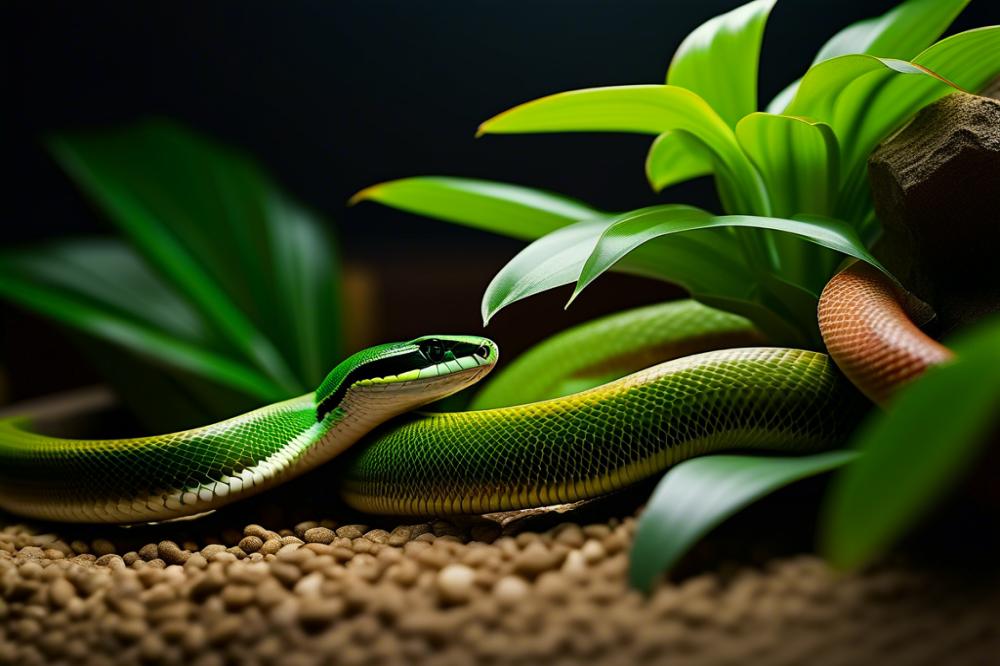
Choosing the Right Substrate for Your Snake’s Habitat
Setting up a comfortable environment for your snake is essential for its health and well-being. The substrate plays a critical role in this aspect of snake care. It serves not just as a base for the habitat but affects many factors, from humidity control to odor control. A suitable reptile bedding helps create a secure and natural space for the snake. This choice may also impact its behavior and stress levels. Consequently, finding the right mix becomes a priority.
Several factors influence the choice of substrate types. Your budget is one of these considerations. Cost-effective options abound in the market, but sometimes cheaper alternatives do not offer the best support for a snake’s unique needs. The composition of materials is another important aspect. Natural materials like aspen shavings, coconut fiber, and reptile carpet can provide excellent support for various species. Each option has its pros and cons that require careful evaluation.
Health considerations affect how the snake interacts with its environment. Some substrates may harbor bacteria, while others might cause respiratory issues. Consequently, it is vital to select an eco-friendly substrate that keeps your pet safe. The ease of cleaning is just as necessary. A clean habitat not only looks better but also helps maintain the health of your slithery friend. Ultimately, making informed choices will lead to a more enriching habitat choice.
Understanding snake substrate

Substrate refers to the material used at the bottom of a snake’s habitat. This bedding is crucial for keeping snakes healthy and comfortable. It can affect many aspects of their environment, including temperature and moisture levels.
Choosing the right substrate plays an important role in snake care. A suitable substrate can help with humidity control, which is essential for many species. Some snakes thrive in damp environments, while others prefer dry conditions. Selecting the correct type can prevent health issues caused by improper humidity.
Different snake species have unique requirements when it comes to substrate types. For example, burrowing snakes may benefit from eco-friendly substrate made from natural materials. This allows them to dig and create a burrow-like space. In contrast, arboreal snakes often do well with a softer reptile bedding that provides grip for climbing.
Ease of cleaning should also factor into your decision. Some substrates may be more difficult to maintain than others. Consider options that allow for quick removal of waste. Cost-effective solutions can help keep both your snake and your wallet happy. Remember, investing in quality material can improve the overall well-being of your pet.
Look into the health considerations associated with various substrates. Certain materials can create bad odors if not changed frequently. This could lead to respiratory issues for your snake. Using substrates that control odors effectively is a smart choice. Think about the long-term implications of your substrate decision. Each type of substrate has its pros and cons, so research is essential.
Types of Substrate
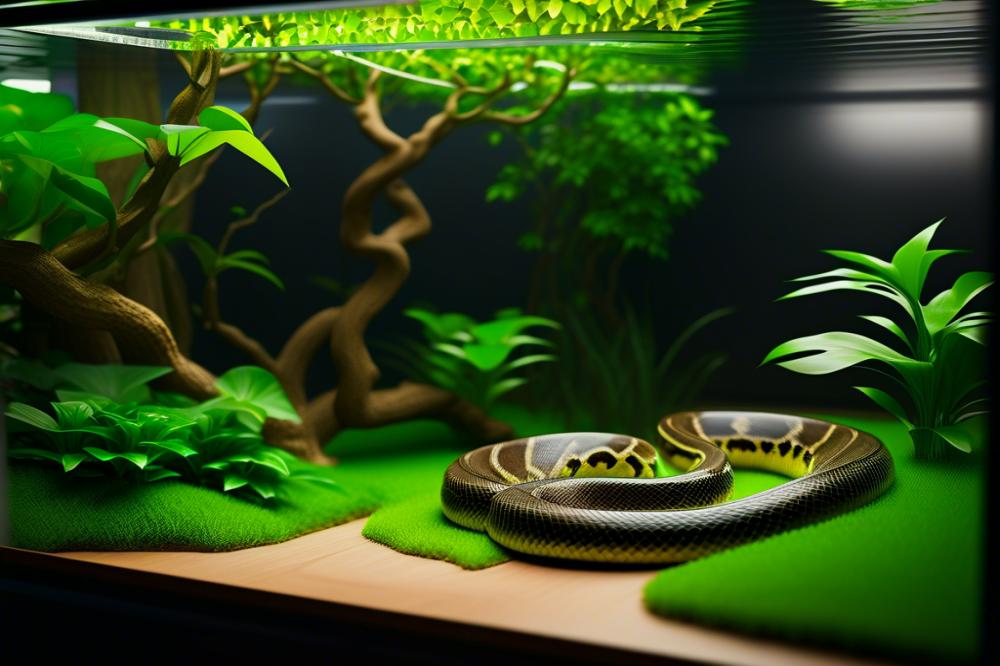
Choosing the right substrate is essential for creating a comfortable habitat for your snake. Various options are available, each with its own set of advantages and disadvantages. Understanding these can help you decide what will work best for your pet.
Overview of Common Substrate Types
Reptile bedding is popular among snake owners. It often comes in different forms, such as pellets or granules. Many prefer natural materials like coconut fiber and aspen shavings. Both offer unique benefits and can enhance the environment.
Commercial substrates designed specifically for reptiles are also available. These products often blend different materials to achieve specific qualities. They may include elements aimed at better moisture retention or improved odor control. Each type offers something a bit different for snake care.
Pros and Cons of Each Type
Reptile bedding can be quick and easy to replace. However, it sometimes lacks the natural feel that snakes might prefer. Natural materials like coconut fiber are eco-friendly substrate options. They provide excellent humidity control and mimic a snake’s natural habitat. But, managing cleanliness can pose challenges, as they can retain moisture and develop mold.
Aspen shavings are another option. They are lightweight and allow for easy digging, which many snakes enjoy. Yet, they can also produce dust, which may pose health considerations for some reptiles. Dusty environments are not ideal.
Commercial substrates often come with enhanced features. They can provide better odor control and are often designed to be low-maintenance. Nevertheless, costs can be higher than more basic options. Cost-effective options like newspaper or paper towels are straightforward but might lack aesthetic appeal.
In summary, every substrate type has its strengths and weaknesses. Assessing your snake’s needs is crucial. This will ensure your choice promotes its well-being while also fitting your lifestyle.
Humidity Control and Health Considerations

Humidity plays a crucial role in the wellbeing of snakes. Many species thrive in certain humidity levels, which mimic their natural habitat. Too little moisture can lead to dehydration, while excessive humidity may create a breeding ground for bacteria. Finding a balance is key in snake care.
Different substrates impact the humidity levels within a habitat. For instance, eco-friendly substrate like coconut fiber retains moisture effectively, providing a soft environment for your pet. On the other hand, materials such as aspen shavings may not hold humidity as well. Choosing a substrate type can significantly affect how easily you maintain proper humidity control.
Health considerations arise when selecting the right bedding for your snake. Improper humidity can cause respiratory issues. Snakes are sensitive, and a dry environment can lead to shedding problems and skin issues. Furthermore, if humidity remains too high, it may promote mold growth and unwanted odors.
The choice of substrate also influences ease of cleaning. Some natural materials break down faster, requiring more frequent changes to avoid high odor levels. In contrast, cost-effective options may offer simplicity but might not address humidity needs as effectively. Always assess how the substrate interacts with temperature and moisture before making a decision.
When setting up your snake’s habitat, pay attention to how different bedding types retain moisture. Products that provide good odor control often differ in their ability to keep humidity steady. Finding the right balance can help ensure a healthy environment for your reptile. Remember, what works best for each snake may vary based on their unique needs.
Ease of Cleaning and Odor Control
When selecting a substrate for your snake’s habitat, consider how easy it is to clean. Some materials require regular maintenance, which can take time. Reptile bedding made from aspen shavings or paper towels can be straightforward to replace. In contrast, eco-friendly substrates like coconut fiber or soil may hold moisture and need more careful management.
Odor control is another essential factor. A substrate that traps odors will keep your snake’s habitat smelling fresh. Certain types absorb moisture better than others, which can help reduce the smell of waste. For example, clay-based litters and silica crystals often work well for keeping odors at bay.
Substrate Choices for Effective Odor Control
Some options are particularly effective in controlling smells. Coconut coir is a popular choice among snake owners. This natural material retains moisture while preventing unpleasant odors from building up. For those on a budget, shredded newspaper or paper towels can serve as cost-effective options for short-term use.
Additionally, consider using substrates blended with odor-neutralizing agents. These mixes can help maintain a pleasant environment for both you and your reptile. Using a combination of different substrate types can also improve overall odor management.
Recommendations for Keeping a Clean Habitat
Regular cleaning is vital for your snake’s health. Spot-clean the habitat daily, removing waste and uneaten food. This will help maintain hygiene and reduce odors. At least once a week, replace soiled substrate entirely to ensure a clean living space. Always monitor humidity levels, as some substrates may retain moisture and alter the environment.
Investing in a good substrate plays a role in overall snake care. Natural materials can promote healthy habitat conditions. Be sure to choose an option that balances ease of cleaning with comfort for your snake. Remember, keeping a clean environment is part of responsible snake ownership.
Eco-Friendly Substrate Options
Benefits of Using Eco-Friendly Substrates
Using eco-friendly substrates can be highly beneficial for both your snake and the environment. These materials often promote better humidity control, which is crucial for many snake species. Good reptile bedding reduces the risk of health problems. Additionally, natural substrates provide a more comfortable and stimulating habitat. They often help with odor control, keeping the habitat fresh.
Examples of Sustainable Materials
There are various sustainable materials available for creating a comfortable environment for your snake. Coconut fiber is a popular choice. This material is biodegradable and retains moisture well. Recycled paper products are another eco-friendly option that offers excellent absorption. Aspen shavings provide another alternative that is soft and allows for easy cleaning. Choose among these substrate types based on your snake’s specific needs.
Impact on the Environment and Snake Health
Selecting eco-friendly options can positively impact the environment. These materials come from sustainable resources, decreasing the strain on natural habitats. Health considerations for your snake should always be a priority. Eco-friendly substrates are less likely to contain harmful chemicals found in some synthetic products. By choosing natural materials, you help create a safer environment for your pet. Furthermore, many of these options can be cost-effective, making them accessible for all pet owners.
Cost-Effective Options
Choosing an affordable substrate for your snake’s habitat can be easier than you think. Many budget-friendly options are available that provide both functionality and comfort for your pet. Reptile bedding, such as aspen shavings or coconut coir, can be effective. These materials offer great benefits like good humidity control and natural aesthetics.
When comparing costs and quality among different substrate types, it’s essential to look at durability and maintenance. Some brands might be cheaper initially but could require frequent changes due to odor control issues. Others may last longer, providing better value over time. For instance, paper towels or newspaper can work well as a low-cost option, but they lack the natural look. Consider what balance you want between cost and appearance.
Sourcing affordable substrates without sacrificing quality is crucial for snake care. Look for natural materials that are readily available in your area. Local pet stores often have sales or discounts on bulk orders. Buying in larger quantities can also lower costs. Online retailers sometimes offer cheaper prices but check shipping fees, as they can add to the total. Joining reptile care forums can help discover hidden deals and suggestions.
Another aspect to think about is the ease of cleaning. Some substrates may require more effort than others. For example, cypress mulch can be great for humidity but may be trickier to clean. On the other hand, sand can be simple to maintain but may not be safe for all snakes. Always prioritize health considerations when selecting a habitat material, since a dirty home can lead to health issues.
Final Thoughts on Substrate Choices
Choosing the right substrate for your snake’s habitat is essential for their well-being. It impacts not only their comfort but also their health. A good substrate can help regulate humidity and provide a natural environment for your pet. When selecting bedding, consider your snake’s specific needs and natural habitat.
Pay attention to factors like absorbency, safety, and ease of cleaning. Some snakes thrive on eco-friendly substrate, which is better for both them and the planet. Assess how each option can mimic the environment they would encounter in the wild.
Also, remember that different species have different requirements. For example, a burrowing snake might need something finer to tunnel efficiently. Gathering details about your specific snake can make a big difference. Research thoroughly and observe how your pet interacts with their environment after the change. Making adjustments may be necessary.
Selecting the best substrate involves careful thought and observation. Take your time and don’t rush the process. Finding the right reptile bedding can lead to a happier, healthier snake. Make choices based on the unique behavior and habitat of your species. Consult resources and forums to learn from other snake owners. Every small detail contributes to your pet’s overall happiness and health.

