
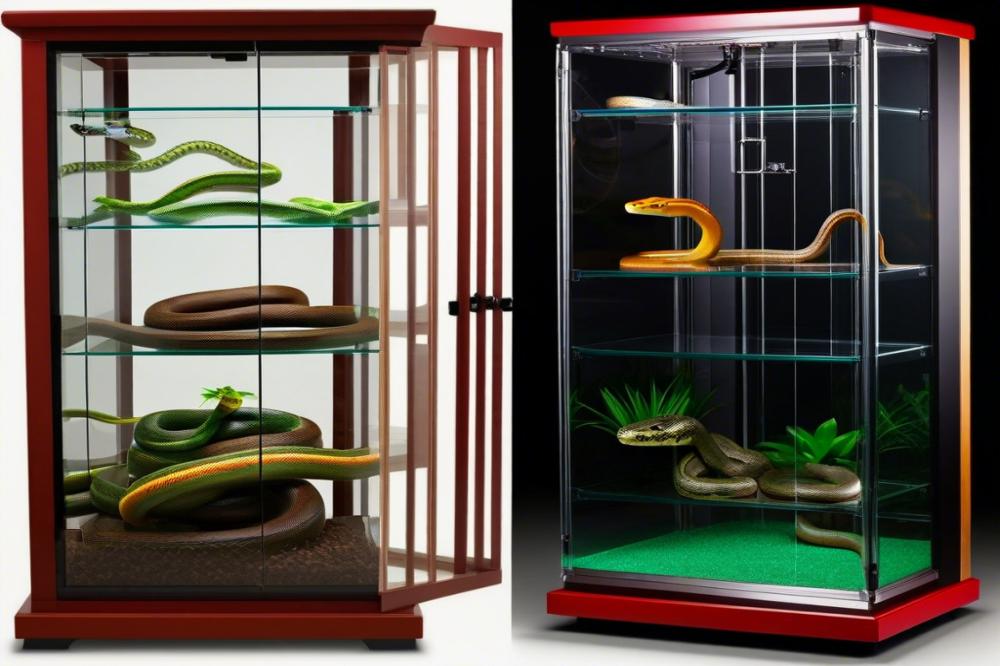
Choosing the Right snake enclosures
What kind of home do you want to provide for your pet snake? Selecting the right enclosure is a vital part of setting up a healthy habitat for your reptile. The choice between glass, plastic, or wood greatly impacts not only the care and maintenance of the snake but also its overall wellbeing. Each type of enclosure has its own advantages and disadvantages, which can affect factors like humidity control and temperature regulation.
A well-designed vivarium creates a comfortable environment for your snake. It also reflects your personal style, adding to the aesthetics of your living space. People interested in reptile keeping often spend a lot of time and effort crafting these habitats. The right enclosure can facilitate daily activities such as feeding and cleaning, making the experience enjoyable.
When deciding on enclosures, consider the species of snake you have. Some snakes thrive in specific conditions that certain materials may better provide. For example, they may require particular humidity levels or temperatures that one enclosure type can more effectively maintain. Accessibility is another factor to think about; you want to ensure easy interaction with your pet while keeping it safe inside. In the end, choosing between glass enclosures, plastic enclosures, or wood enclosures requires thorough thought. Each option offers unique benefits that can greatly affect your pet snake’s life.
Understanding snake enclosures
Snake enclosures serve as the primary habitats for these fascinating reptiles in the realm of reptile keeping. They provide a controlled environment where snakes can thrive, exhibiting natural behaviors. It is essential to choose the right type of enclosure to meet the specific needs of different snake species. Options are available in various materials, including glass enclosures, plastic enclosures, and wood enclosures. Each type has its own advantages and drawbacks.
Glass enclosures are popular for their visibility and aesthetics. Many snake owners appreciate being able to see their pets clearly. Properly designed glass vivarium can offer an appealing display. However, they can be heavy and somewhat fragile. This may make them less accessible for some users. On the other hand, plastic enclosures are lightweight and often much easier to move. They are generally more affordable and provide good insulation, which can help with temperature regulation. Unfortunately, they might scratch more easily and may not offer the same level of visibility as glass.
Wood enclosures present a different set of benefits. They can be sturdy and offer excellent insulation for maintaining humidity control. Many choose them for their natural appearance, which can complement home decor. Proper construction and sealing are necessary, as they can absorb moisture over time. It is crucial to select materials that won’t harm the snake and can withstand the humidity level required for specific species.
When setting up an enclosure, several key factors need attention. Humidity control is vital for many snakes, particularly those from tropical environments. Maintaining the right moisture level prevents health issues like shedding problems. Temperature regulation is just as critical. Snakes rely on external heat sources to survive, making it essential to create a gradient within the enclosure. Some areas should be warmer than others to allow for basking and cooling. The arrangement of the habitat also affects accessibility for feeding and maintenance.
In summary, various materials affect functionality and appearance. Carefully considering the needs of your snake species will help guide the choice. Each type of enclosure has its pros and cons, requiring thoughtful evaluation by the owner. Conditions in the habitat play a significant role in the overall snake care experience.
Glass Enclosures
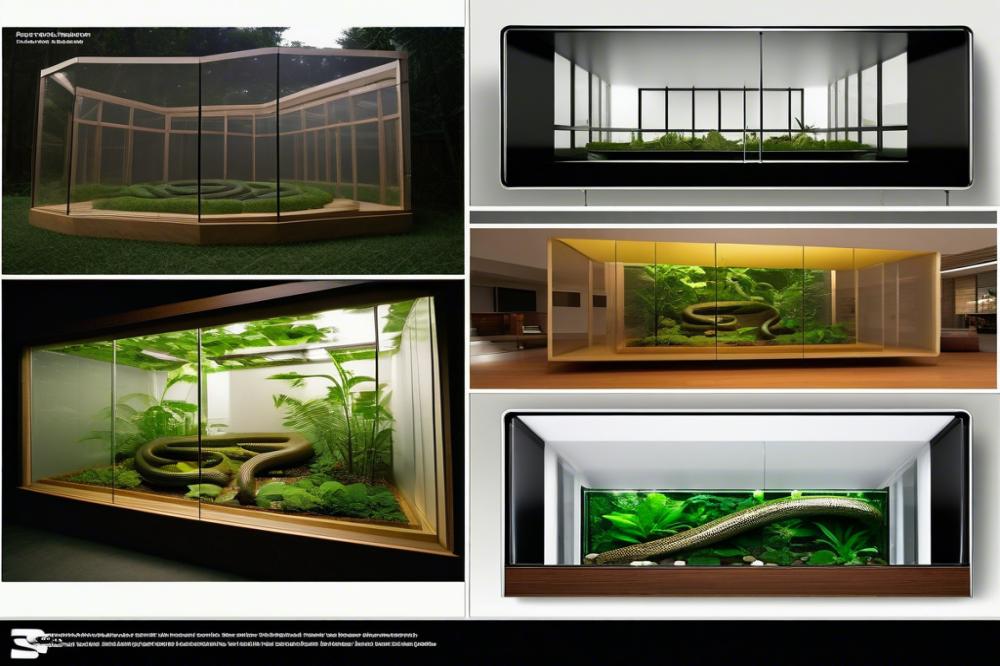
Glass enclosures offer several benefits that make them a popular choice for reptile keeping. For many pet owners, visibility stands out as a primary advantage. Observing the beauty of snakes in a glass habitat can create an engaging experience. The aesthetics of glass also appeal to those who want their vivarium to enhance the room’s decor.
Maintaining humidity control is another strong point for glass enclosures. Their sealed structure helps hold moisture, creating a stable environment for snakes. Coupled with this, temperature regulation is often easier. By using heating elements, you can create specific hot and cool areas that snakes need for thermoregulation.
Cleaning these enclosures is typically straightforward. A quick wipe down with appropriate cleaners is often sufficient to maintain hygiene. This ease of maintenance can simplify snake care, especially for beginners.
However, there are some drawbacks to consider. Glass enclosures can be quite heavy, making relocation difficult. Fragility is also a concern; a fall could lead to shattering. With this in mind, thoughtful consideration is essential when choosing a location for setup.
Accessibility is another area where glass cages may fall short. Feeding your pet can become complicated if the enclosure is designed with limited access points. Handling snakes could also be more challenging, as you may have to open the lid carefully, ensuring that the snake does not escape.
Overall, glass enclosures can be an attractive and beneficial option, but potential owners should weigh their pros and cons carefully. Each type of habitat—whether glass, plastic, or wood—has its own set of features that cater to various needs of both snakes and their keepers.
Plastic Enclosures
Plastic enclosures are popular choices among reptile keepers. Their lightweight nature makes them easy to move around. Transporting a plastic vivarium is simple, which is great for those who attend shows or need to relocate their pets. Affordability is another major advantage when considering options for snake care. Many people find that plastic enclosures fit within their budget better than glass or wood enclosures.
Versatility stands out as a key feature of plastic setups. Different sizes and designs are available, ensuring each keeper can find the right fit for their snake. The ease of customization attracts many hobbyists as well. Adding heating pads, lights, or decorations can transform a basic enclosure into a comfortable habitat. Humidity control can also be efficiently managed in plastic, as these materials can be sealed tightly. This is beneficial for species that require a moist environment to thrive.
However, some downsides come with choosing plastic for snake habitats. Ventilation can be a concern, especially if the enclosure doesn’t have adequate airflow. Poor air circulation may lead to humidity buildup or temperature regulation issues. Snakes might not be as comfortable in these conditions. Another consideration is the aesthetic aspect. Plastic enclosures often lack the visual appeal of glass alternatives. They may not look as natural or inviting, which can be disappointing for those who want a beautiful display.
Accessibility is less of a problem with plastic setups than with heavier alternatives. Opening a plastic enclosure can be done quickly and easily. Still, these enclosures tend to scratch more easily than glass. Damage can become problematic over time. For those who prioritize certain features, weighing the pros and cons is essential before selecting an enclosure.
Wood Enclosures
Wood enclosures appeal to many snake enthusiasts because of their natural aesthetics. They blend well with the environment, making a pleasing addition to any reptile keeping setup. Certain species of snakes, especially those from forested environments, may thrive in these enclosures. The texture and color of the wood can create a calming atmosphere for both the snakes and their owners.
Insulation is another strong point of wood. This material effectively helps with temperature regulation. A wooden vivarium can maintain warmth during cooler months. This can be more beneficial than glass enclosures, which often require additional heating. Insulation also aids in reducing temperature fluctuations, providing a stable habitat.
However, some drawbacks exist. Weight is a concern when choosing wood enclosures. They can be heavier than both glass and plastic options, making them challenging to move. Accessibility may become problematic if frequent maintenance is needed. Furthermore, a wooden environment can lead to certain maintenance issues. The material may absorb moisture from the snake’s habitat, leading to potential rotting or degradation over time.
Humidity control can also present significant challenges. Wood, by its nature, can retain moisture and affect the overall humidity levels in the enclosure. Keeping the right balance is essential for snake care, yet this can prove difficult. Snakes often require specific humidity levels for health, which means regular checks and adjustments may be necessary.
While wood offers a warm and unique look, it is vital to consider the practical aspects. Many keepers find themselves weighing aesthetics against functionality. Choosing the right enclosure is a balance of visual appeal and meeting the needs of the snake. Understanding both the positive and negative aspects ensures a well-rounded decision.
Comparative Analysis of Enclosure Types
When it comes to choosing an enclosure for your snake, various factors come into play. Glass, plastic, and wood enclosures each offer distinct advantages and drawbacks that can impact your decision. Cost is often a primary consideration. Some materials are more affordable, while others require a larger investment. Typically, glass enclosures tend to cost more due to their durability and visual appeal.
Maintenance varies significantly among the three options. Glass is relatively easy to clean. However, it can be heavy and awkward to move. Plastic enclosures, on the other hand, are lightweight and resistant to biohazards, which can make them simpler to maintain. Wood enclosures require more effort, especially if not sealed properly. They can absorb moisture, leading to potential rot and decay.
Thermal properties play a crucial role in snake care. Glass provides excellent visibility and some thermal regulation. Yet, it may not retain heat as well as wood. Plastic is a decent insulator but lacks the elegance of the other materials. For reptiles, proper temperature regulation is necessary. Different species have specific requirements, making this a vital consideration.
Humidity management is essential for many snake species. Glass enclosures can retain humidity effectively, which is beneficial for tropical snakes. Conversely, wood can be problematic unless it is well-sealed. Plastic usually allows for good humidity control but may not be as aesthetically pleasing.
Accessibility is another factor that cannot be overlooked. Glass enclosures often come with sliding doors, making them easy to access for feeding and cleaning. Plastic options might have latches or simple tops that can be lifted. In contrast, wood enclosures can be heavy and cumbersome, often requiring more effort to open. This can make a difference when handling your pet during routine tasks.
Aesthetic value also plays an important role in reptile keeping. Glass enclosures offer a clear view of your snake, showcasing its beauty. Many owners appreciate how these displays enhance their living spaces. Plastic enclosures tend to be more utilitarian and may not blend as seamlessly with home decor. Wood enclosures often bring natural charm but may require additional work to enhance their appearance.
Ultimately, the choice between glass, plastic, and wood enclosures depends on the specific needs of the snake species you own. Each option comes with its unique strengths and weaknesses that cater to different aspects of reptile care. It’s crucial to consider these elements carefully to make the best choice for your snake’s habitat.
Final Thoughts on Choosing the Right Habitat
When selecting the best environment for your snake, several factors come into play. Each type of enclosure, whether it be glass enclosures, plastic enclosures, or wood structures, has distinct benefits and drawbacks. Your choice should reflect the specific needs of your snake species. Not all snakes thrive in the same conditions, so understanding their care requirements is essential.
Consider the climate and space available in your home as well. Glass provides visibility and easy access for monitoring; however, it may not retain humidity well for tropical snakes. Plastic options could be lightweight and versatile, though they might lack the aesthetic appeal of other materials. Wood can give a more natural feel but might require more maintenance and can harbor pests if not treated correctly.
Clearly, the best enclosure aligns with both your lifestyle and your snake’s natural habits. Choose thoughtfully, ensuring that it meets the habitat needs of your pet. This decision affects their health and comfort. Think about browsing various options, and envision how each one fits into your living space. Remember, your ultimate goal is to provide an optimal environment that allows your snake to thrive. So, take your time, weigh each option carefully, and enjoy the process of creating a happy home for your scaly friend.

