

Understanding hiding places for snakes
Creating a comfortable environment for pet snakes is crucial for their overall well-being. Just like any other animal, these reptiles thrive when they have access to safe spaces where they can retreat and feel secure. hiding places for snakes play a significant role in their habitat setups, allowing them to regulate their stress levels. When snakes feel safe, they are more likely to engage with their surroundings and exhibit natural behaviors.
In the wild, snakes utilize various natural hiding spots to shield themselves from predators and the harsh elements. Recreating this aspect in snake habitats is essential for pet owners. A well-designed snake den can mimic these conditions. It provides a secure area for your pet to hide, sleep, and feel protected. Consequently, the right shelter can enhance both comfort and security, vital factors in ensuring a snake’s health and happiness.
Furthermore, gardening for snakes can create an enriching environment. Incorporating live plants not only adds aesthetic value but also offers additional hiding opportunities. Whether in outdoor habitats or snake enclosures, having diverse options allows snakes to choose where they feel most secure. This variety is beneficial as it encourages exploration and exercise.
Ultimately, understanding the importance of hiding spaces will contribute to reptile care. Providing sufficient and suitable shelters fosters a sense of safety for your snake. Each pet’s needs can differ, but ensuring they have access to hiding spots is universally beneficial. By focusing on creating ideal habitats, snake owners can support their pets’ instincts and promote healthier lifestyles.
Understanding Hiding Places for Snakes
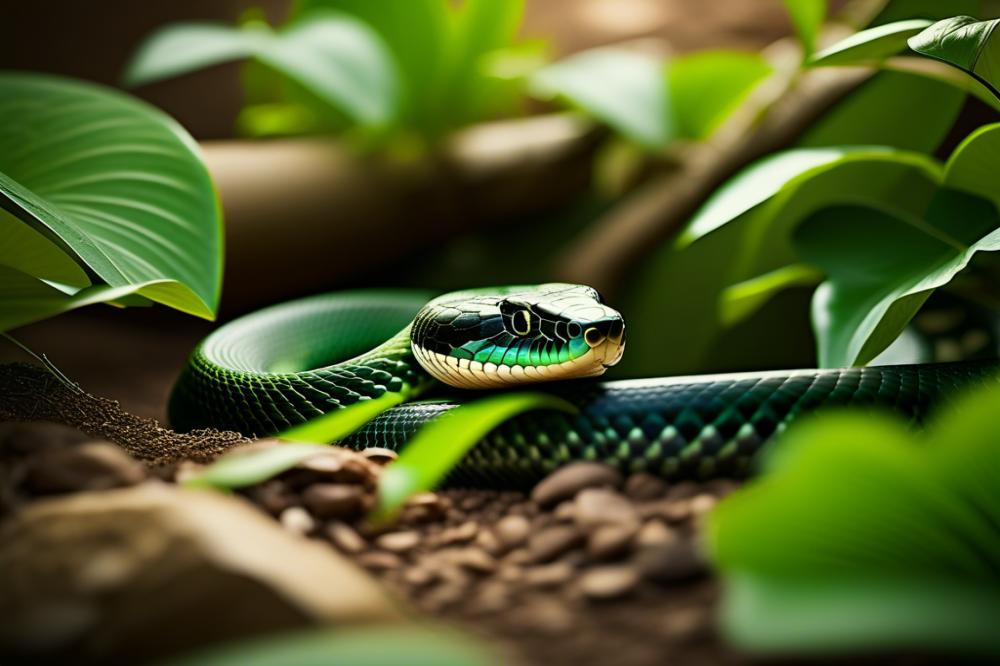
Hiding places are vital for snakes. These spots provide shelter, comfort, and security from potential threats. In the wild, snakes instinctively seek areas where they can feel safe. This behavior is deeply rooted in their natural instincts. Being in a protected space helps them avoid predators and extreme weather.
Different types of habitats offer unique requirements for various snake species. Some snakes prefer burrowing into the ground, while others thrive among foliage. For example, a garden that includes rocks, logs, and dense plants creates natural hiding spots. These areas mimic a snake den, allowing these reptiles to retreat and rest. In contrast, arboreal snakes might hide in tree branches or between dense leaves.
When considering reptile care, it’s essential to replicate these natural environments. Creating a suitable snake enclosure is crucial for their health and well-being. An enclosure with hiding spots can help reduce stress levels in captive snakes. Incorporating elements like tunnels and caves facilitates the snake’s need for safe spaces.
Outdoor habitats can also play a significant role. A well-designed garden for snakes should have plenty of cover. Using native plants can help attract small rodents, which become food sources. This not only benefits snakes but also promotes a balanced ecosystem. Furthermore, creating sheltered areas using stones and wood enhances comfort for these creatures.
Ultimately, understanding the importance of hiding places enriches our knowledge of snakes. Choosing the right environment can promote healthy behaviors. By tailoring spaces to their preferences, we support their natural lifestyle. Observing these fascinating reptiles can be more rewarding when they feel secure in their homes.
Types of Hiding Places

Different types of hiding places can enhance the comfort and security of snakes. First, let’s look at commercial hideouts. These are specifically designed for snake enclosures. Many options are available, ranging from artificial caves to simplistic wooden boxes. They cater to various snake sizes and species. Each hideout provides a sense of shelter. It protects the reptiles from stress and predators.
Next, DIY hiding spots can be created using household items. Items like plastic containers or cardboard boxes can be transformed into effective snake dens. Simply cut an entrance large enough for your snake to crawl through. Wrapping the container in a soft cloth offers extra comfort. This allows for a cozy environment where your pet can feel safe. Gardening for snakes can also yield materials from your yard. Broken flower pots can serve as unique hideouts; using natural materials blends well with your snake’s instincts.
Natural hiding spots are invaluable for outdoor habitats. Rocks and logs can create safe spaces for snakes in the wild. These elements mimic a snake’s native environment, which is ideal for their well-being. Seek out areas with dense foliage or undisturbed ground. Such settings provide cover and a way to regulate body temperature. Snakes benefit greatly from these spaces as they wander and explore. When creating a habitat, think about how natural hiding places can complement your reptile care routine.
Gardening for Snakes: Creating Natural Hides
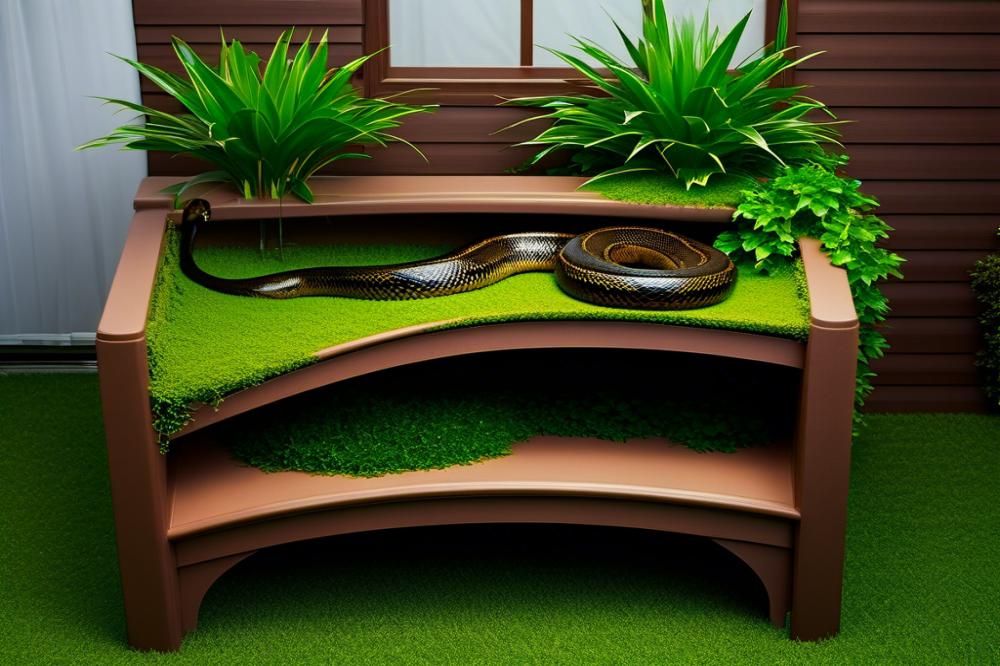
Gardening for snakes can enhance their comfort and security by incorporating natural hiding spots. Start by selecting a diverse range of plants that provide shelter for these reptiles. Native shrubs and dense ground cover create ideal snake enclosures. Consider adding rocks or logs to offer extra refuge. These features mimic a snake den, making environments more suitable for various species.
Choosing the right plants is vital. Opt for those with thick foliage or sprawling vines. Plants such as ferns, hostas, or flowering ground covers work well. They not only look great but also serve as safe spaces for snakes. These plants provide cool, shaded areas where snakes can rest and hide from predators.
Creating an environment that allows for movement is crucial. Leave some areas a bit wild and untamed. This can include letting a part of your garden grow tall grass or wildflowers. Such arrangements offer plenty of places for snakes to stay hidden while exploring their outdoor habitats.
Adding small piles of organic debris, like leaves or twigs, can further enhance shelter options. This encourages insects and small animals, making gardens more enticing for snakes. Safe spaces are essential for their well-being. Always consider how your gardening efforts can benefit them.
Regular maintenance is important as well. Clear away excess debris that may become stagnant or harmful. At the same time, protect areas with good hiding spots to encourage snake habitation. Understanding reptile care involves realizing the need for varied environments within your outdoor spaces.
Setting Up the Perfect Snake Den
Creating an ideal snake den is crucial for your pet’s happiness and health. Start by selecting an appropriate snake enclosure that offers enough space for your pet to move around comfortably. A good size is essential for both play and rest. Snakes appreciate places where they can feel secure and hidden, so think about their needs as you proceed.
Next, choose the right substrate for the bottom of the enclosure. Materials like aspen shavings, coconut coir, or even mulch make great choices. These substrates mimic a snake’s natural environment and help maintain humidity levels. Remember, snakes thrive in slightly moist conditions, so keeping the substrate a bit damp can provide them with the comfort they require.
Maintaining humidity is vital for your snake’s well-being. Use a spray bottle to mist the enclosure periodically. Installing a small hygrometer can help monitor this. By keeping an eye on humidity levels, you contribute to a more natural atmosphere, enhancing their overall security.
Decorations offer unique opportunities to create hiding spots. Rocks, logs, or specially designed reptile caves allow snakes to burrow and hide. When choosing items, avoid sharp edges that might harm your snake. Arrange these natural hiding spots so that the snake can easily enter and exit without feeling trapped.
Avoid overcrowding the enclosure with too many decorations. Snakes, particularly when shedding or stressed, need room to move freely. Providing a balance between hiding spots and open space creates safe spaces that enhance comfort. Make sure that all elements inside the snake den are easily accessible to avoid causing anxiety.
Finally, consider how often you clean the enclosure. Regular maintenance is essential for your snake’s health. Replace soiled substrate promptly and clean decorations as needed. This attention to detail reflects good reptile care, creating a safe environment where your snake can thrive. With the right care, their den becomes a haven of comfort and security.
Maintenance and Upkeep of Hiding Spots
Keeping hiding places in snake enclosures in good condition is vital for your reptiles’ well-being. Regular cleaning routines help to maintain a healthy environment. Start by removing any waste or uneaten food from snake dens and natural hiding spots. Use safe cleaning solutions to scrub surfaces. Rinse thoroughly to avoid any residue that might harm the snakes.
Consider creating a schedule for cleaning. Weekly cleaning can be effective for enclosures that see more activity. For those in outdoor habitats, a bi-weekly routine may suffice, depending on the weather and wildlife interactions. Inspecting these areas during the cleaning can help catch any signs of wear and tear.
Regular checks are important. Look for cracks or wear in shelters to maintain security. Over time, materials can break down or become less effective. A hiding spot that is damaged may no longer serve its purpose, leading to stress for the snake. Be proactive in replacing any worn-out items.
Gardening for snakes can also affect maintenance. If you incorporate natural hiding spots in the garden, be observant of pest issues or overcrowding of plants. Dead leaves or excess debris can harbor pests. These can create an unhealthy setting, which compromises comfort and security for the snakes.
In addition to cleaning, monitor humidity levels. Some reptiles require specific moisture conditions. Ensure that the hiding places retain the right amounts of moisture, especially in outdoor setups. Adjustments may need to be made depending on seasonal changes.
Keeping the enclosures tidy contributes to a more peaceful environment. A secure space allows snakes to thrive and feel safe. This careful attention to maintenance promotes the overall health of your reptiles while offering them the protection they need.
Final Thoughts on Hiding Places for Snakes
Providing suitable hiding places for snakes offers numerous benefits to these fascinating creatures. Not only does it help them feel safe and secure, but it also promotes their overall well-being. Hiding spaces allow these reptiles to explore their environment at their own pace, reducing stress in their habitat. When owners take the time to create a balanced and enriching setup, they demonstrate a commitment to their pets’ needs.
A well-planned habitat should prioritize both comfort and security for snakes. This doesn’t mean that style should be sacrificed, though. Incorporating diverse shelter options can transform a terrarium into a thriving ecosystem. Stone caves, wooden hides, or even live plants can enhance visual appeal while offering the necessary refuge. Such an environment nurtures the natural instincts of these animals, encouraging them to act upon their instincts.
For snake owners, understanding these needs is crucial. By observing their pets, it becomes easier to identify preferred locations for rest and retreat. Every snake is unique in its behavior and preferences, making careful observation key. Thinking of ways to enrich the habitat can lead to a more enjoyable experience for both snakes and their caretakers.
Building a safe and vibrant space ultimately contributes to the health of your snake. Owners can foster a sense of well-being by integrating the right elements into the habitat. Remember, a happy snake is often a well-cared-for snake. Taking these considerations into account will help create a nurturing home that values both comfort and security.

