

Yilan Tanrı mythology“>snake deity in mythology“>Turkic Folklore
Snake mythology is a vast and fascinating topic. Throughout history, various cultures have revered serpents as powerful symbols. Sometimes they represent danger, while other times, they embody wisdom and healing. This duality makes them a frequent subject in global folklore. From the ancient Egyptians to Native American tribes, snakes hold significant places in their respective mythologies.
Among Turkic tribes, the Yilan Tanrı stands out as an important figure. This snake deity has a deep-rooted presence in Turkic Folklore. Tales of Yilan reflect a mix of spiritual beliefs and cultural values. Understanding this deity opens a window into the broader context of shamanism and ancient Turkic beliefs. Shamanic traditions often involve interactions with animals, particularly those considered sacred. Snakes frequently appear in these practices, symbolizing transformation and rebirth.
The cultural significance of Yilan extends beyond simple mythology. For many Turkic people, this figure plays a crucial role in their ancestral stories. Insights into Yilan help decode serpent symbolism and its meanings in different contexts. As we delve into the lore surrounding this deity, we uncover factors that shaped the identities of Turkic tribes. The interplay of spirituality and cultural heritage forms an essential backdrop for these narratives.
By exploring the Yilan Tanrı, we appreciate how ancient beliefs have lingered in modern societies. The reverence for this snake deity highlights humanity’s ongoing connection to nature and its mysteries. Each folklore tale serves to illuminate the values and ethics of the culture it originates from. Ultimately, studying figures like Yilan enables a richer understanding of the intricate web of global snake mythology and its impact on human thought.
Yilan Tanrı: The Snake Deity in Turkic Folklore
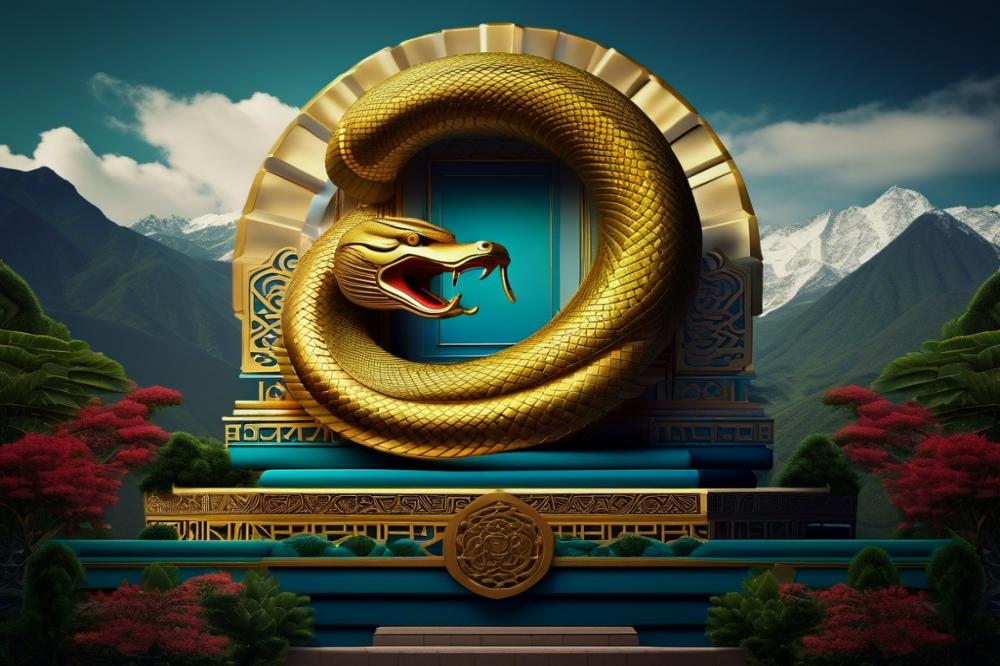
Yilan Tanrı serves as a significant figure in Turkic mythology. This snake deity is associated with various traits, including fertility, wisdom, and protection. Its imagery often embodies both creation and destruction. Different Turkic tribes have their unique interpretations of this deity, reflecting regional customs and traditions.
Origins of Yilan can be traced back to ancient shamanistic beliefs. Many Turkic people revered serpents as powerful symbols in nature. The snake was seen as a creature of the earth, linked to the afterlife and regeneration. Among the Turkic tribes, this reverence led to the development of various legends about the deity.
In folklore, the snake would often appear as a protector of the land. They believed that pleasing Yilan Tanrı would bring good fortune and abundant harvests. Tribal rituals sometimes included offerings to the deity, aiming to ensure a bountiful season. Serpent symbolism transcends mere mythology; it also encapsulates cultural significance.
Each tribe portrayed Yilan in a slightly different light. Some may view it as a guardian spirit, while others might see it as a source of wisdom. This flexibility in interpretation highlights the rich tapestry of Turkic belief systems. Overall, the significance of the snake spans beyond just one story; it is interwoven into the fabric of Turkic identity.
Serpents hold a prominent place in cultural expressions throughout history. The deep connections between people and these creatures illustrate rich traditions in folklore. They often represent duality—harmful yet beneficial. As such, Yilan can embody these dual aspects, showing a balance within the natural world. Understanding the characteristics of this deity offers a glimpse into the ancient beliefs that have shaped Turkic heritage.
Cultural Significance of Yilan Tanrı
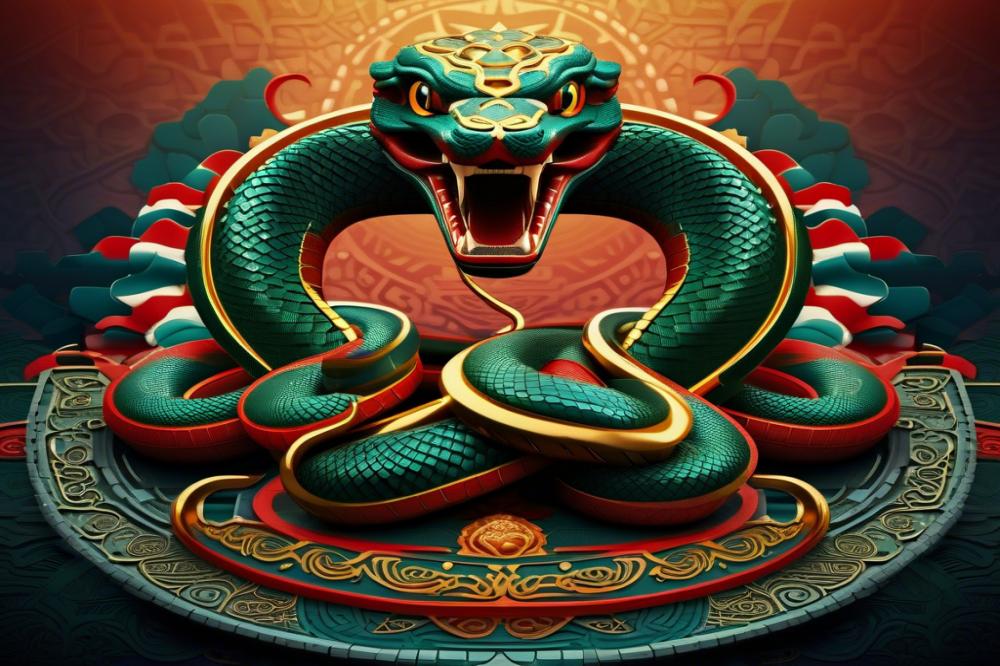
The snake deity holds a prominent place in Turkic folklore. Its presence is deeply woven into the social fabric of Turkic tribes. Many clans regard this figure as a protector, providing a sense of security and identity. This connection to ancient beliefs reflects in various rituals and ceremonies.
Shamanism plays a crucial role in the worship of this serpent. Shamans often invoke the snake deity during gatherings. Their ceremonies may involve musical chants, dancing, and intricate storytelling. Participants commonly seek healing or guidance from the spirits they believe are linked to the deity. These practices reveal a strong link between the spiritual world and everyday life.
Symbolism around serpents extends beyond mere worship. The snake embodies transformation and renewal. Such ideas resonate with the cycles of nature, a vital aspect of Turkic culture. Stories passed down through generations highlight this connection. In fact, the tales often serve as a reminder of resilience and adaptability.
Cultural identity amongst Turkic tribes is strongly influenced by these old myths. The legendary status of the deity reinforces unity within communities. When members share these stories, they strengthen their bond. These narratives also bridge gaps between generations, keeping folklore alive in modern times.
Contemporary interpretations of the snake deity remain relevant. Many Turkic people still celebrate their heritage. Festivals often include rituals that honor ancient traditions. Thus, the snake symbolizes not just the past but also a vivid present. As Turkic communities evolve, so too does the significance of the serpent in their folklore.
In conclusion, while Yilan Tanrı may be woven into ancient mythology, its impact is apparent today. The deity serves as a symbol of cultural resilience. It continues to inspire pride among Turkic tribes, reminding them of their shared history and values.
Comparative Analysis of Serpent Deities in Global Mythology
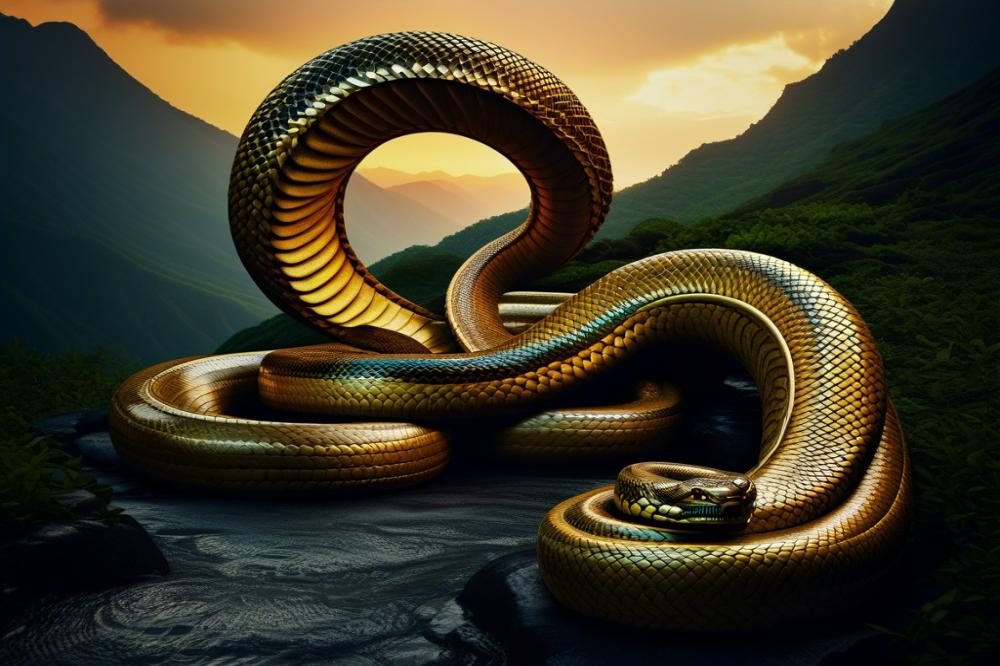
The Yilan Tanrı stands as a significant figure in Turkic folklore. It reveals much about the views of snake deities across different cultures. Many civilizations have revered serpents for their mystery and power. This admiration leads to the creation of various serpent deities in mythology.
In Mesoamerican cultures, Quetzalcoatl, often depicted as a feathered serpent, embodies intellect and creation. He shares similarities with the Turkic snake deity in that both represent knowledge and renewal. While Yilan represents the connection to the spirit world for Turkic tribes, Quetzalcoatl symbolizes life and death cycles. Both figures highlight the transformative nature of serpents in their respective mythologies.
Shinto mythology features the serpent deity Yamata no Orochi. This creature represents chaos and evil. Unlike Yilan Tanrı, who has protective aspects, Orochi is more of a menacing figure. Its defeat by the storm god Susanoo serves to highlight themes of victory over chaos. Such differences in roles show the varied cultural significance of serpents.
In African traditions, the snake often symbolizes fertility and rebirth. The Vodun deity Damballa, for instance, is affiliated with water and creation. This common association with life connects it to Yilan Tanrı’s protective qualities. However, Damballa is more often seen within a communal worship context. These differences underline the diverse expressions of serpent symbolism.
Serpent deities also feature prominently in Hindu mythology. Naga, the serpent god, has dual symbolism related to danger and protection. This duality is reflected in Yilan’s role as a cautious guardian for the Turkic tribes. Similar to Naga, Yilan embodies the balance between danger and benevolence. Such themes show the universal nature of serpent mythology across different societies.
Overall, these comparisons reveal a rich tapestry of beliefs. They demonstrate that despite differences in appearance and story, serpent deities hold essential roles. Humanity has long valued snakes as symbols of transformation, protection, and chaos. The shared reverence for serpents can be traced through ancient beliefs and remains relevant in many cultures today.
Ancient Beliefs and Practices Surrounding Yilan Tanrı
Turkic tribes have a rich tapestry of mythology woven around their understanding of the world. Central to this tapestry is a deep reverence for various deities, including the snake deity often called Yilan Tanrı. Snakes hold a vital place in the folklore of these communities, symbolizing fertility, rebirth, and transformation. Beliefs surrounding serpents are not just fanciful tales; they reflect core values and ideas that shaped ancient Turkic spirituality.
Rituals dedicated to the snake deity were commonplace, taking many forms. Offerings often included food, drink, and symbolic items. Animal sacrifices were performed to gain favor from this powerful entity. Shamans played a crucial role in connecting the physical world to the spirit realm. Through ceremonies, they would invoke the presence of the deity, calling upon its strength for healing, protection, and guidance.
Cultural significance of these practices cannot be underestimated. The act of honoring the Yilan reflects a worldview where nature and spirit are deeply intertwined. Serpent symbolism was prominent in various aspects of life, including art and storytelling. Myths surrounding the deity often portrayed it as a guardian, a source of wisdom, or even as a harbinger of danger.
In everyday life, these ancient beliefs had implications for how communities interacted with their environment. Individuals viewed snakes as messengers between realms. When spotted, a snake might invoke reverence and caution. Stories about the snake deity circulated widely, each Turkic tribe sharing its own version, adding layers to the rich folklore.
The traditions surrounding Yilan exist within a broader context of shamanism, where spiritual leaders guide their people through ritual practices. Shamans were often seen as intermediaries, capable of navigating between the mundane world and the divine. Their ability to invoke the deity brought hope and healing during difficult times. These practices attest to the profound connection ancient Turkic societies maintained with their spiritual beliefs and the natural world.
Understanding these ancient beliefs allows us to glimpse the worldview of the Turkic people. They saw life as a constant interplay of forces, with deities like Yilan playing crucial roles in their understanding of existence. The reverence for snakes and the rituals that honored them illustrate a unique perspective on life, spirituality, and the constant dance between the seen and unseen.
Modern Interpretations and Revivals
The significance of the Yilan Tanrı has seen a transformation in modern Turkic cultures. This snake deity plays a vital role in contemporary discussions about tradition and identity among Turkic tribes. Ancient beliefs surrounding this figure are being rediscovered, prompting a revival of interest in shamanism and folklore.
In literature, authors are weaving narratives that explore serpent symbolism. These stories often incorporate elements from traditional mythology, blending the past with modern themes. The richness of the narratives invites a younger audience to engage with their cultural heritage. Artists are also drawing inspiration from this deity, using visual mediums to express the mythology behind Yilan. These interpretations highlight a deeper appreciation of cultural significance.
Public discourse has shifted, too. Many people now discuss spiritual practices that celebrate the ancient beliefs of their ancestors. Educational programs aim to teach about the importance of shamanism in Turkic tribes. These initiatives help reshape how the community connects with its roots. Revivals of traditional ceremonies and worship practices are becoming more popular. This enthusiasm reflects a broader interest in nature, spirituality, and cultural identity.
Social media amplifies these discussions, allowing younger generations to share their interpretations of the snake deity. Online platforms serve as spaces for storytelling, where individuals can express their personal connections to Yilan. This interaction fosters a community that values its heritage while exploring new meanings. The shared experience reshapes perceptions of folklore and highlights the enduring importance of these ancient beliefs.
As Turkic cultures continue to evolve, the relevance of the Yilan Tanrı remains strong. This deity embodies more than just a symbol; it represents a bridge between past traditions and present beliefs. The revival of interest in shamanistic practices invites a fresh look at the role of mythology in everyday life. Through various expressions of art, literature, and discussion, the essence of this intriguing figure thrives.
Final Thoughts
The Yilan Tanrı, or the snake deity, holds a significant place in Turkic folklore. Its role reflects a deep connection between nature and humanity. Stories about this figure reveal much about the beliefs and traditions of various Turkic tribes. Instances of reverence for serpents are found throughout history. They offer insights into how these communities viewed the world around them.
Cultural impact extends beyond tales. The snake deity symbolizes power and protection. It signifies a bond between the earth and the heavens. This duality illustrates an intriguing aspect of snake mythology across cultures. People often ascribe various meanings to serpents. In Turkic folklore, they are symbols of fertility, rebirth, and guardian spirits.
Exploring these narratives can open doors to understanding human relationships with nature. It also fosters appreciation for the rich tapestry of global mythologies. Serpent symbolism may vary but consistently resonates with themes of transformation and wisdom. Each culture interprets these beings through its own lens. Interest in such stories can inspire greater curiosity about mythological figures worldwide. Seeking to understand them can lead individuals to discover new connections within diverse cultural heritages.

