

Understanding Your Snake’s Natural Habitat: What to Mimic
Keeping a pet snake can be an exciting venture for many animal lovers. These reptiles come in various species, each with its own distinct behaviors and needs. Learning about these fascinating creatures not only fosters a deeper connection but also enhances their well-being.
Replicating a snake’s natural habitat is crucial for their health and happiness. Snakes thrive in environments that mimic their wild surroundings. A proper setup can help reduce stress and promote natural behaviors. It’s essential for pet owners to recognize that each species has specific requirements that reflect its native ecosystem.
Key elements of a snake’s habitat include temperature, humidity, substrate, and hiding spots. Understanding the importance of basking areas will also aid in your pet’s care. Water sources should be readily available to ensure hydration and proper shedding. Additionally, incorporating vegetation into the terrarium can create a more natural feel, fulfilling the animal’s need for environmental enrichment. Balancing these factors allows you to create a sanctuary that supports your snake’s needs and well-being.
Understanding Your Snake’s Natural Habitat
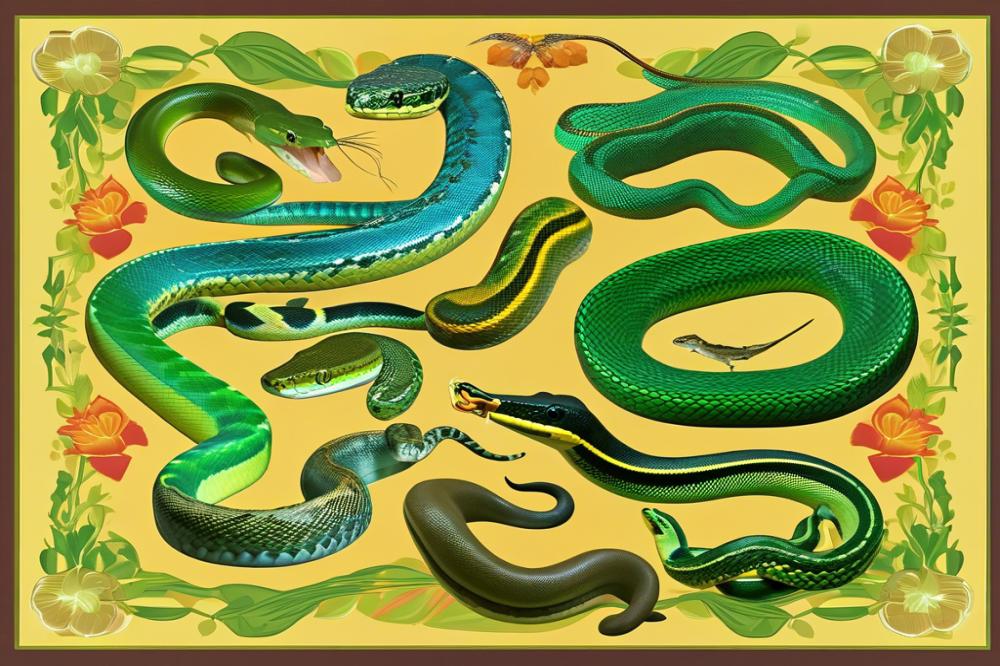
Overview of Different Snake Species and Their Natural Environments
Snakes inhabit various ecosystems around the world. These environments include deserts, rainforests, grasslands, and wetlands. Each species has adapted to its own surroundings, influencing its diet and behavior. For instance, some snakes thrive in arid regions, while others prefer the dense foliage of forests. Understanding where your snake originates helps in creating an appropriate habitat. Recognizing this diversity is crucial for any snake owner.
Species-Specific Habitat Requirements
Every snake has its own needs. temperature is a vital factor for many species. For example, tropical snakes usually require a warmer climate, while others may prefer cooler environments. humidity levels play a significant role as well. Desert dwellers need lower humidity, while rainforest species require much higher moisture levels. Substrate options vary too; some snakes enjoy soft ground cover, while others prefer rocky surfaces. Providing hiding spots simulates a snake’s natural behavior in the wild. They often seek safety among leaves or rocks, so include these in their habitat.
Importance of Knowing Your Snake’s Origin
Understanding your snake’s origin is necessary for optimal care. Many species have specific habitat requirements that align with their native environments. Plant life can significantly impact a snake’s well-being. Vegetation not only provides cover but can also aid in regulating temperature and humidity within the terrarium setup. Separate basking areas allow snakes to warm up, which is crucial for their metabolism and digestion. Water sources are equally important, as they mimic natural conditions. By respecting these needs, you create a healthier environment for your pet.
Key Elements of a snake habitat
Temperature
Managing temperature is crucial for snakes. A temperature gradient within the enclosure mimics the natural environment. Snakes need a warm area to bask and a cooler spot to regulate their body heat. This variability supports their metabolic processes. If the temperature is too high or too low, your snake might become stressed. Use a thermometer to monitor these areas accurately.
Humidity
Humidity levels vary greatly among different snake species. Understanding the species-specific humidity needs is essential for their health. For some, a humid environment is key, while others thrive in drier conditions. A hygrometer can help you track moisture in the air. Adjusting humidity might require misting or providing water sources such as shallow dishes. Meeting these needs promotes proper shedding and overall well-being.
Substrate
The choice of substrate impacts the snake’s comfort and behavior. Types of substrates include aspen shavings, coconut fiber, or reptile carpet. Each has its benefits, like aiding moisture retention or facilitating burrowing. Selecting the right material can prevent injury and mimic the natural terrain. A natural feel helps reduce stress, allowing your snake to exhibit normal behavior.
Hiding Spots
Hiding spots are vital for a snake’s sense of security. Snakes in the wild often find refuge among rocks or vegetation. Providing adequate hiding spots in your terrarium setup is necessary. These might be commercial hides, logs, or plants. Safety and comfort create a less anxious environment. When a snake feels secure, it will be more active and engage in natural behaviors.
Creating Basking Areas and Water Sources
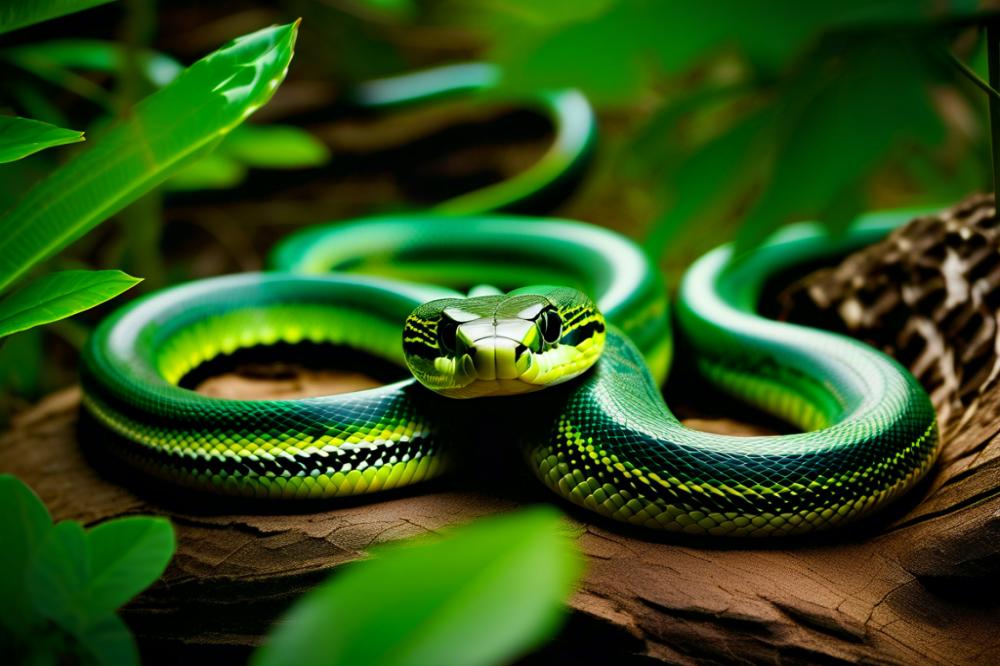
Basking plays a crucial role in a snake’s thermoregulation. Many species rely on heat from their environment to maintain optimal body temperature. A proper basking area allows them to absorb the warmth they need. Without adequate heat, snakes may become sluggish and less active, affecting their overall health.
Importance of Basking for Thermoregulation
Snakes are ectothermic, meaning they depend on external sources to control their body temperature. In the wild, they often bask in the sun or on warm rocks. This behavior helps them digest food, become more agile, and stay alert. In captivity, replicating this environment is essential. A well-designed basking area mimics these natural conditions and caters to their needs.
Creating Effective Basking Zones
Aiming to create effective basking zones requires careful consideration. First, choose a heat source that provides a consistent temperature. Basking spots should reach around 85 to 95 degrees Fahrenheit, depending on the species. Use a heat lamp or ceramic heater to fulfill this requirement. Position these at one end of the terrarium for a temperature gradient. This helps snakes regulate their temperature by moving between warm and cooler areas.
Also, incorporating appropriate substrates can enhance the basking zone. Smooth rocks or flat stones can serve as excellent basking surfaces. These materials naturally retain heat, providing comfort for your snake. Adding some vegetation nearby gives them security, encouraging natural behavior. Hiding spots are important too, as they allow snakes to retreat when feeling threatened.
Providing Water Sources: Types and Maintenance
Water sources are vital for any snake’s well-being. Different species have varying needs; some need shallow dishes, while others require deeper, more substantial bodies of water. A suitable water source encourages hydration and aids in shedding. Remember to change the water regularly to keep it clean and fresh. Having a water bowl that’s easy to access will help your snake stay hydrated and healthy.
When setting up the terrarium, consider the humidity levels that your specific species needs. Some snakes thrive in humid environments, while others fare better in drier conditions. Use misting systems or shallow water bowls to manage humidity. This careful attention to their unique requirements fosters a healthier and more comfortable living environment.
Incorporating Vegetation and Natural Behavior
Vegetation plays a crucial role in a snake’s habitat. It influences not just the appearance but also the overall environment. Plants provide cover and create hiding spots. These features allow snakes to feel safe and secure. Different species thrive in various environments. Therefore, knowing the right plants is essential.
Live vs. Artificial Plants
Live plants have several benefits. They can help maintain humidity levels and improve air quality. Many species enjoy the natural look that live vegetation provides. However, live plants require care. Proper lighting and watering are needed to keep them alive, which can add complexity to your terrarium setup.
Artificial plants, on the other hand, require no water or special light. They do not die and can be arranged easily. Yet, they lack the benefits that living plants provide. Fewer hiding spots might make a snake feel exposed. Balancing aesthetics with practical needs is crucial when choosing between the two.
Mimicking Natural Behavior through Habitat Design
Understanding natural behavior helps in habitat design. Each species comes with its specific needs. Some prefer basking areas, while others might like water sources nearby. Proper temperature control is vital for maintaining health. Humidity levels should also match what the snake would experience in the wild.
Incorporate various substrates to replicate the natural ground. Some snakes prefer sand, while others like leaf litter or soil. Providing diverse textures can enhance the tactile experience. A varied substrate also aids in digging or burrowing, which some snakes enjoy. Thoughtful design encourages similar behaviors to those displayed in their natural environments.
Creating the right environment takes effort. It is important to think like a snake and consider how they interact with their surroundings. Strategically placing plants and creating hiding spots will help to mimic their natural instincts. A well-designed habitat ultimately leads to a happier, healthier snake.
Terrarium Setup Tips
Creating a suitable environment for your snake is essential for its health and happiness. Every species has its specific needs based on its natural habitat. Start by considering the size of the terrarium; a larger space allows for better temperature gradients and enrichment opportunities. It’s important to set up an area where your pet can explore safely.
Guidelines for Setting Up an Appropriate Terrarium
Begin with the substrate. Choose a bedding material that mimics the natural ground of their habitat. Options like aspen shavings or coconut fiber work well. Make sure to layer it thick enough for burrowing species. Also, plan for hiding spots. Snakes feel secure in areas where they can hide away from light and activity. Incorporate items like rock caves or hollow logs.
Equipment Needed
Heating is crucial for your snake’s well-being. A heat source like an under-tank heater creates a warm side within the terrarium. Maintain a temperature gradient; this means one end should be warmer than the other. Use a thermometer to monitor these conditions. If your snake comes from a humid environment, humidity control is also vital. Misting the terrarium or using a humidity gauge keeps moisture levels optimal.
Lighting is another key component. Natural sunlight is ideal, but UVB lights can substitute when needed. A basking area allows your snake to warm itself properly, replicating how it would in the wild. Include a flat rock or a separate heat source for basking.
Common Mistakes to Avoid
Don’t underestimate the importance of proper ventilation. Avoid creating a closed environment without airflow, as this can lead to health issues. Overcrowding is another common error. Your snake will thrive better in a simple, uncluttered space. Too much clutter can increase stress levels. Pay attention to species-specific needs during setup. Some snakes may require more climbing space or different temperature levels than others.
Lastly, be cautious with water sources. A shallow dish is often perfect for their drinking needs. Ensure it is heavy and wide enough to avoid tipping. Always monitor the water to keep it fresh and clean. By focusing on these important aspects, you create a healthy and balanced environment that supports your snake’s natural behavior.
Bringing Nature to Your Home
Mimicking the natural habitat of your snake is crucial for its health and well-being. A suitable environment replicates the conditions found in the wild. This includes proper temperature and humidity levels. Snakes thrive when their surroundings reflect the climate of their native habitats. Adjusting these factors leads to a happier and healthier pet.
Creating a comfortable environment goes beyond just setting up a tank. Think about the types of hiding spots and climbing opportunities that make your snake feel secure. Each species prefers different features, so knowing your snake’s needs is key. Providing the right substrate, decor, and even the layout can significantly impact their comfort.
Research is essential in this journey. Understanding the specific needs of your snake informs the adjustments you need to make. Adaptations might be necessary as seasons change or as your pet grows. Regularly assess their living space and make modifications as required. This ongoing commitment fosters a stronger bond between you and your pet.
In summary, focusing on your snake’s natural habitat plays a vital role in its overall health. Prioritizing the right environment makes a big difference. Embrace the learning process, and make changes that reflect your snake’s unique needs. A little effort goes a long way in enhancing their quality of life.

