
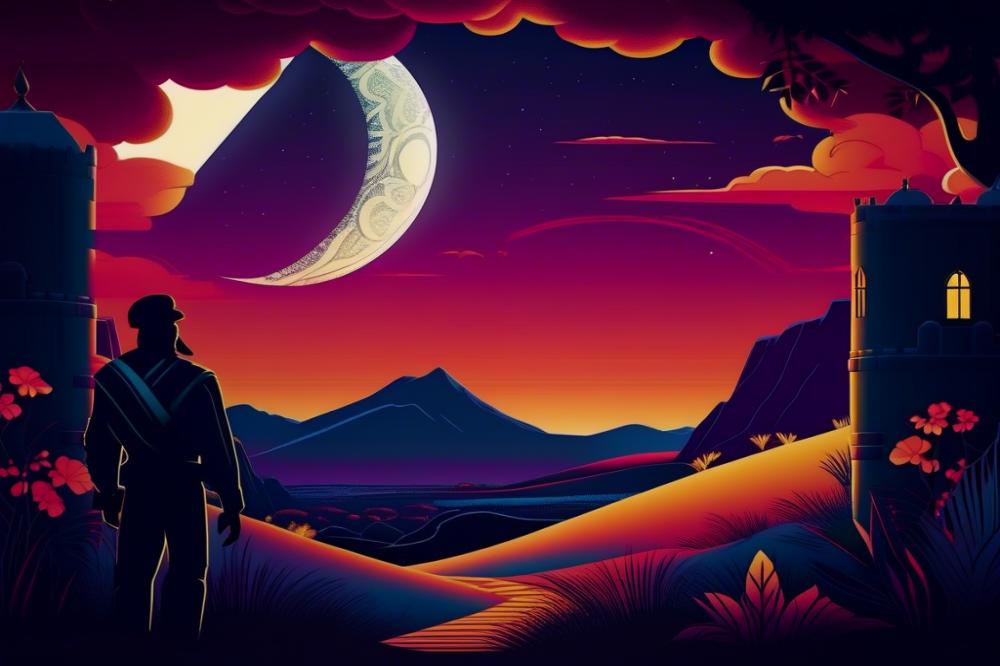
The Significance of Zulu Stories
Zulu tales are an essential part of African folklore. They weave together the cultural beliefs and values of the Zulu people. Storytelling plays a major role in Zulu cultural heritage. It serves not only to entertain but also to educate. Through generations, these narratives help to pass on lessons and wisdom. Oral tradition keeps the essence of these stories alive, promoting unity within the community.
Among the many stories shared, “The Snake Who Brought the Moon” stands out. This moon legend embodies important themes. It reflects snake symbolism, which is prevalent in many myths. Snakes often represent transformation, healing, and nature in mythology, making them significant figures in Zulu folklore. The tale captures the interplay between mythological creatures and the natural world, pulling readers into a realm where the extraordinary meets the everyday.
Lunar stories, like this one, connect the cosmos to human experience. They offer insights into the relationship between the earth and its inhabitants. Through these narratives, the Zulu people express their understanding of life and their environment. As we delve into “The Snake Who Brought the Moon,” we unveil the richness of Zulu mythology and appreciate the depth of its cultural stories.
Zulu mythology and Cultural Significance
Zulu mythology holds a special place in the hearts of the Zulu people. This rich tapestry of stories reflects their values and beliefs. Themes of morality, nature, and the cosmos resonate deeply in these cultural tales. Often, the lessons conveyed aim to guide individuals in their daily lives.
Snake symbolism appears frequently in Zulu stories, showcasing its dual nature. Snakes can represent both danger and wisdom. In many African folklore narratives, these creatures serve as messengers between the earthly realm and the spiritual world. They are often depicted as powerful beings that hold the secrets of the universe.
Lunar stories are particularly intriguing, as they reveal how Zulu people view the cosmos. The moon figures prominently in their tales, acting as a symbol of guidance and illumination. Various mythological creatures appear surrounding this celestial body, enriching the narrative landscape.
Emphasizing the importance of nature in mythology is key to understanding Zulu cultural heritage. The relationship between the people and the environment is portrayed through stories that celebrate the land and its elements. Animals, plants, and even weather patterns are included in these cultural stories, highlighting their significance.
Storytelling remains an essential practice in the Zulu community. It is through this oral tradition that wisdom gets passed from generation to generation. Elders share these tales around the fire, creating a bond between young and old. Each narrative is crafted with care, ensuring the essence of Zulu culture thrives.
The connections between mythological creatures and cultural stories deepen the understanding of Zulu identity. Characters in these tales often embody the strengths and weaknesses of humanity. These narratives are more than mere entertainment; they weave together the fabric of Zulu society, reinforcing morals and communal values.
The Story of the Snake Who Brought the Moon
In the heart of African folklore lies a captivating tale known as “The Snake Who Brought the Moon.” This story is woven into the rich tapestry of Zulu tales, passed down through generations via oral tradition. Central to the narrative is a peculiar snake that undertakes an extraordinary quest. The snake is not just any creature; it holds a significant place in nature and mythology within the Zulu cultural heritage.
The story begins with darkness enveloping the earth. People wander in fear and confusion, as they cannot find their way. The moon has mysteriously disappeared. The elders gather to discuss the problem and seek guidance. Among them, a wise old woman speaks of a legendary snake, believed to possess the power to bring back the moon. Eager to restore light to their world, a brave young girl decides to seek out this mythological creature.
This girl embodies courage and determination. Her quest leads her deep into the forest, where shadows loom large. Eventually, she finds the snake coiled beneath an ancient tree, glittering with a silvery sheen that hints at the moon’s essence. Recognizing the creature’s power, she pleads with the snake to return the moon. The snake, however, has a condition. It requests a special offering — a heartfelt promise of respect towards nature, emphasizing the importance of balance in the world.
The offering carries deep symbolism. It represents the harmony that exists between humanity and the natural world. The snake’s request implies that change and illumination come at a price. This relationship between the snake and the moon transcends mere narrative. The snake, with its scales reflecting light, symbolizes transformation and guidance. As it fulfills its duty, it also invokes a message about understanding the consequences of one’s actions.
Through her willingness to embrace this challenge, the girl transforms. She learns that light cannot exist without darkness. As the snake weaves its magic, the moon rises again in the night sky, illuminating the landscape and guiding lost souls. In this tale, the snake acts as a bridge between two worlds; day and night, fear and safety, ignorance and knowledge.
In many ways, this narrative resonates with themes found throughout African folklore. Mythological creatures often carry messages about the natural order. The snake also stands out as a powerful symbol of renewal, often representing fertility and creation in cultural stories. While numerous tales reflect similar themes, the specific dynamic between this snake and the moon enriches the listeners’ understanding of their role within the universe.
Ultimately, “The Snake Who Brought the Moon” encapsulates a journey of self-discovery and the need for respect between humans and nature. The young girl’s connection with the snake highlights a cultural appreciation for the environment. It also reminds us that despite the darkness, hope and light can indeed be found. This tale not only entertains but educates, serving as a reminder of the ever-present ties between humanity and the world around them.
Snake Symbolism in Zulu Folklore
In Zulu culture, snakes hold a variety of meanings. These creatures appear frequently in Zulu tales, often symbolizing dual aspects of life. Some stories tell of snakes as protectors, while others portray them as threats.
Many African folklore narratives depict snakes as wise and knowledgeable beings. Their existence in natural settings connects them to the earth’s wisdom. For instance, a snake might guide a character toward a solution or a safe passage. This shows the beneficial side of snakes within these cultural stories.
Conversely, some tales illustrate snakes as dangerous. In these narratives, they can represent deceit or treachery. A snake may emerge as a trickster, luring characters into a false sense of security before striking. This complexity adds depth to their symbolism in Zulu tales.
Furthermore, lunar stories in Zulu mythology often associate snakes with the moon. Legends describe how a snake once brought the moon to illuminate the night sky. This connection highlights their role as important mythological creatures. Snakes embody the mystery and wonders of nature in mythology.
Oral tradition plays a significant role in passing down these beliefs. Elders often share stories of snakes with the younger generation. Through storytelling, children learn about the balance of life that snakes represent. They discover the coexistence of danger and protection inherent in these animals.
Ultimately, the portrayal of snakes in Zulu cultural heritage reflects larger themes. These creatures remind us of the dualities present in all aspects of life. Both positive and negative traits find their way into stories, creating layers of meaning. Snakes serve as a powerful symbol within this rich tapestry of African folklore.
The Role of Nature in Zulu Mythology
Nature plays a vital role in Zulu tales. It shapes the worldview of the people, serving as both a backdrop and a character in their stories. The tale of the snake who brought the moon offers insights into how natural elements are woven into mythology. The snake, a significant figure in African folklore, symbolizes transformation and power. It is not just an animal; it represents the connection between earth and the celestial realm.
Mythological creatures often embody aspects of nature. In these cultural stories, they reflect the environment’s influence on human life. Rivers, mountains, and the moon are depicted with deep respect. Each element is seen as possessing its own spirit and purpose. The moon, for instance, is not only a celestial body. It plays a role in marking time, seasons, and agricultural cycles.
Through oral tradition, these tales convey lessons and values. Storytelling becomes a way to pass knowledge through generations. The interconnectedness of nature and mythology teaches the importance of harmony with the environment. Every creature, plant, and celestial body has its place. One cannot exist without the others. This belief fosters a sense of responsibility toward nature.
In Zulu cultural heritage, this relationship is profound. Tales about the moon carry deeper meanings. They remind listeners of foundational truths about existence and the cosmos. The natural world is not separate from human life; it is essential to the narrative of who they are.
Understanding this might seem foreign to outsiders. However, nature in mythology helps the Zulu people to explain their surroundings. The tales act as a bridge, linking people to the environment. The community learns about resilience, adaptability, and reverence through them. The snake’s journey to deliver the moon illustrates this beautifully. It captures the imagination while reinforcing a strong bond with the living world.
Thus, Zulu mythology not only entertains but educates. It fosters a deeper appreciation for the environment, reminding everyone of their place within it. Nature, with all its wonders, invites curiosity and respect. Within these narratives lies a wealth of wisdom just waiting to be shared.
Lunar Stories and Their Impact on Zulu Culture
Lunar stories play a vital role in Zulu culture. In this context, the moon holds significant importance, impacting various aspects of daily life. Its phases influence agricultural practices, serving as a guide for planting and harvesting. Communities often look to the moon to determine the best times for these activities, ensuring bountiful yields.
Zulu tales include a rich tapestry of mythological creatures and narratives that revolve around celestial bodies. The snake, a key figure, symbolizes transformation and renewal. This symbolism is intertwined with the moon’s cycles, emphasizing change and the passage of time. Through storytelling, generations pass down their understanding of nature in mythology, linking the moon’s appearance to seasonal shifts.
Timekeeping traditionally aligns with lunar cycles in many Zulu communities. Months often begin with the new moon, guiding social activities and ceremonies. As such, the moon functions as a clock, tracking the rhythm of life. It’s not just a celestial body; it embodies lessons on patience and growth, crucial for both spiritual beliefs and agricultural success.
Additionally, spiritual practices deeply interweave with lunar observations. The moon is seen not only as a physical presence but as a powerful entity. Many believe that its light carries messages from ancestors, forming a bridge between the past and present. This highlights the moon’s role in reinforcing Zulu cultural heritage, linking people through shared beliefs and practices.
The story of the snake who brought the moon reveals deeper truths about the lunar cycle. Through this tale, listeners gain insight into the dance of light and dark, a mirror to life’s challenges and successes. The relationship between the snake and the moon encourages reflection and understanding of one’s journey. Each phase of the moon celebrates different aspects of existence, echoing the lessons drawn from African folklore.
Through oral tradition, these lunar stories resonate across ages, keeping cultural stories alive. They remind people of their connection to nature and the cosmos. Agriculture, timekeeping, and spirituality all benefit from this rich narrative framework, enriching the Zulu worldview. In essence, lunar tales serve as a guiding light, illuminating paths in both the physical and the spiritual realms.
Final Reflections on ‘The Snake Who Brought the Moon’
The story of the snake who brought the moon is a fascinating part of Zulu tales. This narrative illustrates the deep connection between humanity and nature. Through this myth, we find a representation of snake symbolism, highlighting how the serpent embodies both wisdom and transformation. It resonates with themes of creation and balance in the universe.
Preserving these stories is crucial. Oral traditions reflect the rich history of the Zulu people. They carry lessons and values that shape community identity. By sharing these tales, one ensures that future generations understand their heritage. Additionally, such narratives foster a sense of unity within diverse cultures.
Understanding Zulu mythology offers insight into how humans interact with nature and the cosmos. The snake is not just a creature; it represents a bridge between the earthly and the celestial. This enduring legacy serves as a reminder of our responsibility to protect the environment. Stories like this one encourage respect for the world we inhabit. They capture the essence of life’s mysteries and the bonds we share with all living things.
As we reflect on the story of the snake who brought the moon, we appreciate the wealth of knowledge embedded in these ancient tales. The continuation of these traditions highlights their relevance today. In a rapidly changing world, such stories help us navigate the complexities of life, grounding us in the wisdom of the past.

