
Overview of Snake mythology in Cultures Worldwide
Snake mythology has fascinated people across the globe for centuries. Many cultures regard snakes as powerful symbols. They often represent transformation, fertility, and the cycle of life and death. In some traditions, snakes embody both good and evil. Their dual nature can be seen in various myths and stories, from the revered Naga of Hinduism to the fearsome serpent in Norse legends. These rich narratives reveal deeper truths about human fears and desires. Understanding these beliefs helps us appreciate the diverse ways people connect with nature.
Significance of the Rainbow Snake in Papua New Guinea Folklore
In Papua New Guinea, the Rainbow Snake holds a special place in local mythology. This creature symbolizes the creation of the landscape, waterways, and fertility. Stories often depict it as a guardian of the earth. The Rainbow Snake is linked to both life-giving rain and destructive floods. Its colorful form represents both harmony and chaos. This duality speaks to the complex relationship that local communities have with the environment. Through rituals and stories, the Rainbow Snake continues to play an important role in cultural identity and communal bonds.
Purpose of the Article
The aim of this article is to explore the myth of the Rainbow Snake and its cultural importance. By examining its origins and representations, we can gain insight into how this figure shapes understanding of nature and existence. Readers will discover how beliefs around this legendary creature reflect broader themes in society. Ultimately, we hope to foster a deeper appreciation for these cultural narratives and highlight the unique perspectives they offer. Through this exploration, the article seeks to unravel the layers of meaning behind the myth and its impact on local communities. For anyone interested in mythology, this exploration can provide valuable knowledge. Let’s dive into the fascinating world of the Rainbow Snake and its rich stories.
The Cultural Significance of Snakes in Folklore
Snakes hold an important place in many cultures around the world. Their presence often speaks to a range of emotions and beliefs. In numerous societies, these reptiles are seen as symbols of transformation and renewal. For instance, the shedding of their skin is a powerful metaphor for rebirth and change.
Different traditions view snakes in varying lights. In some cultures, they represent wisdom and knowledge, enlightening those who seek their counsel. Conversely, other belief systems view them as harbingers of danger or death. Such mixed perceptions contribute to the rich tapestry of snake lore in global folklore.
Symbolism Associated with Snakes
Throughout history, the snake has been associated with various meanings. Often, it embodies duality—representing both good and evil. In many mythologies, these creatures play the role of guardians, watching over sacred knowledge or treasures. Yet, they can also signify temptation, acting as catalysts for pivotal events in stories.
A snake’s ability to move quietly and stealthily symbolizes hidden knowledge. This stealthiness may represent the unknown aspects of life. In some regions, snakes are worshipped for their spiritual connections, while in others, they are feared. These contrasting attitudes come together to form a complex relationship between humans and these animals.
Role of Snakes in Creation Myths
Creation stories across cultures often feature snakes in key roles. They might be depicted as creators of the world or bringers of life. In some narratives, a snake coils around the cosmos, forming the foundation of reality itself. This important function is not merely coincidental; it highlights their significance in establishing order.
For various tribes, the Rainbow Snake, in particular, holds a vital position in creation stories. The creature embodies fertility and connection to the land. By associating this snake with water and nourishment, these tales link the creature to the cycles of life and the environment. Such myths strengthen the relationship between people and nature, reminding them of the interconnectedness of all beings.
Origins of the Rainbow Snake Myth

Historical context of the Rainbow Snake in Papua New Guinea
The Rainbow Snake has deep roots in the stories of Papua New Guinea. Many believe it emerged from the land’s tradition of oral storytelling. Over centuries, this creature became a symbol of creation and transformation. Legends tell of a great serpent that glides through rivers and rainbows, leaving a trail of color in its wake. This bond with nature reflects the harmony that many tribes feel toward their environment.
Influence of indigenous tribes and beliefs
Indigenous tribes from various parts of Papua New Guinea have woven their beliefs into the myth. For some, the Rainbow Snake represents fertility and abundance. Their rituals often honor this mighty creature during seasonal changes. Some communities regard it as a guardian of water sources, emphasizing its importance in daily life. Others view it more as an embodiment of spiritual power. These varied perspectives illustrate the diverse cultural tapestry of the region.
Comparison with other cultures’ snake myths
Around the world, many cultures have similar snake myths. For example, in some African traditions, snakes symbolize healing and transformation. Similarly, in Mesoamerican cultures, creatures like Quetzalcoatl bring themes of creation and renewal. These narratives share common threads with the Rainbow Snake in Papua New Guinea. In each tale, snakes often represent a duality of power: they can be both fearsome and benevolent. This resemblance highlights broader human connections across different societies through mythology.
Attributes and Representations of the Rainbow Snake
Physical characteristics attributed to the Rainbow Snake
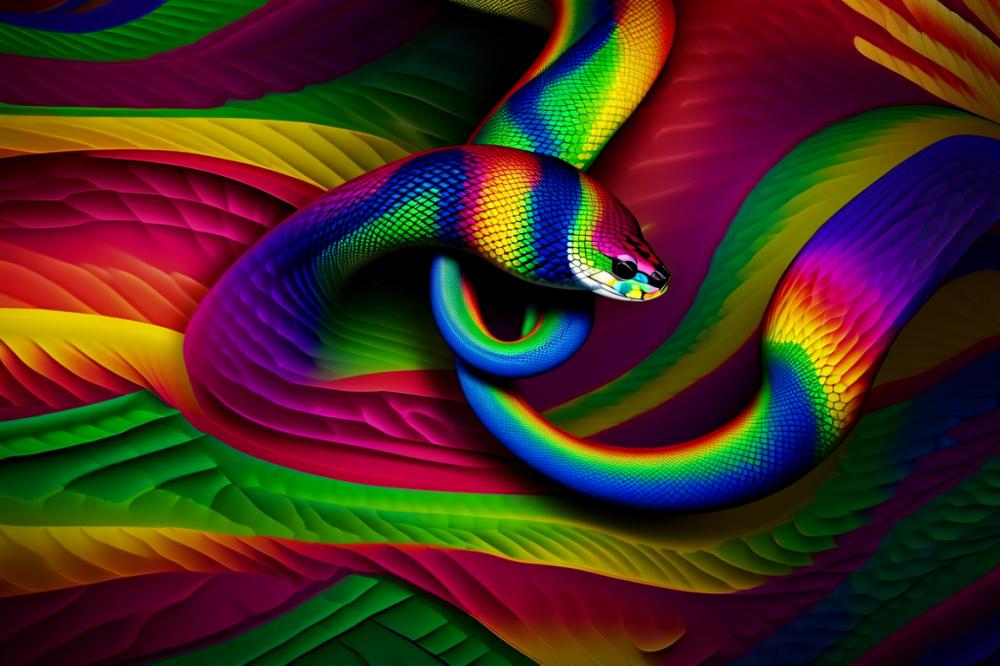
The Rainbow Snake is described as a large and colorful creature. Local stories often depict it with brilliant scales that shimmer in sunlight. Shades of green, red, yellow, and blue are commonly mentioned. These colors are said to reflect the beauty of the natural world. Length varies in tales, some saying it stretches like a river through the land. Many believe that its movements resemble flowing water, emphasizing connections to rivers and streams. Eyewitness accounts often exaggerate attributes, making it almost mythical.
Symbolic meanings of colors and shapes
Colors play a crucial role in understanding the Rainbow Snake. Each hue symbolizes different elements of life. Red may represent power and danger, while blue suggests tranquility and depth. The variety of patterns on its body often signifies diversity in nature and culture. Curves and spirals in its form are interpreted as cycles of life. The combination of colors also hints at unity among various tribes in Papua New Guinea. Thus, the Rainbow Snake becomes a bridge linking different communities.
Connection to natural elements and landscapes
This legendary serpent is more than a creature; it symbolizes the environment. Stories tell how the Rainbow Snake shaped landscapes, carving valleys and forming rivers. Its connection to the earth reflects the belief that nature and spirit are intertwined. Mountains and water bodies often mirror its form in local legends. People view the Rainbow Snake as a guardian of natural resources. Respecting this entity means honoring the land and its gifts. As a result, ceremonies may involve offerings to express gratitude for the bounty of nature.
Variations of the Myth Across Different Tribes
Every tribe in Papua New Guinea has its version of the Rainbow Snake, making the myth varied and compelling. Some tribes see it as a creator being, while others view it as a symbol of transformation. This difference shows how each community interprets the same story in unique ways. For example, in some coastal areas, the Rainbow Snake is linked to the ocean and its tides. Inland tribes might associate it more with rivers and rainforests, representing fertility and life.
Stories about the Rainbow Snake often change based on geographical location. The visual depiction of the creature can vary greatly. In one region, it might be seen as a multicolored serpent, while in another, it is portrayed with vibrant patterns and markings. Some tribes even mention its size, describing it as either gigantic or relatively small.
Oral traditions play a critical role in passing down these diverse stories. Elders tell tales around fires, preserving each tribe’s perspective. The storytelling not only keeps the myth alive but also allows for the evolution of its meaning over time. Variations arise as narrators add personal touches, reflecting the values and beliefs of their communities.
Language adds another layer of richness to these narratives. Different tribes use distinct words and phrases to describe the Rainbow Snake. Some might emphasize its mythical nature, while others focus on its importance in everyday life. This linguistic diversity enriches the cultural tapestry of Papua New Guinea.
Through retellings, stories change and adapt. New characters might be introduced, or existing ones might have altered roles. Each tribe contributes to the overall narrative, making the myth of the Rainbow Snake a fascinating example of cultural variation in folklore. This fluidity allows for a connection among different tribes while still celebrating their individual identities.
The Rainbow Snake in Contemporary Culture
The Rainbow Snake myth continues to ripple through the fabric of modern Papua New Guinea society. Its impact can be seen in various aspects of daily life. Many people still recount tales of the serpent, believing it represents both creation and destruction. This duality offers a powerful symbol for communities grappling with environmental changes and cultural shifts.
Representation in Art, Literature, and Performance
Artistic expressions often draw inspiration from the #main_keyword#. In paintings and carvings, artists capture the vibrant colors associated with the Rainbow Snake. These pieces tell stories of heritage and identity. In literature, authors include it in their narratives, weaving it into modern tales while maintaining cultural roots. Theatre performances also celebrate these stories, blending traditional motifs with contemporary themes.
Influence of Globalization on Traditional Beliefs
Globalization has altered how many perceive the Rainbow Snake. Western influences sometimes overshadow local customs. As global media spreads, traditional stories face competition from new narratives. Despite this, many communities seek to preserve their heritage. They recognize that connecting with their past, like the tale of the Rainbow Snake, is vital for maintaining their unique identity in a changing world.
Engaging with the myth allows younger generations to explore their ancestry. Schools may incorporate it into educational programs. This strategy helps foster a sense of pride and belonging among Papua New Guineans. Additionally, the myth’s themes resonate in conversations about climate change and environmental stewardship. Individuals often reference the Rainbow Snake to highlight the importance of caring for the land.
In summary, while the Rainbow Snake’s role may be shifting, it remains a vibrant part of Papua New Guinea’s cultural landscape. Artists, writers, and performers keep the story alive, providing a window into the complexities of tradition and modernity. As society navigates the challenges of globalization, the Snake’s enduring legacy serves as a reminder of the significance of cultural narratives.
Final Thoughts
The Rainbow Snake holds a special place in Papua New Guinea folklore. Its stories connect deeply with the land and the people. This figure is not just a mythical creature; it embodies creation and chaos, reflecting the complexities of life. Local communities pass down these tales through generations, which helps to maintain cultural identity.
Preserving indigenous mythology is crucial in today’s world. As cultures face outside influences, these stories act as anchors. They keep traditions alive and offer younger generations a sense of belonging. In every legend, there’s a hint of wisdom that can guide us. Understanding these tales fosters respect for different cultures and encourages appreciation for their values.
Exploring snake mythology gives deeper insight into cultural heritage. Snakes often symbolize transformation and renewal across various societies. The Rainbow Snake, in particular, teaches lessons about balance and harmony. By studying these myths, we gain awareness of how they impact community beliefs and practices. It reminds us that folklore is not merely entertainment but a vital part of human experience, echoing through time.
In the end, recognizing the importance of the Rainbow Snake and similar myths is essential. They shape worldviews and influence lifestyles. Honoring these stories preserves the richness of diverse cultures. Engaging with them can also lead to a more profound understanding of humanity as a whole. Embracing the lessons from the past allows us to move forward with respect. The mysteries wrapped in folklore serve as a guide for our journey together on this planet, making it an enriching experience.
Ultimately, the legacy of the Rainbow Snake, similar to other #anchor_text_3#, illustrates the deep bond people share with their environment. It places value on both mythology and the natural world. Thus, discussing these narratives leads us to consider the broader implications of our cultural heritages. By listening and learning, we must uphold the traditions that have shaped us, fostering connection and respect for all.
As we reflect on the power of these stories, let’s remember their role in modern conversations. They bring awareness to how diverse traditions inform our lives and experiences. Way ahead, the myths like that of the Rainbow Snake will continue to be a source of inspiration, preserving cultural significance and wisdom for generations yet to come, leading us toward a more inclusive understanding of our shared world. The journey of exploration into folklore is one that can lead to greater appreciation and insight, not just for #anchor_text_4#, but for the intricate tapestry of cultures that enrich our lives.

