
Research Efforts on the Green Anaconda’s Role in Ecosystems
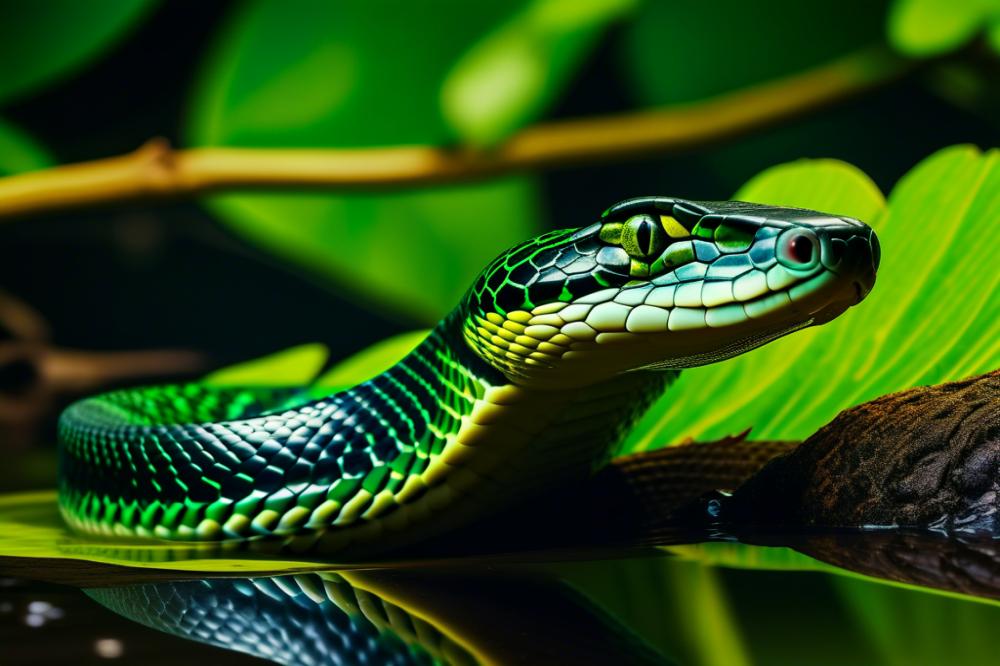
The Green Anaconda is a remarkable snake found in the wetlands of South America. This powerful predator plays a vital role in its habitat, influencing various aspects of the ecosystem. It inhabits a range of environments, primarily in aquatic ecosystems like swamps and rivers. Understanding how this species interacts with its surroundings can help shed light on the broader picture of biodiversity.
As a top predator, the Green Anaconda significantly affects prey dynamics. Its presence regulates the populations of various animals, including fish and small mammals, contributing to a balanced ecosystem. Healthy ecosystems depend on these predator-prey relationships. Furthermore, the snake contributes to ecosystem services, such as nutrient cycling, which supports plant life and overall habitat health.
This article aims to explore the ongoing research efforts concerning the Anaconda’s Ecosystem Role. Insightful studies have been undertaken to assess the snake’s behavior, habitat preferences, and its impact on biodiversity. Conservation initiatives also focus on this species because its decline could disrupt the ecological balance in regions where it is found. By examining these aspects, researchers hope to provide key information that could aid in the conservation of both the snake and its environment.
Ultimately, understanding the Green Anaconda is essential for grasping the complexities of snake ecology. Research not only highlights the importance of this species but also emphasizes the interconnectedness of life within aquatic ecosystems. The health of these environments depends on maintaining robust populations of predators and their prey, making continued research vital for future conservation efforts.
Understanding Green Anaconda Ecology
Description of the Green Anaconda’s Habitat
The green anaconda thrives in warm, humid environments. This snake prefers wetlands such as swamps and marshes. Dense forests near these water bodies often serve as additional refuge. Typically, it resides in regions across the Amazon Basin and parts of the Orinoco River. The habitat consists of slow-moving waters where reeds and aquatic plants are common. These areas provide both cover and hunting grounds. Temperature and moisture levels impact its survival and breeding.
Role in Aquatic Ecosystems
Within aquatic ecosystems, this creature plays an important role as both predator and scavenger. Predation regulates populations of various species, maintaining ecological balance. By controlling fish and bird populations, the snake indirectly supports healthy water systems. Research shows that its presence can enhance habitat quality by stabilizing these ecosystems. Predators often influence prey behaviors, creating dynamic interactions among species.
Biodiversity Contributions to the Ecosystem
Biodiversity is crucial for ecosystem resilience. The green anaconda contributes by promoting a balanced food web. Its existence helps in conserving a variety of species that live in its habitat. In turn, this enhances the overall health of the ecosystem. Anaconda interactions with other species can lead to complex relationships. These interactions can bolster genetic diversity among various organisms.
Predator and Prey Dynamics
Understanding predator and prey dynamics is essential when studying snake ecology. Anacondas often hunt fish, birds, and small mammals. Its hunting method involves stealth and strength, enabling it to capture prey quickly. This strategy creates a ripple effect in the ecosystem. Prey availability and population numbers can fluctuate greatly due to predation. Each hunt influences the community structure, affecting overall biodiversity.
Environmental Impact and Conservation
Environmental impact assessments reveal the significance of preserving these snake habitats. Conservation efforts aim to protect wetlands and the intricate life forms within them. Educating communities about the role of such species can foster a greater appreciation for biodiversity. Studies focused on the green anaconda can aid in developing sustainable practices. Research initiatives play a crucial role in informing conservation strategies and policies.
Research on Green Anaconda Conservation
Current Conservation Status and Threats
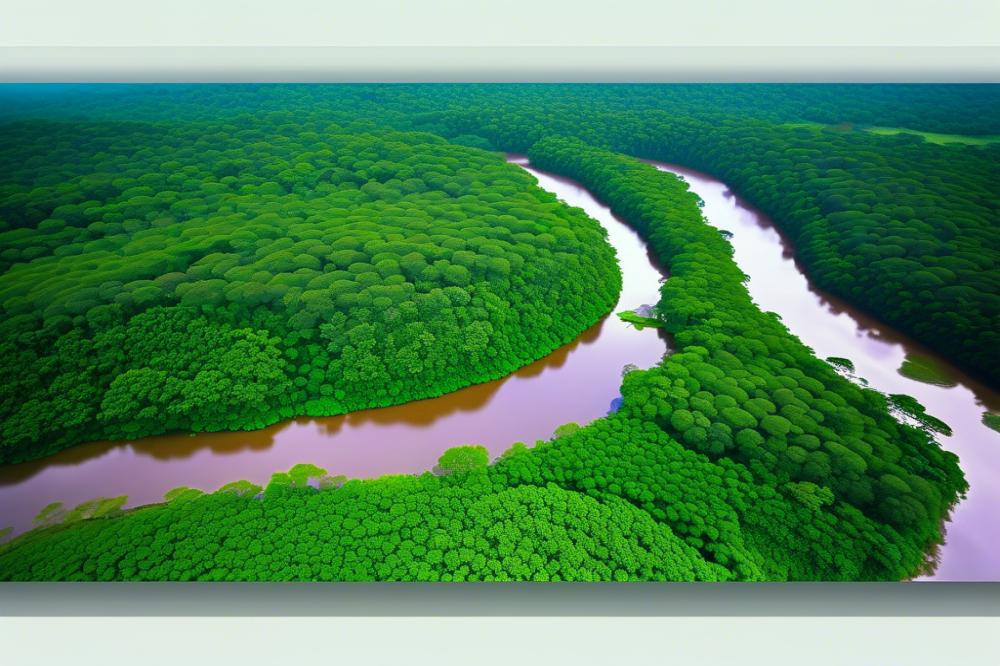
The conservation status of this large snake remains a concern. Habitat destruction poses a significant threat. Many wetlands and floodplains, crucial for their survival, are being drained for agriculture and urban development. Overexploitation for the pet trade also endangers populations. These factors lead to declining numbers and could disturb predator and prey dynamics. Additionally, climate change impacts aquatic ecosystems, further amplifying existing threats. Understanding these challenges is vital for successful conservation efforts.
Key Research Initiatives Focused on Green Anaconda
Several research initiatives focus on this species to evaluate its role in ecosystems. Scientists are studying how these snakes impact biodiversity in their habitats. These studies often include assessing their predatory behavior and its effects on local prey. Monitoring population trends in various regions allows researchers to identify critical areas needing protection. By understanding their ecological niche, conservation strategies can be designed to support both the snake and the environments they inhabit.
Methods of Tracking and Studying Green Anacondas
Various methods are used to track and study these snakes in the wild. Researchers often employ radio telemetry to monitor their movements. This technique involves attaching small transmitters to the snakes, allowing scientists to follow their locations. Additionally, camera traps provide insights into their behavior and interactions with other species. Collecting data on snake ecology aids in understanding their needs and threats. Analyzing these patterns helps predict how environmental changes might affect them.
Collaboration with Local Communities in Conservation
Engaging local communities is crucial for conservation efforts. Many people living near habitats can offer valuable knowledge about these snakes. Educational programs promote awareness of the ecological importance of the species. When locals understand the role of the snake in ecosystem services, they are more likely to support conservation. Involving community members in protection efforts can lead to better outcomes for both the snakes and their habitats. Community-led initiatives foster a sense of ownership and responsibility, enhancing conservation success.
Ecosystem Services Provided by Green Anacondas
Impact on Maintaining Species Diversity
Green Anacondas play an important role in their habitats. By keeping prey populations in check, these snakes help support biodiversity. A healthy balance of species is crucial for a stable environment. Without predators, some species might overpopulate, leading to a decline in plant life and other animals. This predator-prey relationship fosters a diverse ecosystem. Various species coexist and interact in a balanced way, enhancing the overall health of the habitat.
Role in Controlling Prey Populations
Controlling populations of species is one of the key functions of anaconda. These snakes primarily hunt larger animals, such as fish and mammals. Their feeding habits help maintain prey dynamics within aquatic ecosystems. When prey populations are managed correctly, it helps keep the ecosystem stable. Too many herbivores can damage the vegetation, impacting the entire food web. Thus, the snake’s presence is vital for regulating these populations, which directly influences other species’ survival.
Contribution to Ecological Balance
Ecological balance is essential for the overall health of any environment. Anacondas contribute to this by influencing the food chain. The interaction between predators and their prey allows other species to flourish. This dynamic can be seen in various ecosystems, including wetlands and swamps. Research shows that the absence of such predators can lead to an unstable environment. Fewer predators could result in increased herbivore numbers, affecting vegetation and water quality. Conservation efforts that protect the anaconda will help secure the intricate web of life in these areas. Understanding snake ecology is vital for preserving these ecosystems and their services.
Challenges and Impacts of Research Efforts
Limitations of Current Research Methodologies
Research on snake ecology faces various challenges. Many current methodologies are limited in scope and effectiveness. Traditional tracking methods often disturb animals and can skew results. Such techniques may miss vital aspects of predator and prey dynamics. Observational studies in harsh habitats also pose difficulties, making data collection inconsistent. Researchers sometimes rely on outdated technology, which can hinder advancements. Collecting data in dense aquatic ecosystems remains a daunting task, as crews navigate challenging terrains.
Environmental Impacts of Research Activities
Research activities can have unintended consequences. Altering habitats during data collection risks disrupting local biodiversity. Noise and human presence might frighten wildlife or alter their behaviors. Additionally, physical structures set up for research can affect the surrounding environment. These actions may impact conservation efforts rather than support them. Balancing the needs of research with the preservation of ecosystems is crucial. When studying such large animals, extra care must be taken to minimize the footprint left behind.
The Need for Sustainable Research Practices
Sustainable research practices are essential for long-term success. Incorporating methods that reduce environmental impact should be a priority. Researchers must find ways to limit disturbances while gathering meaningful data. Utilizing technology, like remote sensing, can lessen habitat disruptions. Collaboration with local communities can also promote responsible practices. Each effort towards sustainability supports broader ecosystem services that all species rely on. By adopting these practices, scientists can contribute positively to conservation while obtaining necessary insights.
Future Directions for Research on Green Anacondas
Identifying Gaps in Current Research
Current understanding of the anaconda’s role in its habitat is still limited. Key areas remain unexplored, particularly regarding its interactions with both predator and prey. The influence of the anaconda on local biodiversity needs more attention. More studies should also focus on how these snakes affect aquatic ecosystems. Understanding their impact will help in conserving these important environments. Observing their behavior during different seasons could reveal critical insights. Researchers must also consider regional variations in their populations.
Innovative Research Approaches in Snake Ecology
Embracing new technology can enhance snake ecology studies. Radio telemetry, for instance, allows for tracking movements with greater accuracy. This can provide valuable data on their hunting patterns and habitat preferences. Drones equipped with cameras may help researchers survey hard-to-reach areas. Combining these methods could lead to deeper insights into ecosystem services. Engaging citizen scientists might also expand data collection efforts. Utilizing local communities can foster awareness and support conservation initiatives.
Potential for Collaboration and Interdisciplinary Research
There is significant potential for partnerships across various fields. Collaboration between ecologists, biologists, and conservationists can yield comprehensive results. Expertise in different areas can bridge knowledge gaps and inspire innovative solutions. For instance, working alongside hydrologists could offer insights into the effects of water quality on snake health. Incorporating technology experts could elevate data analysis, leading to more reliable conclusions. Expanding the scope of current studies could pave the way for holistic understanding within ecosystems.
Final Thoughts on the Green Anaconda’s Ecological Impact
The significance of the Green Anaconda in its habitat cannot be overstated. It plays a crucial role in maintaining the balance within its ecosystem. As a top predator, this snake helps regulate populations of various species. This balance is vital for promoting biodiversity in its environment. Understanding these dynamics should motivate us to appreciate this creature more fully.
Continued research and conservation efforts are essential. Each study enhances our comprehension of the species and its interactions with other wildlife. The loss of any species can trigger a chain reaction, affecting entire ecosystems. If we fail to take action, we risk diminishing the richness of these habitats. There is a pressing need for collaboration among researchers, conservationists, and local communities.
Stakeholders must prioritize the protection of these magnificent reptiles. Investing in conservation programs can lead to healthier ecosystems. Education campaigns can raise awareness about the importance of these animals. Everyone has a role to play in preserving our natural world. Let’s come together to ensure these fascinating creatures continue to thrive for generations to come.

