
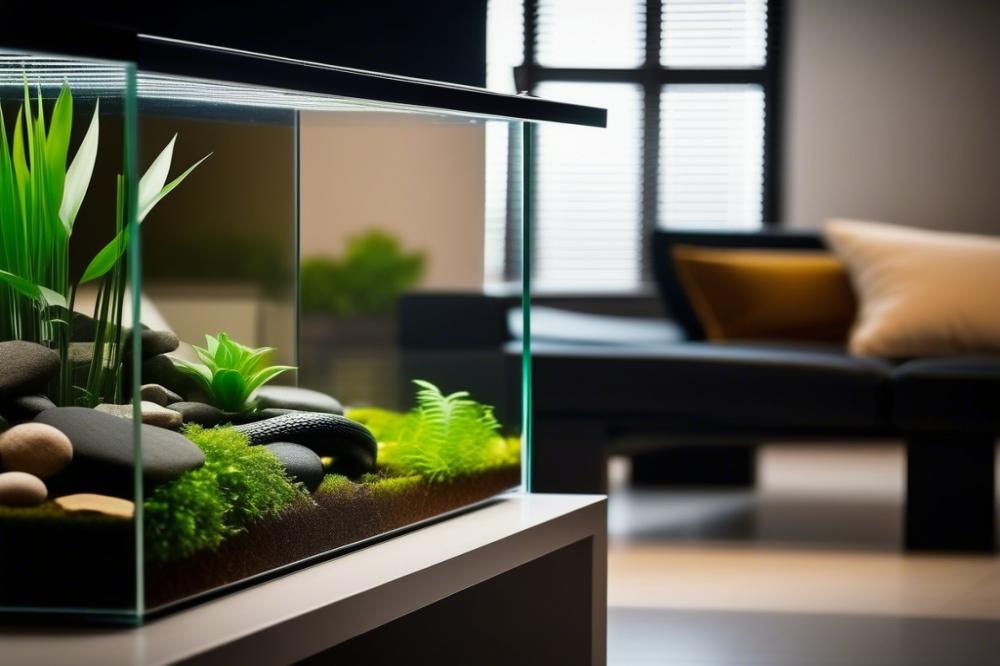
Maintaining Cleanliness and Hygiene in Your Snake’s Habitat
Keeping a clean habitat is essential for the health and well-being of pet snakes. Clean surroundings not only enhance the comfort of these fascinating creatures but also play a crucial role in preventing diseases. Snakes thrive in environments that mimic their natural habitats; thus, proper care and regular maintenance are vital.
Several factors contribute to maintaining a clean environment for your snake. substrate maintenance is a primary concern. Regularly changing or cleaning the bedding material can help control odors and provide a comfortable surface for your pet. Additionally, humidity control is required to create the right atmosphere; snakes need specific humidity levels to regulate their body temperature and shed skin properly.
Feeding practices are another essential aspect of snake hygiene. Be mindful of how much you feed and avoid leaving uneaten food in the habitat. Leftovers can attract pests and contribute to a dirty environment. Waste removal should be a daily task. Clean up feces and urates immediately to keep the habitat and your snake healthy.
Tank disinfection should occur regularly to eliminate harmful bacteria and pathogens. Use safe cleaning products specifically designed for reptile habitats. Water quality cannot be overlooked, as clean water is vital for hydration. Change the water daily to prevent contamination and encourage drinking.
Environmental enrichment is also important for your snake’s mental and physical well-being. Providing hiding spots, climbing opportunities, and textured surfaces keeps your pet engaged while maintaining cleanliness. Proper habitat setup can reduce stress and promote a more enjoyable living environment. Each of these factors plays a significant role in the overall snake habitat cleanliness.
Making a consistent effort to maintain cleanliness will enhance your snake’s quality of life. By focusing on these key areas, you will contribute to their health and happiness. Ultimately, your pet will thrive in an environment that is clean, safe, and stimulating.
Understanding snake habitat cleanliness
Maintaining a clean environment for your snake is crucial. This refers to the state of the habitat where your pet lives. A tidy enclosure contributes significantly to the well-being of your snake. Poor conditions can lead to various problems, both physical and behavioral.
Common contaminants in a snake’s habitat include feces, uneaten food, and shed skin. These can build up quickly if not regularly managed. Feces carry bacteria that could harm your snake. Uneaten food can rot, creating toxins that are dangerous. Shedding skin can harbor mites or other pests if left unremoved.
The impact of hygiene on snake health cannot be overstated. Regular waste removal keeps bacteria in check. It also helps maintain proper humidity levels, which is vital for many snake species. A clean environment promotes better feeding habits and reduces stress.
Water quality is another important factor. Snakes need fresh water for drinking and soaking. Stale or contaminated water can lead to illness. Regularly change the water to keep it clean and safe. This simple practice goes a long way in supporting their health.
Humidity control plays a part as well. Too much moisture can lead to mold or bacterial growth. Conversely, too little can cause shedding issues. Monitoring the humidity will help avoid these problems. It’s all about finding a balance that works for your snake’s specific needs.
substrate maintenance is essential also. The type of substrate you use can affect cleanliness. Some materials require more frequent changing than others. Regularly check for damp spots or waste accumulation. A clean substrate allows for better odor control.
Tank disinfection should be part of your cleaning routine too. Use appropriate cleaners that won’t harm your snake. This process helps eliminate residual pathogens. Cleaning the tank also makes it a more pleasant place for your pet to live.
Environmental enrichment is important in a clean habitat. Snakes are naturally curious creatures. Providing hiding spots and climbing structures keeps them active. Clean environments facilitate this enrichment, allowing snakes to explore safely.
Ultimately, your efforts in maintaining cleanliness will pay off. Improved snake health and behavior are key benefits. A clean habitat reduces stress and encourages natural behaviors. Prioritizing hygiene leads to a happier, healthier snake.
Substrate Maintenance
Choosing the right substrate is crucial for the well-being of your snake. Various types of substrates can affect humidity control and odor management in the habitat. Popular options include aspen shavings, coconut fiber, and reptile carpet.
Regular substrate cleaning and replacement are essential tasks. Spot cleaning should happen frequently. Remove any waste or uneaten food to promote a hygienic environment. If you see signs of mold or a strong smell, it’s time for a complete substrate swap.
Different substrates come with their own maintenance needs. Aspen shavings need to be changed more often, while coconut fiber retains moisture better but may also harbor mold. Be mindful of your snake’s behavior; if it shows excessive burrowing, it might prefer a deeper layer of substrate.
Feeding Practices and Waste Removal
Proper feeding practices play a role in cleanliness. Always feed your snake in a separate enclosure if possible. This prevents food residue from mixing with the substrate. After feeding, check for leftover food items. They should be discarded immediately.
When it comes to waste removal, consistency is vital. Inspect the habitat daily for droppings or urates. Use gloves to prevent the spread of bacteria. Regular cleaning helps maintain a healthy environment and reduces stress for the snake.
Tank Disinfection and Water Quality
Tank disinfection must be carried out regularly to eliminate harmful bacteria. Use a mild bleach solution or a reptile-safe disinfectant. After cleaning, rinse thoroughly to remove any traces of chemicals. Allow everything to dry completely before placing the substrate back.
Water quality directly impacts the overall health of your snake. Changing the water frequently prevents the buildup of contaminants. This also helps with odor control, which is important in maintaining a comfortable living space.
Environmental Enrichment and Snake Health
Providing environmental enrichment is another way to improve the snake’s habitat. Adding hiding spots or climbing structures encourages natural behaviors. This not only helps reduce stress but also promotes active exploration.
Keep in mind that maintaining cleanliness in your snake’s habitat contributes to its health. A dirty environment can lead to health issues. Thus, regular maintenance is not a task to overlook.
Humidity Control
Humidity levels play a crucial role in the health of your snake. Too much moisture can lead to problems like mold, while low humidity can cause dehydration. Maintaining the right humidity ensures your snake feels comfortable and secure in its habitat. This, in turn, contributes to overall snake health.
Monitoring humidity can be done using a simple hygrometer. This device measure humidity levels accurately. Place it in the enclosure to track changes. Check the reading frequently, especially after feeding practices or cleaning. After all, habitat setup directly affects moisture levels.
Methods for maintaining proper humidity include misting the enclosure and using a water bowl that is large enough. Adding a substrate that retains moisture, like coconut fiber, can also help. Make sure to avoid substrates that become overly damp, which can lead to problems.
Preventing mold and mildew is essential. Regular waste removal is necessary to keep things clean. After feeding, make sure to clear uneaten food right away. Tank disinfection should be a part of your routine. Wipe down the surfaces with a safe cleaning solution to remove any harmful bacteria.
Water quality is another factor in humidity control. Change the water regularly to avoid stagnation, which can lead to unwanted growth. Environmental enrichment, such as adding live plants, can help maintain moisture and enhance your snake’s habitat. Be cautious, however, to choose safe plants that won’t harm your pet.
Odor control is vital too. A clean habitat ensures that you and your snake have a pleasant environment. By managing humidity levels effectively, you can limit odors and maintain a welcoming space. Remember to check for signs of excessive moisture, as they can indicate issues like mold growth.
Creating a well-balanced habitat setup requires effort and attention. Keeping humidity at the right level is just one part of snake care. Each component contributes to a healthy and thriving habitat for your snake. Providing the right conditions will help your pet stay happy and healthy.
Feeding Practices
Feeding a snake involves more than just offering food. Maintaining cleanliness in the habitat starts with smart feeding practices. Choose feeding locations that are easy to clean. A designated area prevents food from scattering across the enclosure, which can help limit waste.
Creating a routine is essential. Regular feeding schedules promote snake health and help the owner track the animal’s appetite. Snakes thrive on consistency. It makes managing waste removal easier and ensures the enclosure remains tidy.
Overfeeding should be avoided. A snake does not need large quantities of food to be healthy. Instead, provide appropriately sized prey. Overfeeding can lead to health issues, and uneaten food can quickly decay, causing odors and attracting pests.
Water quality deserves attention as well. Refresh the water bowl regularly to avoid bacteria buildup. Clean water is vital for hydration and helps maintain the overall hygiene of the habitat.
Consider substrate maintenance as part of your feeding practices. Keeping the substrate dry and clean reduces the chance of odors and bacteria. Additionally, it creates a more comfortable environment for your snake.
Don’t overlook environmental enrichment. Incorporating enrichment into the habitat can distract snakes during feeding time. When they focus on exploring, they may consume their food without creating a mess.
Tank disinfection is another crucial aspect. After feeding, ensure the area is clean. If any food is left uneaten, remove it promptly to prevent it from contaminating the habitat.
Thoughtful feeding practices not only benefit your snake but also contribute to effective odor control. A well-managed feeding routine results in a cleaner environment and greater peace of mind for the owner. Pay attention to these methods, and your snake will thrive in its habitat.
Waste Removal
Effective waste removal is crucial for maintaining a healthy environment for your snake. Regular cleaning helps prevent odor and disease. Spot cleaning should be part of your routine. Keeping an eye out for waste will make this easier.
Consider using a few essential tools. A small scoop or tongs works well for removing solid waste. Disposable gloves are also a good idea to keep your hands clean. For stubborn messes, a damp paper towel can help. Make sure to set aside a designated area with these tools for quick access.
Frequency of waste removal depends on the size of your snake and habitat. For most snakes, checking daily is recommended. If you notice a smell or see waste accumulating, it’s time to clean more thoroughly. Substrate maintenance is also vital during this process.
Tank disinfection should happen occasionally, ideally every month. Use a reptile-safe disinfectant to prevent harmful bacteria. A thorough clean ensures the environment remains healthy. After disinfection, rinse well to avoid residue. Proper water quality is equally important; change the water regularly to prevent contamination.
Monitoring humidity control is part of waste management, too. High humidity can create an unhealthy atmosphere if waste isn’t removed. Be aware of feeding practices, as uneaten food can contribute to waste problems. Also, look for signs of your snake’s health; lethargy may indicate an issue with cleanliness.
Lastly, odor control is paramount. An unclean habitat promotes unpleasant smells. Regularly check for waste buildup and clean as necessary. Together, these strategies will contribute to a better living environment for your snake. Environmental enrichment is another factor to keep in mind. Clean habitats provide better stimulation for your pet.
Tank Disinfection
Regular tank disinfection is critical for maintaining a healthy environment for your snake. It helps reduce the risk of bacterial infections, parasites, and other illnesses that can arise from a dirty habitat. Start by removing all decorative items, food dishes, and the snake. Place your snake in a secure and comfortable container while you clean. This temporary move is essential for their safety.
Next, focus on waste removal. Clean up any leftover food or feces. These waste products can harbor harmful bacteria if left unattended. After this, it’s time to address the substrate maintenance. Remove the old substrate and replace it if necessary. If using non-organic materials, wash them thoroughly.
For tank disinfection, use a suitable cleaning solution. Commercial reptile disinfectants are available and very effective. Alternatively, a mixture of bleach and water works well. However, be cautious; use a ratio of one part bleach to ten parts water. Rinse thoroughly after applying any solution. Always let the tank dry completely before replacing anything inside.
Water quality is another important factor. Regularly clean the water dish with warm, soapy water. Rinse it thoroughly to prevent soap residues that could harm your snake. Maintaining proper humidity levels is also vital. Each species has specific humidity requirements that should be monitored closely to ensure snake health.
After completing these steps, consider improving habitat setup. Adding environmental enrichment helps keep your snake active and reduces stress. Items like branches or hides provide both comfort and stimulation. Proper feeding practices also contribute to a healthy tank. Ensure you remove uneaten food promptly to prevent decay.
Odor control can be achieved through routine disinfection. An unpleasant smell often suggests underlying hygiene issues. Thus, developing a consistent cleaning schedule is important. Weekly disinfecting is ideal, but bi-weekly may suffice for some setups. Knowing when to clean is part of responsible snake care. Be observant and respond to any changes in the tank.
Water Quality
Clean water is vital for the health of your snake. Snakes drink regularly, and stagnant or dirty water can lead to health issues. For your pet, always provide fresh water. Use a sturdy bowl that won’t tip over easily. The size should suit the species of your snake, allowing it to soak comfortably if needed.
Regularly change the water in the bowl. This might mean once every few days, depending on how messy your snake is. Clean the bowl with hot, soapy water each time you refill it. Rinse thoroughly to remove all soap residue. Germs thrive in unclean conditions, so this practice is key to waste removal.
Water quality directly impacts snake health. Contaminated water can lead to infections and stress. Bacteria can flourish if you neglect to clean the bowl. A snake suffering from poor water quality often exhibits lethargy or loss of appetite.
Humidity control is another aspect of habitat maintenance. Water bowls can help regulate the humidity in the enclosure. However, balance is necessary. Too much humidity can cause other problems like mold. Monitor your snake’s environment closely.
During feeding practices, be cautious. Sometimes uneaten food can pollute the water. Remove any leftover food before it spoils. This will aid in odor control too. A clean habitat setup is essential for your pet’s overall well-being.
Tank disinfection can be another consideration. You may want to disinfect the water bowl weekly, alongside regular cleaning. Use a mild solution designed for pet habitats. Always rinse afterward. Not doing so can leave harmful residues. Remember, even the best environmental enrichment efforts can be undermined by poor water quality.
Environmental Enrichment
Creating an engaging habitat for your snake is essential for its overall well-being. Environmental enrichment plays a vital role in maintaining cleanliness while promoting natural behaviors. Snakes, like all animals, benefit from stimulation that mimics their natural environment.
One effective way to provide enrichment is through the use of various substrates. Different textures can encourage exploration. Consider materials like coconut fiber or aspen shavings. Regular substrate maintenance is critical to minimizing waste buildup. Frequent changes can keep odors under control and promote a healthier living space.
Humidity control is also important. Snakes require proper moisture levels for skin shedding and overall snake health. Including plants or damp moss can create a more humid microenvironment. However, ensure you monitor these additions to prevent mold growth, which can lead to unsanitary conditions.
Feeding practices should also reflect natural behavior. Using feeding devices or hiding food can stimulate hunting instincts, which reduces stress. Proper waste removal after feeding is important too. Promptly pick up uneaten food to avoid attracting pests and maintain a cleaner habitat.
After waste removal, consider regular tank disinfection. Cleaning the enclosure using an appropriate solution helps eliminate bacteria. This step is crucial for keeping your snake healthy and the environment safe. Always rinse thoroughly to avoid chemical residues that can harm your snake.
Water quality is another consideration. Fresh, clean water should be available at all times. Replacing water frequently prevents algae buildup and odors. A secure water bowl that’s easy to clean is ideal.
Incorporating environmental enrichment such as rocks, branches, and hiding spots can encourage climbing and burrowing. These setups allow snakes to feel secure and exhibit natural behaviors. Such additions can transform the habitat into a more interesting space, enhancing your snake’s quality of life.
Ultimately, a well-maintained habitat contributes to better snake health. When the environment is engaging, it encourages activity and exploration. This reduces stress and improves overall well-being. Regular attention to these details helps keep your snake happy while can also promote habitat cleanliness.
Odor Control
Identifying the sources of odor in a snake habitat is the first step toward effective management. Waste removal is crucial. When snakes defecate, waste can quickly cause unpleasant smells. Uneaten food also contributes to odor issues. Any leftover leftovers need to be taken out promptly. Substrate maintenance plays a significant role as well. If the substrate becomes too soiled, it can develop a strong odor.
Methods to control and eliminate odors vary. Regular cleaning of the habitat setup is essential. This includes removing waste and changing soiled substrate on a weekly basis. Tank disinfection should happen every month to keep bacteria at bay. Use a safe disinfectant designed for reptiles to avoid harming your pet. Maintaining water quality is another important factor. Change the water regularly and clean the water bowl to minimize bad smells.
Humidity control is key for both snake health and odor management. Excess moisture can lead to mold growth, which may emit unpleasant odors. Monitor the humidity levels carefully. Environmental enrichment also plays a role in reducing stress, which can lead to odor issues. A stressed snake may not eat properly, leading to waste problems.
Feeding practices should also be considered. Offer appropriate portions to avoid excess food rotting in the tank. Keeping a fresh environment is crucial for both your snake and your satisfaction. Regular checks will help you stay ahead of any foul odors. A well-maintained habitat promotes a healthy snake and a pleasant living space for you. Addressing these aspects will lead to a more enjoyable experience for everyone involved.
Final Thoughts on Snake Habitat Hygiene
Maintaining cleanliness in your snake’s habitat is essential for its overall health. A clean environment prevents disease and creates a more comfortable space for your reptile. Regularly check for waste and old food remnants, as these can lead to harmful bacteria. Also, remember to change the substrate, as this is crucial for proper substrate maintenance.
Along with waste removal, humidity control is vital. Snakes need the right amount of moisture in their environment. Too much or too little can cause health issues. Keeping an eye on humidity levels helps ensure your snake remains healthy and active. It creates a habitat that mimics their natural environment, which is important for their well-being.
Regular cleaning should be part of your routine. A deep clean every few weeks can make a big difference. Remove all accessories and decorations when doing so. This is a good opportunity to inspect everything for any signs of illness or unwanted pests. Keep in mind that some items may need special care during the process.
Lastly, remember that a snake relies on you for its care. The effort you put into maintaining a hygienic habitat significantly impacts its quality of life. With diligence and attention, you can create a clean, healthy home for your serpent friend. Your commitment to cleanliness not only fosters health but also enriches the bond you share with your pet.

