
Introduction
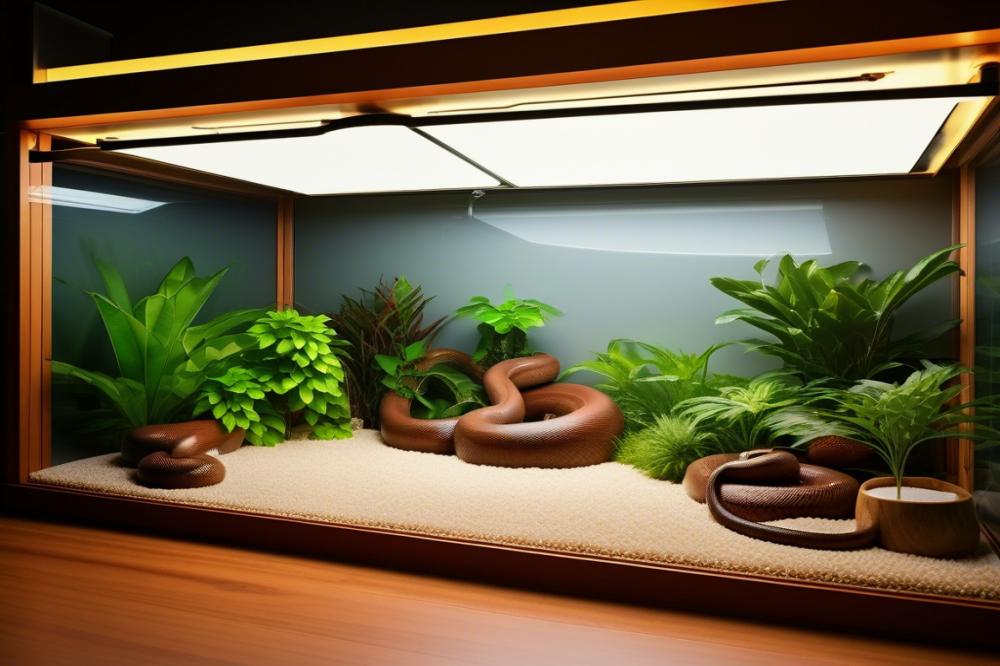
Creating a suitable environment for snakes involves more than simply providing food and shelter. Proper heating and lighting play critical roles in the health and well-being of these fascinating reptiles. Without the right temperature gradient and humidity levels, a snake may struggle to thrive. Each species has specific requirements, and understanding these is vital for effective snake care.
Temperature regulation is essential for reptiles like snakes. They are ectothermic, meaning they rely on external temperatures to control their body heat. If their habitat is too cold, digestion can be impaired, leading to health issues. Likewise, excessive heat can cause stress and even death. A balanced vivarium setup featuring both warm and cooler areas allows for effective thermal regulation.
Lighting also significantly impacts snake health. Some species require UVB lighting to synthesize vitamin D3, which aids in calcium absorption. Without appropriate light sources, metabolic bone disease could develop, causing severe complications. Additionally, providing a designated basking area helps snakes absorb necessary warmth and encourages natural behaviors.
Throughout this article, we will explore the importance of heating and lighting in depth. You will learn how these fundamental factors contribute to the overall health of snakes, as well as tips for maintaining an optimal environment. Understanding environmental factors can lead to better habitat maintenance and happier, healthier reptiles.
Understanding snake habitats

Snakes inhabit various environments, each with distinct characteristics. They can be found in deserts, forests, grasslands, and wetlands. Each habitat offers unique environmental factors that affect the snakes living there. Temperature, humidity, and light are vital components of their natural surroundings. A desert snake might thrive in extreme heat, while forest dwellers prefer more moderate conditions.
The Significance of temperature gradient
A temperature gradient is essential for thermal regulation in snakes. In nature, they often seek sunlit areas for warmth. Basking areas allow them to absorb heat, enabling their body functions to operate efficiently. Without a proper range of temperatures, a snake may struggle to digest food or move effectively. Providing a gradient in a vivarium setup mimics the outdoors. This balance helps in snake care and promotes healthy behaviors.
How humidity levels Impact Snake Health and Behavior
Humidity levels play a crucial role in the overall health of snakes. Different species have varying requirements; some thrive in moist conditions, while others prefer dry environments. Maintaining appropriate humidity helps with proper shedding. Too little moisture can lead to incomplete molts, causing stress and health issues. On the other hand, excessive humidity can encourage the growth of mold and bacteria, leading to respiratory problems. Monitoring and adjusting humidity in a habitat is part of effective habitat maintenance. Additionally, UVB lighting is important for some species as it assists in vitamin D synthesis, crucial for their health.
Thermal Regulation in Snake Care

Thermal regulation is crucial for reptiles, including snakes. Unlike mammals, reptiles rely on their environment to control their body temperature. Many snakes cannot create heat internally, which means that maintaining the right temperature is vital for their health. When temperatures are too low, snakes can become sluggish and inactive. Conversely, excessive heat can lead to stress or even death.
Creating appropriate temperature zones in a vivarium setup is essential. A well-designed habitat provides a gradient of temperatures. This allows snakes to choose their preferred heat level. One end should have a basking area with higher temperatures, while the opposite end should remain cooler. Over time, this temperature gradient helps snakes thermoregulate effectively according to their needs.
The basking area should offer warmth, typically ranging from 88°F to 95°F (31°C to 35°C). This allows the snake to absorb enough heat to remain active. The cooler side of the habitat should stay around 75°F to 80°F (24°C to 27°C). This range allows snakes to move comfortably between heat and cool zones, aiding in thermal regulation.
Monitoring devices play a significant role in maintaining these temperature levels. Thermometers and digital temperature gauges help track environmental factors inside the vivarium. A high-quality thermometer can also assist in ensuring the basking area provides adequate warmth. Moreover, many snake owners find that infrared temperature guns can give quick readings of surface temperatures in the habitat.
Humidity levels are another critical element of snake care. Depending on the species, snakes may require specific humidity ranges. Maintaining the right humidity helps with shedding, hydration, and overall well-being. An environment that is too dry can lead to complications in shedding and respiratory issues.
Adding UVB lighting can also enhance the habitat. While not all snake species need UVB, certain types benefit from it. When providing this light, ensure that it is installed correctly and positioned at a safe distance. This promotes proper metabolic functions and supports the snake’s overall health.
Basking Areas and Their Role

Importance of a Basking Area in a snake habitat
A basking area is crucial for a snake’s wellbeing. Snakes rely on heat from their environment to regulate their body temperature. It plays a vital role in their thermal regulation process. Without a suitable basking spot, snakes can struggle with digestion and overall health. The right temperature gradient makes it easier for them to warm up. A basking site provides a safe place for snakes to absorb necessary UVB lighting. Such lighting is important for their vitamin D synthesis, which supports bone health.
How to Set Up an Effective Basking Area
Creating an effective basking area requires thoughtful planning. The basking spot should be located on one side of the vivarium setup. This allows for a cooler side where the snake can retreat if it becomes too warm. Use a heat source like a basking lamp to create warmth. Position the lamp so it provides a concentrated area of heat. Make sure the temperature in the basking area reaches the ideal range for your specific species. Also, remember to monitor the humidity levels. This balance is important for snake care and ensuring a comfortable environment.
Selecting Appropriate Materials and Locations for Basking Spots
Choosing the right materials can make all the difference. Natural items like rocks or logs can create an appealing basking surface. These materials also blend seamlessly into the habitat. Place them near the heat source to maximize warmth. The height of the basking area matters too. Snakes enjoy climbing, so a raised platform can entice them. However, avoid sharp objects that might lead to injuries. Regular habitat maintenance should include checking these areas for cleanliness. Keeping the basking spot tidy contributes to the overall health of your pet. By understanding these environmental factors, you can foster an inviting atmosphere for your snake.
Lighting Considerations: UVB Lighting
UVB lighting plays a vital role in the maintenance of snake habitats. This type of light is essential for the health of reptiles, as it helps them synthesize vitamin D3. Without sufficient exposure to UVB, snakes can suffer from metabolic bone disease. Each species has specific requirements, making it important to research individual needs for proper snake care.
Effects of UVB on reptile health are significant. It influences calcium absorption, which is critical for strong bones and overall vitality. Snakes receive UVB through sunlight in their natural environment, but in captivity, it must be replicated. This environmental factor must not be overlooked. A well-designed vivarium setup will incorporate adequate UVB lighting to mimic exposure seen in the wild.
When choosing UVB lights, consider the type of bulb. Various options include fluorescent tubes and compact bulbs. Ensure that you select a bulb that emits appropriate UVB wavelengths. The basking area should be close to the light source, providing a warm spot for snakes to absorb beneficial rays. Measure distances accurately, as too much space can diminish UVB effectiveness.
Positioning UVB lights correctly is crucial for optimal results. Fixtures should be mounted securely to avoid them falling or being knocked over. Regularly monitor the strength of the UVB over time; bulbs lose intensity as they age. Keeping humidity levels in check within the habitat further aids in maintaining snake health. A good temperature gradient helps them regulate body heat, which is another critical aspect of habitat maintenance.
Monitoring your snake’s behavior can also provide insights. If they spend too much time in the shade, it might be a sign they need more exposure to UVB. Each reptile species reacts differently, so attentiveness is key. Make adjustments as needed to foster a thriving environment for your snake.
Maintaining the Ideal Snake Habitat
Best Practices for Maintaining Temperature and Humidity Levels
Creating a comfortable environment for your snake is crucial. Start by establishing a temperature gradient within the vivarium setup. One side should be warmer, providing a basking area where the snake can absorb heat. This radiant spot will aid in thermal regulation. The cooler side is equally important, allowing the snake to escape high heat when necessary.
Humidity levels must also be monitored closely. A common range is between 40% and 60%, but this can vary depending on the species. Use a hygrometer to measure moisture levels regularly. Adding water bowls or misting can help keep humidity within desired parameters. Pay attention to how your snake behaves. Changes in activity or shedding can indicate issues with the environment.
Tools and Techniques for Habitat Maintenance Over Time
Several tools can assist in maintaining your snake’s habitat. Thermometers will help track temperature differences across the gradient. Stick-on or digital options are both effective. Maintaining the right levels requires more than just measurement, though. Regular cleaning of the enclosure is essential. Clean the substrate and decor to prevent bacteria and mold growth.
Integration of UVB lighting can also enhance snake care. It supports reptile health by stimulating vitamin D3 production, which is vital for calcium absorption. Make sure to replace UVB bulbs regularly, as their effectiveness diminishes over time. Using timers for these lights can automate exposure, providing consistency in the habitat.
Monitoring and Adjusting Environmental Factors for Long-Term Health
Observation plays a key role in habitat maintenance. Regularly check for any signs of stress in your snake. Signs can include lethargy, lack of appetite, or unusual behavior. These indicators may suggest imbalances in environmental factors. If humidity levels drop too low, adjust the misting schedule. Increasing or decreasing temperature can help if the snake shows signs of discomfort.
Remember to adjust your habitat as seasons change. Winter may require additional heating, while summer could mean checking that it does not get too hot. Regular maintenance of the vivarium setup leads to happier, healthier snakes. As you develop a routine, it will become easier to create a welcoming habitat for your scaled companion.
Wrapping Up the Essentials
Recapping the key points discussed in this article highlights how crucial heating and lighting are for your snake’s environment. Proper temperature settings play a vital role in your pet’s overall health. A temperature gradient in the habitat allows snakes to regulate their body temperature, promoting essential behaviors like feeding and shedding.
Lighting should not be overlooked either. Appropriate light exposure helps mimic a natural habitat and can influence the snake’s activity levels and mood. Always remember that different species have unique requirements regarding both heating and lighting. Understanding these distinctions can make all the difference in your snake’s well-being.
Final thoughts center around the importance of informed habitat management. Taking time to set up the right conditions can lead to a healthier and happier pet. Monitoring humidity levels is just as important as checking temperature. These factors contribute significantly to the natural behaviors and health of your snake.
Encouraging responsible snake care means being proactive. By focusing on proper heating and lighting, you create an environment where your snake can thrive. Invest in the right equipment and stay informed. Your pet will appreciate it, and you’ll enjoy watching it flourish. Take these insights, and provide the best home for your slithery companion.

