
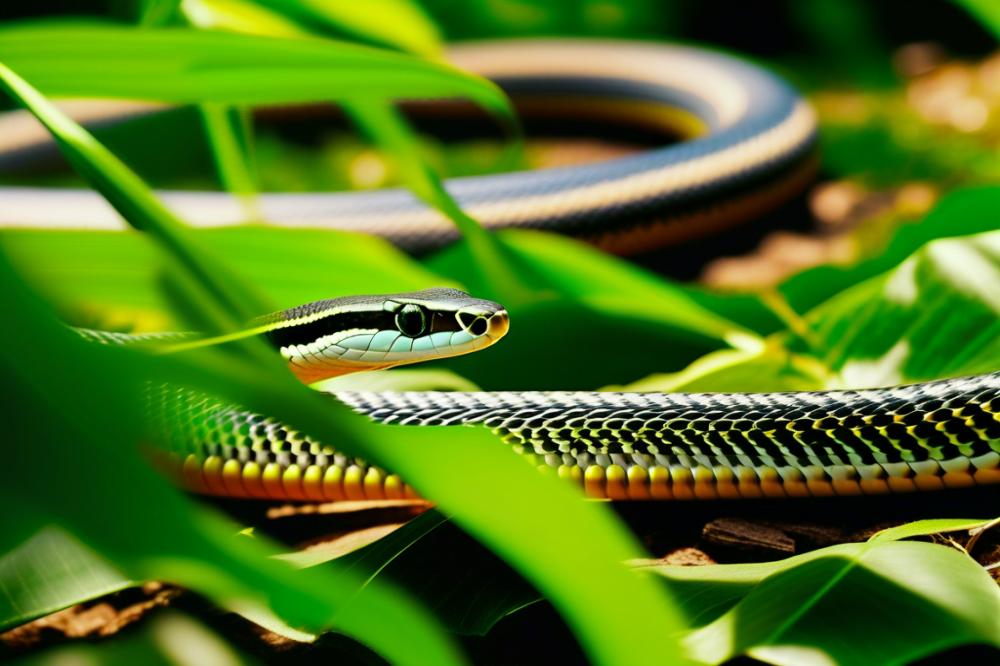
The Role of snakes in Controlling agricultural pests
Various species of reptiles contribute significantly to ecological systems, with implications that reach into agriculture. Their existence aids in maintaining ecosystem balance, a critical factor for sustaining biodiversity. Many animals help regulate populations of small mammals, birds, and insects. Understanding this role is pivotal when considering pest control strategies in farming.
The importance of pest control in agriculture cannot be overstated. agricultural pests can severely impact crop yields, leading to economic losses for farmers. Effective management of these pests is essential for food security and sustainable farming practices. Farmers often rely on chemical methods, but these can have detrimental effects on the environment.
Natural pest management offers an alternative. Enhancing the habitat for certain wildlife can lead to healthier ecosystems and reduced reliance on pesticides. The ecological role of certain predators can provide substantial agricultural benefits. For example, a predator’s diet often includes rodents, which are known to damage crops. By controlling the rodent population, these animals can naturally help farmers avoid significant losses.
Integrating wildlife conservation into agricultural practices promotes a healthier agroecosystem. Biodiversity acts as a form of resilience against pests and diseases. Employing natural solutions requires understanding the intricate relationships between various species and the environment. In this context, incorporating snakes into farming landscapes may present opportunities for more sustainable pest management.
The Ecological Role of Snakes

Understanding the position of these creatures within the food chain is vital. These reptiles serve as both predators and prey. They primarily feed on small mammals, birds, and various pests. This dietary habit positions them as natural pest controllers in many ecosystems. By consuming rodents, they help regulate their populations, which is essential for maintaining a balance in agricultural settings.
How Snakes Contribute to ecosystem balance
Every species has its role in supporting biodiversity. The presence of these reptiles aids in regulating the populations of their prey. When rodent numbers are kept in check, the damage to crops diminishes significantly. Consequently, this contributes to more sustainable farming practices. Moreover, as they prey on smaller animals, they prevent this population from overwhelming the ecosystem.
Impact of Snake Populations on Rodent and Pest Populations
Fluctuations in snake populations can lead to significant changes in the dynamics of rodent numbers. For instance, a decline in their numbers often results in an uptick in rodent populations. Such increases can subsequently lead to severe pest problems for farmers. This is where the relationship between wildlife conservation and agricultural benefits becomes apparent. Maintaining healthy populations of these predators can thus foster an environment where natural pest management thrives.
Snakes’ Diet and Its Importance for Pest Control

The primary prey of many snakes in agricultural environments consists largely of rodents. Mice and rats often thrive in fields where crops provide not only shelter but also a significant food source. In large populations, these rodents can become problematic, feeding on seeds, plants, and stored grains. Effective predation by snakes helps keep rodent numbers in check, which in turn protects crops. This dynamic illustrates a fundamental aspect of natural pest management.
A strong link exists between rodent population control and numerous agricultural benefits. When snakes are present in significant numbers, they contribute to lower populations of these pests. Farmers can thus experience increased yields as the damage caused by rodents diminishes. Reduced crop loss correlates with financial benefits, providing a clear incentive for sustainable farming practices. This synergy between wildlife and agriculture enhances ecosystem balance and promotes biodiversity within farm systems.
The dietary habits of these reptiles significantly influence pest management strategies. Integrating natural pest control methods often leads to more resilient agricultural ecosystems. Utilizing snakes in pest management encourages a reliance on biological control rather than chemical interventions. This approach not only supports wildlife conservation but also maintains ecological roles that many species play in their environments. A diverse range of predators can minimize the need for synthetic pesticides, fostering a sustainable agricultural landscape.
Biodiversity and Wildlife Conservation

Role of Snakes in Maintaining Biodiversity
Pest control is a critical component of ecological health. Predators play an essential role in regulating populations of various species. By preying upon rodents and other pests, these creatures help maintain a balanced ecosystem. Their dietary habits directly influence the abundance of these small mammals. A stable population of rodents can prevent the overconsumption of crops. This natural regulation promotes biodiversity and a more robust agricultural environment.
Importance of Snake Conservation for Sustainable Farming
Conserving these reptiles is paramount for sustainable farming practices. Farmers often rely on natural pest management methods, which reduce dependency on chemical pesticides. Healthy populations contribute to the control of the rodent population, thus minimizing crop damage. Without these predators, farming becomes more challenging. The loss of such important species may lead to an imbalance that can affect yields and biodiversity. Communities can thrive alongside agriculture when wildlife conservation is prioritized.
Insights into Snake Species Diversity and Their Habitats
Various species inhabit diverse ecosystems, each serving a unique ecological role. These habitats range from forests to grasslands, showcasing the adaptability of these animals. Understanding this diversity aids in better conservation strategies. Each type of predator has specific preferences, influencing their effectiveness in pest control. Habitats rich in species typically have healthier ecosystems. Conservation efforts must focus on preserving these environments, as they impact farming and ecological health significantly.
Sustainable Farming and Natural Pest Management
Integration of Snakes in Pest Management Practices
Natural pest management relies on various organisms to maintain ecological balance. Integrating these reptiles into agricultural systems can provide effective rodent control. Their diet primarily consists of small mammals, particularly rodents. Farmers often overlook the role these creatures play. By allowing habitats for such wildlife, crop fields can become resilient ecosystems. The presence of these reptiles can naturally regulate rodent populations. This space not only benefits crops, but it also encourages a diverse range of wildlife.
Benefits of Natural Pest Management Over Chemical Alternatives
Shifting away from chemical interventions promotes healthier agricultural practices. Pest control through natural means reduces chemical buildup in the soil, which benefits crop yields. By embracing this approach, sustainable farming leads to fewer health risks for farmworkers and consumers alike. Moreover, it preserves biodiversity within the agricultural environment. Chemical pesticides can disrupt the ecosystem balance, whereas natural pest management maintains it. Crop diversity thrives alongside a lower impact on the environment when relying on wildlife for pest control.
Case Studies Highlighting Successful Coexistence of Snakes and Agriculture
A notable case involves a farm in central California where natural pest management was implemented successfully. The owner collaborated with wildlife conservation organizations, creating a habitat for reptiles on their property. As a result, the rodent population declined significantly, leading to healthier crops and increased yields. Another study in India revealed that farms which retained natural wildlife flourished. Farmers noticed fewer pest outbreaks and improved biodiversity as snakes maintained the ecological role of pest control. These examples illustrate the immense agricultural benefits of allowing various forms of wildlife to thrive in farm landscapes. Such coexistence not only protects farmers’ interests but also contributes positively to the environment.
Challenges and Threats to Snake Populations
Habitat Loss and Its Impact on Snake Species
Agricultural expansion poses a significant threat to many reptile species. Deforestation, urban development, and land conversion for farming disrupt their natural habitats. As a result, the delicate balance of ecosystems is often compromised. Loss of shelter and food sources can severely impact the dietary habits of these reptiles. In agricultural settings, they play a vital role in controlling the rodent population, a key pest that can damage crops. Disruption of their habitats can lead to population declines and ultimately threaten their survival.
Human Attitudes Towards Snakes and Their Conservation
Fear and misunderstanding often shape human perspectives on these creatures. Common misconceptions portray them as dangerous, leading to unwarranted killings. This negative outlook hinders efforts aimed at wildlife conservation. Education is crucial in fostering a more positive attitude towards these beneficial species. Their ecological role in natural pest management is often overlooked. By acknowledging their contribution to maintaining biodiversity, communities can foster more supportive environments.
Strategies for Protecting Snake Populations
Implementing sustainable farming practices can significantly benefit reptile species. Conservation programs focusing on habitat restoration are essential for promoting biodiversity. Establishing protected areas allows these creatures to thrive without the pressure of urban encroachment. Educating farmers about the advantages of natural pest management is equally important. By integrating snakes into pest control strategies, agricultural benefits can flow through healthier ecosystems. Collaborative efforts between urban planners, farmers, and conservationists will ultimately support ecological balance.
Final Thoughts on the Importance of Reptiles in Agriculture
In summary, the significance of these reptiles in agricultural pest control cannot be overstated. They play a vital role in regulating the populations of various pests that threaten crop yields. Understanding their behavior and habits can lead to better strategies for managing agricultural environments. Several studies have highlighted the positive impact that these creatures have on maintaining ecosystem balance. Without them, crop plagues could escalate, resulting in decreased food supply and increased reliance on chemical pesticides.
Scientific research plays a crucial role in understanding the ecology of these animals. Ongoing studies help clarify how they interact with their environments and contribute to pest management. Insights gained from such research can guide farmers in adopting practices that favor these natural predators. By fostering an awareness of their ecological significance, we can promote practices that incorporate these species into sustainable farming strategies.
The call to action is clear. Embracing conservation efforts is essential for maintaining healthy agricultural systems. Encouraging biodiversity on farms will help support these creatures and enhance their effectiveness as natural pest controllers. Farmers and agricultural policymakers should work collaboratively to implement strategies that protect habitats and ensure the survival of these important allies. Together, we can create a more sustainable future for agriculture, one that recognizes the invaluable contributions of our natural ecosystem.

