

Introduction
Understanding how snakes traverse their environments presents a fascinating glimpse into animal biomechanics. Their method of slithering, characterized by graceful movement patterns, is not just visually captivating; it offers deeper insights into evolutionary adaptations. By utilizing muscle coordination and flexibility, these reptiles exhibit a variety of locomotion strategies that allow them to navigate diverse terrains.
Studying snake locomotion holds significant importance in biomechanics research. Through examination of kinematics and force dynamics, scientists can uncover fundamental principles governing movement in other animals. The unique interplay of friction and environmental interaction in snake movement reveals a complexity that transcends simple mobility. Such investigations expand the overall understanding of movement across species.
This article aims to explore the biomechanics behind snake movement. Key objectives include dissecting the various locomotion strategies employed by snakes, analyzing the intricacies of muscle coordination, and examining how these reptiles adjust to different habitats. By delving into the mechanics of their locomotion, researchers can glean insights that not only enrich the field of biomechanics but also contribute to broader ecological knowledge.
Understanding snake locomotion
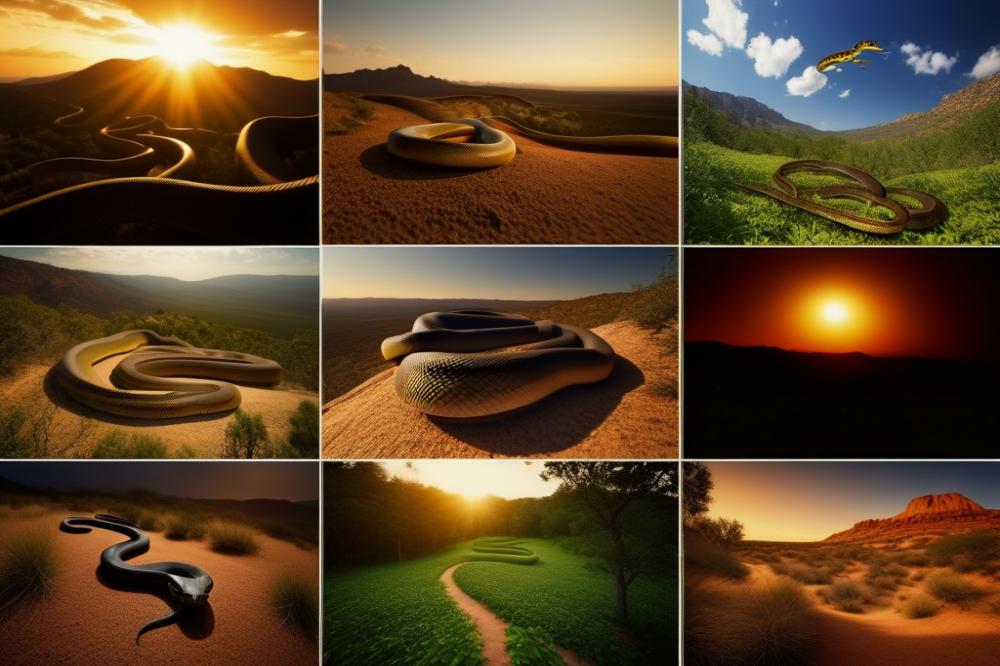
Snake locomotion encompasses the various ways snakes move through their environments. This complex behavior arises from their anatomy and the physical principles that govern movement. Different movement patterns exhibit the remarkable diversity found within this group of reptiles. Among these patterns, slithering, sidewinding, rectilinear, and concertina all play significant roles in how snakes traverse diverse terrains.
Slithering is perhaps the most recognizable form of movement. Muscles work in an elaborate coordination to create lateral undulations along the body. As the snake moves, it pushes against surfaces, exploiting friction to gain traction. This method allows for rapid ground coverage and agility, critical for both hunting and escape.
Sidewinding serves a different purpose. Employed primarily in sandy environments, this pattern minimizes contact with the hot substrate. By lifting sections of its body off the ground, the snake maintains movement efficiency while reducing the energy cost. The kinematics of sidewinding reveal a fascinating adaptability to environmental interactions, showcasing the snake’s ability to thrive in harsh niches.
Rectilinear movement is characterized by a more straight-line approach. Snakes that utilize this strategy rely on abdominal muscles and specialized scales. This form allows for slow and stealthy travel, ideal for ambush predation. The relationship between muscle coordination and body structure is evident here, as the snake’s morphology supports this particular locomotion strategy.
In contrast, concertina movement involves bending and straightening the body in a series of waves. This method is beneficial in constricted spaces like burrows or tree branches. The effective use of environmental features helps maximize both stability and leverage, making it easier for the snake to navigate through complex habitats.
The role of body shape and structure in these various movement patterns cannot be overstated. Each species has evolved anatomical features that enhance its locomotion capabilities. Scientific research into animal biomechanics further elucidates how these adaptations facilitate survival. With alterations in body length, scale size, and muscle distribution, snakes highlight the importance of physics and evolutionary processes in reptile movement.
Biomechanical Principles of Snake Movement

Understanding the fundamentals of animal biomechanics serves as the foundation for exploring how snakes navigate their environments. This field analyzes the physical principles that govern movement in living organisms. Forces such as gravity, friction, and inertia all play critical roles in how reptiles move. Each of these elements contributes to the complex mechanics at work during locomotion.
Kinematics of Snake Locomotion
Kinematics focuses on the analysis of motion without considering the forces that cause it. In the context of snake locomotion, kinematic studies reveal intricate details of speed and flexibility. Researchers have observed a variety of movement patterns, from lateral undulation to concertina motion. These distinct strategies allow snakes to adapt to different terrains, whether slithering through grass or climbing trees. The speeds achieved by some species can be quite impressive, revealing an efficient use of energy during movement.
Muscle Coordination and Its Impact on Movement Efficiency
Muscle coordination plays a significant role in how effectively snakes can move. Different muscle groups work in harmony to create the smooth, fluid movements many people associate with reptile movement. This organization enables snakes to produce powerful contractions, allowing for quick bursts of speed when necessary. Furthermore, the efficiency of movement is enhanced through the optimization of muscle activation patterns. Far from being random, each movement is the result of sophisticated neural control and environmental interaction.
Scientific research continues to uncover the nuanced ways in which these factors combine to affect locomotion strategies. Certain species exhibit adaptations that allow them to efficiently traverse specific environments. By studying how snakes utilize friction with their surroundings, scientists gain insight into their unique adaptations. The interplay of biomechanics and behavioral ecology emerges as a key area of interest in understanding snake locomotion.
Friction and Environmental Interaction
Importance of Friction in Snake Locomotion
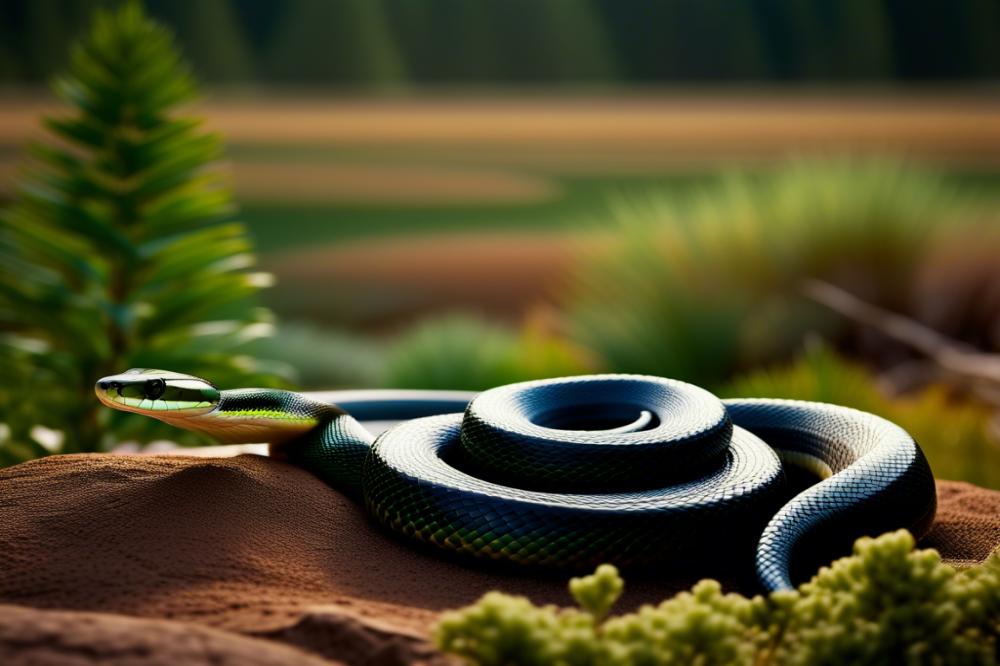
Friction plays a crucial role in how snakes navigate their surroundings. It affects the grip they have on various surfaces. Different textures can either hinder or facilitate movement. Smooth surfaces might not provide enough grip, while rough textures can enhance propulsion. This reliance on friction is an integral component of animal biomechanics. Understanding these dynamics helps researchers grasp the complexities of snake slithering.
Effects of Surfaces and Environments on Movement Strategies
Various surfaces significantly influence reptile movement. For instance, a snake traversing loose sand must adapt its technique. Some strategies prioritize lateral undulation, maximizing contact with the ground to gain traction. Conversely, climbing a tree trunk involves alternating movement patterns to maintain stability. These adjustments illustrate how different ecological settings challenge snakes to refine their locomotion strategies. Scientific research has documented these responses, revealing the nuanced kinematics involved in their motions.
Adaptive Locomotion: Behavioral Adjustments in Varying Habitats
Behavioral modifications allow snakes to thrive in diverse environments. In aquatic settings, for example, they may rely on muscle coordination to create waves that propel them through water. Terrestrial exploration often leads to varied patterns based on substrate composition. In dense vegetation, adjustments may include slower, more calculated movements to avoid entrapment. Observing these changes aids in comprehending how snakes interact with their habitats. Each species exhibits distinct adaptations, showcasing the evolutionary significance of these capabilities.
Scientific Research and Methodologies
Research techniques used in studying snake locomotion encompass a diverse range of approaches. Observational studies in natural settings provide valuable insights into the behavior of snakes in their habitats. Other methods employ laboratory experiments, allowing for controlled environments that can isolate specific variables affecting movement patterns. Advanced imaging and tracking systems enable researchers to gather detailed data on trajectory and speed.
Technological Advancements
Motion capture technology has revolutionized the study of reptile movement. Researchers utilize high-speed cameras to capture precise kinematics of snakes while they slither. Sophisticated modeling techniques simulate muscle coordination and analyze how it impacts their locomotion strategies. Furthermore, computer simulations provide a platform to predict movement outcomes based on varying conditions, such as friction and environmental interaction.
Key Findings from Recent Studies
Recent studies have yielded significant findings in the realm of animal biomechanics. One notable discovery indicates that muscle coordination varies considerably between different species. This diversity in movement is reflective of each species’ ecological niche and hunting strategies. Additionally, researchers identified patterns in how these reptiles adapt their locomotion based on environmental surfaces. Rough terrain presents challenges that influence their movement dynamics.
Another critical aspect emerging from recent research involves the energy efficiency of various locomotion styles. Snakes adapt their movements to minimize energy expenditure while navigating diverse landscapes. Understanding these adaptations not only sheds light on snake biology but also provides broader insights into evolutionary strategies of movement in reptiles.
Applications and Implications of Research
Studies on slithering reveal valuable insights for robotics and engineering. Various movement patterns observed in snakes can inspire the design of agile robots. By mimicking the efficient locomotion strategies of these reptiles, engineers can enhance robotic mobility in complex environments. Research focuses on how kinematics and muscle coordination work together to allow smooth navigation. Such understanding can lead to the development of machines capable of traversing difficult terrains, just as snakes maneuver through grass and rocks.
Additionally, insights into reptile movement support conservation efforts. Knowledge gained from scientific research enhances our understanding of habitat requirements and behavior. For example, recognizing how snakes interact with their environments helps in habitat preservation. Conservationists can tailor efforts that accommodate the specific needs of these creatures, supporting biodiversity. As ecosystems change, effective conservation strategies rely on comprehensive data about animal biomechanics.
Beyond engineering and conservation, the implications of these studies extend to a broader biological context. Insights from snake locomotion can shed light on the evolution of movement in various species. Patterns of friction and support during locomotion are relevant across many taxa. By examining how different animals have adapted their movement, researchers can draw parallels and distinctions that deepen our understanding of evolution. This kind of integrative perspective can influence multiple fields, including paleontology and evolutionary biology.
Wrapping Up Insights on Snake Locomotion
Summary of Key Insights
Research in biomechanics reveals remarkable adaptations in how snakes navigate through their environments. Various studies highlight the efficiency of their movement patterns, demonstrating the significance of muscle structure and flexibility. These creatures exhibit diverse modes of travel, from lateral undulation to concertina motion, which allow for both acceleration and agility. Observations indicate that the surface terrain plays a crucial role in determining which locomotion style a snake adopts. Furthermore, the interplay between body mass and speed showcases a fascinating balance inherent in their biology.
The Need for Continued Research
Understanding reptilian movement is vital, not only for comprehending ecological dynamics but also for enhancing biomimetic technologies. Continued research can shed light on fundamental evolutionary processes and adaptations. Fresh insights into how these animals interact with their surroundings can inform conservation efforts and habitat restoration. Enthusiasts and scientists alike stand to gain from deeper explorations of snake locomotion and its physiological implications.
Future Directions in Research
Investigators should focus on integrating advanced imaging techniques to study slithering in real-time. Such methods can reveal nuances in movements previously overlooked. Exploring the interactions between environmental challenges and locomotion performance may also prove beneficial. Potential applications extend beyond biology; innovations inspired by snake movement could revolutionize robotics and materials science. The ongoing quest to unravel the mysteries of these reptiles promises not only to deepen our appreciation of their world but also to enhance our understanding of biomechanics as a whole.

