

Importance of snake awareness Programs
Communities often underestimate the presence of venomous snakes and the risks they pose. Urban expansion and habitat encroachment have increased snake encounters, necessitating a deeper understanding of these animals. Awareness is critical. Every year, numerous individuals suffer from snake bites, many of which could be prevented with the right knowledge. Enhancing public education around these issues is vital for minimizing risks.
Educational programs play a pivotal role in informing citizens about wildlife safety. Through community outreach, participants can learn essential skills such as snake identification and habitat awareness. Recognizing the differences between harmless and dangerous species can vastly reduce fear and misunderstanding. Programs also teach effective prevention strategies, allowing residents to engage harmoniously with nature rather than approach it with trepidation.
Moreover, it is essential to equip the community with knowledge about first aid for snake bites. Timely and appropriate action can make a life-saving difference. Scientific research underscores the importance of this education. Studies demonstrate that most bites occur when individuals attempt to handle or provoke snakes. Consequently, programs aimed at education can lead to safer interactions with these creatures. Understanding their behavior and ecology aids in lessening both fear and risks associated with snake encounters.
The integration of snake awareness programs into community initiatives fosters a culture of respect and understanding. By promoting awareness, communities can learn to appreciate the vital role snakes play in ecosystems. Educated citizens are more likely to coexist with wildlife without negative consequences. Thus, fostering a stronger connection between humans and nature ultimately leads to safer environments for everyone.
Understanding snake safety
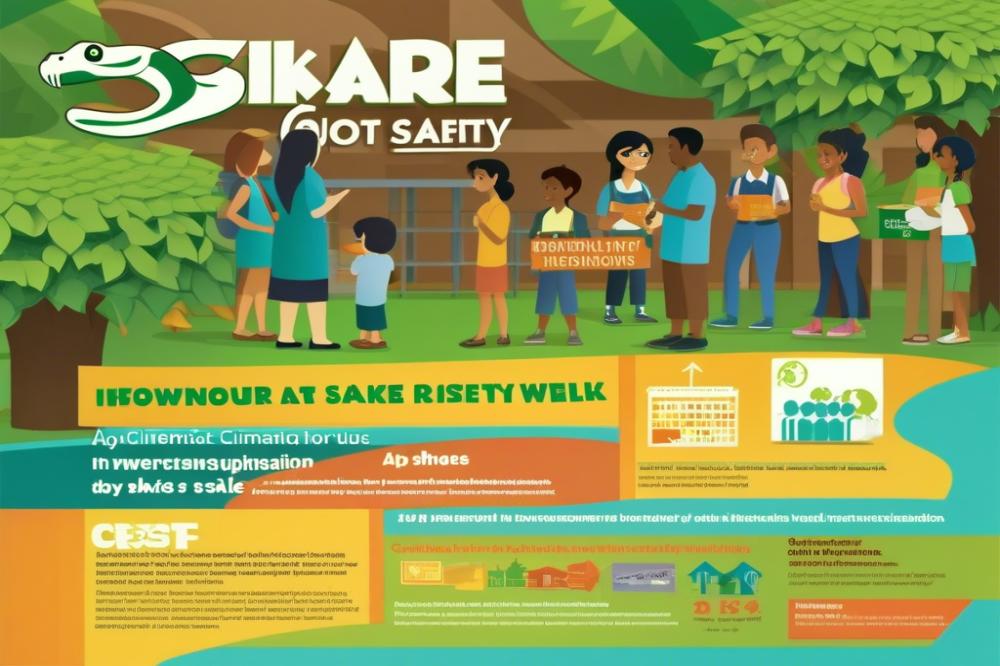
Defining snake safety is crucial for fostering a community that prioritizes wildlife safety. This involves educating individuals about the risks associated with venomous snakes, as well as promoting safe practices when encountering them. The significance of such education cannot be overstated; it equips the public with knowledge that can save lives.
Venomous snakes pose a real threat to public health, particularly in regions where their populations are significant. Their bites can lead to severe health complications or even death. Understanding which snakes are venomous is essential. This knowledge directly influences people’s behavior in natural environments.
Statistics reveal a troubling reality regarding snake bites. Each year, tens of thousands of people around the globe seek medical attention due to these incidents. In many cases, the outcomes are dire, demanding immediate and effective first aid for snake bites. Without proper knowledge of prevention strategies, individuals are left vulnerable.
Educational programs focused on snake awareness play a vital role in reducing risks associated with encounters. Through community outreach, people can learn about effective snake identification, habitat awareness, and safe practices to employ when in snake-prone areas. Learning how to react in a situation involving these reptiles can dramatically alter the consequences of a potential bite.
Overall, enhancing public understanding surrounding venomous snakes is a community responsibility. Each individual must engage with educational resources and utilize the information provided in outreach efforts. Accumulating knowledge about effective safety measures does not only protect oneself but also those around them.
The Role of Snake Awareness Programs

Educational programs play a crucial role in enhancing community knowledge about snakes. Many people lack familiarity with these creatures and often harbor misconceptions. Awareness initiatives aim to dispel myths and present factual information. Programs target various demographics, ensuring that attendees leave with a better understanding of snakes.
Effective outreach programs consist of several important components. First, snake identification workshops help individuals learn to distinguish between venomous and non-venomous species. Understanding the physical differences is essential for promoting wildlife safety. Additionally, training in habitat awareness informs the public about where snakes are commonly found. Such knowledge helps to prevent unnecessary encounters.
Community outreach activities can utilize hands-on demonstrations and interactive sessions. Learning about prevention strategies can greatly reduce the incidence of snake bites. First aid training for snake bites should also be included in these programs. Additionally, inviting local experts to provide insights enriches the learning experience. Collaboration with wildlife agencies and researchers enhances program credibility. Experts bring valuable knowledge from their field, making the information presented more trustworthy.
Partnerships with schools, nonprofit organizations, and community centers help reach wider audiences. Engaging various groups can foster a culture of safety and respect for all wildlife. By uniting forces, these educational programs not only inform but inspire proactive behavior. Ultimately, such collaboration ensures that people feel equipped to handle unexpected encounters with snakes.
Snake Identification and Habitat Awareness
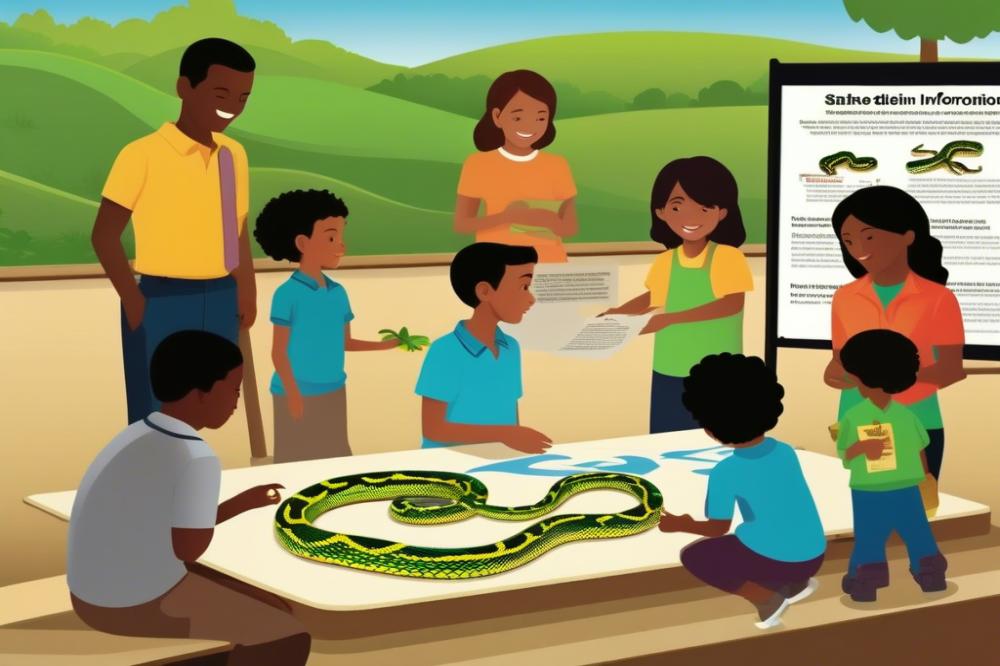
Recognizing various snake species is crucial for wildlife safety and snake awareness. Many people fear all snakes, but not all pose a threat. Knowing which ones are venomous can help in avoiding potential incidents. Familiarity with local species fosters a more educated community that can respond appropriately to encounters.
Numerous educational resources exist for snake identification. Field guides and mobile applications provide detail on identifying snakes by their colors and patterns. Local conservation groups often host informational sessions. Participating in these educational programs enhances knowledge and empowers individuals to act responsibly.
Understanding snake habitats is another essential aspect of prevention strategies. Snakes tend to prefer specific environments, such as tall grass or rocky areas. By recognizing these habitats, people can avoid unintentionally disturbing them. Awareness of where snakes live can significantly reduce the chances of snake bites during outdoor activities.
Effective community outreach initiatives raise awareness about safe practices when encountering snakes in the wild. These programs can teach residents how to respond if they come across a snake. Basic first aid for snake bites is also a vital topic in these discussions. Making safety a priority begins with education.
Community Outreach and Engagement
Engaging the community is vital for effective snake awareness initiatives. One key strategy involves forging partnerships with local organizations. Collaborating with schools, community groups, and even businesses can amplify the reach of educational programs. These partnerships can result in joint events—workshops, seminars, or outreach booths at local fairs. Such activities create numerous opportunities for face-to-face discussions about snake identification and safety measures.
Successful case studies illuminate the impact of targeted outreach. In a small town, for instance, a comprehensive program was rolled out involving workshops tailored specifically for families. Educational kits were distributed, which included information about venomous snakes, first aid for snake bites, and habitat awareness. Feedback revealed a marked increase in community knowledge and preparedness, demonstrating how strategic engagement can foster a more informed public.
Local schools present a significant avenue for promoting snake awareness. By integrating wildlife safety education into school curricula, children can learn about local species and their habitats from an early age. Engaging students through interactive activities, like ‘Snake Days’ where guests like herpetologists share their expertise, not only captivates attention but also instills the importance of prevention strategies among future generations.
Furthermore, involving scout groups or youth organizations in outreach programs can broaden participation. Educational field trips focused on local ecosystems allow participants to observe snakes in their natural habitats. Such initiatives heighten understanding of wildlife and promote respect for these essential creatures. Overall, when communities come together, the collective effort results in a more educated public that is better equipped to handle encounters with snakes.
Prevention Strategies for Snake Encounters
Avoiding snake bites requires vigilance and education. Understanding habitat awareness is crucial. Snakes often inhabit areas that are less disturbed by humans. These might include tall grass, thick brush, or rocky outcrops. Educating individuals about these environments can significantly lower risks. Awareness regarding where snakes are likely to be active is key for outdoor enthusiasts.
When participating in outdoor activities, consider wearing appropriate footwear. High-top boots can provide an additional barrier against potential encounters. Additionally, loose clothing can help reduce the chance of bites. In areas known to harbor venomous snakes, it’s wise to stay on established trails. Wandering off the path increases exposure to snake habitats.
Community outreach programs serve an essential role in educating the public. Through these initiatives, people learn about various types of snakes. Understanding how to identify venomous snakes can make a significant difference. Effective educational programs equip individuals with the necessary knowledge. Familiarity with local species fosters respect and reduces unfounded fears.
First aid for snake bites should be a part of public knowledge. Recognizing the signs of a bite ensures that individuals can act swiftly. Seeking medical attention promptly is vital. Furthermore, knowledge of how to respond in a crisis can save lives. By emphasizing awareness, communities can empower themselves to handle potential snake encounters.
Outdoor safety should also include understanding how to avoid startling snakes. Making noise while hiking can alert any snakes nearby to your presence. This simple act may lead them to retreat before a close encounter occurs. Fear is often a result of the unknown. By providing comprehensive education, communities can dispel common myths and replace them with factual information.
Encouraging responsible behaviors in nature is equally important. Avoiding actions that could provoke snakes—such as attempting to capture or handle them—will greatly enhance safety. Educating others on the ecological role of snakes fosters a healthier coexistence. In promoting a responsible approach to wildlife safety, communities can thrive without unnecessary fear.
First Aid for Snake Bites
Responding promptly to a snake bite is crucial. Initially, keep the affected individual calm and still. Immobilization can slow the spread of venom. Position the bite below heart level to minimize circulation. Avoid applying ice, cutting the wound, or using a tourniquet. These methods often exacerbate the situation. Instead, remove any tight clothing or jewelry near the bite area to allow for swelling.
Seeking medical help post-bite should never be overlooked. Time is of the essence when dealing with venomous snakes. Symptoms can escalate rapidly; therefore, reaching a hospital is imperative. Medical professionals can administer antivenom and other necessary treatments. Moreover, only trained personnel can accurately identify the type of snake involved, which influences the treatment approach.
For those wishing to enhance their understanding, educational resources are available. Local health departments often organize first aid for snake bites workshops. Wildlife safety programs may also incorporate snake awareness training. Engaging in community outreach can equip individuals with vital knowledge. Learning about snake identification and habitat awareness aids in prevention strategies. Taking proactive measures forms a layer of protection against unforeseen encounters.
Wrapping Up Our Commitment to Snake Awareness
The significance of snake awareness programs cannot be overstated. They play a vital role in empowering communities with knowledge. Educating the public about the behavior and habitats of these creatures can prevent unnecessary fear and misconceptions. Furthermore, understanding the distinction between venomous snakes and non-venomous species is crucial for safe coexistence.
Community involvement is essential for the success of these initiatives. Local organizations can host workshops, distribute informational materials, and invite experts to share insights. Each individual’s participation is a step towards a safer environment for everyone. It’s important to foster discussions on this topic within neighborhoods. Encouraging families to engage in these programs creates a ripple effect that extends knowledge beyond a single household.
As we look towards the future, education remains the key to enhancing safety regarding snakes. Increasing awareness leads to more informed actions when encounters occur. Together, we can diminish the fear surrounding these animals and promote protection and preservation. Ultimately, fostering a culture of respect for wildlife can lead to safer and more harmonious living conditions. Embrace the opportunity to learn and share. The responsibility lies in our hands to cultivate a safe environment. Let’s work together now to make a difference.

