
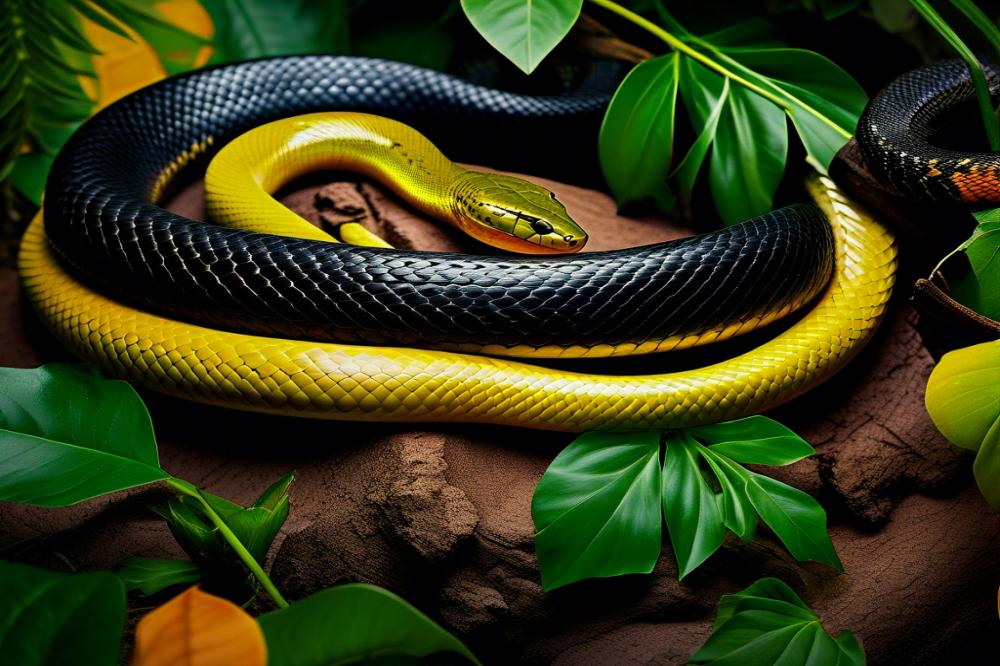
Research on snake diets: Understanding feeding ecology
The study of snake diets holds a significant place in ecological research. Feeding habits not only define individual snake species but also have broader implications for their ecosystems. Understanding dietary habits can reveal insights into the roles these reptiles occupy within their habitats. Various types of snakes exhibit a range of dietary preferences, including herbivorous snakes and others that display overt carnivorous behavior.
Prey selection is a pivotal aspect of their feeding ecology. Snakes often choose their meals based on availability, nutritional value, and ease of capture. This selection process may also depend on specific environmental conditions. For instance, some species adapt their hunting techniques to coincide with prey abundance or activity patterns. Such interactions underscore the intricacies of their foraging strategies.
Considering the impact of habitat on dietary habits, one finds that different environments encourage various metabolic rates among snake populations. The availability of prey informs the nutritional strategies these reptiles adopt. Furthermore, the relationship between a snake and its habitat contributes significantly to its evolutionary adaptations over generations. In turn, these adaptations influence not only individual survival but also the broader ecological roles that snakes play within their respective environments.
Research on snake diets is essential for creating a more comprehensive understanding of ecosystem dynamics. This information is not only useful for herpetologists but also extends to conservation efforts aimed at maintaining biodiversity. By unraveling the complexities of these diets, we can appreciate how snakes interact with their surroundings and other species. In summary, the investigation into their dietary habits reveals a lot about the balance of nature.
Snake Diets

Understanding the dietary habits of snakes involves a complex interplay of ecological and biological factors. Although most snakes are known to be carnivorous, a few species exhibit herbivorous behavior. Carnivorous snakes primarily consume other animals, while herbivorous snakes can thrive on plant material. Classification of these diets encompasses various strategies and preferences unique to each species.
Carnivorous behavior is prevalent among the majority of snake species. They have evolved specific foraging strategies that cater to their predation methods. Common prey selection may include mammals, birds, amphibians, and even other reptiles. The hunting techniques vary, with some relying on ambush tactics, while others may pursue their prey through active hunting. Each method reflects a particular adaptation to their surrounding environment.
On the other hand, herbivorous snakes present an intriguing divergence from the expected norms of snake feeding. This dietary choice often arises in specific ecological niches. Nutritional requirements differ significantly from those of their carnivorous counterparts. Research indicates that they can digest plant matter effectively, although not all species exhibit the ability to process cellulose efficiently.
Metabolic rates play a crucial role in how these snakes manage energy intake. Carnivorous species generally require higher energy outputs due to their hunting lifestyle. Conversely, some herbivorous snakes may have slower metabolisms, allowing them to process their food over extended periods. This energy management reflects their ecological roles within their habitats.
Diversity among snake species in terms of dietary habits enriches our understanding of their evolutionary adaptation. These creatures have specialized body structures and behaviors that enhance their feeding efficiency. For instance, snakes with longer and more flexible jaws can consume larger prey items, challenging the notion of size constraints in feeding.
The impact of habitat on feeding strategies is also significant. Snakes living in dense forests may have different prey availability compared to those residing in arid deserts. Variations in prey abundance and type directly influence diet composition and foraging efficiency. Thus, the interplay between environment and dietary choices reveals much about their survival mechanisms.
To sum up, the spectrum of diets among snakes showcases their intricate relationship with the environment. From the predatory tactics of carnivorous species to the unique adaptations of herbivorous snakes, each dietary choice is a testament to the delicate balance of nature. Observations of feeding behavior continue to shed light on the complexities of snake ecology and evolution.
Carnivorous Behavior

The study of carnivorous behavior in snakes reveals a complex interplay between feeding strategies and ecological dynamics. Various snakes exhibit different foraging strategies that influence their dietary habits. Some species ambush their prey, while others actively hunt, showcasing a remarkable adaptability in their feeding techniques.
For many snakes, prey selection is critical for survival. Certain species may favor specific types of prey, such as rodents, birds, or even other reptiles. This choice can significantly impact their survival and reproductive success. Foraging methods, therefore, are not just about obtaining food but are intricately tied to the ecological roles these snakes play within their habitats.
Additionally, metabolic rates may vary considerably among carnivorous snakes. These rates influence how often snakes hunt and eat. Understanding these energetic needs can shed light on their survival strategies in different environments. Every habitat presents unique challenges that dictate how snakes approach their diets.
Some research indicates that the availability of prey can affect population dynamics within these species. When certain prey types become scarce, snakes may adapt their hunting strategies or even change their target species. Such evolutionary adaptations showcase their resilience and ability to modify behavior based on environmental changes.
Furthermore, some snakes can display opportunistic feeding behavior. They may consume prey that would normally be beyond their preferred selection. This flexibility boosts their chances of survival during leaner times. The nutritional content of prey also plays a vital role in their overall health and reproductive success, emphasizing the importance of varied diets even within a carnivorous framework.
Herbivorous snakes, though less common, highlight an interesting contrast in dietary ecology. While primarily focused on plant consumption, their evolutionary paths diverge significantly from their carnivorous relatives. This divergence speaks volumes about how ecology and preference shape dietary habits.
In summary, the analysis of carnivorous behavior in snakes facilitates a deeper understanding of their ecological impact. By examining their foraging strategies and the significance of prey selection, researchers can gain insights into the broader ecological web in which these reptiles exist. Each behavioral nuance contributes to their survival and adaptation in a constantly changing world.
Herbivorous Snakes

Herbivorous snakes represent a fascinating yet less common subset of the serpentine world. They have developed remarkable adaptations that distinguish them from their carnivorous relatives. This specialization raises intriguing questions about their evolutionary pathways and nutritional needs.
Among the various species, the green tree python is sometimes noted for its unusual herbivorous tendencies. These snakes consume plant material, which leads to the development of specific digestive enzymes. Such an adaptation is vital for breaking down tough cellulose found in plants. Limited research has explored the complete extent of their dietary habits, posing challenges to understanding their full nutritional requirements.
In terms of diet, these snakes primarily devour leaves, fruits, and flowers. Such choices necessitate a distinct approach to feeding; thus, their foraging strategies differ significantly from those of predatory snakes. While carnivorous behavior relies on mobility to hunt active prey, herbivorous snakes must identify reliable sources of vegetation. This alternate prey selection highlights the importance of habitat specificity in their ecological dynamics.
These snakes play important ecological roles within their environments. By feeding on specific plant species, they can influence plant community structures and contribute to seed dispersal. Their interactions with flora can significantly impact overall habitat diversity and health, showcasing their role as important ecological agents.
Metabolic rates in herbivorous snakes also exhibit intriguing characteristics. Lower energy demands may allow for extended periods between meals, contrasting starkly with their carnivorous counterparts. This slower metabolism affects their behavioral patterns and daily activities. Finding suitable plant matter requires patience, often leading to longer foraging times and reduced movement.
In conclusion, the study of herbivorous snakes sheds light on a unique aspect of snake diets. Their adaptations not only reveal insights into nutrition but also demonstrate their significant roles in ecosystems. Understanding these creatures encourages a broader appreciation for the diversity of feeding strategies among reptiles.
Metabolic Rates and Nutrition
Metabolic rates in snakes are closely tied to their dietary habits. Understanding how energy expenditure varies among species provides crucial insight into their ecological roles. The contrast between herbivorous and carnivorous behavior exemplifies this relationship. Carnivorous snakes often exhibit higher metabolic rates than their herbivorous counterparts. This distinction arises from the energetic demands of digesting complex proteins found in prey.
Examining nutritional requirements reveals the intricacies of snake diets. Different species exhibit distinctive needs based on habitat and available resources. Foraging strategies greatly influence prey selection. Herbivorous snakes rely on specific plants, which require particular environmental conditions. In contrast, some carnivorous species will adjust their hunting methods based on the abundance of prey.
Research highlights the evolutionary adaptation of snakes to their unique feeding strategies. Some species have developed specialized anatomical features for grasping or constricting prey. These adaptations reflect their positions within various ecosystems. Metabolic rates can be significantly impacted by these evolutionary traits. Snakes that prey on larger animals might require longer recovery periods following a meal.
A deeper look into the ecological impact of dietary habits shows that snakes play essential roles in controlling populations of their prey. This regulation of prey numbers directly influences local ecosystems. Snakes contribute to nutrient cycling, both through their predation and the decomposition of their waste. Habitats where snakes thrive often reveal a balance among species, shaped by the dietary preferences and hunting styles of the resident snakes.
Nutritional intake affects overall fitness and reproductive success. Inadequate dietary resources can lead to slower growth rates and lower reproductive outputs in some species. Conversely, optimal foraging can yield abundant nutrients, allowing for vitality and resiliency. This interplay of factors underscores the complexity of snake diets and their broader ecological context. Additionally, understanding these dynamics can aid in conservation strategies for various snake species.
Ecological Roles and Habitat Impact
Snakes hold significant positions within their ecosystems, serving various ecological roles shaped largely by their diets. Variability in dietary habits influences their predatory and prey relationships. Carnivorous behavior is prevalent among most snake species, allowing them to control populations of their prey. This predation helps maintain the balance in both terrestrial and aquatic environments.
Herbivorous snakes, though less common, also occupy an important niche. They contribute to their ecosystems by affecting plant communities and providing alternative food sources for other animals. A study of their foraging strategies reveals patterns of prey selection that can alter habitat dynamics. When herbivorous snakes consume plant material, they indirectly facilitate the growth of certain species, which can affect local biodiversity.
Analysis of metabolic rates across different snake species suggests that energy requirements influence their behavioral ecology. Snakes with higher metabolic rates often exhibit distinct hunting patterns and feeding strategies compared to their slower counterparts. Such evolutionary adaptations allow them to thrive in diverse habitats while managing their energy efficiently.
Species interactions within ecosystems are further complicated by the presence of snakes. By regulating populations of other animals, they can have både direct and indirect impacts on their environments. For instance, a reduction in rodent population due to predation can lead to an increase in vegetation as herbivory decreases. This has cascading effects throughout the habitat.
Research reveals the diversity in snake diets reflects their ecological niches. The prey selection process is not merely instinctual; it is influenced by availability and habitat characteristics. Some species have developed specialized feeding techniques that enhance their efficiency in catching prey. These strategies illustrate how dietary preferences contribute to the overall function of ecosystems.
Understanding their roles in habitat dynamics is essential for conservation efforts. Changes in snake populations can signify shifts in environmental health. Protecting these reptiles ensures that their ecological functions remain intact, thus supporting broader habitat integrity. Examining the feeding ecology of snakes sheds light on their contributions to both predator-prey relationships and overall ecosystem stability.
Evolutionary Adaptations
Various evolutionary adaptations have emerged throughout the history of snakes, largely driven by their dietary needs. Feeding strategies and ecological roles have significantly influenced how different species thrive in diverse environments. For instance, herbivorous snakes have developed specialized dentition and digestive systems to process plant material. This adaptation demonstrates the remarkable versatility within the snake clade, as most snakes are predominantly carnivorous in their behavior.
Prey selection plays an essential role in shaping the traits of snake species. Predatory behavior varies widely, from ambush tactics to active hunting. Some snakes have evolved to exhibit vibrant colors and patterns, aiding them in camouflage while stalking prey. Others exhibit traits that allow them to capture faster or more agile animals. These variations in hunting styles reflect their specific dietary habits and ecological niches.
Habitat impact is often a reflection of dietary needs. Snakes influence their environment through their roles as both predators and prey. Foraging strategies differ based on available resources. Certain species may adapt to seasonal fluctuations in prey abundance, adjusting their metabolic rates accordingly to optimize energy use. This adaptability showcases the dynamic relationship between environment and food requirements.
Nutrition is a driving force behind evolutionary changes. Carnivorous snakes typically require high-protein diets that lead to swift growth and reproduction. In contrast, those that consume plant matter often face slower growth rates. This disparity in nutritional intake can dictate a species’ reproductive strategies and population dynamics. Consequently, dietary choices have far-reaching implications for the evolutionary pathways of different snake lineages.
Ecological roles of snakes can also be attributed to their dietary adaptations. Being apex predators, they help regulate the populations of their prey, thus maintaining a balance within ecosystems. Conversely, snakes that rely on alternative food sources might contribute to different ecological interactions, such as seed dispersal in some herbivorous species. Their multifaceted roles in ecosystems highlight the importance of understanding how diet shapes evolutionary and behavioral traits.
Key Findings and Future Directions
Extensive research has deepened our understanding of the dietary habits and feeding ecology of snakes. Studies have revealed that snake diets vary widely among species. Many snakes exhibit specialized feeding strategies that directly correlate with their habitats and available prey. For instance, carnivorous behavior remains the most common among serpents, with many species relying on a steady supply of rodents and other small animals. However, it is equally fascinating to note the existence of herbivorous snakes, which consume a plant-based diet, highlighting the adaptability of these reptiles.
Research has shown that the choice of prey can affect reproductive success, growth rates, and survival. Snakes employing ambush tactics often show a preference for larger, less mobile prey, while those that hunt actively may target smaller, more agile animals. These behavioral patterns are key indicators of how environmental factors influence feeding strategies. Overall, shifts in prey availability due to climate change and habitat loss pose significant concerns for snake populations.
Future studies should focus on understanding the intricate relationships between snake diets and ecosystem health. Emphasizing the ecological roles of various species will be vital for conservation efforts. By preserving habitats that support diverse prey species, we can help maintain the delicate balance within ecosystems. Addressing the impacts of human-induced changes on snake populations should also be a priority. Such knowledge can inform management strategies and promote biodiversity.
Ultimately, recognizing the complexity of snake feeding ecology will lead to more effective conservation approaches. It is important to integrate findings into broader ecological frameworks. As we advance our understanding, preserving the integrity of natural landscapes will become increasingly necessary for the survival of these remarkable reptiles.

