

Research Advances in snake toxin evolution
The evolution of snake venom is a remarkable area of study that unveils the intricate pathways of adaptation in reptiles. Remarkable variations in venom composition across species highlight the complexity of these biological systems. Toxins serve as critical tools in survival strategies, enabling snakes to immobilize prey and defend themselves against predators. Understanding the molecular basis behind these evolutionary traits reveals essential insights into ecological interactions and species dynamics.
Exploring snake venoms enhances our comprehension of biodiversity, particularly when considering the diverse habitats these reptiles occupy. Each species has developed toxins that reflect its specific ecological niche. From anticoagulants to neurotoxins, the diversity of functions indicates a nuanced evolutionary history. These adaptations are not incidental; they represent a confluence of environmental pressures and phylogenetic relationships that shape venom variations.
Recent advances in research methodology have propelled this field forward. Techniques such as gene sequencing and protein analysis have enabled scientists to investigate the nuances of toxin specificity and protein structure in unprecedented detail. Gene duplication events are often pivotal in this context, allowing for the diversification of toxins through evolutionary convergence. Understanding these processes sheds light on how snakes have cultivated their lethal capabilities over millions of years.
The implications of studying snake venom extend beyond mere academic curiosity. Conservation efforts benefit significantly from this research, as knowledge of venom composition can inform biodiversity initiatives. Snakes play vital roles in their ecosystems, and maintaining their populations contributes to stabilizing ecological frameworks. As species face threats from habitat loss and climate change, recognizing the importance of venom in their survival becomes increasingly crucial.
In summary, ongoing research into snake toxin evolution offers valuable insights into ecological interactions while also playing a critical role in conservation strategies. The complexities of these adaptations reflect a broader narrative about life on Earth and its resilience. Delving deeper into this topic may not only enhance our understanding of molecular evolution but also underscore the interconnectedness of various species and their environments.
Snake Toxin Evolution
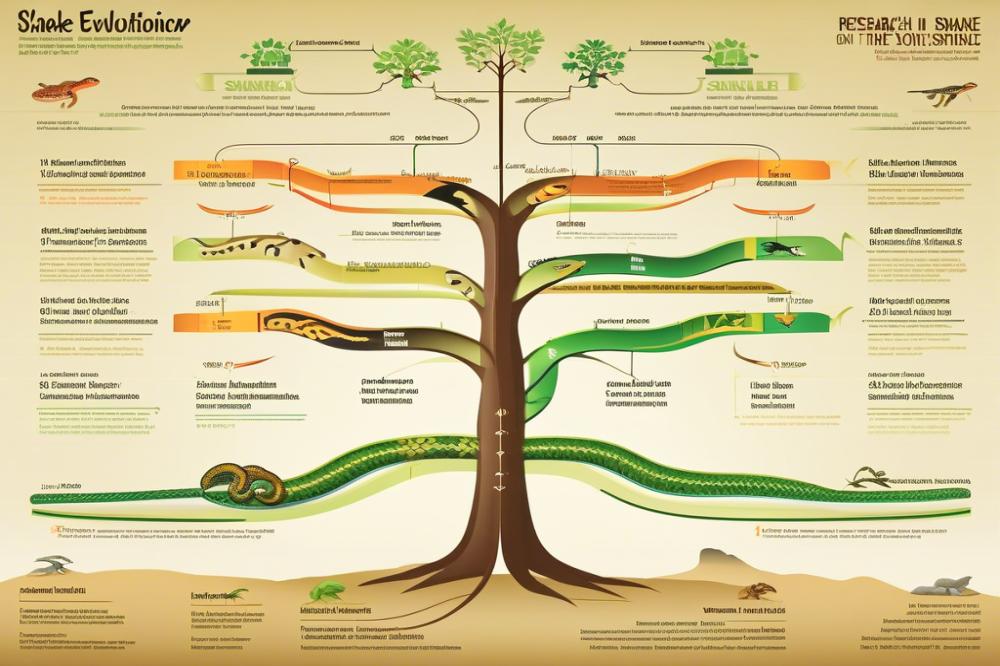
The study of how snake venom has developed over time is crucial for understanding both the adaptations of these reptiles and the ecological roles they play. Venom serves multiple purposes, including prey capture and self-defense. As a result, the compositions of venoms can provide insights into the evolutionary pathways snakes have taken. This field of research has gained traction due to its relevance in areas such as medicine, ecology, and evolutionary biology.
Historical Context of Venom Research
Research into venom has a long and varied history. Early investigations were often anecdotal, relying on observation rather than rigorous science. In the late 19th and early 20th centuries, researchers began to delve deeper into the biochemical properties of venoms, identifying proteins and their effects on biological systems. The development of modern molecular techniques has propelled venom research forward, allowing scientists to explore the genetic basis of toxin variation and complexity.
Role of phylogeny in Understanding Evolutionary Relationships
Phylogeny outlines the evolutionary connections among snake species. By examining the genetic relationships, researchers can map out how different families of snakes have diversified over time. The study of phylogenetic trees reveals how various species share common ancestors, providing context for the evolution of specific traits, including venom composition. This evolutionary framework is essential for deciphering how adaptations have arisen in response to environmental pressures and prey availability.
Impact of Adaptive Radiation on Toxin Diversification
Adaptive radiation has significantly influenced toxin diversification among snakes. When species encounter new environments or niches, their venoms evolve to meet specific ecological demands. This diversification can lead to changes in protein structure, resulting in toxins that target different physiological systems in prey. Through gene duplication events, new venom components can arise, enabling snakes to optimize their hunting strategies or enhance defensive mechanisms against predators. This process illustrates evolutionary convergence, where unrelated species develop similar traits under comparable environmental pressures.
Understanding these dynamics not only sheds light on biodiversity but also highlights the intricate interplay between ecological interactions and venom evolution. Toxin specificity becomes apparent when examining how different snake species have adapted their venoms for particular prey types. This relationship underscores the adaptive significance of snake venom and its role as an evolutionary tool in the survival of these reptiles.
Genetic Mechanisms Behind Toxin Evolution
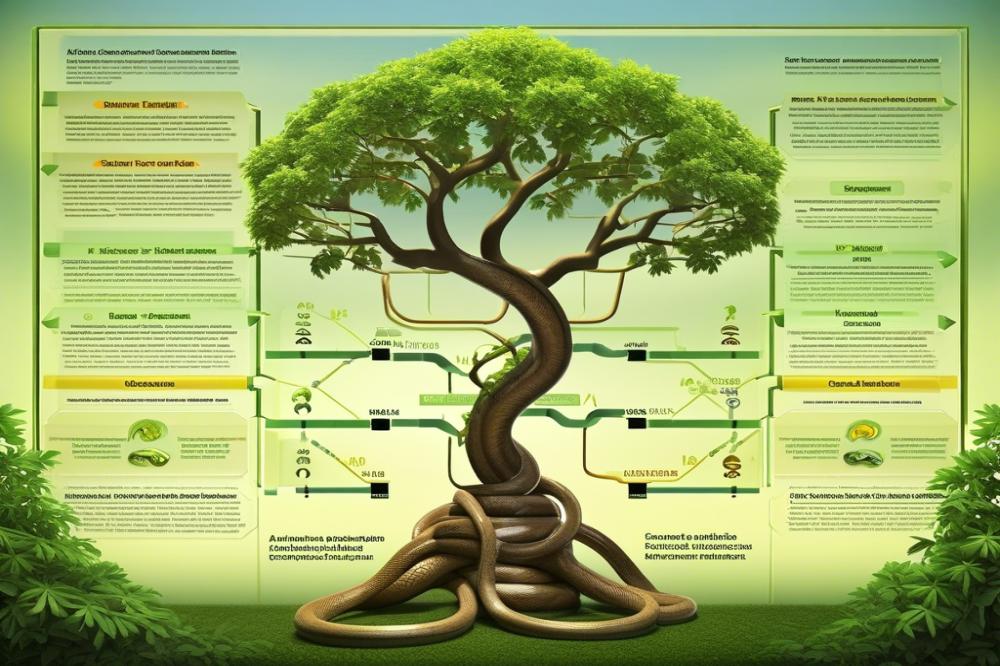
Gene duplication serves as a significant driver of venom diversity among snake species. This process allows for the copying of genes, leading to variations in the protein products they encode. Such duplications can result in new functional roles or modifications in existing toxins. Various snake lineages have exemplified how gene amplification contributes to the rich tapestry of venom compositions.
The evolution of protein structure in toxins plays a crucial role in their effectiveness and toxicity. Changes in amino acid sequences can alter the spatial configuration of these proteins, affecting their interaction with biological targets. Modifications in structure often allow toxins to exploit different physiological pathways in prey, showcasing remarkable adaptations that enhance predatory success.
Genetic mutations also drive the development of toxin specificity. Point mutations can lead to subtle changes in toxin function, impacting its ability to bind to specific receptors in prey. These alterations often result from selective pressures in the environment, favoring venom that is more effective against particular species or sizes of prey.
Selective pressures significantly shape toxin profiles within snake populations. Environmental factors such as prey availability, predator interactions, and habitat changes all contribute to these evolutionary dynamics. In some cases, evolutionary convergence is observed, where unrelated species develop similar venom traits due to similar ecological interactions. This phenomenon highlights how diverse lineages can arrive at comparable solutions to survive and thrive in their specific niches.
Continuing research into the phylogeny of venomous snakes sheds light on the complex relationships between genetic mechanisms and toxin evolution. By examining both the historical and contemporary contexts, scientists are beginning to unravel the intricate interplay of adaptations that contribute to biodiversity in snake venoms. Understanding these genetic foundations is essential for insight into the ecological implications of venom evolution.
Ecological Interactions and Adaptive Strategies

Defensive Mechanisms in Snakes and Their Evolutionary Significance
Defensive mechanisms play a crucial role in the survival of snakes. Many species utilize venom as a primary defense against predators. This strategy not only deters threats but also establishes a unique ecological niche. Evolution has shaped these adaptations over time, influencing both behavior and anatomy. Certain snakes exhibit mimicry or aposematism, enhancing their chances of evading attacks. These strategies demonstrate how ecological pressures can drive evolutionary change, leading to remarkable diversity among snake species.
The Relationship Between Venom Composition and Prey Capture Strategies
Venom composition is intricately linked to prey capture techniques. Different snakes have evolved specialized toxins that facilitate the incapacitation of specific prey. Proteins within their venom cater to the physiological traits of targeted animals. For instance, hemotoxins may be more effective for those that consume small mammals, while neurotoxins benefit serpents that hunt reptiles. This divergence highlights how ecological interactions shape adaptations. The diversification of amino acid sequences in venoms often results from gene duplication events, further supporting efficient hunting methods.
Evolutionary Convergence in Venom Among Different Snake Lineages
Evolutionary convergence illustrates how different lineages can develop similar venom characteristics. Despite distinct phylogenetic backgrounds, various snakes have adapted comparable venom types to suit similar ecological roles. This phenomenon reveals how natural selection can produce analogous traits in unrelated species. Venomous snakes like the boomslang and the krait possess neurotoxic venoms that target similar physiological processes in prey. Such convergent evolution raises intriguing questions about the protein structures involved and their adaptations to ecological demands.
Impact of Ecological Interactions on Venom Evolution
Ecological interactions significantly influence venom evolution across snake populations. Variations in prey availability and predator threats lead to selective pressures that shape toxin specificity. In environments with diverse prey, snakes may adapt their venom to become more efficacious against a broader range of targets. Consequently, adaptations may manifest in revisions to the venom’s protein composition over generations. Furthermore, competition among snakes may spur innovations in venom efficacy. These dynamics underline the complex interrelations between ecology and the evolutionary trajectories of venom components.
Biodiversity and the Future of Snake Toxin Research
Studying snake venom plays a crucial role in biodiversity conservation efforts. Understanding the myriad of toxins produced by various species can reveal the complex ecological roles these creatures occupy. Research on venom offers insights into the adaptations of snakes to their environments and highlights the importance of maintaining their habitats. As biodiversity declines, so too does our opportunity to learn from these specialized proteins that have evolved to support survival. Conservation initiatives that focus on preserving snake populations are vital for protecting the overall health of ecosystems.
The evolution of toxins has profound implications for ecosystem dynamics. Different venoms can influence prey populations, contributing to the balance within food webs. By examining the phylogeny of venomous snakes, researchers can identify patterns in toxin specificity and the evolutionary convergence of defensive mechanisms among various species. This knowledge can illuminate how these snakes interact within their environments and how they affect other organisms. Each toxin’s role may be more intricate than previously understood, as many function not only for predation but also for defense against potential threats.
There are exciting potential applications of snake venom in the fields of medicine and biotechnology. Various components of venom have been found to exhibit remarkable qualities, such as anti-coagulant properties and pain-relief effects. These unique features could lead to the development of novel pharmaceuticals with applications in treating cardiac conditions, chronic pain, and even cancer. Advances in protein structure analysis enable scientists to modify these toxins for therapeutic uses, enhancing drug design and improving patient outcomes. The prospect of utilizing natural compounds from snake venom to create new treatments further emphasizes the importance of ongoing research.
Future research directions are expanding thanks to emerging techniques in molecular biology and genetic sequencing. Gene duplication events in snakes have led to a vast array of venom components, and understanding these processes can further reveal the evolutionary pressures shaping venom composition. New technologies allow for more precise analysis of the functions of specific toxins, and interdisciplinary approaches are leading to richer insights into ecological interactions. As researchers continue to delve into the complexities of snake toxin innovation, there is potential for groundbreaking discoveries that enhance both scientific knowledge and practical applications.
Closing Thoughts on Research Advances in Snake Toxin Evolution
Summary of Key Findings
Research has revealed fascinating insights into the diversity of snake venom. The evolution of these complex biochemical substances is not a straightforward narrative. Different species exhibit a range of venom compositions, often shaped by their specific ecological niches. Recent studies highlight that phylogeny plays a crucial role in determining these variations. By tracing the evolutionary history of snakes, scientists can understand how environmental pressures have influenced the development of venom. Such insights bridge evolutionary biology with practical applications in medicine and toxinology.
Importance of Continued Research
Persistent inquiry in this field is vital. Advancements in genetic research and molecular biology offer tools that can unravel the intricacies of toxin development. Understanding the molecular mechanisms behind venom production could lead to breakthroughs in antivenom therapies. Moreover, as climate change continues to impact ecosystems, studying snake adaptations becomes even more urgent. Collectively, these efforts will not only enrich academic knowledge but also enhance public awareness of these remarkable reptiles.
Interplay of Evolution, Ecology, and Human Impact
Human activities have significantly altered natural habitats, which in turn affects snake diversity and their evolutionary pathways. As habitats are destroyed or modified, selective pressures shift, influencing how snakes adapt and evolve. It’s crucial to reflect on how these changes might lead to the loss of certain species or new adaptations emerging in response to environmental stressors. A holistic understanding of these dynamics can herald conservation strategies that protect both snakes and their ecosystems. Observing this interplay emphasizes our responsibility toward these creatures and their habitats, as preserving biodiversity is fundamentally linked to our survival.
In summary, the ongoing exploration of venom and its evolution encapsulates a compelling narrative of adaptation and survival. Continued research not only enriches our comprehension of these complex organisms but also serves to highlight the delicate balance within ecosystems that human actions threaten. Ultimately, the future of snake diversity rests on our collective choices and actions.

