
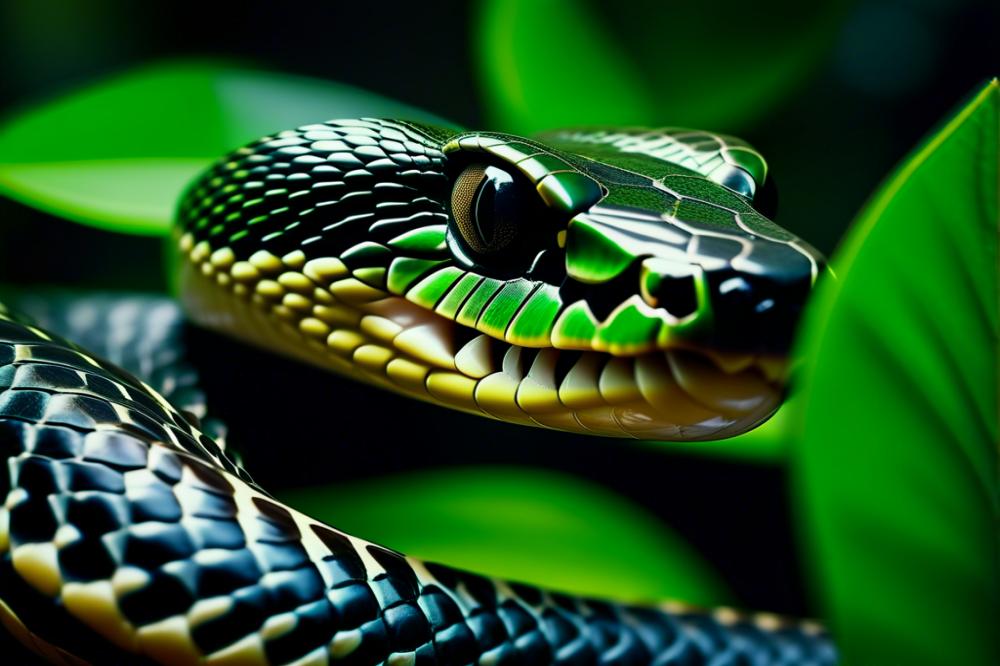
Examining intraspecific variation in snake venom Potency
snake venom serves as a powerful ecological tool, influencing interactions among species and shaping ecosystems. Its significance transcends mere predation, impacting prey populations and mediating complex ecological dynamics. Moreover, this biochemical arsenal has profound implications in the field of medicine. Many toxins hold keys to developing novel therapeutic agents, showcasing how an understanding of venom can directly benefit human health.
Studying intraspecific variation in venom potency is crucial for several reasons. First, it allows researchers to comprehend how ecological factors and evolutionary biology shape venom composition. Snakes inhabit diverse environments, each uniquely influencing the development of their venom traits. Geographic variation plays an essential role here, with climate, prey availability, and local species interactions serving as potent drivers of toxin diversity. Through toxin analysis, scientists can unravel these patterns, illustrating the adaptive significance of different venom forms.
Equally important is understanding the relationship between snake physiology and venom resistance among different populations. Variations in potency can lead to differential survival of prey species, contributing to the evolutionary arms race between predators and prey. Thus, examining these factors also illuminates broader themes in interspecies comparison and evolutionary adaptation within ecosystems.
This article aims to delve into the complexities of venom potency variations among snake species. By exploring the interplay between ecological drivers and venom characteristics, we endeavor to provide a comprehensive overview. Additionally, we will highlight the relevance of this research within ecological and medical frameworks. Such insights could pave the way for future studies that further unravel the mysteries behind these fascinating biochemical substances.
Understanding Snake Venom

Venom serves as a crucial adaptation in the predator-prey dynamic among snakes. This biological tool not only helps incapacitate prey but also plays a role in digestion. By understanding these mechanics, we can appreciate the evolutionary impact venom has on both snake species and their ecological niches.
Definition and Role of Venom in Predator-Prey Interactions
Predation involves complex interactions where venom acts as a facilitator of survival. It enables snakes to subdue their prey quickly, minimizing the risk of injury. Venom allows species to exploit a broader range of available food sources, enhancing their ecological versatility. Some snakes may use venom primarily for defense, indicating its multifunctional nature in a competitive environment.
Components of Snake Venom and Their Biological Functions
Analyzing toxin components reveals a sophisticated cocktail of proteins, enzymes, and peptides. Each element serves a specific purpose, from breaking down tissues to affecting blood circulation. Hemotoxins, for example, target blood cells, while neurotoxins disrupt nerve signals. Such diversity underscores the adaptive significance of venom in varying contexts, driving its potency against particular prey species.
Relationship Between Venom Composition and Snake Physiology
Variation in venom composition often directly correlates with a snake’s physiological traits. Factors such as size, metabolism, and habitat can shape the potency and efficacy of the venom. Geographic variation also plays a role; snakes in distinct environments develop unique venom profiles influenced by local prey availability. Studying these differences contributes to our understanding of evolutionary biology and how specific traits arise.
Furthermore, interspecies comparisons can illuminate patterns of venom resistance in certain prey. As some prey species evolve defenses against specific toxins, this arms race fosters continual adaptations in their predators. This dynamic underscores the interplay between evolution and ecology, emphasizing the need for comprehensive toxin analysis in the broader context of ecological interactions.
Intraspecific Variation in Snake Venom Potency

Intraspecific variation refers to the differences observed within a single species. This concept is crucial when examining venom potency in snakes. Understanding these variations provides insight into the ecological impact of venom and its role in evolutionary biology. Variability can influence predator-prey interactions and help species adapt to specific environments. Therefore, studying this facet sheds light on the broader implications of venom in ecological balance.
Factors Influencing Venom Potency Within Species
Multiple factors contribute to differences in venom potency among snakes of the same species. Genomic variations, for instance, play a role in venom composition. These genetic distinctions can produce proteins with varying bioactivities. Additionally, individual health and nutritional status can have significant effects. A well-nourished snake may produce more potent venom than a malnourished counterpart. Moreover, sex differences often emerge within species, with males potentially exhibiting different venom profiles than females.
Geographic Variation and Its Effect on Venom Characteristics
Geographic variation introduces another layer of complexity into venom analysis. Populations in distinct regions may have adapted to different prey types or environmental challenges. For example, snakes in arid environments may develop venom with heightened efficacy against resistant prey. This adaptive significance highlights how local ecological factors shape venom characteristics. Regions with high prey diversity often lead to more versatile venom profiles, enabling snakes to exploit a broader range of available food sources.
Moreover, interspecies comparisons reveal interesting trends. While some species display stable venom compositions, others exhibit significant geographic variations. This difference suggests a strong evolutionary response to local ecological pressures. Studies focusing on toxin analysis contribute to understanding these patterns, revealing how environmental factors drive the evolution of snake physiology.
Ecological Factors Affecting Venom Potency

Habitat plays a pivotal role in determining venom composition and effectiveness. Different environments exert selective pressures that can lead to significant differences among populations. For instance, snakes that reside in arid regions often develop variations in their venom to deal with specific prey. Venom potency may even vary based on geographic location. Research in evolutionary biology highlights how these adaptations provide a competitive advantage in diverse ecosystems.
Prey availability also significantly influences venom adaptation. A snake’s diet directly affects the evolution of its venom. When specific prey types become abundant, snakes may shift their venom composition to enhance lethality. This adaptability showcases the dynamic interplay between ecological factors and venom effectiveness. Toxin analysis reveals how shifts in food sources may trigger rapid changes in venom profiles within a relatively short time span.
Environmental stressors often provoke intriguing responses in venom production. Factors such as temperature fluctuations, habitat destruction, and pollution can contribute to variations in venom potency. For example, extreme weather conditions might challenge a snake’s physiological processes, altering how much venom it produces or how effective that venom can be against prey. Interactions between venom resistance in prey species and changing habitats can further complicate the dynamics.
Geographic variations in snake populations add another layer of complexity. Different environmental contexts yield distinct requirements for survival. Snakes in one location may need potent venom to tackle larger or more resilient prey, while those in another might rely on less toxic alternatives. This heterogeneity makes interspecies comparison essential for understanding the adaptive significance of venom potency.
Evolutionary Biology of Snake Venom
Adaptive significance of venom in evolutionary terms
Examining venom’s role reveals its profound adaptive significance within evolutionary biology. Over time, these complex biochemical tools have been essential for survival. Predation and defense are two primary functions. Venom serves to incapacitate prey efficiently while also deterring potential threats. Species that harness the best adaptations often experience enhanced survival rates. Consequently, these evolutionary drivers have shaped the physiological traits of snakes.
Patterns emerge when considering venom composition across distinct habitats. Geographic variation plays a pivotal role. Differences in prey availability and competition lead to adjustments in toxicity. Such ecological factors significantly influence how venom evolves in specific environments. Understanding these dynamics aids in comprehending the broader ecological and evolutionary context.
Interplay between natural selection and venom variation
Natural selection directly influences intraspecific variation in venom potency. Those snakes with venom best suited to their specific environments tend to thrive. This phenomenon often leads to pronounced differences even among closely related species. Variation can arise from mutation, gene flow, and environmental pressures. Toxin analysis shows how slight changes in venom profiles can have substantial implications for predation and defense strategies.
Resilience also plays a role in this interplay. Certain prey species develop venom resistance, prompting snakes to adapt venom potency. This arms race dynamic highlights the ongoing struggle between predator and prey. Observing these changes provides valuable insights into the evolutionary pressures at play.
Comparative analysis of venom potency across related species
Interspecies comparison sheds light on variations in venom potency. Related species often exhibit distinct venom traits, reflecting their evolutionary paths. Such comparisons facilitate the understanding of how ecological niches shape venom evolution. Divergent adaptations can lead to different strategies in hunting or survival, thereby affecting overall snake physiology.
Underlying this comparative analysis is the recognition that evolution is rarely linear. In fact, the branching paths of related species often result in significant differences in toxin profiles. Researchers must prioritize both morphological and molecular data to grasp these complexities fully. Evaluating differences in venom potency aids in constructing an evolutionary narrative that integrates various biological and ecological factors.
This intricate dance between adaptation, ecological pressures, and evolutionary history reveals the sophistication of venom in the snake lineage. The continual adaptations highlight the remarkable capacity for change present in nature’s designs.
Toxin Analysis Techniques
Methods for assessing venom potency and composition
In the realm of toxin analysis, various methods exist to evaluate venom potency and composition. Bioassays serve as a foundational approach. These tests often involve injecting prey animals with suspected venom and observing physiological responses. Results provide initial insights into potency levels. Another common method is enzyme-linked immunosorbent assays (ELISA), which quantify specific proteins present in venom. By using targeted antibodies, researchers can establish venom profiles that reveal its composition.
Additionally, chromatography techniques are utilized to separate venom components based on size and charge. As different proteins exert varying effects, understanding their interactions is critical. Genetic sequencing has emerged as another powerful tool. It offers clarity about the evolutionary biology of venom-producing species. Such analyses reveal genetic variants associated with toxicity and venom resistance, making them indispensable in the field.
Current technologies in venom research
Mass spectrometry plays a pivotal role in modern toxin analysis. This technology allows for the detailed examination of venom composition at the molecular level. By determining the mass-to-charge ratios of molecules, researchers can identify individual toxins with precision. High-resolution techniques enable scientists to discern even minor variations among venoms. This capability is crucial for understanding geographic variation and its ecological significance.
Furthermore, advancements in proteomics provide a comprehensive overview of venom components. Analyzing venom proteins helps elucidate their functional roles. For instance, some proteins may enhance venom potency by facilitating prey immobilization. Integrating these data with information from evolutionary biology allows researchers to hypothesize how specific adaptations arise. This understanding fuels further investigation into the adaptive significance of venom components across different environments.
Case studies highlighting findings from toxin analysis
Highlighted studies showcase the impact of comprehensive toxin analysis. One such investigation focused on a particular snake species inhabiting diverse ecosystems. Variations in venom potency were evident across different populations. Research revealed that these differences correlated with local prey availability and resistance levels. This kind of interspecies comparison enhances our appreciation of ecological factors shaping venom evolution.
Another study conducted on a venomous species found insight into the functional diversity of its venom. Researchers discovered distinct venom types within the same species, each adapted for unique ecological niches. Some venoms were highly potent, suited for quick immobilization of fast prey, while others prioritized longer-lasting effects. These findings illustrate how evolutionary pressures can sculpt toxin composition intricately.
In summary, the tools of modern toxin analysis provide essential insights into the complexities of venom biology. Understanding venom potency, composition, and the underlying mechanisms allows for a deeper appreciation of biodiversity in these fascinating reptiles. Future research must continue exploring these areas to uncover additional layers of complexity in snake physiology and their ecological interactions.
Venom Resistance Among Prey
Prey species have developed fascinating adaptations to counteract the effects of snake venom potency. This continual arms race drives the evolutionary biology of both predators and prey. Over time, certain species have evolved biochemical mechanisms that diminish the effects of various toxins. Understanding these adaptations sheds light on the intricate balance of ecological factors.
Adaptations often manifest through changes in physiology. Some prey species show alterations in their blood chemistry, which allows them to neutralize or tolerate venom toxins. For instance, resistance can stem from mutations that change protein structures. These adaptations can be highly specific, targeting certain components of venom composition while remaining vulnerable to others.
Implications for the Evolution of Venom Resistance
The evolution of venom resistance has profound implications. When prey develop defenses, predators face selective pressure to enhance their venom potency. This cyclic phenomenon showcases the dynamic interaction between species, illustrating how intricately interwoven their survival is. In essence, as one side evolves, the other must adapt or risk extinction.
Adaptive significance emerges as we see geographic variation in resistance levels. Populations exposed to particular venom types may develop heightened resistance over generations. Such differences highlight the importance of local ecology in shaping evolutionary pathways. Continuous toxin analysis reveals that even minor shifts in venom composition can lead to significant changes in prey survival rates.
Examples of Co-evolution Between Snakes and Prey Species
Co-evolution provides compelling examples of these interactions. The garter snake and the newt offer a prime illustration. The newt’s toxin, tetrodotoxin, binds to sodium channels, incapacitating the snake. In response, certain snake populations exhibit adaptations that allow them to tolerate this potent toxin. This relationship epitomizes the complex interplay of predator and prey dynamics.
Investigating interspecies comparisons reveals even broader trends. Other organisms, such as certain rodents, have also displayed remarkable resistance to venom. Their adaptations highlight the multifaceted nature of this evolutionary conflict. Intriguingly, resistance can lead to unusual behaviors, such as feeding patterns in affected prey species, which may further influence local ecosystems.
In the realm of ecology, the implications of these interactions extend beyond individual species. Ecosystem balance depends on such dynamics, with the health of one organism often linked to the survival strategies of another. Thus, studying venom resistance not only enriches our understanding of survival but also enhances the overall narrative of life’s diverse adaptations.
Interdisciplinary Approaches in Snake Venom Research
Understanding venom potency necessitates a multi-faceted approach that integrates ecological, evolutionary, and physiological studies. Ecological factors play a crucial role in shaping the composition of venom across different environments. Various habitats exert selective pressures that can lead to significant variations in toxin expression. This highlights the adaptive significance of each venom type under specific ecological circumstances.
Exploring evolutionary biology sheds light on how snakes have evolved their unique venom profiles. Intraspecific variation in venom often reflects the historical contexts in which these species adapted. Through this lens, we can analyze how geographic variation influences toxin composition and potency. For example, snake populations in disparate regions may exhibit unique adaptations in response to diverse prey types or predator defenses.
Collaborative research efforts significantly enhance our understanding of venom. By merging expertise from different fields, scientists can conduct comprehensive toxin analysis and unveil insights that would remain obscure within a single disciplinary framework. This interdisciplinary collaboration fosters deeper insights into snake physiology and the mechanisms behind resistance to venom among certain prey species. Interspecies comparison serves as a vital component; it reveals how different snakes utilize their venom for survival and predation.
Future Directions in Snake Venom Research
The future of venom research promises exciting explorations into previously uncharted territories. Greater focus on the interactions between various ecological factors and venom production is essential. One area ripe for investigation is the role of environmental stressors in influencing venom composition and its implications for predator-prey dynamics.
Advancements in technology could lead to improved methodologies for analyzing venom potency in real-time. By applying state-of-the-art genomics and proteomics, we can gain a more comprehensive understanding of the evolutionary pathways that shape snake venoms. These tools will likely reveal not only the mechanics of venom but also the physiological adaptability of snakes as they navigate their environments.
Ultimately, delving into this field through interdisciplinary lenses will deepen our appreciation of snake venoms. Bridging biology, ecology, and physiology can illuminate the complexities of wildlife interactions. Unraveling these mysteries will not only elevate our scientific understanding but might also have valuable implications for medicine and biotechnology.
Final Perspectives on Intraspecific Variation in Venom Potency
Research has uncovered significant intraspecific variation in venom potency among snake populations. Factors such as genetics, diet, and environment contribute to this diversity. Understanding these variations is crucial for a comprehensive grasp of snake ecology and behavior. Each population’s unique adaptations to their surroundings highlight a fascinating aspect of evolutionary processes.
Importance lies in continuing this line of inquiry. Scientists must further explore how ecological factors shape venom composition and efficacy. Knowledge gained can lead to breakthroughs in both medicine and conservation. As ecosystems face rapid changes, preserving the balance of species becomes increasingly vital. The more we learn about these reptiles, the better equipped we will be to protect them and their habitats.
In summary, studies on venom’s biological role transcend mere curiosity; they have significant implications for conservation strategies. Emerging insights can assist in mitigating human-snake conflicts and informing public health initiatives. As researchers delve deeper into the complexities of these biological systems, the implications of their findings extend beyond academic interest.
Final thoughts emphasize the need for a broader perspective on the significance of venom research. Appreciating the nuances of venom potency not only illuminates evolutionary principles but also strengthens conservation efforts. Future investigations must prioritize understanding these intricate relationships within ecological frameworks. In doing so, the scientific community can foster both awareness and action necessary for sustaining biodiversity.

