

Introduction
Research into snake species holds profound significance within the field of herpetology. As potential indicators of ecological health, these reptiles offer critical insights into the biodiversity of their habitats. A single expedition into a remote rainforest can lead to the discovery of previously unknown species, enriching our understanding of complex ecosystems.
Every new finding in this realm is not merely a contribution to taxonomy but also a vital piece of the puzzle regarding conservation efforts. biodiversity is essential for ecosystem stability and resilience; each species plays a specific role in maintaining this balance. The ongoing challenges posed by habitat destruction highlight the urgency of field research and ecological studies, emphasizing the need for careful documentation of wildlife.
Scientists engaging in wildlife discovery are often driven by the desire to unveil the intricacies of the natural world. Each new species discovered can potentially illustrate the wide-ranging impacts of environmental shifts. These discoveries can lead to a greater understanding of the interconnectedness of life forms and their environments. Thus, herpetology does more than catalog creatures; it fosters a deeper comprehension of ecological dynamics.
Moreover, conservation initiatives depend heavily on knowledge gained through such research. Protecting biodiversity means safeguarding the delicate balance within ecosystems. Conservationists strive to develop strategies that reflect the findings from recent expeditions. This alignment is crucial for ensuring sustainable practices that protect both known and yet-to-be-discovered fauna.
The relationship between new species discoveries and the overall health of our planet cannot be overstated. In the age of rapid climate change, every piece of information gathered adds value. The work being done in the realm of herpetology, especially concerning snake species, is pivotal in shaping future conservation priorities.
Recent expeditions in Snake Species Research
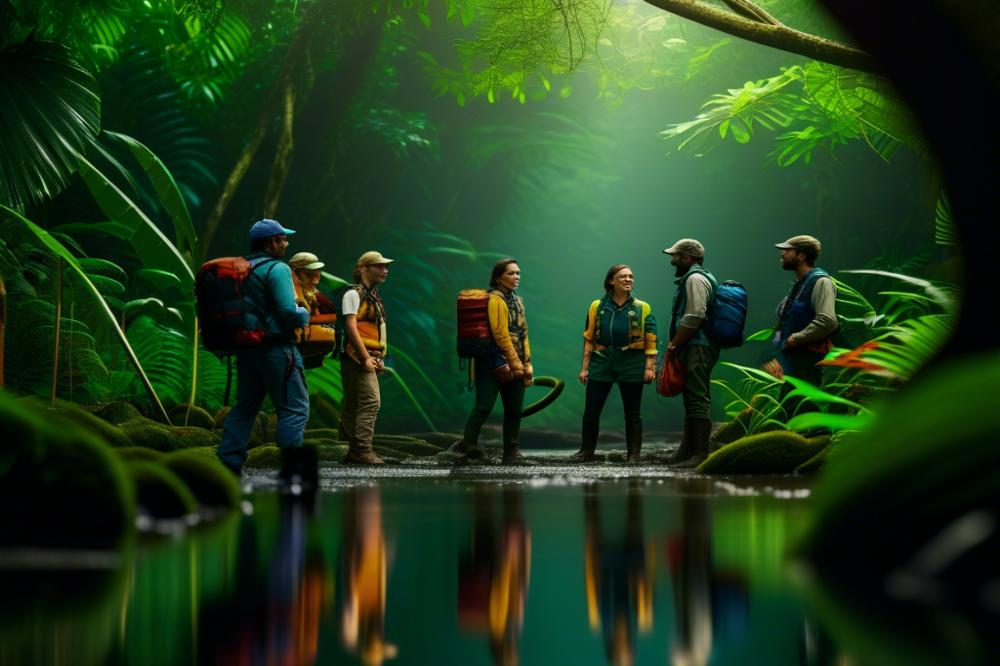
Field research over the past few years has revealed incredible insights into the biodiversity of various ecosystems. Rainforests, with their dense foliage and microhabitats, have proven to be hotspots for wildlife discovery. Tropical regions, particularly in South America and Southeast Asia, are seeing a surge in exploratory studies aimed at understanding herpetology.
In the Amazon Basin, scientists have embarked on intensive surveys, using both traditional and innovative methodologies. Techniques such as pitfall traps, hand searches during nighttime, and imaging technology are standard practices that improve the likelihood of encountering elusive reptiles. Recent expeditions have led researchers to remote areas that had previously been understudied.
Thailand’s mountainous rainforests have also attracted significant attention. Here, ecologists focus on taxonomy to categorize and identify potential new species. Their findings have implications not only for academic knowledge but also for conservation efforts in these rich habitats. By engaging in systematic sampling and genetic analysis, researchers are uncovering previously undocumented snakes that play critical roles in their ecosystems.
Field studies conducted in Madagascar illustrate the diverse environments where these discoveries are occurring. The island’s unique ecological profile fosters a range of adaptations among its reptilian inhabitants. Expeditions often involve local guides who possess invaluable knowledge about the terrain. This collaboration enhances research outcomes and fosters stronger community ties.
Moreover, the urgency of these studies cannot be overstated. Deforestation and habitat degradation threaten many species, calling for immediate action. Every new finding can illuminate the interconnectedness of life and underscore the importance of biodiversity. Research teams are working diligently to document and conserve these newly identified creatures.
As scientists move forward, their methodologies will likely evolve. Incorporating technology such as environmental DNA (eDNA) sampling can offer non-invasive ways to assess species presence without disturbing their habitats. This advancement may prove critical for tracking elusive snake species in challenging environments.
New field research expeditions continue to expand our understanding of the natural world. Careful documentation and ongoing studies remain essential for effective conservation strategies. The marvels of the rainforest are not just in their beauty but in the mysteries they hold—mysteries that researchers are just beginning to unravel.
Notable Findings and New Snake Species
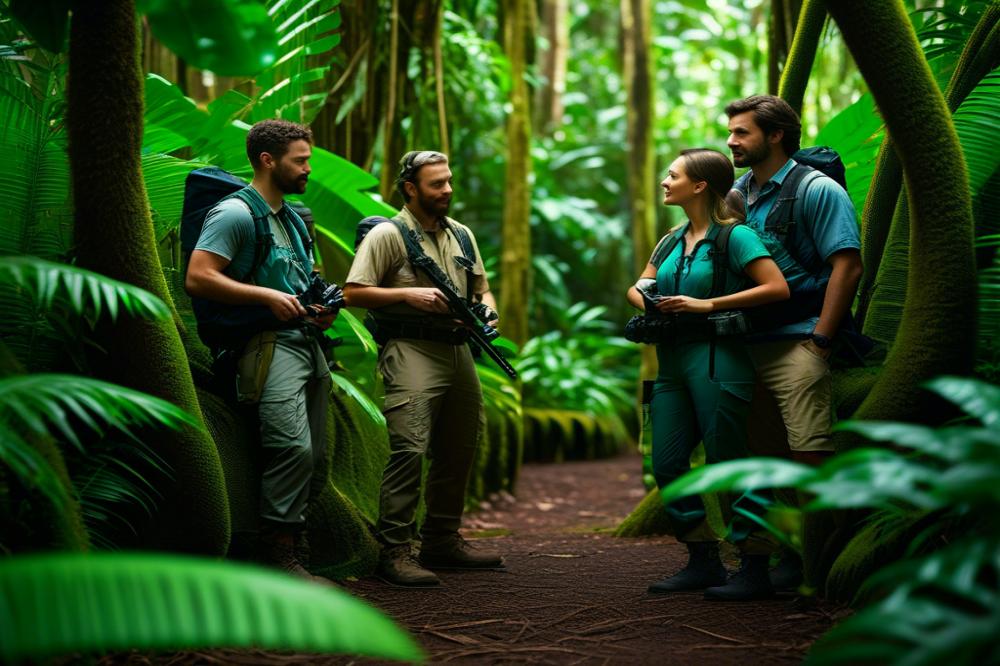
Recent expeditions have yielded remarkable discoveries in the realm of herpetology. Field research in the rainforests of the Amazon has led to the identification of several new species. Each finding adds to the rich tapestry of biodiversity, showcasing the importance of these ecosystems.
One notable species, Thamnophis jani, was discovered in a remote area previously untouched by modern exploration. This small snake boasts a striking pattern of iridescent scales that shimmer in the dappled light of the forest canopy. Researchers noted its preference for humid environments, often seen basking on low-hanging branches. Observations indicated that its diet primarily consists of small amphibians, which it hunts with remarkable agility.
Another exciting discovery came from a rugged terrain in Southeast Asia, where scientists encountered Dispholidus degenhardti. This snake displays a venomous bite, a fascinating aspect that warrants further ecological studies. Its behavior is predominantly nocturnal, making it a master of stealth as it navigates through its rocky habitat. This adaptability is crucial for survival, especially in areas where habitats are rapidly changing due to human influence.
The expedition team also conducted extensive taxonomy work. They explored various genetic markers to establish relationships among these new snakes and their relatives. Such efforts are vital for conservation strategies aimed at protecting these newfound species. Understanding their roles within their habitats can guide wildlife discovery and protection initiatives.
In another instance, researchers ventured into the marshlands, encountering a rare subspecies of Naja sputatrix. These snakes are characterized by their vibrant coloration and distinctive patterns. Habitats in the marshes provide ample cover, while proximity to water aids in hunting. This species is primarily diurnal and exhibits a unique display behavior when threatened.
Their intricate mating rituals have also piqued the interest of researchers. These behaviors not only demonstrate the adaptability of species but also highlight the connections between environmental conditions and their survival strategies. Without continual observation, important aspects of their lifecycle might remain unknown.
Each new species identified deepens our understanding of the world around us. At the same time, it emphasizes the critical need for ongoing conservation efforts. Preserving the habitats where these snakes thrive is essential, as many face various threats from habitat loss and climate change. The work conducted by scientists in these remote jungles and marshes is pivotal in advocating for biodiversity and protecting endangered species.
Taxonomy and Ecological Studies

The importance of taxonomy in classifying new snake species cannot be overstated. This scientific discipline provides the framework for understanding biodiversity. Clear classification allows researchers to more easily study relationships among organisms. It serves as the foundation for ecological studies that examine how these creatures interact with their habitats.
Field research plays a crucial role in this process. Scientists embark on expeditions in various environments, including the rich ecosystems of rainforests. Observing snakes in their natural habitats allows researchers to gather data on behavior, diet, and reproduction. These elements are vital for understanding each species’ role in the ecosystem.
Genetic analysis has transformed taxonomy. Advanced techniques such as DNA sequencing can reveal insights into evolutionary relationships that morphology alone cannot provide. By comparing genetic material, researchers can identify lineages and determine how closely related new species are to existing ones. This information has significant implications for conservation efforts, particularly in regions where habitats are threatened.
Ecological studies benefit immensely from a robust taxonomic framework. Understanding the diversity of species within a given area informs conservation strategies. For instance, identifying keystone species helps prioritize what must be preserved for the ecosystem’s health. Moreover, knowing how many species exist can lead to more informed wildlife discovery practices.
Overall, the synthesis of taxonomy and genetic research deepens our understanding of herpetology. It enables scientists to generate a comprehensive picture of snake biodiversity. As expeditions continue to uncover new species, these disciplines will remain pivotal in unraveling the complexities of our planet’s ecological tapestry.
Conservation Efforts and Habitat Preservation
Analyzing the challenges facing newly discovered snake species reveals a stark reality. These reptiles often confront severe threats due to habitat loss, climate change, and illegal wildlife trade. Human activities, such as logging and agriculture, rapidly deplete rainforest ecosystems. Such changes hinder the survival of various species in these biodiverse regions.
Protecting their natural environments is critical for several reasons. Healthy habitats support not only herpetology but also valuable ecological interactions. Rainforests, rich in flora and fauna, play a vital role in the earth’s biodiversity. Each new species contributes to the complex fabric of the ecosystem. Every organism has a specific role, and removing any can lead to unforeseen consequences.
Field research is essential in understanding the specific requirements of these new species. Scientists conducting ecological studies gather data on population size, behavior, and habitat preferences. This information aids in developing effective conservation strategies. Taxonomy plays a key role as well; correctly identifying species is vital in any conservation effort. Misidentification can lead to inadequate protection measures and policies.
Several initiatives are currently underway aimed at conserving snake populations and their habitats. Wildlife organizations collaborate with local communities to promote awareness and sustainable practices. Education programs are critical to fostering a sense of responsibility among the public. They motivate individuals to engage in conservation activities and respect natural habitats. Additionally, protected areas are established to safeguard critical ecosystems from degradation.
International cooperation is necessary for effective conservation strategies. Many regions harbor unique species that cross national boundaries. Collaborative efforts ensure that conservation measures encompass all areas where these snakes live. By pooling resources and knowledge, countries can enhance their capacity to manage and protect these valuable ecosystems.
Overall, the protection of habitats and conservation of snake species requires a multifaceted approach. Ongoing research and fieldwork play crucial roles in shaping effective policies. Increased funding and global partnerships are essential to support conservation initiatives. The urgency of these efforts cannot be overstated, as each discovery opens the door to new ecological insights and underscores the delicate balance of our world.
Future Directions in Snake Species Research
The landscape of herpetology is evolving rapidly, paving the way for significant advancements in snake species research. Emerging technologies, such as environmental DNA (eDNA) analysis, offer promising avenues to detect and identify species without physical capture. This innovation can be particularly useful in complex habitats like rainforests, where traditional field research is often challenging.
In addition to eDNA, DNA barcoding provides a powerful tool for taxonomy, allowing scientists to classify and document new species with greater accuracy. This method, alongside morphological studies, will enhance our understanding of genetic diversity among snakes. Coupled with these approaches, the development of mobile applications allows citizen scientists to report sightings, contributing valuable data to ecological studies.
Research collaboration across borders is more essential than ever. Many regions rich in biodiversity are under threat due to habitat destruction and climate change. Building international partnerships can help in sharing resources and expertise, ultimately enhancing our ability to discover and protect new species. These collaborative efforts should also focus on training local communities, as they play a vital role in conservation initiatives.
Funding remains a critical factor. Sustained investment in wildlife discovery efforts aids in both grassroots projects and large-scale expeditions. With adequate financial backing, researchers can explore remote areas that have yet to reveal their secrets. Sustainable funding could support long-term ecological studies that assess the health of snake populations and their habitats.
Moreover, using remote sensing tools can facilitate habitat monitoring. Drones and satellite imagery provide insights into land use changes that impact biodiversity. By understanding these dynamics, researchers can devise conservation strategies that mitigate risks to snake populations. Consequently, the integration of technology in field research will inform policies aimed at protecting vital ecosystems.
In light of these advancements, it is imperative that the scientific community continues to emphasize the importance of snake studies. Discovering new species contributes significantly to our understanding of biodiversity. Without ongoing research efforts, many unknown phenomena may remain in the shadows, complicating conservation actions. The road ahead must be marked by collaboration, innovation, and dedication to preserving the wealth of life that our planet offers.
Final Thoughts on Recent Discoveries
An impressive number of new snake species have emerged from recent expeditions. These findings highlight the vast diversity still waiting to be uncovered in the natural world. Researchers have traversed remote jungles and mountainous terrains, revealing not just the beauty of these reptiles but also their ecological significance. Understanding these creatures is key to preserving their habitats.
Continuing research in herpetology is essential for several reasons. Each newly identified species contributes to our understanding of biodiversity. Different snake species play vital roles in their ecosystems—controlling pest populations, serving as prey, and maintaining the balance of their environments. Their existence carries implications that go beyond their own survival; a decline in snake populations can indicate larger issues within the ecosystem.
Moreover, conservation efforts will benefit from ongoing studies. Protected areas need to be established and enforced to safeguard these newly discovered species. Educating the public about the importance of snakes in ecosystems helps dispel myths that often lead to unnecessary fear and persecution. Support for these initiatives fosters a broader commitment to conservation.
Engaging communities in local wildlife research enriches ecological studies. Collaboration between scientists and local residents can lead to significant discoveries and inspire pride in native species. Life thrives on interdependence, and healthy ecosystems contribute to the overall stability of our planet.
Encouraging support for herpetological research and wildlife conservation will create a ripple effect, benefitting countless species. As new discoveries emerge, we must act wisely to protect these invaluable treasures of our natural world. Together, we can make strides toward preserving the captivating diversity of life that surrounds us.

